Arbre central supérieur gauche du sous-boîte russe FAW: Fortifiant 4 Composants critiques pour une réduction de couple imparable
Le Arbre central supérieur gauche du sous-boîte russe FAW est la pierre angulaire du système de réduction auxiliaire du camion-benne CA3250P66K24L1TE5Z. Cet ensemble d'arbre intermédiaire robuste fonctionne en parallèle avec ses homologues pour répartir les immenses charges de couple lors des changements de gamme.. Conçu pour les exigences extrêmes du secteur minier russe, cet assemblage assure des transitions fluides entre les vitesses hautes et basses, même lorsque le liquide de transmission est proche du point de congélation.

Ensemble d'arbre central supérieur gauche du sous-boîte russe FAW
Architecture de base: L'arbre intermédiaire soudé
L'épine dorsale structurelle de cet assemblage est le Ensemble d'arbre intermédiaire soudé – Sous-boîte (Partie no. 1701515FA0L). Contrairement à une pièce forgée d'une seule pièce, ce composant présente souvent une construction soudée spécialisée dans laquelle les groupes d'engrenages sont fusionnés à l'arbre. Dans le contexte du Arbre central supérieur gauche du sous-boîte russe FAW, cette conception permet une approche modulaire de la personnalisation du rapport de transmission. L'arbre doit résister aux forces de torsion générées lors de l'enclenchement du système de réduction planétaire., multipliant souvent le couple du moteur par un facteur de 3 ou plus.
La métallurgie de l'arbre fait appel à un acier allié à haute résistance, traité thermiquement pour résister à la fatigue de torsion. Dans l'Arctique russe, le défi est de maintenir la ductilité à -40°C. Les aciers standards peuvent devenir cassants et se briser sous des charges de choc, par exemple lorsqu'une roue tourne sur la glace et s'agrippe soudainement à de la roche sèche.. Spécification matérielle de FAW pour le Arbre central supérieur gauche du sous-boîte russe FAW garantit que le noyau reste solide et résilient, absorber ces ondes de choc sans défaillance catastrophique.
En outre, les joints soudés sont soumis à des tests ultrasoniques rigoureux pour garantir une porosité nulle. Une soudure défaillante en profondeur à l'intérieur du sous-boîtier de transmission entraînerait une perte immédiate de l'entraînement et d'importants dommages collatéraux au carter principal.. La précision du Arbre central supérieur gauche du sous-boîte russe FAW le processus de fabrication garantit que les dents de l'engrenage sont parfaitement alignées avec l'axe de l'arbre, assurant un maillage fluide et un fonctionnement silencieux même sous les charges les plus lourdes.
Gestion des charges: Roulements à rouleaux coniques
Cet arbre robuste est soutenu par des roulements à rouleaux coniques haute capacité. L'assemblée utilise le Anneau extérieur – Roulement à rouleaux coniques (Partie no. 33109-1) et le Bague intérieure – Roulement à rouleaux coniques (Partie no. 33109-2). Les roulements à rouleaux coniques sont essentiels pour Arbre central supérieur gauche du sous-boîte russe FAW car ils peuvent supporter les deux charges radiales (le poids des forces de séparation de l'arbre et de l'engrenage) et charges axiales (la poussée générée par les engrenages hélicoïdaux).
Dans une conception de transmission à double arbre intermédiaire, l'équilibrage de la charge entre les arbres est essentiel. Les roulements doivent être réglés avec une précharge précise pour garantir que l'arbre ne fléchit pas sous charge. Si la précharge est trop lâche, le Arbre central supérieur gauche du sous-boîte russe FAW va se désaligner, provoquant une usure inégale des engrenages. Si trop serré, les roulements vont surchauffer et gripper. La spécification FAW pour ces roulements comprend une cage en acier de haute qualité capable de couper les fluides visqueux., liquide de transmission froid sans s'effondrer.
La séparation des bagues intérieure et extérieure facilite le montage et le réglage. Dans l'hiver russe, la dilatation thermique différentielle entre les chemins de roulement en acier et le boîtier en fonte peut être importante. Le Arbre central supérieur gauche du sous-boîte russe FAW les roulements sont conçus avec des jeux internes qui s'adaptent à cette croissance thermique, empêchant la transmission de se gripper pendant la phase de préchauffage initiale du fonctionnement.
Établir la norme: La rondelle de localisation
L'obtention d'une précharge parfaite des roulements repose sur la Rondelle de localisation (Partie no. 1701518-A0L). Ce composant simple mais vital agit comme une entretoise, déterminer la position axiale du Arbre central supérieur gauche du sous-boîte russe FAW au sein du logement. Il est rectifié avec précision à une épaisseur spécifique. Pendant le montage, les techniciens peuvent choisir parmi une gamme d'épaisseurs de rondelles pour régler le jeu final à quelques microns près des spécifications d'usine.
Dans le Arbre central supérieur gauche du sous-boîte russe FAW logique, cette rondelle doit être suffisamment dure pour résister à l'indentation de la bague de roulement. Si la laveuse se comprime avec le temps, la précharge du roulement est perdue, conduisant à une oscillation de l'arbre et à un gémissement des engrenages. La pièce FAW utilise un alliage d'acier trempé qui conserve son intégrité dimensionnelle sur des millions de cycles de charge..
En outre, la finition de surface de la rondelle est essentielle pour maintenir une étanchéité statique contre les fuites d'huile dans certaines conceptions, ou simplement en fournissant une plate-forme stable pour la bague de roulement. En garantissant un alignement axial correct, la rondelle de positionnement garantit que la charge est partagée également entre les deux arbres intermédiaires. Ce partage de charge est la clé de la capacité de couple élevée du Arbre central supérieur gauche du sous-boîte russe FAW assemblée, permettant au camion de transporter des charges massives sans démonter les engrenages.
Logique opérationnelle: Gamme haute et basse
Le Arbre central supérieur gauche du sous-boîte russe FAW fait partie intégrante de la fonction de changement de gamme. Lorsque le conducteur actionne le commutateur de gamme, les vérins pneumatiques déplacent un collier coulissant qui engage soit la gamme haute (entraînement direct) ou bas de gamme (réduction) ensembles d'engrenages. Cet arbre intermédiaire porte les réducteurs. Son inertie en rotation joue un rôle dans la qualité des changements de vitesse. Un arbre trop lourd rend la synchronisation difficile; celui qui est trop léger n'aura peut-être pas la force.
Le Arbre central supérieur gauche du sous-boîte russe FAW est équilibré pour fournir l'inertie optimale pour une, quarts de travail sans conflit. Ceci est particulièrement important dans des conditions hors route où le maintien de l'élan sur une colline est vital.. Un changement de vitesse lent peut faire perdre de la vitesse et de la traction au camion.. L'usinage précis des dents d'engrenage sur cet arbre garantit que les synchroniseurs peuvent faire leur travail efficacement., même lorsque l'huile de transmission est froide.
La défaillance de cet ensemble se manifeste généralement par un gémissement persistant dans les basses gammes ou par des difficultés à passer d'une gamme à l'autre.. Les particules métalliques dans l'huile sont un signe de défaillance des roulements ou de piqûres d'engrenages.. Parce que le Arbre central supérieur gauche du sous-boîte russe FAW est enfoui profondément dans le boîtier du sous-boîte, pour y accéder, il faut retirer l'ensemble du bloc auxiliaire. Donc, en utilisant des produits authentiques, des composants de haute qualité lors d’une reconstruction sont essentiels pour éviter des pannes répétées.
Répartition des composants: 109. Ensemble d'arbre intermédiaire supérieur gauche du sous-boîte
| Non. |
Numéro de pièce |
Nom de la pièce |
Quantité |
| 1 |
33109-1 |
Anneau extérieur – Roulement à rouleaux coniques |
2 |
| 2 |
33109-2 |
Bague intérieure – Roulement à rouleaux coniques |
2 |
| 3 |
1701518-A0L |
Rondelle de localisation |
1 |
| 4 |
1701515FA0L |
Ensemble d'arbre intermédiaire soudé – Sous-boîte |
1 |
Conclusion: Le double pilier de la force
Le Arbre central supérieur gauche du sous-boîte russe FAW est un pilier essentiel de la stratégie de gestion du couple de la transmission. En partageant la charge avec son jumeau du côté droit, il permet à la boîte de vitesses compacte de gérer la puissance massive du moteur Jiefang. Sa construction soudée, roulements de précision, et une métallurgie robuste témoignent de l'engagement de FAW en faveur de la fiabilité dans les environnements les plus difficiles.
Pour les propriétaires de flotte et les techniciens, les plats à emporter sont simples: la précision est la clé. La précharge correcte des roulements, réglé par la rondelle de positionnement correcte, est la différence entre une transmission qui dure 500,000 kilomètres et un qui tombe en panne dans un mois. En utilisant le véritable Arbre central supérieur gauche du sous-boîte russe FAW composants, les opérateurs s'assurent que leur transmission reste solide, maillon indéfectible de la chaîne de productivité.
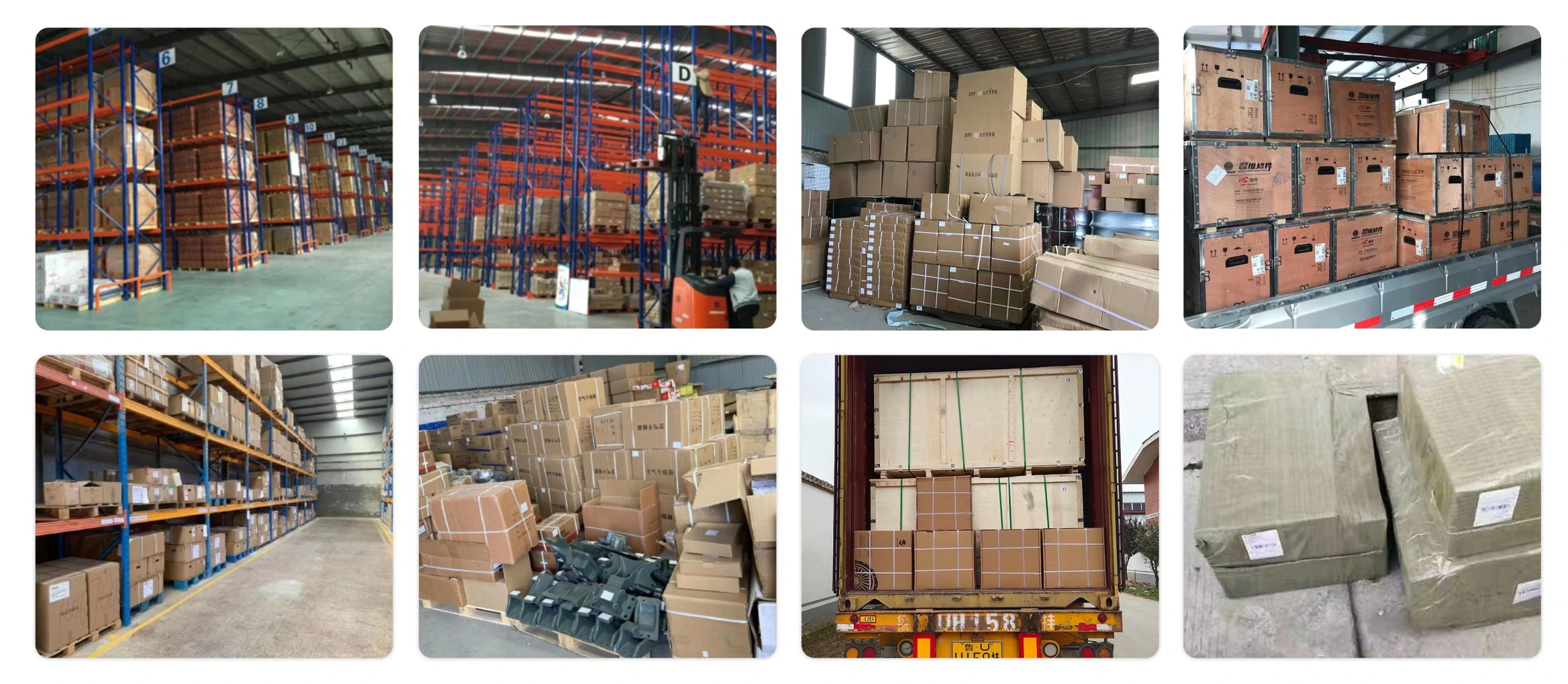
Emballage et logistique
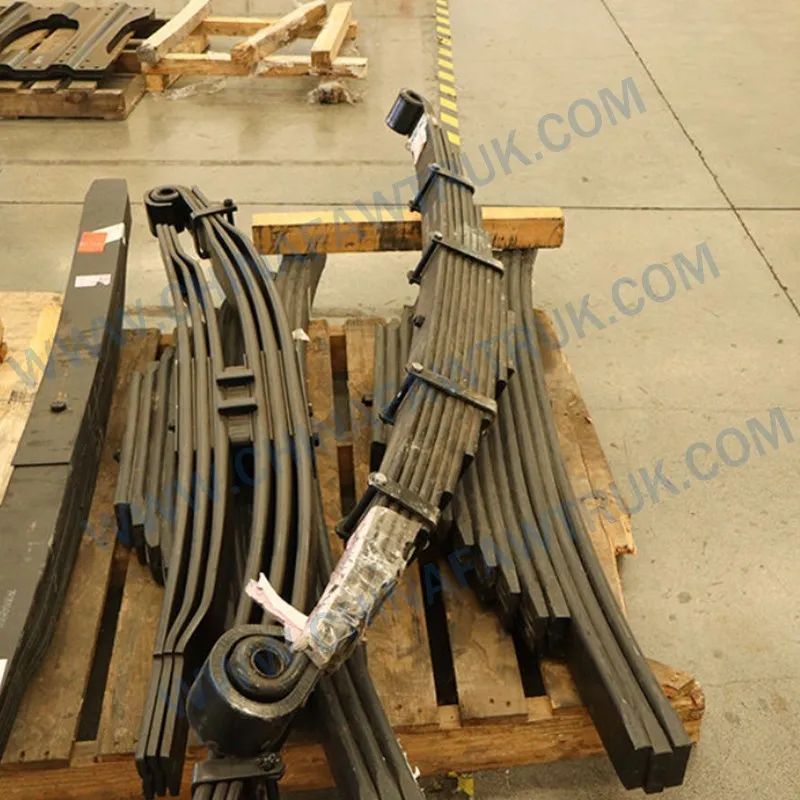
Pièces FAW, y compris l'ensemble bloc-cylindres, sont emballés avec soin pour garantir une livraison en toute sécurité. Chaque composant est sécurisé dans des matériaux de protection pour éviter tout dommage pendant le transport. Le réseau logistique garantit des expéditions ponctuelles dans le monde entier, soutenir des opérations de maintenance efficaces. Vous trouverez ci-dessous une image illustrant l'emballage standard des pièces de camion FAW., mettant en valeur l’attention portée aux détails dans la manipulation et le stockage.
Cette approche d'emballage minimise le risque de corrosion ou de dommages causés par les chocs., s'assurer que les pièces comme l'ensemble bloc-cylindres FAW arrivent en parfait état. Les clients peuvent compter sur la logistique de FAW pour une qualité et une fiabilité constantes.