Ensemble piston-bielle russe FAW: 9 Composants vitaux pour une durabilité arctique imbattable
Le Ensemble piston-bielle russe FAW est le cœur mécanique du moteur CA3250P66K24L1TE5Z, convertir une combustion explosive en couple de rotation. Conçu spécifiquement pour la Fédération de Russie, cet assemblage comprend des alliages spécialisés et des géométries d'anneaux conçus pour maintenir la compression dans des environnements inférieurs à zéro. Ce guide détaille les 9 composants critiques requis pour une révision parfaite du moteur.

Ensemble piston-bielle russe FAW
Ingénierie des pistons: Gestion des charges de combustion
À l'épicentre du Ensemble piston-bielle russe FAW est le Piston (Partie no. 1004011-81D), un composant conçu pour survivre aux pics de pression intenses d'un moteur diesel turbocompressé. La couronne du piston présente une géométrie spécifique du bol de combustion qui favorise la “tourbillon” du mélange air-carburant, assurer une combustion complète même lorsque l'air d'admission est dense et glacial. Cet alliage spécifique aluminium-silicium est choisi pour son faible coefficient de dilatation thermique, empêcher le piston de se gripper dans l'alésage lors de la montée rapide en température d'un démarrage à froid.
La connexion de ce piston à la transmission est le Axe de piston (Partie no. 1004018-81D), qui utilise un “flottant” conception au sein du Ensemble piston-bielle russe FAW. Cela signifie que l'axe est libre de tourner à la fois dans les bossages de piston et dans le pied de bielle., répartir le mouvement pour réduire l’usure localisée. Cette conception est cruciale pour prévenir le grippage, un mode de défaillance courant dans des conditions de démarrage à froid où la lubrification à l'huile est momentanément retardée en raison de la viscosité élevée.
La fixation de la goupille est la Anneaux élastiques d'axe de piston (Partie no. 1004019-81D), qui doit posséder une résistance à la traction exceptionnelle pour résister aux forces d'inertie à haut régime. Si un circlip perdait sa tension et se délogeait, la goupille en acier creuserait la chemise de cylindre, conduisant à une panne moteur catastrophique. Le Ensemble piston-bielle russe FAW s'appuie sur la métallurgie précise de ces anneaux pour maintenir la rétention dans toutes les conditions thermiques, s'assurer que la goupille reste centrée.
Sceller le pouvoir: Dynamique d'anneau avancée
L'efficacité du Ensemble piston-bielle russe FAW est largement déterminé par sa capacité à sceller la chambre de combustion contre les fuites.. Le principal obstacle est le Premier anneau de gaz (Partie no. 1004012-81D), également connu sous le nom d'anneau de compression supérieur, qui fait face à la pleine force de l'explosion du carburant. Il est recouvert d'un composite céramique-chrome pour résister aux particules de suie abrasives présentes dans les gaz d'échappement diesel., maintenir une étanchéité même après des centaines de milliers de kilomètres.
Sauvegarder cela est le Deuxième anneau de gaz (Partie no. 1004013-81D), qui répond à un double objectif dans le Ensemble piston-bielle russe FAW architecture. Il capture tous les gaz de compression qui contournent l'anneau supérieur et aide à gratter l'excès d'huile des parois du cylindre pendant la course descendante.. Son profil est souvent effilé pour renforcer cette action de grattage, empêcher l'huile de pénétrer dans la chambre de combustion et de brûler, ce qui endommagerait le pot catalytique.
La dernière ligne de défense est la Ensemble de bague d'huile en acier de type I (Partie no. 1004030-81D), un anneau spécialisé en trois parties essentiel au contrôle de la consommation d'huile. Dans l'Arctique russe, l'huile moteur peut devenir épaisse et lente, ce qui rend difficile le grattage des parois du cylindre. Le “Je tape” la conception exerce une tension radiale élevée, forcer la bague à travers le film d'huile pour la ramener dans le carter. Sans cette conception spécifique dans le Ensemble piston-bielle russe FAW, le moteur souffrirait d'un encrassement dû au carbone et d'une consommation excessive d'huile.
Dynamique des bielles: Transférer la force
Le lien physique entre le piston alternatif et le vilebrequin en rotation est le Ensemble de bielle (Partie no. 1004020A81D), forgé à partir d'acier à haute résistance pour résister au flambage. Dans le Ensemble piston-bielle russe FAW, cette canne comporte “fracture-fendue” la technologie au sommet. Cela signifie que le capuchon est fissuré de la tige plutôt que usiné., créer un unique, surface de contact dentelée qui verrouille le capuchon dans un alignement parfait et empêche tout déplacement latéral sous une charge lourde.
Supportant la tige sur le tourillon de vilebrequin se trouvent les Coquille de roulement supérieure de bielle (Partie no. 1004026-81D) et le Coquille de roulement inférieure de bielle (Partie no. 1004028-81D). Ces roulements sont les “fusibles” du moteur, constitué d'une structure trimétallique: un support en acier pour plus de solidité, une couche intermédiaire en cuivre-plomb pour le rembourrage, et un revêtement en régule doux pour le pouvoir lubrifiant. Cette composition est essentielle pour le Ensemble piston-bielle russe FAW pour survivre aux opérations à couple élevé.
Dans les conditions difficiles de la Fédération de Russie, ces roulements doivent résister à d'immenses charges de compression sans se déformer ni tourner. La superposition douce est cruciale pour “intégrabilité,” permettant aux débris microscopiques de s'enfoncer dans la paroi portante plutôt que de rayer le tourillon du vilebrequin. Une installation correcte de ces coques est vitale; le “pinces” sur les roulements doivent être positionnés précisément dans les évidements de la tige pour empêcher le roulement de tourner, qui est un mode de défaillance terminale pour le Ensemble piston-bielle russe FAW.
Liste de répartition des composants
Le tableau ci-dessous fournit la répartition officielle des pièces pour le Ensemble piston-bielle russe FAW. Les gestionnaires de flotte doivent utiliser ces numéros de pièces spécifiques pour garantir que les taux de compression et les jeux des roulements correspondent aux spécifications d'usine du CA3250P66K24L1TE5Z..
| Non. |
Numéro de pièce |
Nom de la pièce |
Quantité |
| 1 |
1004019-81D |
Anneau élastique d'axe de piston |
12 |
| 2 |
1004018-81D |
Axe de piston |
6 |
| 3 |
1004012-81D |
Premier anneau de gaz (Anneau de compression supérieur) |
6 |
| 4 |
1004013-81D |
Deuxième anneau de gaz |
6 |
| 5 |
1004030-81D |
Ensemble de bague d'huile en acier de type I |
6 |
| 6 |
1004011-81D |
Piston |
6 |
| 7 |
1004020A81D |
Ensemble de bielle |
6 |
| 8 |
1004026-81D |
Coquille de roulement supérieure de bielle |
6 |
| 9 |
1004028-81D |
Coquille de roulement inférieure de bielle |
6 |
Protocoles de révision pour les composants principaux
Reconstruire le Ensemble piston-bielle russe FAW est une tâche de précision qui ne tolère aucune erreur. Le contrôle le plus critique consiste à mesurer l'écartement des anneaux avant l'installation.. Les mécaniciens doivent placer le Premier anneau de gaz dans l'alésage du cylindre et utilisez une jauge d'épaisseur pour mesurer l'écart d'extrémité. Si l'écart est trop serré, l'anneau se dilate et se grippe lorsque le moteur atteint la température de fonctionnement; si trop lâche, la compression sera perdue, compromettant les performances du Ensemble piston-bielle russe FAW.
Il faut également prêter attention à l'orientation des Ensemble de bague d'huile en acier de type I lors de l'installation. Le ressort d'expansion interne doit être correctement abouté, ne se chevauchent pas. Un ressort superposé crée un renflement qui empêche l'anneau de s'asseoir, provoquant une consommation massive de pétrole immédiatement après une reconstruction. Il s'agit d'une erreur courante qui nécessite un démontage complet du Ensemble piston-bielle russe FAW rectifier.
Lors de l'installation du Ensemble de bielle, vérifier le jeu des roulements avec “Plastigauge” est une étape obligatoire. Ce test simple garantit que l'épaisseur du film d'huile est suffisante pour supporter la charge hydrodynamique.. Enfin, remplacez toujours le Anneaux élastiques d'axe de piston avec de nouvelles unités. Les vieux clips perdent leur tension et peuvent se déloger pendant le fonctionnement. Une panne de clip de cinquante cents entraînera la destruction totale du Ensemble piston-bielle russe FAW et le bloc moteur.
Conclusion: Le fondement de la performance
Le Ensemble piston-bielle russe FAW est le sous-système le plus sollicité de tout le véhicule, conçu pour résister à des tonnes de force des milliers de fois par minute. Chaque composant, du poids lourd Piston au délicat Anneau d'huile, joue un rôle irremplaçable dans la production d’énergie et la longévité du moteur. Les choix techniques spécifiques effectués pour cet assemblage lui permettent de fonctionner de manière fiable dans les variations extrêmes de température de la Fédération de Russie..
Pour les propriétaires de flotte, il n'y a pas de place pour le compromis en ce qui concerne ces composants internes. En utilisant “boîte blanche” ou des pièces génériques pour le Ensemble piston-bielle russe FAW risque de panne moteur catastrophique. Seules les pièces d'origine FAW garantissent la qualité des matériaux., précision dimensionnelle, et la résilience thermique nécessaires pour que vos camions continuent de transporter de manière rentable pendant les hivers russes les plus rigoureux.
Emballage et logistique
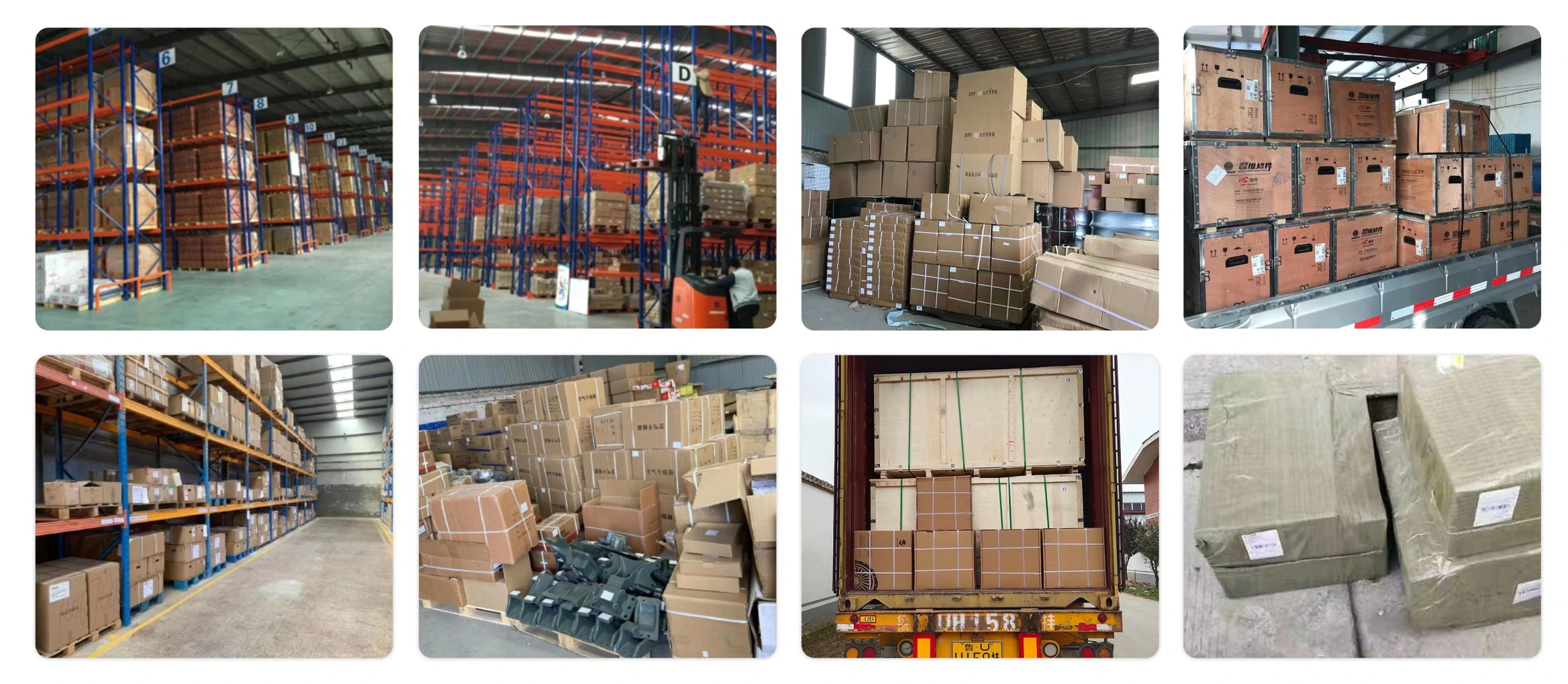
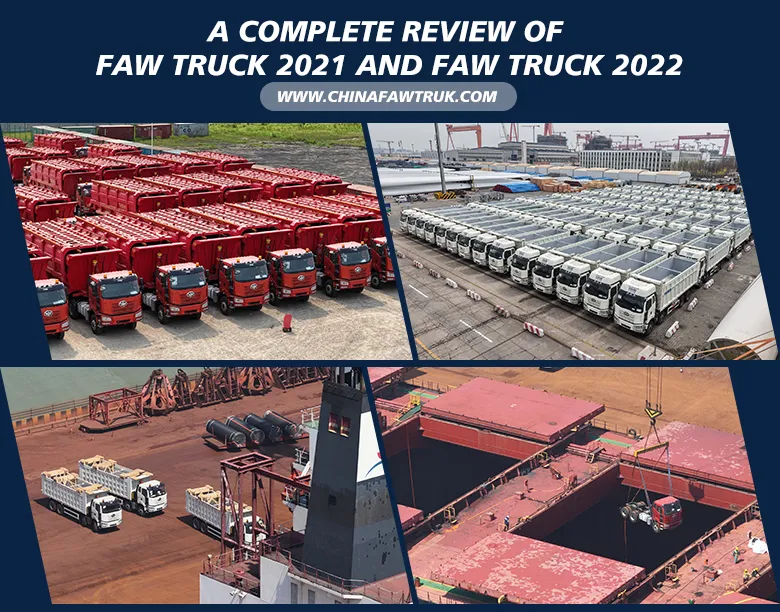
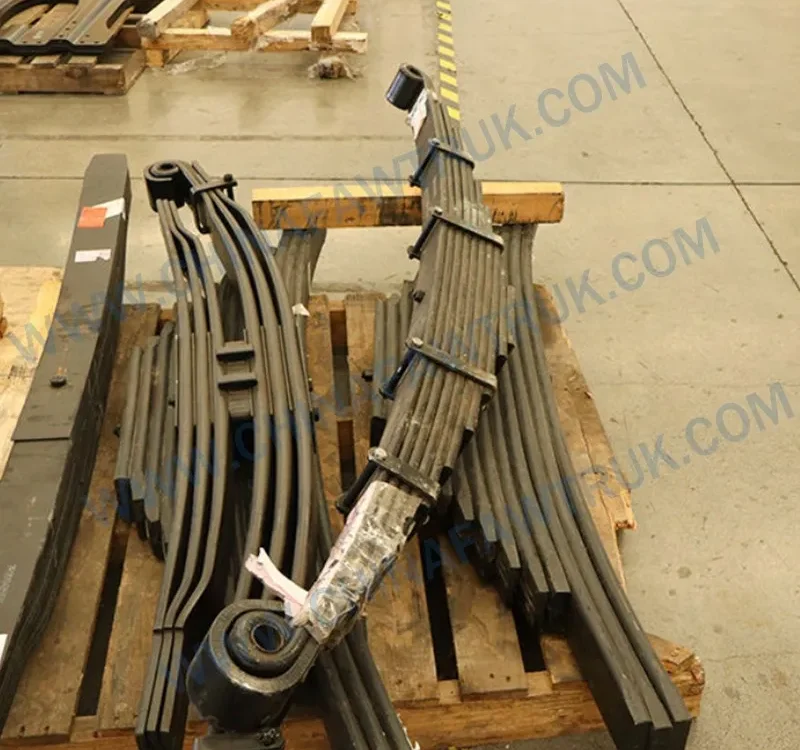
Pièces FAW, y compris l'ensemble bloc-cylindres, sont emballés avec soin pour garantir une livraison en toute sécurité. Chaque composant est sécurisé dans des matériaux de protection pour éviter tout dommage pendant le transport. Le réseau logistique garantit des expéditions ponctuelles dans le monde entier, soutenir des opérations de maintenance efficaces. Vous trouverez ci-dessous une image illustrant l'emballage standard des pièces de camion FAW., mettant en valeur l’attention portée aux détails dans la manipulation et le stockage.
Cette approche d'emballage minimise le risque de corrosion ou de dommages causés par les chocs., s'assurer que les pièces comme l'ensemble bloc-cylindres FAW arrivent en parfait état. Les clients peuvent compter sur la logistique de FAW pour une qualité et une fiabilité constantes.