Conjunto de biela de pistão russo FAW: 9 Componentes vitais para durabilidade imbatível no Ártico
O Conjunto de biela de pistão russo FAW é o coração mecânico do motor CA3250P66K24L1TE5Z, convertendo combustão explosiva em torque rotacional. Projetado especificamente para a Federação Russa, este conjunto apresenta ligas especializadas e geometrias de anel projetadas para manter a compressão em ambientes abaixo de zero. Este guia detalha 9 componentes críticos necessários para uma revisão impecável do motor.

Conjunto de biela de pistão russo FAW
Engenharia de Pistão: Gerenciando Cargas de Combustão
No epicentro do Conjunto de biela de pistão russo FAW é o Pistão (Parte não. 1004011-81D), um componente projetado para sobreviver aos intensos picos de pressão de um motor diesel turboalimentado. A coroa do pistão apresenta uma geometria específica do recipiente de combustão que promove a “redemoinho” da mistura ar-combustível, garantindo combustão completa mesmo quando o ar de admissão é denso e gelado. Esta liga específica de alumínio-silício é escolhida pelo seu baixo coeficiente de expansão térmica, evitando que o pistão emperre no furo durante a rápida subida de temperatura de uma partida a frio.
Conectar este pistão ao sistema de transmissão é o Pino do pistão (Parte não. 1004018-81D), que utiliza um “flutuante” projeto dentro do Conjunto de biela de pistão russo FAW. Isso significa que o pino está livre para girar tanto nas saliências do pistão quanto na extremidade pequena da biela., distribuindo movimento para reduzir o desgaste localizado. Este design é crucial para evitar escoriações, um modo de falha comum em condições de partida a frio, onde a lubrificação com óleo é momentaneamente atrasada devido à alta viscosidade.
Proteger o pino é o Anéis elásticos do pino do pistão (Parte não. 1004019-81D), que deve possuir resistência à tração excepcional para suportar forças inerciais de alta rotação. Se um anel elástico perdesse a tensão e desalojasse, o pino de aço iria arrancar a camisa do cilindro, levando a uma falha catastrófica do motor. O Conjunto de biela de pistão russo FAW depende da metalurgia precisa desses anéis para manter a retenção sob todas as condições térmicas, garantindo que o pino permaneça centralizado.
Selando o Poder: Dinâmica de Anel Avançada
A eficiência do Conjunto de biela de pistão russo FAW é em grande parte determinada pela sua capacidade de vedar a câmara de combustão contra a explosão. A principal barreira é a Primeiro Anel de Gás (Parte não. 1004012-81D), também conhecido como anel de compressão superior, que enfrenta toda a força da explosão de combustível. É revestido com um composto cerâmico-cromo para resistir às partículas abrasivas de fuligem encontradas nos gases de escape do diesel., mantendo uma vedação hermética mesmo depois de centenas de milhares de quilômetros.
Fazer backup disso é o Segundo Anel de Gás (Parte não. 1004013-81D), que tem um duplo propósito no Conjunto de biela de pistão russo FAW arquitetura. Ele captura quaisquer gases de compressão que desviam do anel superior e auxilia na remoção do excesso de óleo das paredes do cilindro durante o movimento descendente. Seu perfil é muitas vezes cônico para melhorar esta ação de raspagem, evitando que o óleo entre na câmara de combustão e queime, o que danificaria o conversor catalítico.
A última linha de defesa é a Conjunto de anel de óleo de aço tipo I (Parte não. 1004030-81D), um anel especializado de três peças, essencial para o controle do consumo de óleo. No Ártico Russo, o óleo do motor pode ficar espesso e lento, dificultando a raspagem das paredes do cilindro. O “Eu digito” design exerce alta tensão radial, forçando o anel através da película de óleo para devolvê-lo ao cárter. Sem esse design específico no Conjunto de biela de pistão russo FAW, o motor sofreria com incrustações de carbono e uso excessivo de óleo.
Dinâmica da biela: Transferindo a Força
A ligação física entre o pistão alternativo e o virabrequim rotativo é o Conjunto de biela (Parte não. 1004020A81D), forjado em aço de alta resistência para resistir à flambagem. No Conjunto de biela de pistão russo FAW, esta haste apresenta “fratura-divisão” tecnologia no grande final. Isso significa que a tampa está quebrada na haste em vez de usinada, criando um único, superfície de contato irregular que trava a tampa em perfeito alinhamento e evita deslocamento lateral sob carga pesada.
Apoiando a haste no munhão do virabrequim estão os Casquilho superior da biela (Parte não. 1004026-81D) e o Casco do rolamento inferior da biela (Parte não. 1004028-81D). Esses rolamentos são os “fusíveis” do motor, composto por uma estrutura trimetálica: um suporte de aço para maior resistência, uma camada intermediária de cobre-chumbo para amortecimento, e uma sobreposição macia de babbitt para lubrificação. Esta composição é essencial para o Conjunto de biela de pistão russo FAW para sobreviver a operações de alto torque.
Nas duras condições da Federação Russa, esses rolamentos devem suportar imensas cargas de compressão sem deformar ou girar. A sobreposição suave é crucial para “capacidade de incorporação,” permitindo que detritos microscópicos afundem na parede do rolamento em vez de marcar o munhão do virabrequim. A instalação correta dessas conchas é vital; o “pinças” nos rolamentos devem localizar-se precisamente nos recessos da haste para evitar que o rolamento gire, que é um modo de falha terminal para o Conjunto de biela de pistão russo FAW.
Lista detalhada de componentes
A tabela abaixo fornece o detalhamento oficial das peças para o Conjunto de biela de pistão russo FAW. Os gerentes de frota devem usar esses números de peça específicos para garantir que as taxas de compressão e as folgas dos rolamentos correspondam às especificações de fábrica do CA3250P66K24L1TE5Z.
| Não. |
Número da peça |
Nome da peça |
Quantidade |
| 1 |
1004019-81D |
Anel elástico do pino do pistão |
12 |
| 2 |
1004018-81D |
Pino do pistão |
6 |
| 3 |
1004012-81D |
Primeiro Anel de Gás (Anel de compressão superior) |
6 |
| 4 |
1004013-81D |
Segundo Anel de Gás |
6 |
| 5 |
1004030-81D |
Conjunto de anel de óleo de aço tipo I |
6 |
| 6 |
1004011-81D |
Pistão |
6 |
| 7 |
1004020A81D |
Conjunto de biela |
6 |
| 8 |
1004026-81D |
Casquilho superior da biela |
6 |
| 9 |
1004028-81D |
Casco do rolamento inferior da biela |
6 |
Protocolos de revisão para componentes principais
Reconstruindo o Conjunto de biela de pistão russo FAW é uma tarefa de precisão que não tolera erros. A verificação mais crítica envolve medir a folga do anel antes da instalação. Os mecânicos devem colocar o Primeiro Anel de Gás no furo do cilindro e use um calibrador de lâminas para medir a folga final. Se a lacuna for muito apertada, o anel se expandirá e emperrará quando o motor atingir a temperatura operacional; se estiver muito solto, a compressão será perdida, comprometendo o desempenho do Conjunto de biela de pistão russo FAW.
Também deve ser dada atenção à orientação do Conjunto de anel de óleo de aço tipo I durante a instalação. A mola de expansão interna deve ser encaixada corretamente, não sobreposto. Uma mola sobreposta cria uma protuberância que impede o assentamento do anel, causando consumo massivo de petróleo imediatamente após uma reconstrução. Este é um erro comum que exige uma desmontagem completa do Conjunto de biela de pistão russo FAW retificar.
Ao instalar o Conjunto de biela, verificando a folga do rolamento com “Plastigauge” é uma etapa obrigatória. Este teste simples garante que a espessura da película de óleo é suficiente para suportar a carga hidrodinâmica. Finalmente, substitua sempre o Anéis elásticos do pino do pistão com novas unidades. Clipes antigos perdem a tensão e podem se soltar durante a operação. Uma falha no clipe de cinquenta centavos resultará na destruição total do Conjunto de biela de pistão russo FAW e o bloco do motor.
Conclusão: A Fundação do Desempenho
O Conjunto de biela de pistão russo FAW é o subsistema mais estressado em todo o veículo, projetado para suportar toneladas de força milhares de vezes por minuto. Cada componente, do serviço pesado Pistão para o delicado Anel de óleo, desempenha um papel insubstituível na geração de energia e na longevidade do motor. As escolhas específicas de engenharia feitas para este conjunto permitem que ele opere de forma confiável nas variações extremas de temperatura da Federação Russa.
Para proprietários de frotas, não há espaço para concessões quando se trata desses componentes internos. Usando “caixa branca” ou peças genéricas para o Conjunto de biela de pistão russo FAW corre o risco de falha catastrófica do motor. Somente peças genuínas FAW fornecem a qualidade do material, precisão dimensional, e a resiliência térmica necessária para manter o transporte lucrativo de seus caminhões durante os invernos mais rigorosos da Rússia.
Embalagem e Logística
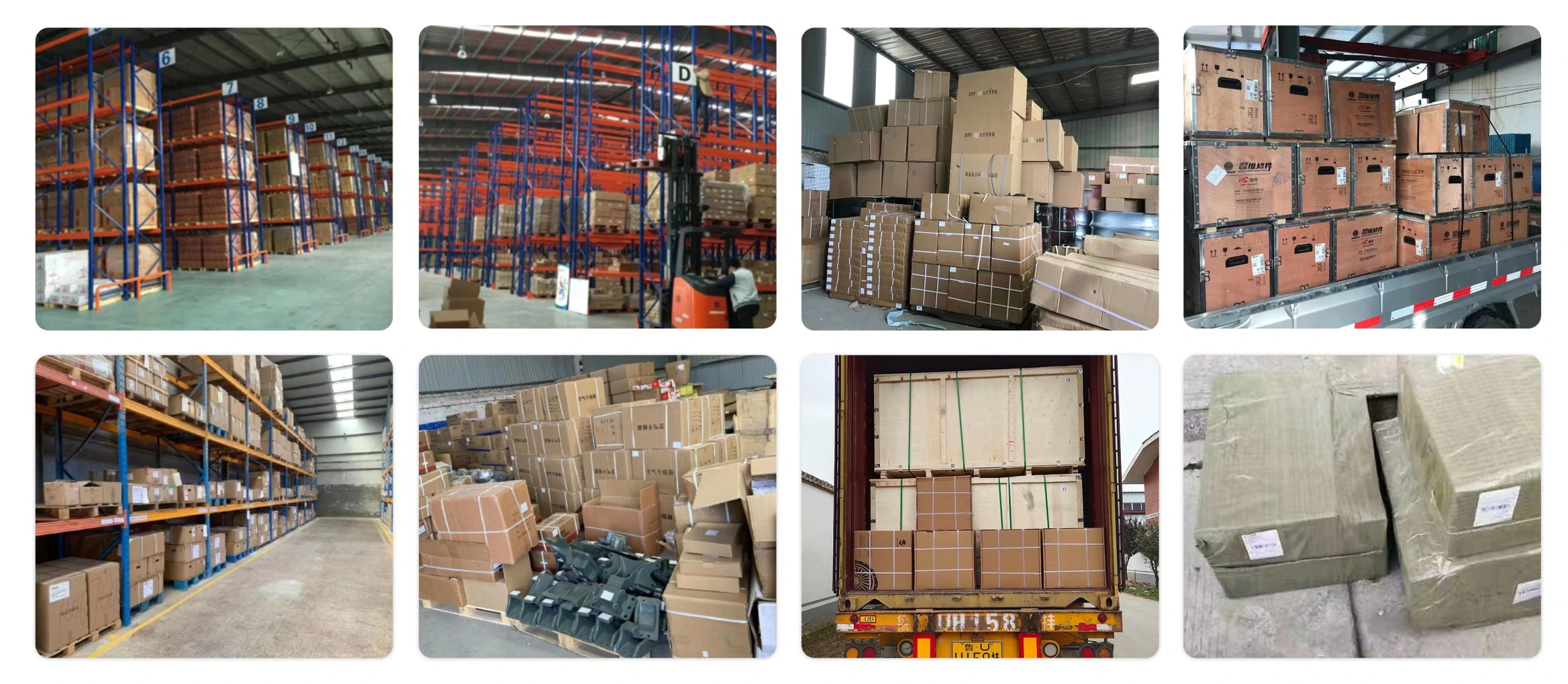
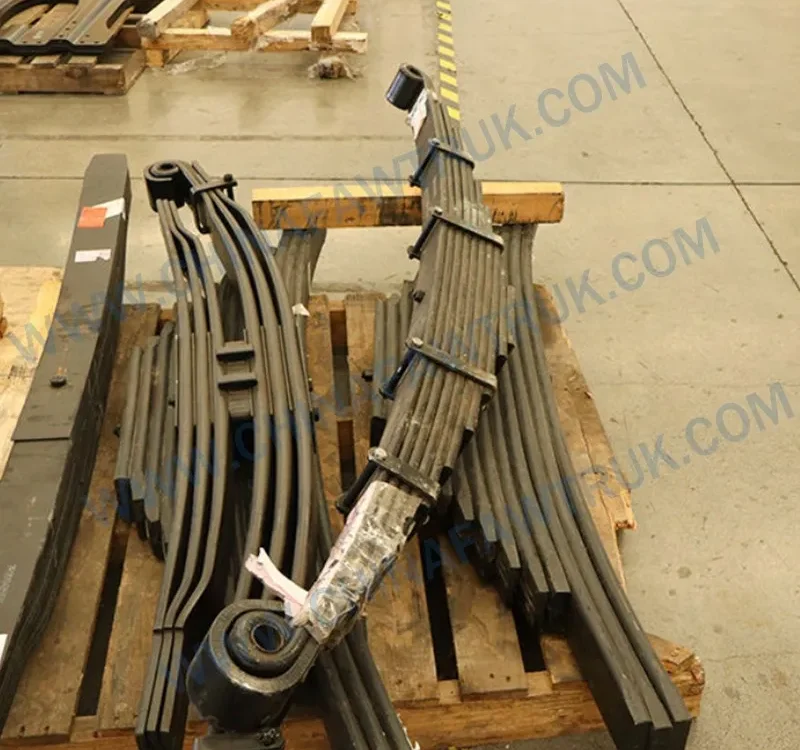
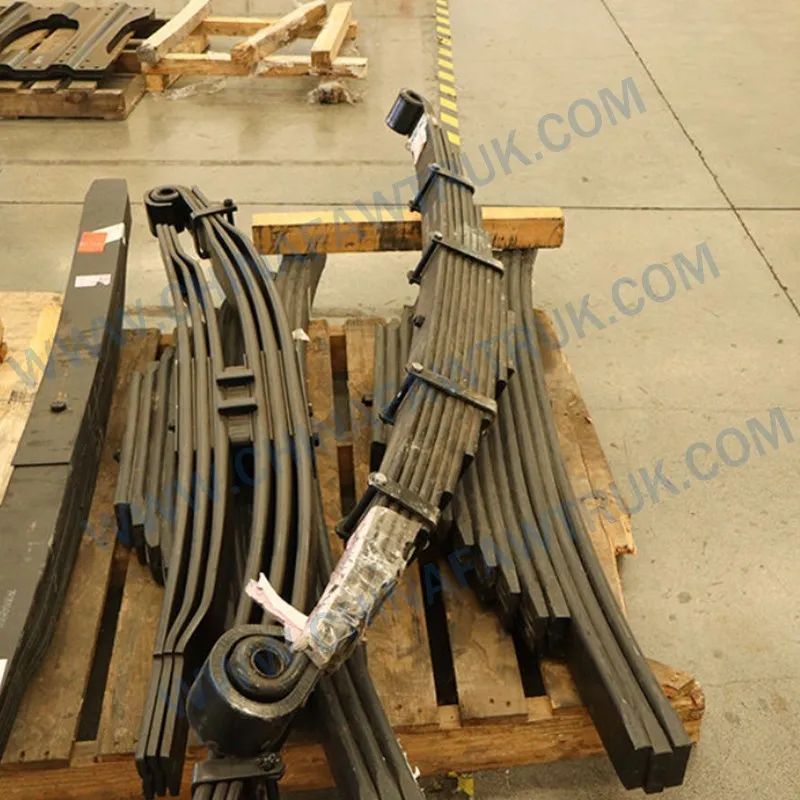
Peças FAW, incluindo o conjunto do bloco de cilindros, são embalados com cuidado para garantir uma entrega segura. Cada componente é protegido por materiais de proteção para evitar danos durante o transporte. A rede logística garante envios pontuais em todo o mundo, apoiando operações de manutenção eficientes. Abaixo está uma imagem ilustrando a embalagem padrão para peças de caminhão FAW, mostrando a atenção aos detalhes no manuseio e armazenamento.
Esta abordagem de embalagem minimiza o risco de corrosão ou danos por impacto, garantindo que peças como o conjunto do bloco de cilindros FAW cheguem em perfeitas condições. Os clientes podem confiar na logística da FAW para obter qualidade e confiabilidade consistentes.