Virabrequim Russo FAW: 13 Componentes Críticos para Torque Ártico Imparável
O Virabrequim Russo FAW é a espinha dorsal do trem de força CA3250P66K24L1TE5Z, convertendo a força do pistão em energia rotacional que impulsiona cargas pesadas através da tundra russa congelada. Este conjunto inclui tecnologias sofisticadas de amortecimento e vedação projetadas para suportar contrações térmicas extremas. Este guia disseca o volante, amortecedor, e engrenagens essenciais para manter o equilíbrio do motor em condições abaixo de zero.
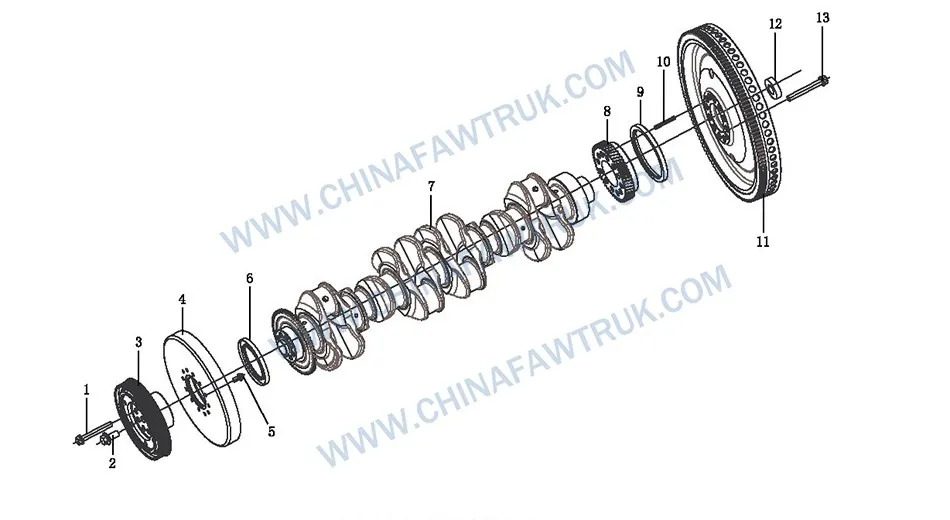
Virabrequim Russo FAW
Controle Harmônico: A arquitetura front-end
A longevidade do Virabrequim Russo FAW depende muito de sua capacidade de gerenciar vibrações torcionais. O principal componente desta defesa é o Conjunto de amortecedor de óleo de silicone (Parte não. 1005195-81D). Ao contrário dos amortecedores de borracha sólida, que podem tornar-se quebradiços e rachar em temperaturas abaixo de -40°C, esta unidade cheia de fluido utiliza um fluido de silicone de alta viscosidade. Este fluido mantém suas propriedades de amortecimento mesmo em frio extremo, absorvendo as forças de torção geradas pelos pulsos de disparo do motor de seis cilindros e evitando falhas por fadiga do virabrequim.
Fixando este amortecedor pesado ao nariz do Virabrequim Russo FAW requer fixadores de alta resistência. A montagem utiliza oito Parafusos amortecedores (Parte não. 1005048-53D). Esses parafusos estão sujeitos a cargas de cisalhamento constantes e aceleração rotacional. Usar parafusos de qualidade padrão aqui é uma receita para o desastre; se eles cisalhassem, o amortecedor pode se soltar, causando danos catastróficos ao radiador e à tampa de distribuição dianteira. A aplicação correta do torque nesses parafusos é fundamental para garantir que o amortecedor atue como uma massa unificada com a manivela.
Acionado pelo nariz do virabrequim é o Polia de correia Poly-V (Parte não. 1005046A81D). Esta polia alimenta o ventilador, alternador, e bomba de água. No Virabrequim Russo FAW conjunto, esta polia é balanceada com precisão para garantir que não induza vibrações secundárias. O acabamento superficial das ranhuras da polia é tratado para resistir à corrosão causada pelo sal da estrada e pela umidade, garantindo que a correia não escorregue durante a demanda de alta carga de uma partida fria no inverno, quando o alternador está funcionando na capacidade máxima.
Engrenagem de precisão: Sincronização de tempo e bomba de óleo
Atrás da capa, o Virabrequim Russo FAW aciona os sistemas vitais do motor através de uma série de engrenagens robustas. O Equipamento de tempo do eixo de manivela (Parte não. 1005037-81D) é encaixado no bocal do virabrequim. Esta engrenagem é responsável por sincronizar a árvore de cames e a bomba injetora. Na especificação russa, a metalurgia desta engrenagem é endurecida para resistir ao desgaste dos dentes causado pela folga de alto torque que ocorre durante a marcha lenta a frio. Qualquer desgaste aqui altera o tempo de injeção, levando a partidas difíceis e fumaça branca.
Adjacente à engrenagem de distribuição está o Conjunto de engrenagem da bomba de óleo do virabrequim (Parte não. 1005015-81D). Este componente é sem dúvida o acionamento auxiliar mais crítico em todo o Virabrequim Russo FAW sistema. Ele aciona a bomba de óleo que lubrifica os mancais principais. O perfil da engrenagem foi projetado para operação silenciosa e máxima área de contato. Se esta engrenagem falhar ou escorregar, a pressão do óleo cai instantaneamente, levando a um motor emperrado. A tolerância de ajuste por pressão desta engrenagem no munhão do virabrequim é medida em mícrons para evitar deslizamento sob carga.
O alinhamento preciso dessas engrenagens é mantido pelo Pino-guia da engrenagem motriz e do volante (Parte não. 1005031-29D). Embora pequeno, este pino garante que a engrenagem de distribuição esteja indexada corretamente em relação ao ponto morto superior (TDC). No Virabrequim Russo FAW conjunto, este pino deve resistir às forças de cisalhamento durante a desaceleração rápida do motor. Ele atua como ponto de referência mecânico para toda a lógica de temporização do motor, garantindo que os eventos das válvulas e a injeção de combustível ocorram no milissegundo preciso necessário para a combustão.
Arquitetura de Vedação: Prevenindo a perda de petróleo no frio do Ártico
A retenção do óleo do motor em temperaturas abaixo de zero é um desafio de engenharia significativo para o Virabrequim Russo FAW. A frente do motor é vedada pelo Conjunto de vedação de óleo dianteiro do virabrequim (Parte não. 1005050-53D). Esta vedação apresenta um material de lábio especializado, frequentemente PTFE ou Viton, projetado para permanecer flexível a -40°C. As vedações de borracha padrão endureceriam e sulcariam a superfície de vedação do virabrequim, levando a vazamentos. Este conjunto inclui uma borda contra poeira para evitar que areia da estrada e lama de gelo entrem no motor e danifiquem a borda primária do retentor de óleo..
No final da transmissão, o Conjunto de vedação de óleo traseiro do virabrequim (Parte não. 1005060-53D) lida com uma superfície de vedação de diâmetro muito maior. Esta vedação é crítica porque sua substituição requer a separação da transmissão do motor – uma operação de grande trabalho. O Virabrequim Russo FAW utiliza uma vedação traseira tipo cassete nesta aplicação. Este projeto inclui uma luva de desgaste que gira com a manivela, o que significa que o lábio de vedação esfrega internamente contra a luva, em vez do caro munhão do virabrequim em si, protegendo o eixo de ranhuras de desgaste ao longo do tempo.
A integridade destes selos é vital para o Virabrequim Russo FAW ambiente. Um vazamento na vedação principal traseira pode contaminar o disco da embreagem, causando deslizamento e falha em rampas íngremes e geladas. Portanto, a tolerância de fabricação da caixa de vedação e o acabamento superficial dos munhões do virabrequim são inspecionados de acordo com padrões rigorosos. Os operadores de frota na Rússia priorizam o uso destes genuínos, vedações classificadas para clima frio para evitar o tempo de inatividade associado “molhado” caixas de sinos e fome de petróleo.
Inércia e Transmissão: O conjunto do volante
A extremidade de saída do Virabrequim Russo FAW é dominado pela enorme Conjunto do volante (Parte não. 1005120-73D). Este componente de ferro fundido desempenha três funções: ele carrega a coroa do motor de partida, fornece uma superfície de fricção para a embreagem, e atua como um reservatório de energia para suavizar os pulsos de potência do motor. A massa térmica deste volante é calculada para absorver o calor gerado pelo deslizamento da embreagem durante lançamentos pesados em neve profunda, sem empenamento ou verificação de calor.
Protegendo esta pesada massa rotativa estão 12 de alta resistência Parafusos do volante (Parte não. 1005071-81D). Estes são fixadores de torque para rendimento que devem ser apertados em um padrão estrela específico. No Virabrequim Russo FAW conjunto, esses parafusos sofrem imensa tensão de cisalhamento toda vez que a embreagem é engatada. A reutilização de parafusos antigos é estritamente proibida, pois eles esticam durante a instalação inicial; parafusos reutilizados podem quebrar, fazendo com que o volante se solte – uma falha catastrófica que pode destruir a carcaça da transmissão e o bloco do motor.
Embutido no centro do volante está o Rolamento dianteiro do eixo piloto (Parte não. 60305), frequentemente chamado de rolamento piloto. Este rolamento suporta a ponta do eixo de entrada da transmissão. Embora pequeno, é crucial para o Virabrequim Russo FAW sistema. Um rolamento piloto emperrado manterá o eixo de transmissão girando mesmo quando a embreagem estiver pressionada, impossibilitando as mudanças de marcha. O rolamento FAW genuíno usa uma graxa de baixa temperatura que não solidifica no inverno russo, garantindo mudanças suaves a partir de uma partida a frio.
Lista detalhada de componentes
A tabela a seguir lista os componentes específicos do Virabrequim Russo FAW e montagem do volante. A identificação correta dessas peças é essencial para garantir o equilíbrio do motor e a integridade da vedação durante os procedimentos de revisão do CA3250P66K24L1TE5Z.
| Não. |
Número da peça |
Nome da peça |
Quantidade |
| 1 |
1005048-53D |
Parafuso amortecedor |
8 |
| 2 |
Q1862040 (HB) |
Parafuso de flange hexadecimal – Série ampliada |
1 |
| 3 |
1005046A81D |
Polia de correia Poly-V |
1 |
| 4 |
1005195-81D |
Conjunto de amortecedor de óleo de silicone |
1 |
| 5 |
Q1841020 |
Parafuso de flange hexadecimal (Haste Grossa/Padrão) |
12 |
| 6 |
1005050-53D |
Conjunto de vedação de óleo dianteiro do virabrequim |
1 |
| 7 |
1005015-81D |
Conjunto de engrenagem da bomba de óleo do virabrequim |
1 |
| 8 |
1005037-81D |
Equipamento de tempo do eixo de manivela |
1 |
| 9 |
1005060-53D |
Conjunto de vedação de óleo traseiro do virabrequim |
1 |
| 10 |
1005031-29D |
Pino-guia da engrenagem motriz e do volante |
1 |
| 11 |
1005120-73D |
Conjunto do volante |
1 |
| 12 |
60305 |
Rolamento dianteiro do eixo piloto |
1 |
| 13 |
1005071-81D |
Parafuso do volante |
12 |
Protocolos de diagnóstico para a montagem rotativa
Inspecionando o Virabrequim Russo FAW montagem requer atenção aos detalhes. O Conjunto de amortecedor de óleo de silicone deve ser verificado visualmente quanto a vazamentos. Qualquer sinal de vazamento de fluido viscoso do alojamento do amortecedor indica falha; um amortecedor comprometido permitirá vibrações harmônicas perigosas que podem quebrar o virabrequim. Adicionalmente, verifique se há rachaduras na área de vedação de borracha, embora o fluido interno seja o principal meio de amortecimento.
Vazamentos de óleo na parte dianteira ou traseira do motor geralmente indicam falha do Conjunto de vedação de óleo dianteiro do virabrequim ou vedação traseira. Em climas frios, verifique se o sistema de respiro está bloqueado por gelo, pois a alta pressão do cárter pode forçar o óleo a passar até mesmo por uma vedação saudável. Se as vedações forem substituídas, certifique-se de que a superfície do munhão do virabrequim esteja polida e livre de rebarbas para evitar danos imediatos ao novo lábio de vedação.
Finalmente, inspecionar o Conjunto do volante superfície de fricção durante substituições de embreagem. Verificação de calor ou rachaduras indicam sobrecarga. Certifique-se de que Parafusos do volante são apertados de acordo com a especificação usando uma chave calibrada. Parafusos soltos podem causar vibração que imita falha no rolamento do motor. Verifique sempre o Rolamento dianteiro do eixo piloto para rotação suave; uma sensação áspera requer substituição para proteger o eixo de entrada da transmissão.
Conclusão: A base da vida útil do motor
O Virabrequim Russo FAW é o componente fundamental sobre o qual toda a confiabilidade do motor é construída. Ele gerencia as forças brutais de combustão e as converte em energia utilizável. Cada componente anexado a ele, do Conjunto de amortecedor de óleo de silicone para o Conjunto do volante, desempenha um papel vital no equilíbrio dessas forças e na garantia do bom funcionamento.
Para proprietários de frotas que operam no ambiente implacável da Federação Russa, usar peças genuínas FAW é a única maneira de garantir a longevidade. As vedações de reposição podem congelar e vazar, e amortecedores genéricos podem não conseguir reter vibrações harmônicas. Ao manter o Virabrequim Russo FAW com componentes OEM, você garante que seu caminhão basculante CA3250P66K24L1TE5Z continue sendo um ativo confiável, capaz de conquistar as estradas de inverno mais difíceis.
Embalagem e Logística
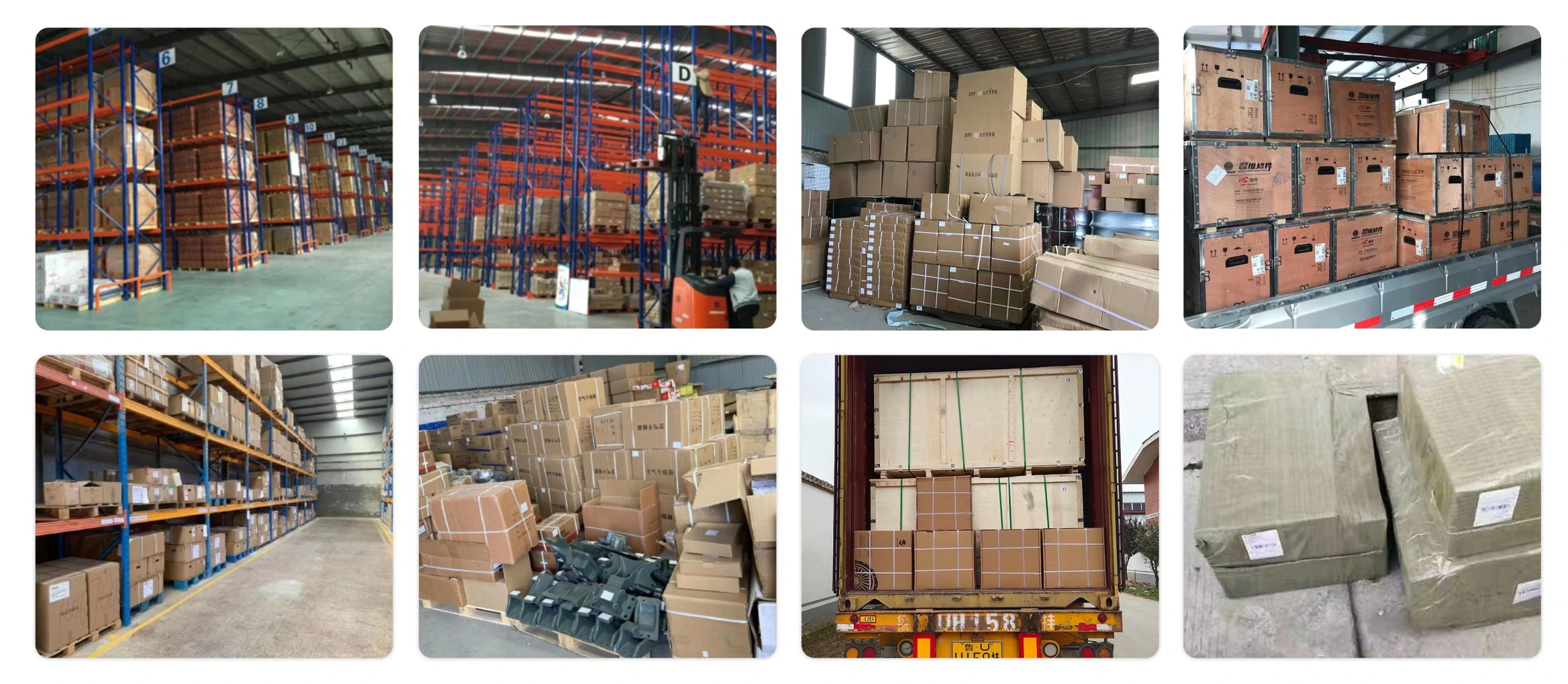
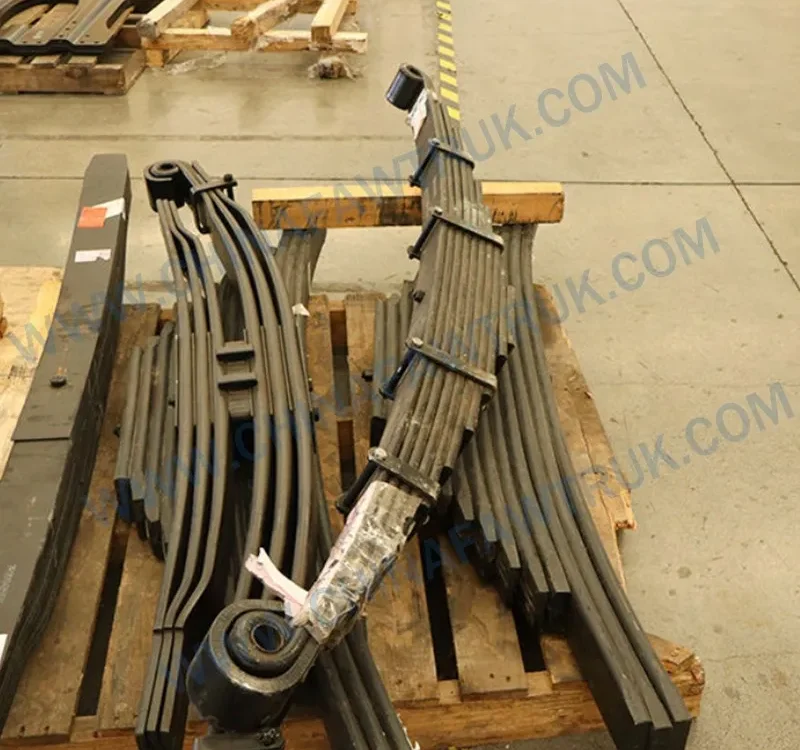
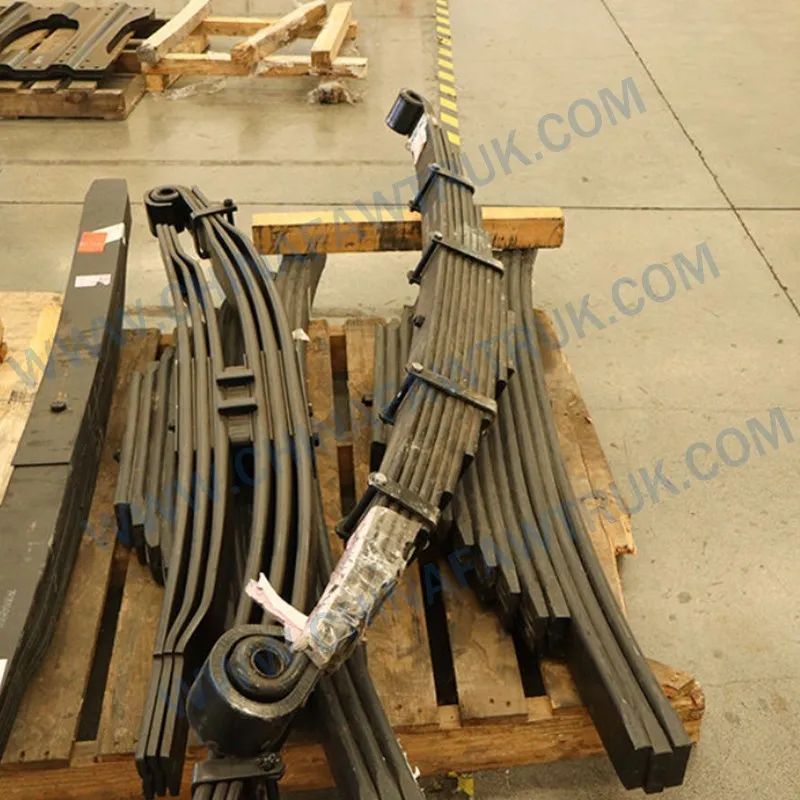
Peças FAW, incluindo o conjunto do bloco de cilindros, são embalados com cuidado para garantir uma entrega segura. Cada componente é protegido por materiais de proteção para evitar danos durante o transporte. A rede logística garante envios pontuais em todo o mundo, apoiando operações de manutenção eficientes. Abaixo está uma imagem ilustrando a embalagem padrão para peças de caminhão FAW, mostrando a atenção aos detalhes no manuseio e armazenamento.
Esta abordagem de embalagem minimiza o risco de corrosão ou danos por impacto, garantindo que peças como o conjunto do bloco de cilindros FAW cheguem em perfeitas condições. Os clientes podem confiar na logística da FAW para obter qualidade e confiabilidade consistentes.