Bague à ressort avant russe FAW: 5 Composants critiques pour la dynamique de suspension articulée
Le Bague à ressort avant russe FAW assemblée (techniquement connu sous le nom d'assemblage de manille) est l'interface de pivot dynamique pour la suspension avant du camion-benne CA3250P66K24L1TE5Z. Il facilite le changement nécessaire de la longueur du ressort à lames pendant les cycles de compression et de rebond.. Conçu pour la nature sauvage de Sibérie, cet assemblage combine des broches en acier trempé avec des pièces moulées robustes pour empêcher le grippage de la suspension à -50°C. Ce guide analyse la géométrie de la manille, la logique de lubrification, et le système de fixation à fort cisaillement qui définit ce nœud de suspension essentiel.

Bague à ressort avant russe FAW
Architecture des manilles et mouvement cinétique
L'élément central du Bague à ressort avant russe FAW le système est la manille – Ressort de la feuille avant (Partie no. 2902466-50UN). Cette pièce moulée robuste fait office de lien oscillant entre le cadre du châssis et l'œil arrière du ressort à lames avant.. Lorsque le camion traverse un terrain accidenté, le ressort à lames s'aplatit et s'allonge efficacement. Le Bague à ressort avant russe FAW s'adapte à cet allongement en pivotant vers l'arrière. Sans cette articulation, le ressort se lierait, transférer des charges de choc massives directement sur le cadre et potentiellement casser le vantail principal.
Le “50UN” le suffixe dans le numéro de pièce indique une métallurgie spécifique adaptée à la ductilité par temps froid. Dans l'Arctique russe, la fonte standard peut devenir cassante et sujette à la fracture sous l'impact. Le Bague à ressort avant russe FAW la manille est fabriquée à partir d'une fonte nodulaire de haute qualité ou d'un acier moulé qui conserve sa ténacité même à des températures extrêmement basses. Cela garantit que la suspension reste conforme et sûre, empêcher le détachement catastrophique de l'essieu lors de déplacements à grande vitesse sur des routes de transport gelées.
Le dessin géométrique du Bague à ressort avant russe FAW la manille est optimisée pour empêcher “inversion.” L'inversion se produit lorsque la manille dépasse son point central lors d'un affaissement extrême de la suspension. (Par exemple, lorsque le camion saute ou est soulevé). La conception FAW intègre des butées physiques ou des limites géométriques pour garantir que la manille revient toujours à son angle de fonctionnement correct.. Cette fiabilité est cruciale pour maintenir la hauteur de caisse et la géométrie de direction correctes du véhicule..
La résistance à l’usure est une autre caractéristique clé. L'alésage du Bague à ressort avant russe FAW la manille est usinée selon des tolérances précises pour accepter les broches de montage. Au fil du temps, la boue abrasive de boue et de glace trouvée dans les environnements miniers peut user ces alésages ovales. Le Bague à ressort avant russe FAW la conception permet une épaisseur de matériau suffisante pour résister à des années d'abrasion avant qu'un remplacement ne soit nécessaire, réduire le coût total de possession pour les exploitants de flotte.
Technologie des broches et transfert de charge
L'action de pivotement du Bague à ressort avant russe FAW s'appuie sur le Pin – Support avant de ressort à lames avant (Partie no. 2902471-69UN). Ces broches servent d'essieux sur lesquels la manille oscille. Ils sont soumis à d'immenses forces de cisaillement, supportant le poids statique de l’avant du camion ainsi que les charges dynamiques générées par le freinage et les virages. Le Bague à ressort avant russe FAW les broches sont usinées à partir d'acier allié à haute résistance, meulé pour obtenir une finition miroir, et durci par induction pour résister à l'usure.
Le “69UN” la spécification implique un traitement de surface conçu pour résister à la corrosion et au grippage. Dans le Bague à ressort avant russe FAW assemblée, la goupille tourne légèrement dans la bague à chaque millimètre de débattement de la suspension. Si la surface de la broche est rugueuse ou corrodée, ça agit comme un fichier, détruisant rapidement la bague. La surface polie de la goupille FAW assure une faible friction et une longévité. En outre, les broches dans le Bague à ressort avant russe FAW système sont souvent chromés pour fournir un disque dur, surface lisse qui repousse l'humidité et empêche le grippage de la rouille.
Une installation correcte de ces broches est essentielle. Ils doivent être solidement verrouillés dans le support pour empêcher toute rotation par rapport au support lui-même.; la rotation ne doit avoir lieu qu'entre la goupille et la douille. Le Bague à ressort avant russe FAW la conception utilise généralement un boulon de verrouillage ou un agencement de goupille fendue (impliqué par la logique d'assemblage) pour immobiliser la goupille. Si la goupille tournait dans les trous du support, cela userait le support de châssis coûteux, nécessitant une réparation structurelle complexe.
Le diamètre du Bague à ressort avant russe FAW la goupille est calculée pour fournir un facteur de sécurité massif contre la rupture par cisaillement. Même en cas de situation de surcharge, comme le camion qui tombe dans une carrière, les broches sont conçues pour se plier plutôt que se casser. Ce mode de défaillance ductile fournit un avertissement à l'opérateur, généralement sous la forme d'une annonce du véhicule, plutôt qu'une perte immédiate de l'essieu., soulignant l'ingénierie axée sur la sécurité du Bague à ressort avant russe FAW.
Logique de lubrification: L'élément vital de l'articulation
La longévité du Bague à ressort avant russe FAW dépend entièrement d’une lubrification efficace. Le système utilise le graisseur à col incurvé (Partie no. CQ70145) pour délivrer la graisse du châssis directement dans la zone chargée de l'interface goupille-bague. La conception du col incurvé est un choix délibéré pour le Bague à ressort avant russe FAW, permettant aux techniciens de maintenance d'accéder au raccord avec un pistolet graisseur même lorsque la roue est tournée ou que la suspension est comprimée, qui autrement bloquerait un raccord droit.
Dans le froid extrême de la Russie, la graisse a tendance à s'épaissir et à se canaliser, ne pas recouvrir les pièces mobiles. Le Bague à ressort avant russe FAW les broches comportent généralement des canaux internes percés en croix qui répartissent la graisse fraîche uniformément sur toute la longueur de la bague. La pression de la graisse entrante remplit également une fonction secondaire: ça débusque le vieux, graisse contaminée, expulser l'eau, sable, et du sel de déneigement qui aurait pu engager le joint. Graissage régulier du Bague à ressort avant russe FAW est la tâche de maintenance préventive la plus importante.
Si le graisseur est obstrué ou endommagé (un phénomène courant dû aux projections de pierres), le joint fonctionnera à sec.. Un sec Bague à ressort avant russe FAW le joint génère une chaleur et une friction intenses, conduisant à un grippage métal sur métal. Une fois saisi, la suspension ne peut pas articuler, provoquant une conduite difficile et transmettant des charges de choc dommageables au châssis. Donc, la simple tétine CQ70145 est le gardien de l'ensemble Bague à ressort avant russe FAW la santé de l’assemblée.
Les gestionnaires de flotte opérant dans des conditions arctiques optent souvent pour des graisses synthétiques basse température (NLGI 0 ou 00) pour le Bague à ressort avant russe FAW. Ces lubrifiants restent fluides à -40°C, garantir que la résistance critique du film est maintenue pendant les premiers kilomètres de fonctionnement après un trempage à froid. La conception du Bague à ressort avant russe FAW est compatible avec ces lubrifiants avancés, garantissant des performances fiables dans tous les climats.
Fixation Sécurité et Assemblage
L'intégrité structurelle du Bague à ressort avant russe FAW l'assemblage est sécurisé par des attaches à haute résistance. Le boulon de tête hexagone (Partie no. CQ1511280) et l'écrou hexagonal (Partie no. CQ34112) sont utilisés pour serrer les composants de la manille ou verrouiller les broches en place. Ce ne sont pas des boulons de quincaillerie standard; ils sont de qualité 8.8 ou 10.9 fixations conçues pour résister à des charges de cisaillement et de traction importantes. Dans le Bague à ressort avant russe FAW application, l'étirement des boulons et la rétention du couple sont essentiels.
Les vibrations sont un ennemi constant dans les opérations des camions à benne basculante. Les noix utilisées dans le Bague à ressort avant russe FAW les assemblages comportent souvent des filetages autobloquants ou sont associés à des rondelles de blocage pour éviter tout recul. Un boulon desserré dans l'ensemble de manille peut permettre à la goupille de migrer, conduisant à l'effondrement de la suspension. Donc, contrôles de couple sur le Bague à ressort avant russe FAW les fixations doivent faire partie de chaque intervalle d’entretien programmé.
La logique d'assemblage du Bague à ressort avant russe FAW permet une maintenance sur le terrain. Contrairement aux assemblages rivetés, la construction boulonnée signifie que les composants usés individuels, comme les goupilles ou les plaques à manilles, peut être remplacé sans retirer tout le jeu de ressorts. Cette modularité est un avantage non négligeable pour le Bague à ressort avant russe FAW, réduisant les temps d'arrêt et les coûts de réparation pour les opérateurs travaillant dans des endroits éloignés où la disponibilité des pièces peut être limitée.
Lors de la reconstruction du Bague à ressort avant russe FAW, il est impératif de remplacer les boulons et écrous. La réutilisation de fixations qui ont été soumises à des années de cycles de contrainte et de corrosion introduit un maillon faible dans le système.. De nouvelles fixations garantissent que les spécifications de force de serrage sont respectées, restaurer le Bague à ressort avant russe FAW à ses normes de fiabilité et de sécurité d'usine d'origine.
Répartition des composants: Ensemble logique de manille à ressort avant
| Non. |
Numéro de pièce |
Nom de la pièce |
Quantité |
| 1 | CQ34112 | Écrou hexagonal | 4 |
| 2 | CQ1511280 | Boulon à tête hexagonale | 4 |
| 3 | CQ70145 | Graisseur à col incurvé | 4 |
| 4 | 2902471-69UN | Épingle – Support avant de ressort à lames avant | 4 |
| 5 | 2902466-50UN | Manille – Ressort de la feuille avant | 2 |
Conclusion: Assurer l’articulation de la suspension
Le Bague à ressort avant russe FAW l’assemblage est le héros méconnu du système de suspension du camion. En permettant aux ressorts à lames de fléchir et de s'articuler, il absorbe les punitions de la route, protéger le châssis et le conducteur. L'intégration de robustes “50UN” moulages, endurci “69UN” épingles, et des points de lubrification accessibles créent un système capable de supporter les dures réalités de la logistique sibérienne.
Pour les professionnels de la maintenance, le Bague à ressort avant russe FAW nécessite une attention régulière. Garder les points de graissage purgés et vérifier le couple de fixation sont des étapes simples qui évitent des pannes complexes et coûteuses.. En utilisant des pièces d'origine FAW pour le remplacement, les opérateurs veillent à ce que la métallurgie spécifique et la précision dimensionnelle de la conception originale soient conservées, garantir la disponibilité du véhicule pour la prochaine charge lourde.
Emballage et logistique
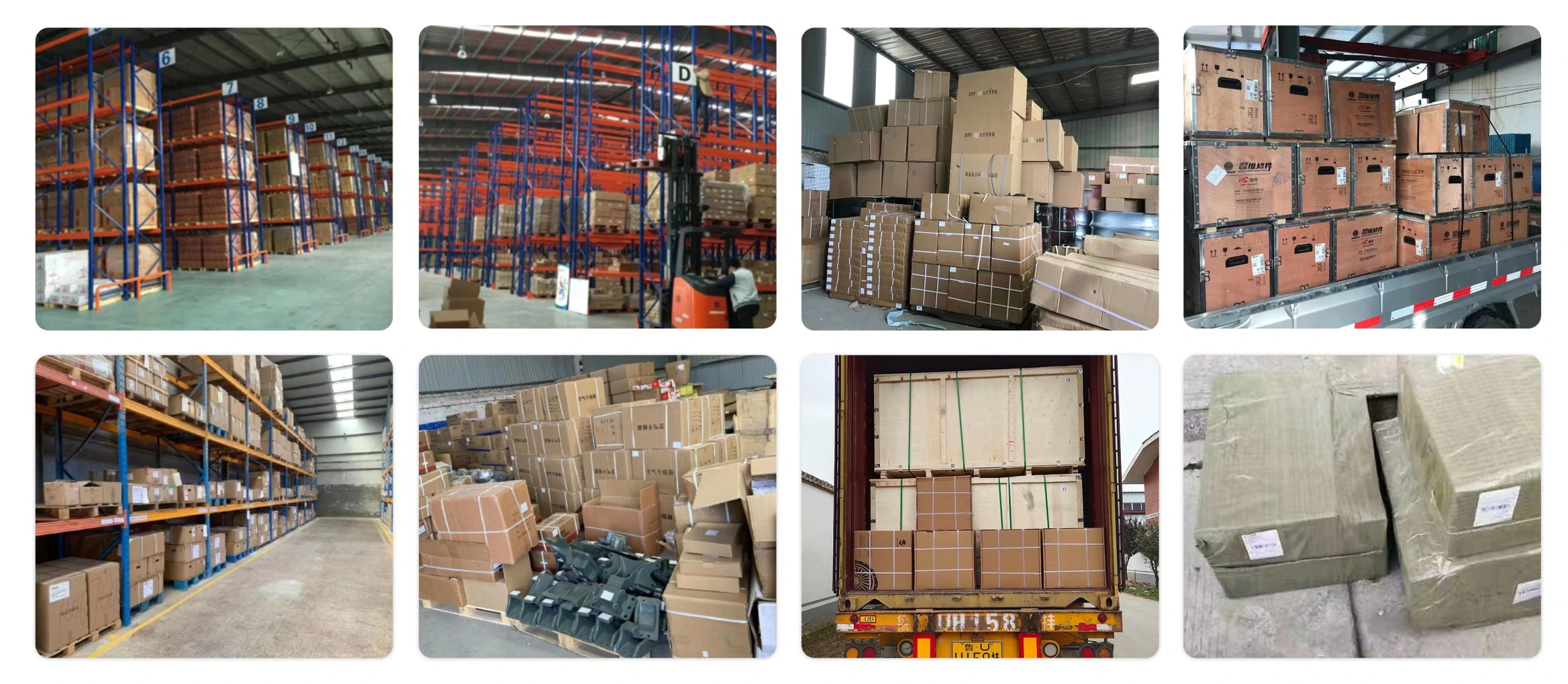
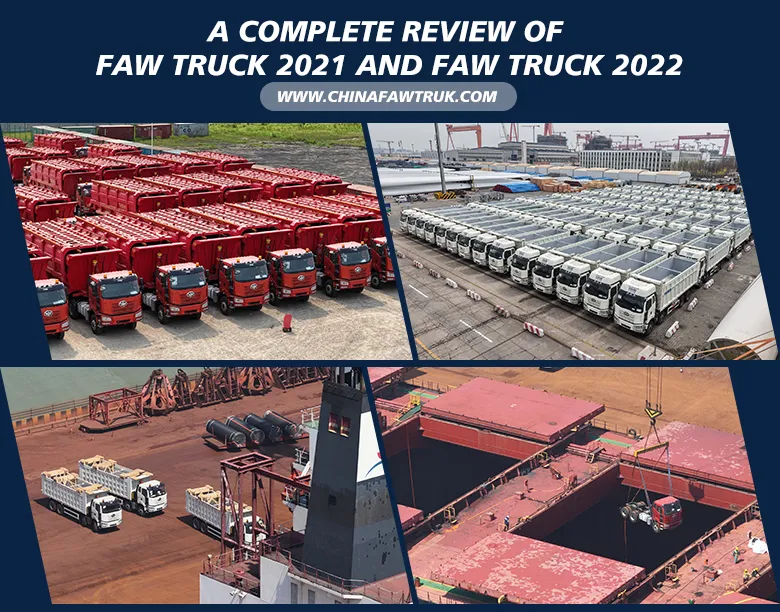
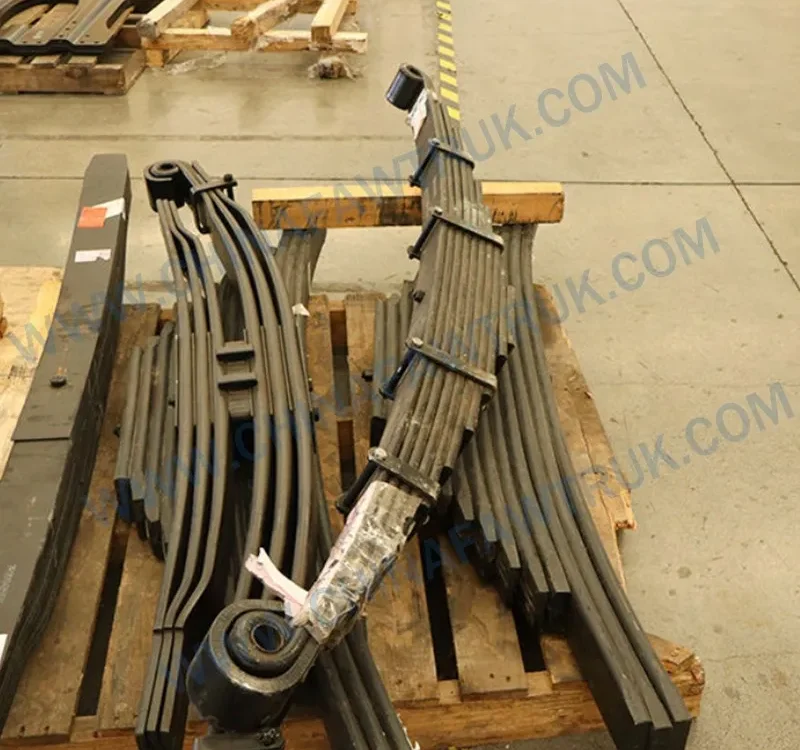
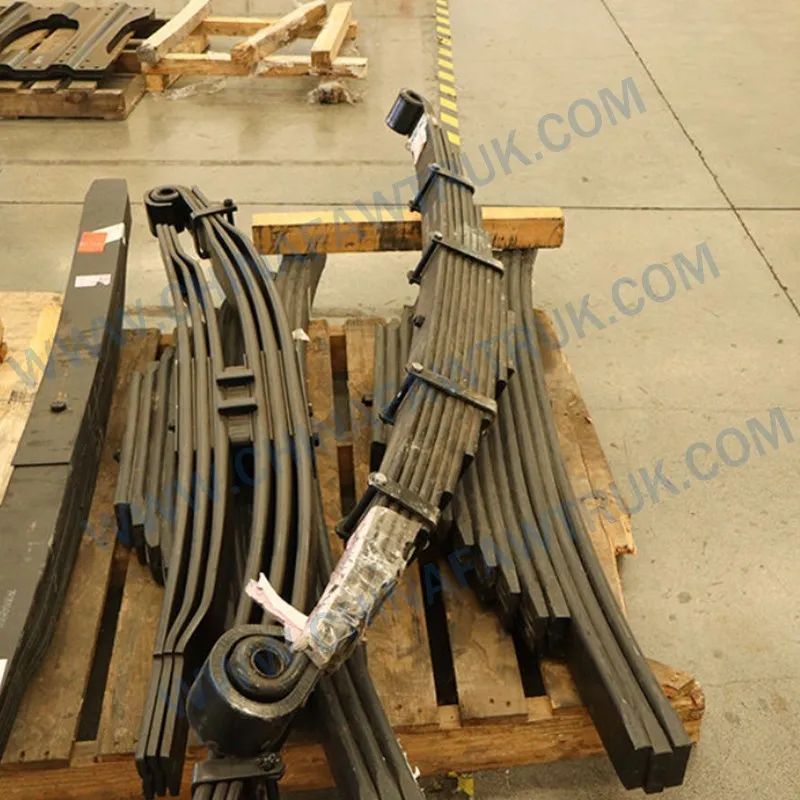
Pièces FAW, y compris l'ensemble bloc-cylindres, sont emballés avec soin pour garantir une livraison en toute sécurité. Chaque composant est sécurisé dans des matériaux de protection pour éviter tout dommage pendant le transport. Le réseau logistique garantit des expéditions ponctuelles dans le monde entier, soutenir des opérations de maintenance efficaces. Vous trouverez ci-dessous une image illustrant l'emballage standard des pièces de camion FAW., mettant en valeur l’attention portée aux détails dans la manipulation et le stockage.
Cette approche d'emballage minimise le risque de corrosion ou de dommages causés par les chocs., s'assurer que les pièces comme l'ensemble bloc-cylindres FAW arrivent en parfait état. Les clients peuvent compter sur la logistique de FAW pour une qualité et une fiabilité constantes.