Anel de mola frontal russo FAW: 5 Componentes Críticos para Dinâmica de Suspensão Articulada
O Anel de mola frontal russo FAW conjunto (tecnicamente conhecido como conjunto de manilha) é a interface de pivô dinâmico para a suspensão dianteira do caminhão basculante CA3250P66K24L1TE5Z. Facilita a mudança necessária no comprimento da mola de lâmina durante os ciclos de compressão e recuperação. Projetado para a natureza selvagem da Sibéria, este conjunto combina pinos de aço endurecido com peças fundidas robustas para evitar a ligação da suspensão a -50°C. Este guia analisa a geometria da manilha, a lógica da lubrificação, e o sistema de fixação de alto cisalhamento que define este nó essencial da suspensão.

Anel de mola frontal russo FAW
Arquitetura de manilha e movimento cinético
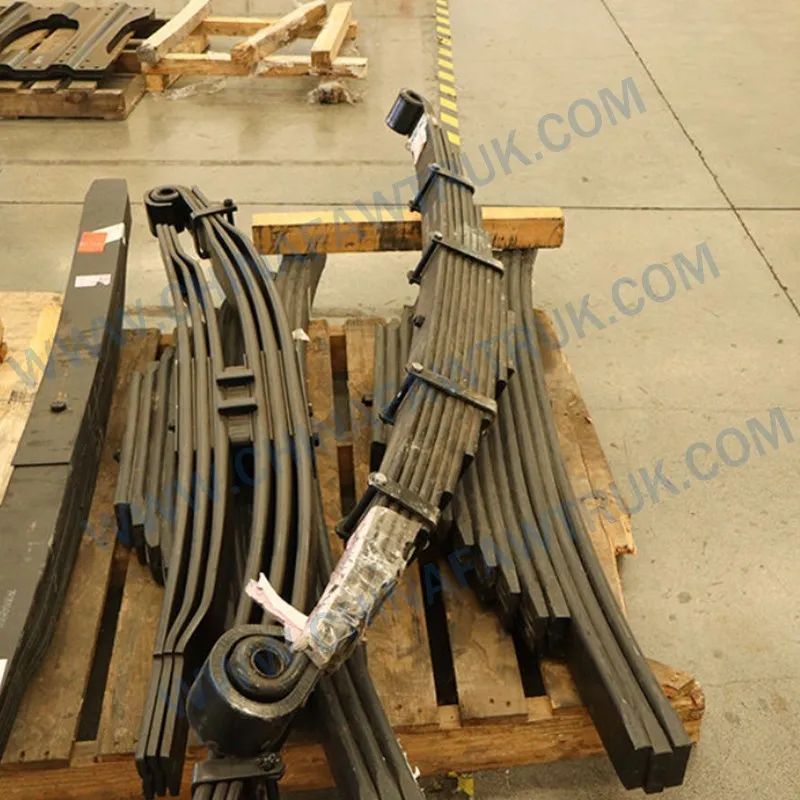
O componente central do Anel de mola frontal russo FAW sistema é a manilha – Mola da folha frontal (Parte não. 2902466-50A). Esta peça fundida para serviço pesado atua como elo oscilante entre a estrutura do chassi e o olhal traseiro da mola dianteira. À medida que o caminhão atravessa terreno irregular, a mola de lâmina achata e alonga efetivamente. O Anel de mola frontal russo FAW acomoda esse alongamento girando para trás. Sem essa articulação, a primavera ligaria, transferindo cargas de choque massivas diretamente para a estrutura e potencialmente quebrando a folha principal.
O “50A” sufixo no número da peça indica uma metalurgia específica adaptada para ductilidade em climas frios. No Ártico Russo, o ferro fundido padrão pode se tornar quebradiço e propenso a fraturar sob impacto. O Anel de mola frontal russo FAW a manilha é fabricada em ferro nodular ou aço fundido de alta qualidade que mantém sua resistência mesmo em temperaturas extremamente baixas. Isso garante que a suspensão permaneça compatível e segura, evitando o desprendimento catastrófico do eixo durante viagens em alta velocidade em estradas de transporte congeladas.
O desenho geométrico do Anel de mola frontal russo FAW a manilha é otimizada para evitar “inversão.” A inversão ocorre quando a manilha ultrapassa seu ponto central durante uma queda extrema da suspensão (Por exemplo, quando o caminhão salta ou é levantado). O design FAW incorpora paradas físicas ou limites geométricos para garantir que a manilha sempre retorne ao seu ângulo operacional correto. Esta confiabilidade é crucial para manter a altura correta do percurso e a geometria da direção do veículo.
A resistência ao desgaste é outra característica importante. O furo do Anel de mola frontal russo FAW a manilha é usinada com tolerâncias precisas para aceitar os pinos de montagem. Ao longo do tempo, a lama abrasiva de lama e gelo encontrada em ambientes de mineração pode desgastar esses furos ovais. O Anel de mola frontal russo FAW o design permite espessura de material suficiente para suportar anos de abrasão antes que a substituição seja necessária, reduzindo o custo total de propriedade para operadores de frota.
Tecnologia de pinos e transferência de carga
A ação pivotante do Anel de mola frontal russo FAW depende do Pin – Suporte dianteiro da mola de lâmina dianteira (Parte não. 2902471-69A). Esses pinos servem como eixos sobre os quais a manilha oscila. Eles estão sujeitos a imensas forças de cisalhamento, carregando o peso estático da extremidade dianteira do caminhão mais as cargas dinâmicas geradas pela frenagem e nas curvas. O Anel de mola frontal russo FAW os pinos são usinados em liga de aço de alta resistência, retificado para um acabamento espelhado, e endurecido por indução para resistir ao desgaste.
O “69A” especificação implica um tratamento de superfície projetado para resistir à corrosão e escoriações. No Anel de mola frontal russo FAW conjunto, o pino gira ligeiramente dentro da bucha a cada milímetro de curso da suspensão. Se a superfície do pino estiver áspera ou corroída, funciona como um arquivo, destruindo rapidamente a bucha. A superfície polida do pino FAW garante baixo atrito e longevidade. Além disso, os pinos no Anel de mola frontal russo FAW sistema são frequentemente cromados para fornecer um disco rígido, superfície lisa que repele a umidade e evita a ferrugem.
A instalação adequada desses pinos é crítica. Eles devem ser travados com segurança no suporte para evitar a rotação em relação ao próprio suporte; a rotação deve ocorrer apenas entre o pino e a bucha. O Anel de mola frontal russo FAW o projeto normalmente usa um parafuso de travamento ou um arranjo de contrapino (implícito na lógica de montagem) para imobilizar o pino. Se o pino girasse nos orifícios do suporte, isso desgastaria o caro suporte do chassi, necessitando de um reparo estrutural complexo.
O diâmetro do Anel de mola frontal russo FAW O pino é calculado para fornecer um enorme fator de segurança contra falha por cisalhamento. Mesmo em caso de situação de sobrecarga, como o caminhão caindo em uma pedreira, os pinos são projetados para dobrar em vez de quebrar. Este modo de falha dúctil fornece um aviso ao operador - geralmente na forma de um veículo tombado - em vez de uma perda imediata do eixo, destacando a engenharia que prioriza a segurança do Anel de mola frontal russo FAW.
Lógica de Lubrificação: A força vital da articulação
A longevidade do Anel de mola frontal russo FAW depende inteiramente de uma lubrificação eficaz. O sistema utiliza o bocal de graxa de pescoço curvo (Parte não. CQ70145) para fornecer graxa do chassi diretamente para a zona carregada da interface do pino e da bucha. O design do pescoço curvo é uma escolha deliberada para o Anel de mola frontal russo FAW, permitindo que os técnicos de manutenção acessem a conexão com uma pistola de graxa mesmo quando a roda está girada ou a suspensão está comprimida, que de outra forma bloquearia um encaixe reto.
No frio extremo da Rússia, a graxa tende a engrossar e canalizar, não revestindo as partes móveis. O Anel de mola frontal russo FAW os pinos normalmente apresentam canais internos perfurados que distribuem a graxa fresca uniformemente ao longo do comprimento da bucha. A pressão da graxa que entra também tem uma função secundária: isso libera o velho, graxa contaminada, expulsando a água, areia, e sal rodoviário que pode ter envolvido a vedação. Lubrificação regular do Anel de mola frontal russo FAW é a tarefa de manutenção preventiva mais importante.
Se o bico de lubrificação ficar entupido ou danificado – uma ocorrência comum devido a pedras voadoras – a junta secará. Um seco Anel de mola frontal russo FAW articulação gera intenso calor e fricção, levando à apreensão de metal com metal. Uma vez apreendido, a suspensão não consegue articular, causando uma condução difícil e transmitindo cargas de choque prejudiciais ao chassi. Portanto, o bico simples CQ70145 é o guardião de todo Anel de mola frontal russo FAW saúde da assembleia.
Os gestores de frota que operam em condições árticas frequentemente mudam para graxas sintéticas para baixas temperaturas (NLGI 0 ou 00) para o Anel de mola frontal russo FAW. Esses lubrificantes permanecem fluidos a -40°C, garantindo que a resistência crítica do filme seja mantida durante os primeiros quilômetros de operação após uma imersão a frio. O desenho do Anel de mola frontal russo FAW é compatível com esses lubrificantes avançados, garantindo desempenho confiável em qualquer clima.
Fixação de segurança e montagem
A integridade estrutural do Anel de mola frontal russo FAW a montagem é fixada por fixadores de alta resistência. O parafuso da cabeça do hexágono (Parte não. CQ1511280) e a porca hexagonal (Parte não. CQ34112) são usados para prender os componentes da manilha ou travar os pinos no lugar. Estes não são parafusos padrão de loja de ferragens; eles são de grau 8.8 ou 10.9 fixadores projetados para suportar cargas significativas de cisalhamento e tração. No Anel de mola frontal russo FAW aplicativo, o estiramento do parafuso e a retenção do torque são críticos.
A vibração é um inimigo constante nas operações de caminhões basculantes. As nozes utilizadas no Anel de mola frontal russo FAW a montagem geralmente apresenta roscas autotravantes ou é combinada com arruelas de pressão para evitar recuo. Um parafuso solto no conjunto da manilha pode permitir que o pino migre, levando ao colapso da suspensão. Portanto, verificações de torque no Anel de mola frontal russo FAW os fixadores devem fazer parte de todos os intervalos de manutenção programados.
A lógica de montagem do Anel de mola frontal russo FAW permite a manutenção em campo. Ao contrário dos conjuntos rebitados, a construção aparafusada significa que componentes individuais desgastados, como os pinos ou as placas de manilha, pode ser substituído sem remover todo o conjunto de molas. Esta modularidade é uma vantagem significativa para o Anel de mola frontal russo FAW, reduzindo o tempo de inatividade e os custos de reparo para operadores que trabalham em locais remotos onde a disponibilidade de peças pode ser limitada.
Ao reconstruir o Anel de mola frontal russo FAW, é imperativo substituir os parafusos e porcas. A reutilização de fixadores que foram submetidos a anos de estresse e ciclos de corrosão introduz um elo fraco no sistema. Novos fixadores garantem que a especificação da força de fixação seja atendida, restaurando o Anel de mola frontal russo FAW de acordo com seus padrões originais de confiabilidade e segurança de fábrica.
Divisão de Componentes: Conjunto lógico da manilha da mola frontal
| Não. |
Número da peça |
Nome da peça |
Quantidade |
| 1 | CQ34112 | Noz hexágono | 4 |
| 2 | CQ1511280 | Parafuso de cabeça hexagonal | 4 |
| 3 | CQ70145 | Bocal curvo para lubrificação do pescoço | 4 |
| 4 | 2902471-69A | Alfinete – Suporte dianteiro da mola de lâmina dianteira | 4 |
| 5 | 2902466-50A | Algema – Mola da folha frontal | 2 |
Conclusão: Garantindo a Articulação da Suspensão
O Anel de mola frontal russo FAW a montagem é o herói anônimo do sistema de suspensão do caminhão. Ao permitir que as molas de lâmina flexionem e articulem, absorve o castigo da estrada, protegendo o chassi e o motorista. A integração de robustos “50A” peças fundidas, endurecido “69A” alfinetes, e pontos de lubrificação acessíveis criam um sistema capaz de suportar as duras realidades da logística siberiana.
Para profissionais de manutenção, o Anel de mola frontal russo FAW requer atenção regular. Manter os pontos de lubrificação purgados e verificar o torque do fixador são passos simples que evitam falhas complexas e dispendiosas. Usando peças genuínas FAW para substituição, os operadores garantem que a metalurgia específica e a precisão dimensional do projeto original sejam mantidas, garantindo a prontidão do veículo para a próxima carga pesada.
Embalagem e Logística
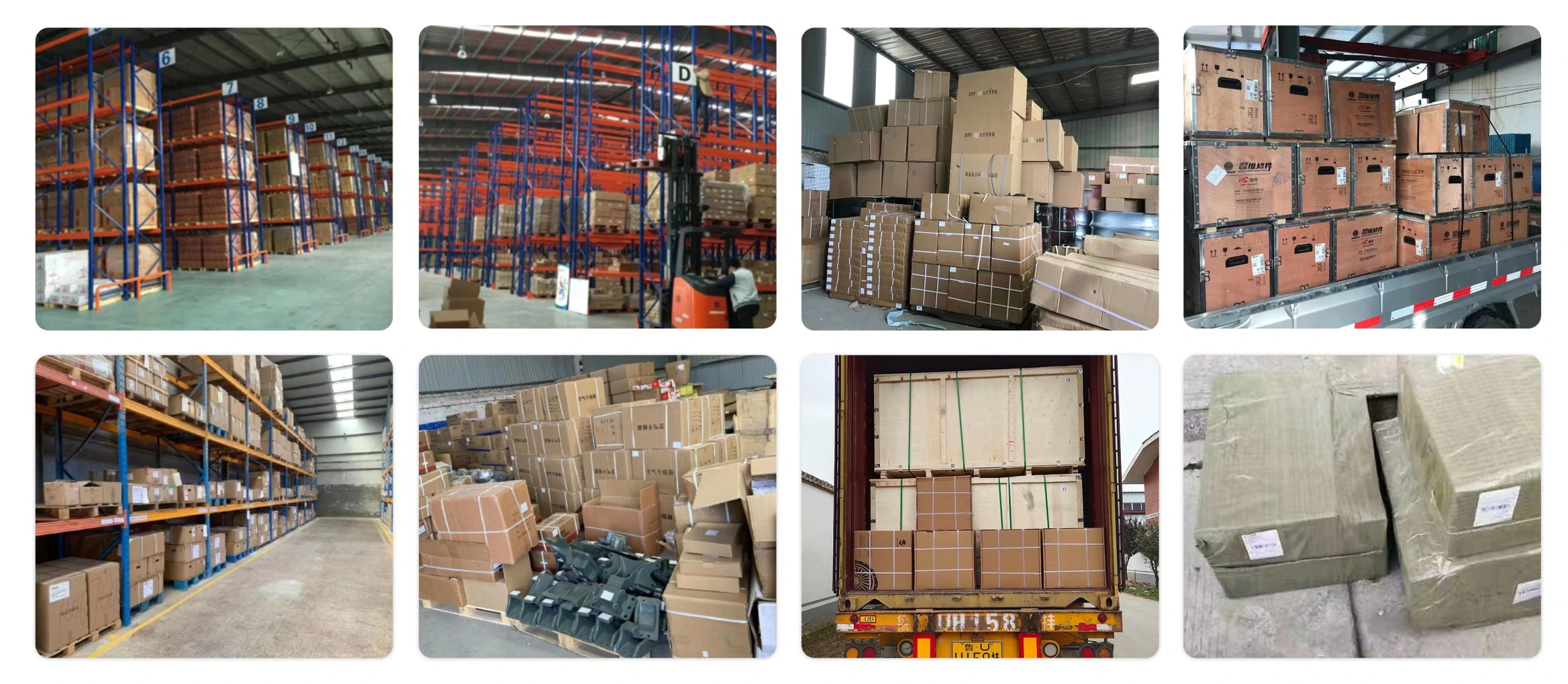
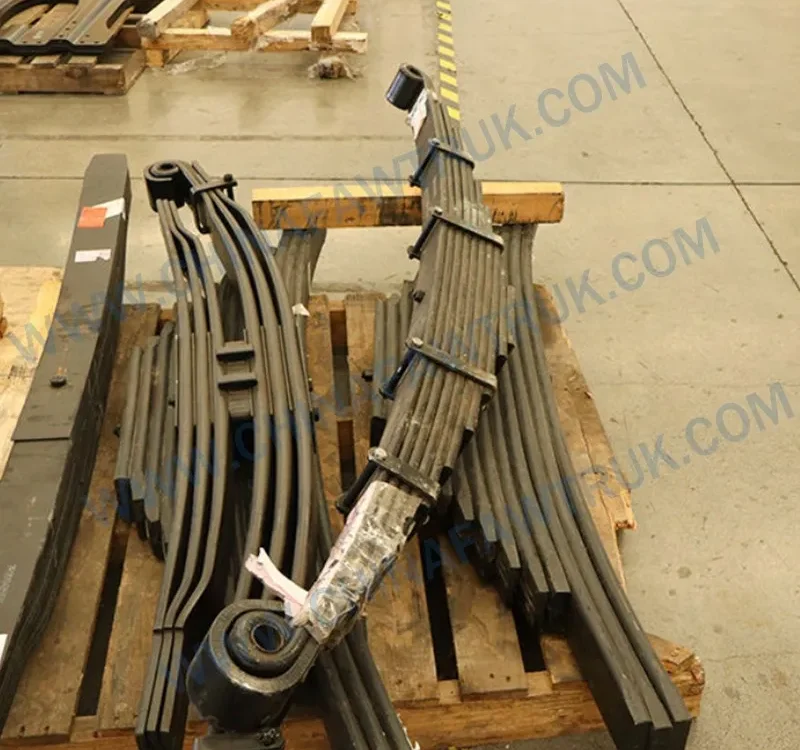
Peças FAW, incluindo o conjunto do bloco de cilindros, são embalados com cuidado para garantir uma entrega segura. Cada componente é protegido por materiais de proteção para evitar danos durante o transporte. A rede logística garante envios pontuais em todo o mundo, apoiando operações de manutenção eficientes. Abaixo está uma imagem ilustrando a embalagem padrão para peças de caminhão FAW, mostrando a atenção aos detalhes no manuseio e armazenamento.
Esta abordagem de embalagem minimiza o risco de corrosão ou danos por impacto, garantindo que peças como o conjunto do bloco de cilindros FAW cheguem em perfeitas condições. Os clientes podem confiar na logística da FAW para obter qualidade e confiabilidade consistentes.