Filtre à huile centrifuge russe FAW: 3 Composants essentiels pour une élimination supérieure de la suie
Le Filtre à huile centrifuge russe FAW est l'étape de filtration secondaire ultime pour le moteur CA3250P66K24L1TE5Z. Contrairement aux filtres standards, cette centrifugeuse utilise la physique rotationnelle pour capturer les particules de suie submicroniques, prolonger considérablement la durée de vie de l'huile. Ce guide explore la logique de montage et l’architecture d’étanchéité de l’assemblage, essentiel pour maintenir la pureté du moteur dans l’environnement logistique russe difficile.

Filtre à huile centrifuge russe FAW
Le mécanisme de base: Dynamique de rotation et capture de suie
La pièce maîtresse de ce système est le Ensemble de filtre à huile centrifuge (Partie no. 1017010-29D). Cet appareil fonctionne selon le principe du bypass, détourner un petit pourcentage de la pression d’huile du moteur pour entraîner un rotor interne. Dans le contexte du Filtre à huile centrifuge russe FAW, ce rotor tourne à des vitesses dépassant 6,000 RPM, générer des forces centrifuges 2,000 fois plus grand que la gravité. Cette force projette de lourds contaminants, suie spécifiquement microscopique et boues de carbone, contre la paroi interne du couvercle du rotor où ils forment un gâteau dense.
Cette méthode de filtration est largement supérieure aux éléments en papier standard pour l'élimination de la suie. Les filtres en papier ne peuvent piéger les particules que jusqu'à environ 20 microns; le Filtre à huile centrifuge russe FAW peut séparer des particules aussi petites que 1 micron. Dans l'Arctique russe, les moteurs tournent souvent à plein régime pendant un ralenti prolongé à froid, produire un excès de suie. Sans ce nettoyage centrifuge, la suie agit comme un fin abrasif, user rapidement les lobes d'arbre à cames et les roulements principaux.
L'ensemble est conçu pour être automoteur. L'huile haute pression pénètre dans la broche centrale et est éjectée par deux buses opposées situées à la base du rotor.. La force de réaction de ces jets d’huile entraîne la rotation. Le Filtre à huile centrifuge russe FAW ne nécessite aucune alimentation électrique ni entraînement mécanique par courroie, ce qui en fait un appareil incroyablement fiable, système de maintenance passif. Cependant, son efficacité dépend entièrement du maintien d'une pression d'huile adéquate et du fait que les buses ne restent pas bloquées par de la glace ou de la boue..
La sélection des matériaux pour le boîtier du rotor implique des alliages d'aluminium ou d'acier à haute résistance pour résister aux contraintes circulaires générées par une rotation à grande vitesse.. Les roulements à l'intérieur de l'assemblage sont des bagues usinées avec précision conçues pour flotter sur un film d'huile. Le Filtre à huile centrifuge russe FAW est équilibré à une fraction de gramme; tout déséquilibre causé par un nettoyage inapproprié ou des dommages provoquerait des vibrations suffisamment graves pour fissurer le support de montage ou détruire la broche.
Sécuriser la charge: Ingénierie des boulons à tige fine
Le montage d'un ensemble rotatif à grande vitesse sur un moteur diesel vibrant nécessite un matériel de fixation exceptionnel. Le système utilise quatre unités du Boulon à bride hexagonale – Tige fine (Type R) (Partie no. Q1820840). Ce ne sont pas des boulons de quincaillerie standard. Le “Tige fine” ou “Tige réduite” la conception indique que la partie non filetée de la tige du boulon est plus fine que la partie filetée, ou spécialement conçu pour avoir une certaine élasticité.
Cette caractéristique de conception permet au boulon d'agir comme un ressort de tension. Lorsqu'il est serré, la tige s'étire dans sa limite élastique. Cette tension stockée maintient une charge de serrage constante sur le Filtre à huile centrifuge russe FAW base, même si le boîtier en aluminium se dilate et se contracte à un rythme différent de celui du bloc moteur en fonte. Cette compensation thermique est critique dans l'environnement russe, où les températures du moteur varient de -40°C à +90°C.
Le “Type R” la désignation fait généralement référence à un profil de filetage ou à un rayon spécifique sous la tête du boulon, conçu pour réduire les hausses de stress et prévenir les cassures de fatigue. Compte tenu de la masse du Filtre à huile centrifuge russe FAW et la charge en porte-à-faux qu'il place sur les points de montage, ces boulons subissent des contraintes de cisaillement importantes. L'utilisation de boulons standard avec une tige rigide entraînerait probablement un desserrage ou un cisaillement., provoquant le détachement de l'unité de filtre et entraînant une perte d'huile catastrophique.
L'interface critique: Technologie des joints
L'interface entre la centrifugeuse et le bloc moteur est scellée par le Joint – Filtre à huile centrifuge (Partie no. 1017022-29D). Ce joint gère deux chemins de fluide distincts: l'huile d'alimentation haute pression entrant dans la centrifugeuse et le drain gravitaire basse pression retournant au carter. Une rupture entre ces deux voies au sein du Filtre à huile centrifuge russe FAW le système court-circuiterait le débit d'huile, empêcher le rotor de tourner à grande vitesse.
La science des matériaux est ici primordiale. Le joint est généralement composé d'un composite de fibres à âme métallique ou d'un élastomère haute température. Il faut qu'il résiste “ramper” ou détente au fil du temps. Dans le Filtre à huile centrifuge russe FAW application, le joint est soumis à des ondes de pression pulsées. Si le matériau se comprime trop, la tension du boulon chute; si c'est trop dur, il ne scellera pas les imperfections de surface sur le support de montage.
En outre, le joint doit être résistant aux attaques chimiques de l'huile chargée de suie. Au fil du temps, les sous-produits acides de la combustion s’accumulent dans l’huile. Un joint de qualité inférieure se dégraderait, gonfler, ou se désintégrer, bloquer les passages de vidange d'huile. Le joint d'origine utilisé dans le Filtre à huile centrifuge russe FAW est conçu pour survivre à des intervalles de vidange prolongés, garantir que le joint reste hermétique sur des dizaines de milliers de kilomètres.
Pourquoi la centrifugeuse est vitale pour les opérations dans l'Arctique
L'inclusion du Filtre à huile centrifuge russe FAW ce n'est pas une réflexion après coup; c'est une réponse stratégique aux conditions d'exploitation du camion benne CA3250P66K24L1TE5Z. En Russie, les camions circulent souvent dans “devoir sévère” cycles impliquant de lourdes charges, pentes raides, et ralenti prolongé. Le ralenti par temps froid empêche la combustion complète du carburant, laver les parois des cylindres avec du diesel et augmenter le taux de formation de suie dans le carter.
Les filtres à huile standard à plein débit sont conçus pour piéger les particules plus grosses que 20 microns pour protéger les roulements. Cependant, les particules de suie sont souvent inférieures à 1 micron. Sans le Filtre à huile centrifuge russe FAW, ces particules s'agrègent, épaissir l'huile et former des boues. Ces boues peuvent bloquer les passages d'huile et priver les composants critiques de lubrification, entraînant une panne prématurée du moteur.
En éliminant activement cette suie, le filtre centrifuge maintient la viscosité et la dispersance de l'huile pendant de longues périodes. Cela permet aux opérateurs de flotte de prolonger en toute sécurité les intervalles de vidange d'huile., Réduire les coûts de maintenance. Le Filtre à huile centrifuge russe FAW polit efficacement l'huile, le gardant plus propre qu'un filtre standard ne le pourrait jamais, qui est la clé pour atteindre une durabilité d’un million de kilomètres dans l’ensemble rotatif du moteur.
Liste de répartition des composants
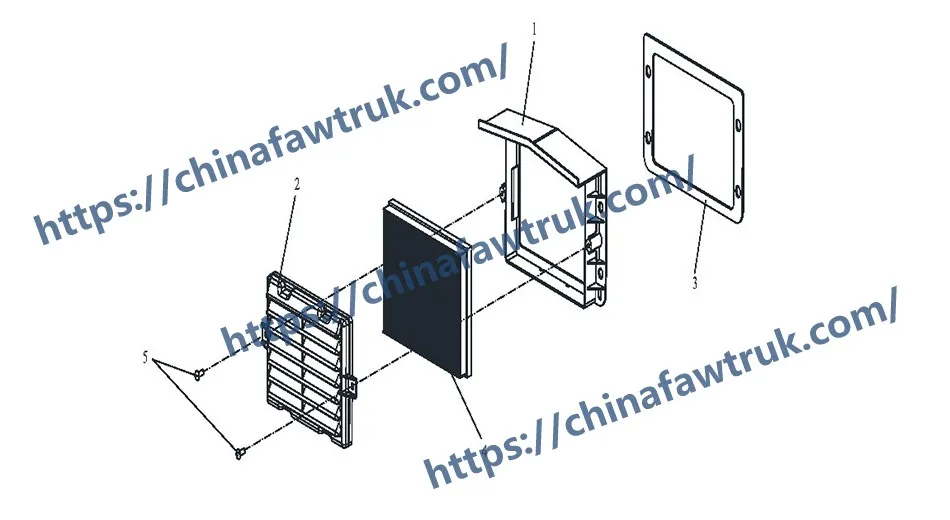
Le tableau suivant détaille l'assemblage logique spécifique pour le Filtre à huile centrifuge russe FAW. Alors que le nombre de pièces est faible, la spécificité des fixations et des joints est essentielle au fonctionnement sûr et à l’intégrité de l’étanchéité du système.
| Non. |
Numéro de pièce |
Nom de la pièce |
Quantité |
| 1 |
1017010-29D |
Ensemble de filtre à huile centrifuge |
1 |
| 2 |
Q1820840 |
Boulon à bride hexagonale – Tige fine (Type R) |
4 |
| 3 |
1017022-29D |
Joint – Filtre à huile centrifuge |
1 |
Protocoles de maintenance pour la santé en rotation
Contrairement aux filtres standards qui sont jetés, le Filtre à huile centrifuge russe FAW est un article réparable. À chaque vidange d'huile, le couvercle du rotor doit être retiré et la suie incrustée doit être grattée. Les mécaniciens doivent vérifier que le rotor tourne librement à la main; toute résistance suggère une usure des roulements ou une accumulation de boue sur la broche.
Inspectez les deux buses d'entraînement à la base du rotor. Dans les climats froids, les boues peuvent se figer ici, bloquer les jets et empêcher la rotation. Utilisez de l'air comprimé ou un fil fin pour vous assurer que ces jets sont complètement clairs. Si le Filtre à huile centrifuge russe FAW ne tourne pas, ça ne nettoie pas, et le moteur perd sa principale défense contre la suie.
Lors du remontage, utilisez toujours un nouveau Joint – Filtre à huile centrifuge et serrez le Boulons à bride hexagonale aux spécifications d'usine. Un couple excessif peut déformer la base, tandis qu'un sous-couple peut entraîner des fuites. Écoutez la caractéristique “vrombissant” bruit de la centrifugeuse qui tourne après l'arrêt du moteur; c'est le signe audible d'une bonne santé Filtre à huile centrifuge russe FAW.
Conclusion: Le héros méconnu de la vie des moteurs
Le Filtre à huile centrifuge russe FAW témoigne de la profondeur de l'ingénierie du groupe motopropulseur CA3250P66K24L1TE5Z. Il fournit un niveau de propreté de l'huile que la filtration standard ne peut tout simplement pas égaler., crucial pour la durée de vie prolongée exigée par les opérateurs logistiques russes.
Chaque composant, de l'ensemble rotor équilibré au spécialiste Tige fine boulons de montage, est conçu pour garantir un fonctionnement fiable sous des forces G élevées et des cycles thermiques extrêmes.
Pour les propriétaires de flotte, s'assurer que ce système est correctement entretenu et utiliser des pièces de rechange d'origine FAW est le moyen le plus efficace de lutter contre l'usure du moteur.. Un fonctionnement Filtre à huile centrifuge russe FAW signifie une huile plus propre, intervalles de vidange plus longs, et un moteur plus sain capable de survivre aux hivers les plus rigoureux.
Emballage et logistique
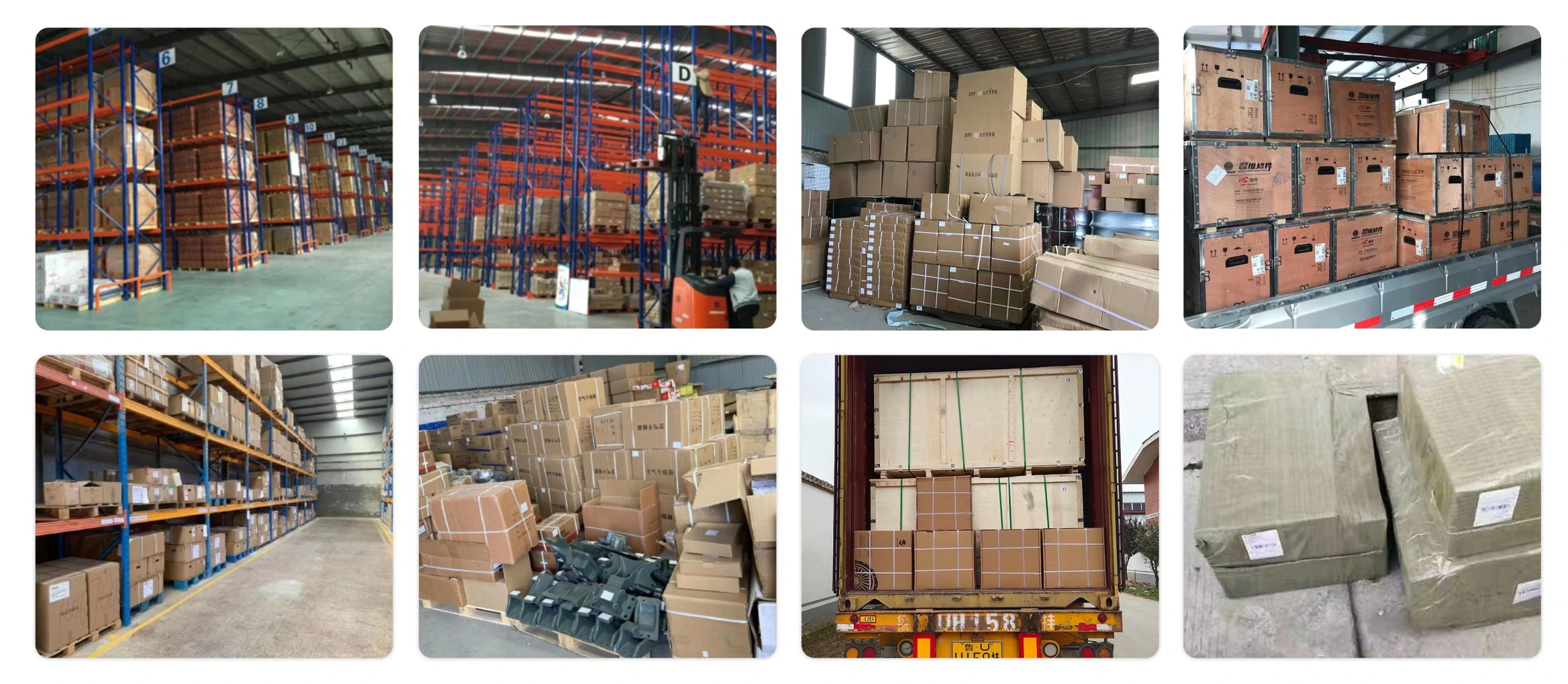
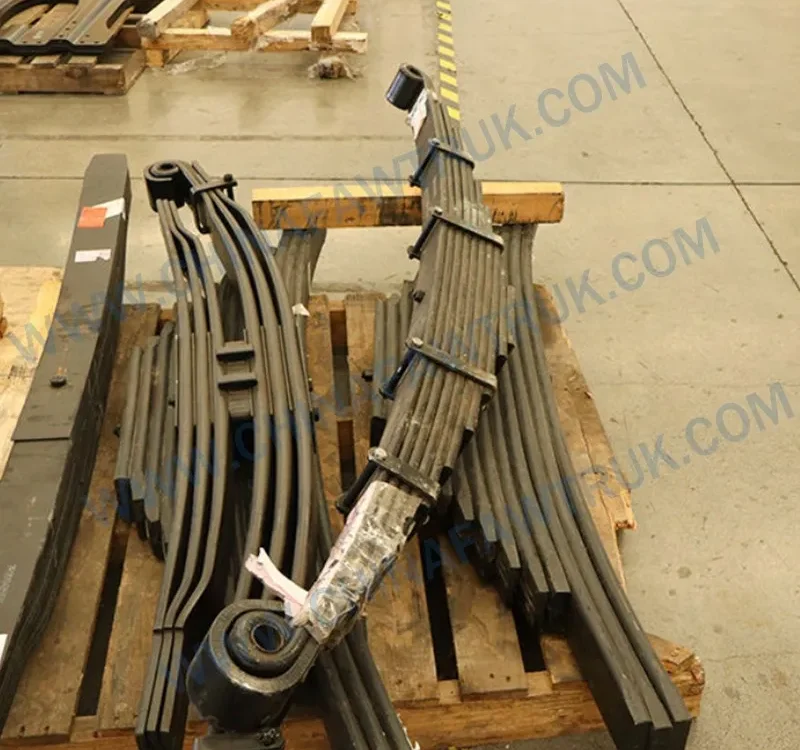
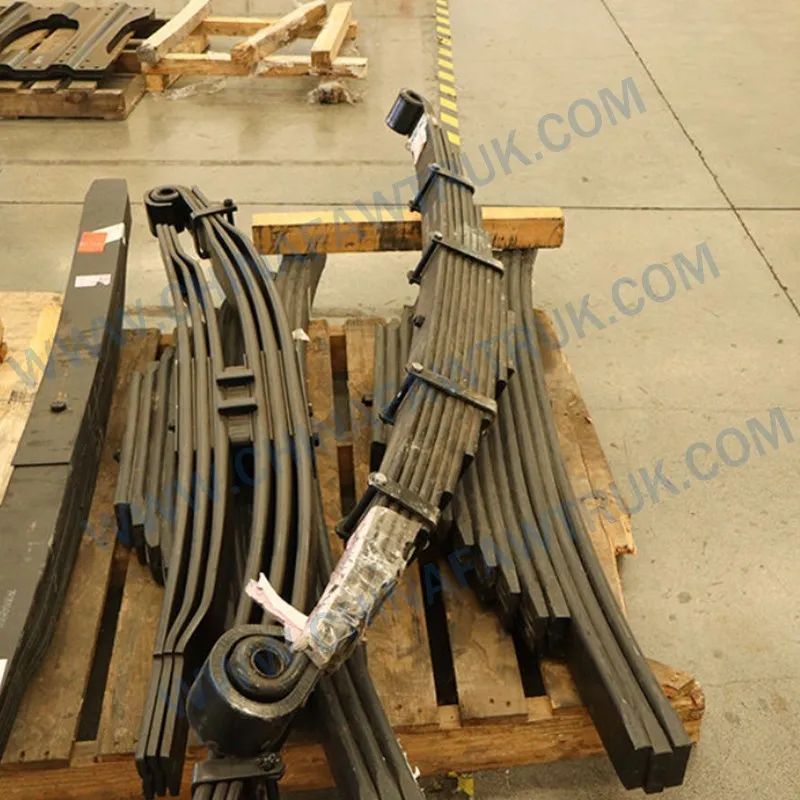
Pièces FAW, y compris l'ensemble bloc-cylindres, sont emballés avec soin pour garantir une livraison en toute sécurité. Chaque composant est sécurisé dans des matériaux de protection pour éviter tout dommage pendant le transport. Le réseau logistique garantit des expéditions ponctuelles dans le monde entier, soutenir des opérations de maintenance efficaces. Vous trouverez ci-dessous une image illustrant l'emballage standard des pièces de camion FAW., mettant en valeur l’attention portée aux détails dans la manipulation et le stockage.
Cette approche d'emballage minimise le risque de corrosion ou de dommages causés par les chocs., s'assurer que les pièces comme l'ensemble bloc-cylindres FAW arrivent en parfait état. Les clients peuvent compter sur la logistique de FAW pour une qualité et une fiabilité constantes.