by 


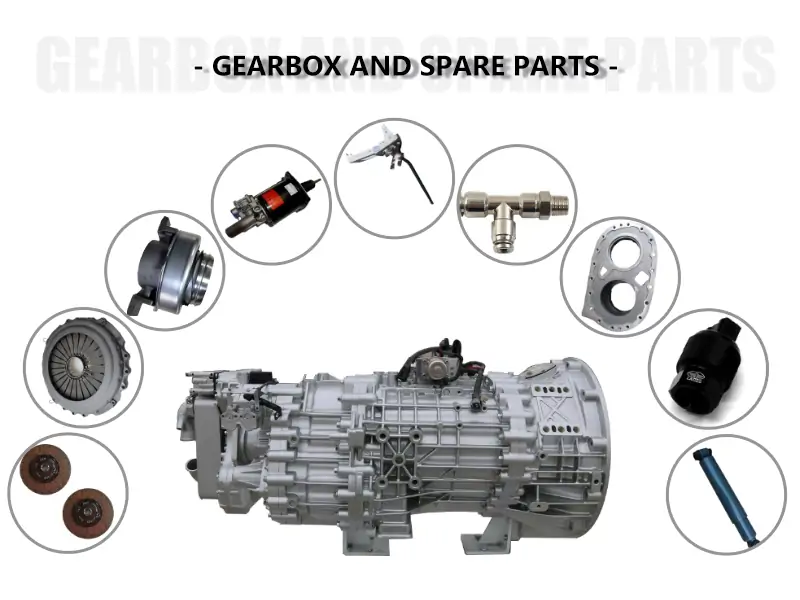
The performance of any heavy-duty commercial vehicle is defined by its ability to transfer power efficiently, and at the core of this capability lies the FAW Transmission Shift Mechanism. Specifically engineered for the 6G55 series gearbox, this intricate assembly serves as the direct link between the driver’s intent and the vehicle’s kinetic output. It translates the lateral and longitudinal movements of the gear lever into the precise, high-force sliding actions required to engage internal synchronizers. Without a flawlessly functioning FAW Transmission Shift Mechanism, even the most powerful engine is rendered useless, unable to modulate torque for climbing grades or cruising highways.

FAW Transmission Shift Mechanism
Constructed from high-grade forged steel and precision-machined alloys, the FAW Transmission Shift Mechanism is designed to withstand the brutal cyclic loads of logistics operations. Every component, from the robust Fork Shaft 1/2 to the critical Interlock lump, plays a vital role in ensuring gear safety and stability. This system not only facilitates smooth gear changes but also incorporates safety features to prevent catastrophic dual-gear engagement. This comprehensive guide decomposes the assembly into its minimum repairable units, providing fleet managers and technicians with the technical insight needed to maintain the FAW Transmission Shift Mechanism at factory standards.
The operational heart of the FAW Transmission Shift Mechanism is a parallel arrangement of sliding rails, known as fork shafts. Each shaft corresponds to a specific gear gate. For instance, the Fork Shaft 1/2 (Part No. 6G60-6171) handles the low-speed torque requirements, while the Fork Shaft 5/6 (Part No. 6G60-6571) manages highway cruising speeds. These shafts must slide with absolute freedom within the housing bores. Any friction or binding here results in a “stiff” shift lever, causing driver fatigue and potential missed shifts.
Attached to these shafts are the shift forks themselves, such as Fork 1/2 (Part No. 6G60-6173) and Fork 5/6 (Part No. 6G60-6573). These components are the “hands” of the transmission, physically pushing the synchronizer sleeves to lock gears to the main shaft. The contact pads of these forks are subjected to intense friction and heat. In a genuine FAW Transmission Shift Mechanism, these pads are induction hardened to resist wear. A worn fork pad creates a gap, leading to incomplete gear engagement and the dreaded sensation of the transmission popping out of gear under load.
The interface between the external shift linkage and these internal shafts is mediated by pushing blocks, like Pushing Block 1/2 (Part No. 6G60-6175). These blocks capture the movement of the shift finger and distribute the force evenly onto the shaft. The geometric precision of the Pushing Block 3/4 (Part No. 6G60-6375) ensures that lateral leverage is converted efficiently into linear motion, maximizing the mechanical advantage of the FAW Transmission Shift Mechanism.
One of the most critical engineering features of the FAW Transmission Shift Mechanism is the interlock system. Heavy-duty transmissions must absolutely prevent the engagement of two gear ratios simultaneously, which would cause immediate mechanical lock-up and catastrophic destruction of the gearbox. This is achieved through the Interlock lump (Part No. 6G55-0055). This precision-ground component sits between the shift rails. When one rail, such as Fork Shaft 3/4 (Part No. 6G60-6371), is moved from its neutral position, the interlock lump is displaced laterally, physically blocking the movement of the adjacent shafts.
The assembly also utilizes a robust guidance system centered around the Axis of guide (Part No. 6G60-8971). This component ensures that the shift blocks maintain their correct orientation and do not rotate under load. The structural integrity of the entire mechanism is reinforced by high-shear Column pins (Part No. Q5280630 and Q5280430). These elastic cylindrical pins secure the forks and blocks to the shafts. Unlike rigid solid pins, these elastic pins can absorb vibration and slight shock loads without shearing, maintaining the assembly’s integrity over hundreds of thousands of kilometers.
Furthermore, the reverse gear system requires distinct handling due to the idler gear mechanics. The Fork Shaft R (Part No. 6G60-6871) and Fork R (Part No. 6G60-6173) are engineered to handle the unique engagement profile of the reverse gear. Since reverse is often engaged from a standstill but with high torque expectations, the FAW Transmission Shift Mechanism ensures this specific fork has the structural rigidity to resist bending during the mesh engagement.
The fastening and support architecture also plays a subtle but vital role. Components like the Refilling plug (Part No. WTM18X52-6G55)—often functioning as a support pin or detent housing cap in this context—ensure that the internal channels remain sealed and structurally supported. The use of specific bolts, such as Bolt (Part No. 6G55-8979), with calculated tensile strengths prevents the mechanism from loosening under the high-frequency vibrations typical of a diesel powertrain.
Below is the comprehensive parts catalog for the FAW Transmission Shift Mechanism (6G55). This detailed list covers the shift rails, forks, interlocks, and fastening hardware necessary for a complete system overhaul.
| No. | Code (Part No.) | Name | Number (Q’ty) |
|---|---|---|---|
| 1 | 6G60-6171 | Fork Shaft 1/2 | 1 |
| 2 | 6G60-6175 | Pushing Block 1/2 | 1 |
| 3 | Q5280630 | Column pin | 5 |
| 4 | Q5280430 | Column pin | 5 |
| 5 | 6G60-6173 | Fork 1/2 | 1 |
| 6 | 6G60-6871 | Fork Shaft R | 1 |
| 7 | 6G55-8975 | Pushing Block | 1 |
| 8 | 6G60-6571 | Fork Shaft 5/6 | 1 |
| 9 | 6G60-6173 | Fork 3/4 | 1 |
| 10 | 6G60-6375 | Pushing Block 3/4 | 1 |
| 11 | 6G60-6371 | Fork Shaft 3/4 | 1 |
| 12 | WTM18X52-6G55 | Refilling plug | 2 |
| 13 | 6G60-6573 | Fork 5/6 | 1 |
| 14 | WTB10X21X10-6G60 | Pushing Block 5/6 | 1 |
| 15 | 6G55-0055 | Interlock lump | 1 |
| 16 | 6G60-8971 | Axis of guide | 1 |
| 17 | 6G55-8979 | Bolt | 1 |
| 18 | 6G60-6173 | Fork R | 1 |
Analyzing the FAW Transmission Shift Mechanism reveals the critical importance of component straightness and surface finish. The Fork Shaft 1/2, for example, is a long, slender rod. If the transmission suffers from water ingress, rust can form on this shaft, acting like sandpaper against the housing bores. This increases the force required to shift gears, often misdiagnosed as a clutch issue. During any rebuild, these shafts must be rolled on a flat surface to check for runout. A bent shaft, even by a few thousandths of an inch, will cause binding and must be replaced immediately to restore the smooth action of the FAW Transmission Shift Mechanism.
The Pushing Block 5/6 (Part No. WTB10X21X10-6G60) represents another focal point for wear. This block is the interface that transfers the vertical motion of the gear stick into the horizontal motion of the fork shaft. It operates in a high-stress environment with constant sliding contact. Over time, the mating surfaces can develop flat spots or burrs. A worn pushing block introduces “play” or “slop” into the gear stick, making the gear gates feel vague. Replacing these blocks is a cost-effective way to sharpen the feel of an aging FAW Transmission Shift Mechanism.
Safety and precision are further guaranteed by the Column pins. These fasteners are designed to be the “fuse” in the system. In the event of extreme force—such as a driver trying to force a gear without the clutch—the pin is designed to shear before the expensive fork or shaft bends. However, during maintenance, technicians must never reuse these pins. Once driven out, their elastic tension is compromised. Installing a used pin into the FAW Transmission Shift Mechanism risks the pin vibrating out during operation, which would disconnect the fork from the shaft, leaving the transmission stuck in gear.
Finally, the Fork 3/4 (Part No. 6G60-6173) requires special attention. Being in the middle of the gear range, it sees the most frequent use in urban driving conditions. The tips of the fork that contact the synchronizer ring are prone to thinning. If these tips wear down beyond the service limit, the fork can no longer push the synchronizer fully into engagement. This results in the transmission popping out of 3rd or 4th gear during deceleration. Regular inspection of these fork tips is essential for the long-term reliability of the FAW Transmission Shift Mechanism.
The intricate design of the FAW Transmission Shift Mechanism demands the use of genuine replacement parts. Aftermarket forks often lack the precise heat treatment found in OEM components like Fork 5/6. A soft fork will bend under load, while an overly brittle one may snap. Both scenarios lead to significant downtime and expensive gearbox repairs. Genuine FAW parts ensure that the metallurgy matches the original engineering specifications, providing the perfect balance of toughness and wear resistance.
Moreover, the dimensional accuracy of components like the Interlock lump is non-negotiable. An aftermarket interlock that is slightly undersized may fail to block simultaneous gear engagement, leading to catastrophic transmission failure. By choosing genuine parts for your FAW Transmission Shift Mechanism, you are investing in the safety and operational continuity of your fleet.
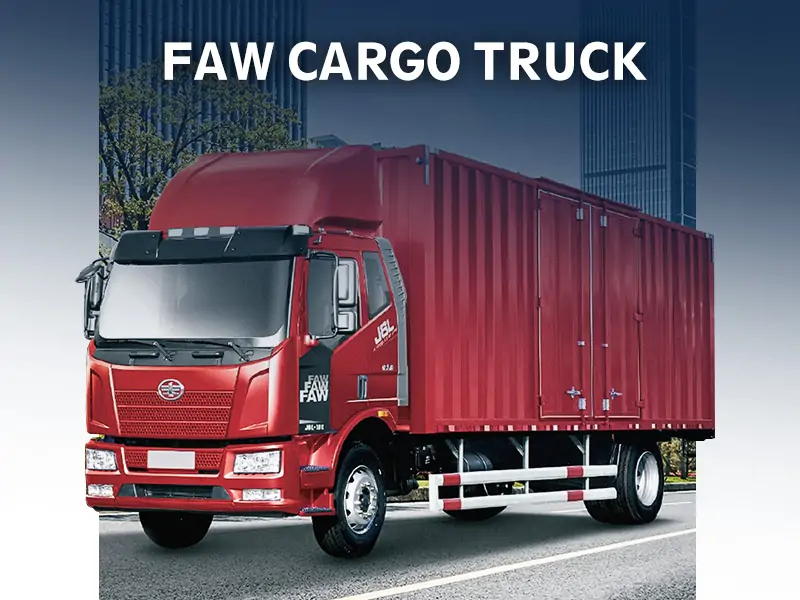
For all your maintenance needs, refer to the parts list above. Ensure that every Bolt, Pin, and Fork matches the specific Part No. listed to maintain the high standards of your FAW Jiefang truck. Quality maintenance today guarantees performance for the miles ahead.
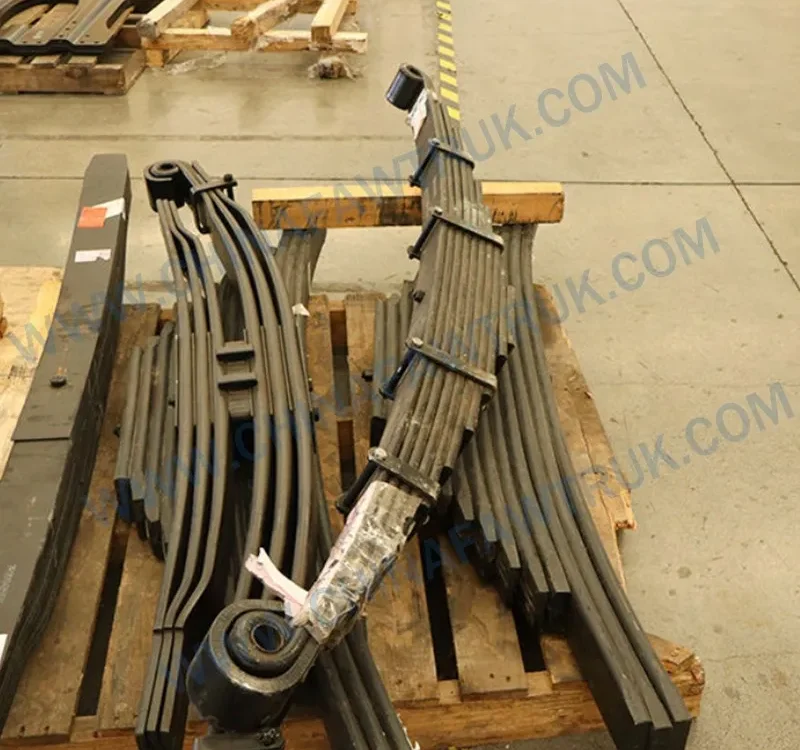
FAW parts, including the Cylinder Block Assembly, are packaged with care to ensure safe delivery. Each component is secured in protective materials to prevent damage during transit. The logistics network guarantees timely shipments worldwide, supporting efficient maintenance operations. Below is an image illustrating the standard packaging for FAW truck parts, showcasing the attention to detail in handling and storage.
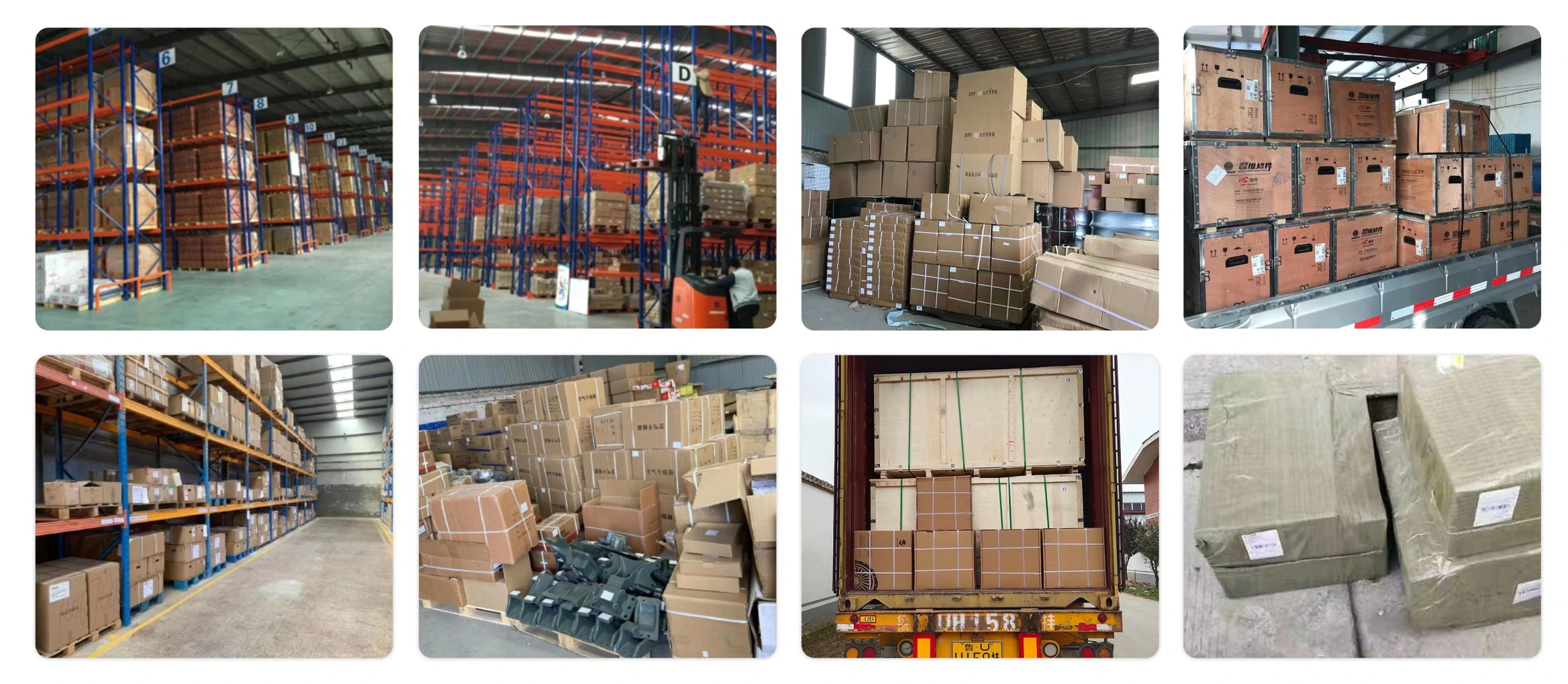
This packaging approach minimizes the risk of corrosion or impact damage, ensuring that parts like the FAW Cylinder Block Assembly arrive in perfect condition. Customers can rely on FAW’s logistics for consistent quality and reliability.