por 


El rendimiento de cualquier vehículo comercial pesado se define por su capacidad para transferir energía de manera eficiente., y en el centro de esta capacidad se encuentra la Mecanismo de cambio de transmisión FAW. Diseñado específicamente para la caja de cambios de la serie 6G55., Este complejo conjunto sirve como vínculo directo entre la intención del conductor y la salida cinética del vehículo.. Traduce los movimientos laterales y longitudinales de la palanca de cambios en la precisión, Se requieren acciones de deslizamiento de alta fuerza para activar los sincronizadores internos.. Sin un funcionamiento perfecto Mecanismo de cambio de transmisión FAW, Incluso el motor más potente se vuelve inútil., incapaz de modular el par para subir pendientes o navegar por carreteras.

Mecanismo de cambio de transmisión FAW
Construido con acero forjado de alta calidad y aleaciones mecanizadas con precisión., el Mecanismo de cambio de transmisión FAW está diseñado para soportar las brutales cargas cíclicas de las operaciones logísticas. Cada componente, de lo robusto Eje de horquilla 1/2 a lo critico bulto entrelazado, Desempeña un papel vital para garantizar la seguridad y la estabilidad del equipo.. Este sistema no solo facilita cambios de marcha suaves sino que también incorpora características de seguridad para evitar un acoplamiento catastrófico de doble marcha.. Esta guía completa descompone el conjunto en sus unidades mínimas reparables., Proporcionar a los administradores y técnicos de flotas el conocimiento técnico necesario para mantener el Mecanismo de cambio de transmisión FAW en los estándares de fábrica.
El corazón operativo de la Mecanismo de cambio de transmisión FAW es una disposición paralela de rieles deslizantes, conocidos como ejes de horquilla. Cada eje corresponde a una compuerta de engranaje específica. Por ejemplo, el Eje de horquilla 1/2 (Número de pieza. 6G60-6171) Maneja los requisitos de torque a baja velocidad., mientras el Eje de horquilla 5/6 (Número de pieza. 6G60-6571) gestiona las velocidades de crucero en carretera. Estos ejes deben deslizarse con absoluta libertad dentro de los orificios del alojamiento.. Cualquier fricción o atadura aquí resulta en una “rígido” palanca de cambios, causando fatiga al conductor y posibles turnos perdidos.
Unidas a estos ejes están las propias horquillas de cambio., como Tenedor 1/2 (Número de pieza. 6G60-6173) y Tenedor 5/6 (Número de pieza. 6G60-6573). Estos componentes son los “manos” de la transmision, Empujar físicamente los manguitos del sincronizador para bloquear los engranajes en el eje principal.. Las almohadillas de contacto de estas horquillas están sometidas a una intensa fricción y calor.. en un genuino Mecanismo de cambio de transmisión FAW, Estas pastillas están endurecidas por inducción para resistir el desgaste.. Una pastilla de horquilla desgastada crea un hueco, lo que provoca un engranaje incompleto y la temida sensación de que la transmisión se sale de la marcha bajo carga.
La interfaz entre el varillaje de cambio externo y estos ejes internos está mediada por bloques de empuje., como Bloque de empuje 1/2 (Número de pieza. 6G60-6175). Estos bloques capturan el movimiento del dedo de cambio y distribuyen la fuerza uniformemente sobre el eje.. La precisión geométrica del Bloque de empuje 3/4 (Número de pieza. 6G60-6375) Garantiza que el apalancamiento lateral se convierta eficientemente en movimiento lineal., maximizar la ventaja mecánica del Mecanismo de cambio de transmisión FAW.
Una de las características de ingeniería más críticas del Mecanismo de cambio de transmisión FAW es el sistema de enclavamiento. Las transmisiones de servicio pesado deben impedir absolutamente el engrane de dos relaciones de transmisión simultáneamente, lo que provocaría un bloqueo mecánico inmediato y una destrucción catastrófica de la caja de cambios. Esto se logra a través de la bulto entrelazado (Número de pieza. 6G55-0055). Este componente rectificado con precisión se encuentra entre los rieles de cambio.. Cuando un carril, como Eje de horquilla 3/4 (Número de pieza. 6G60-6371), se mueve desde su posición neutral, el bulto entrelazado se desplaza lateralmente, bloquear físicamente el movimiento de los ejes adyacentes.
El conjunto también utiliza un robusto sistema de guía centrado alrededor del eje de guia (Número de pieza. 6G60-8971). Este componente garantiza que los bloques de cambio mantengan su orientación correcta y no giren bajo carga.. La integridad estructural de todo el mecanismo está reforzada por alto cizallamiento. Pasadores de columna (Número de pieza. Q5280630 y Q5280430). Estos pasadores cilíndricos elásticos sujetan las horquillas y los bloques a los ejes.. A diferencia de los pasadores sólidos rígidos, Estos pasadores elásticos pueden absorber vibraciones y cargas de impacto leves sin cortarse., Mantener la integridad de la asamblea a lo largo de cientos de miles de kilómetros..
Además, El sistema de marcha atrás requiere un manejo distinto debido a la mecánica del engranaje loco.. El Eje de horquilla R (Número de pieza. 6G60-6871) y Horquilla R (Número de pieza. 6G60-6173) están diseñados para manejar el perfil de compromiso único de la marcha atrás. Dado que la marcha atrás a menudo se activa desde parado pero con altas expectativas de par, el Mecanismo de cambio de transmisión FAW Garantiza que esta horquilla específica tenga la rigidez estructural para resistir la flexión durante el acoplamiento de la malla..
La arquitectura de sujeción y soporte también juega un papel sutil pero vital.. Componentes como el Tapón de recarga (Número de pieza. WTM18X52-6G55)(a menudo funciona como un pasador de soporte o una tapa de alojamiento de retén en este contexto) y asegúrese de que los canales internos permanezcan sellados y soportados estructuralmente.. El uso de tornillos específicos., como Tornillo (Número de pieza. 6G55-8979), con resistencias a la tracción calculadas evita que el mecanismo se afloje bajo las vibraciones de alta frecuencia típicas de un sistema de propulsión diésel.
A continuación se muestra el catálogo completo de piezas para el Mecanismo de cambio de transmisión FAW (6G55). Esta lista detallada cubre los rieles de cambio., tenedores, enclavamientos, y accesorios de fijación necesarios para una revisión completa del sistema.
| No. | Código (Número de pieza) | Nombre | Número (cantidad) |
|---|---|---|---|
| 1 | 6G60-6171 | Eje de horquilla 1/2 | 1 |
| 2 | 6G60-6175 | Bloque de empuje 1/2 | 1 |
| 3 | Q5280630 | Pasador de columna | 5 |
| 4 | Q5280430 | Pasador de columna | 5 |
| 5 | 6G60-6173 | Tenedor 1/2 | 1 |
| 6 | 6G60-6871 | Eje de horquilla R | 1 |
| 7 | 6G55-8975 | Bloque de empuje | 1 |
| 8 | 6G60-6571 | Eje de horquilla 5/6 | 1 |
| 9 | 6G60-6173 | Tenedor 3/4 | 1 |
| 10 | 6G60-6375 | Bloque de empuje 3/4 | 1 |
| 11 | 6G60-6371 | Eje de horquilla 3/4 | 1 |
| 12 | WTM18X52-6G55 | Tapón de recarga | 2 |
| 13 | 6G60-6573 | Tenedor 5/6 | 1 |
| 14 | WTB10X21X10-6G60 | Bloque de empuje 5/6 | 1 |
| 15 | 6G55-0055 | bulto entrelazado | 1 |
| 16 | 6G60-8971 | eje de guia | 1 |
| 17 | 6G55-8979 | Tornillo | 1 |
| 18 | 6G60-6173 | Horquilla R | 1 |
analizando el Mecanismo de cambio de transmisión FAW revela la importancia crítica de la rectitud de los componentes y el acabado superficial. El Eje de horquilla 1/2, Por ejemplo, es un largo, varilla delgada. Si la transmisión sufre entrada de agua., Se puede formar óxido en este eje., actuando como papel de lija contra los orificios de la carcasa. Esto aumenta la fuerza necesaria para cambiar de marcha., a menudo se diagnostica erróneamente como un problema de embrague. Durante cualquier reconstrucción, Estos ejes deben rodarse sobre una superficie plana para comprobar su descentramiento.. Un eje doblado, incluso por unas pocas milésimas de pulgada, causará atascamiento y debe ser reemplazado inmediatamente para restaurar la acción suave del Mecanismo de cambio de transmisión FAW.
El Bloque de empuje 5/6 (Número de pieza. WTB10X21X10-6G60) representa otro punto focal para el desgaste. Este bloque es la interfaz que transfiere el movimiento vertical de la palanca de cambios al movimiento horizontal del eje de la horquilla.. Opera en un entorno de alto estrés con contacto deslizante constante.. Con el tiempo, las superficies de contacto pueden desarrollar puntos planos o rebabas. Un bloque de empuje desgastado introduce “jugar” o “agua sucia” en la palanca de cambios, haciendo que las puertas de engranajes se sientan vagas. Reemplazar estos bloques es una forma rentable de agudizar la sensación de envejecimiento. Mecanismo de cambio de transmisión FAW.
La seguridad y la precisión están garantizadas aún más por el Pasadores de columna. Estos sujetadores están diseñados para ser los “fusible” en el sistema. En caso de fuerza extrema, como cuando un conductor intenta forzar una marcha sin el embrague, el pasador está diseñado para cortarse antes de que la costosa horquilla o el eje se doblen.. Sin embargo, durante el mantenimiento, Los técnicos nunca deben reutilizar estos pines.. Una vez expulsado, su tensión elástica está comprometida. Instalación de un pasador usado en el Mecanismo de cambio de transmisión FAW Existe el riesgo de que el pasador vibre durante el funcionamiento., lo que desconectaría la horquilla del eje, dejar la transmisión atascada en una marcha.
Finalmente, el Tenedor 3/4 (Número de pieza. 6G60-6173) requiere atención especial. Estar en la mitad de la gama de marchas, ve el uso más frecuente en condiciones de conducción urbana. Las puntas de la horquilla que entran en contacto con el anillo sincronizador son propensas a adelgazarse.. Si estas puntas se desgastan más allá del límite de servicio, la horquilla ya no puede empujar el sincronizador hasta que se engrane. Esto hace que la transmisión salga de 3.ª o 4.ª marcha durante la desaceleración.. La inspección periódica de estas puntas de horquilla es esencial para la confiabilidad a largo plazo del Mecanismo de cambio de transmisión FAW.
El intrincado diseño del Mecanismo de cambio de transmisión FAW exige el uso de piezas de repuesto originales. Las horquillas del mercado de accesorios a menudo carecen del tratamiento térmico preciso que se encuentra en los componentes OEM como Tenedor 5/6. Una horquilla blanda se doblará bajo carga., mientras que uno demasiado frágil puede romperse. Ambos escenarios provocan importantes tiempos de inactividad y costosas reparaciones de la caja de cambios.. Las piezas genuinas de FAW garantizan que la metalurgia coincida con las especificaciones de ingeniería originales., Proporcionando el equilibrio perfecto entre dureza y resistencia al desgaste..
Además, la precisión dimensional de componentes como el bulto entrelazado no es negociable. Un enclavamiento no original que sea ligeramente más pequeño puede no bloquear el engranaje simultáneo, lo que lleva a una falla catastrófica en la transmisión. Al elegir piezas originales para su Mecanismo de cambio de transmisión FAW, estás invirtiendo en la seguridad y continuidad operativa de tu flota.
Para todas sus necesidades de mantenimiento, consulte la lista de piezas anterior. Asegúrese de que cada Tornillo, Alfiler, y Tenedor coincide con el número de pieza específico. listado para mantener los altos estándares de su camión FAW Jiefang. El mantenimiento de calidad hoy garantiza el rendimiento en los kilómetros por delante.
piezas FAW, incluido el conjunto del bloque de cilindros, Se empaquetan con cuidado para garantizar una entrega segura.. Cada componente está asegurado con materiales protectores para evitar daños durante el transporte.. La red logística garantiza envíos puntuales en todo el mundo., apoyando operaciones de mantenimiento eficientes. A continuación se muestra una imagen que ilustra el embalaje estándar de las piezas de camiones FAW., mostrando la atención al detalle en el manejo y almacenamiento.
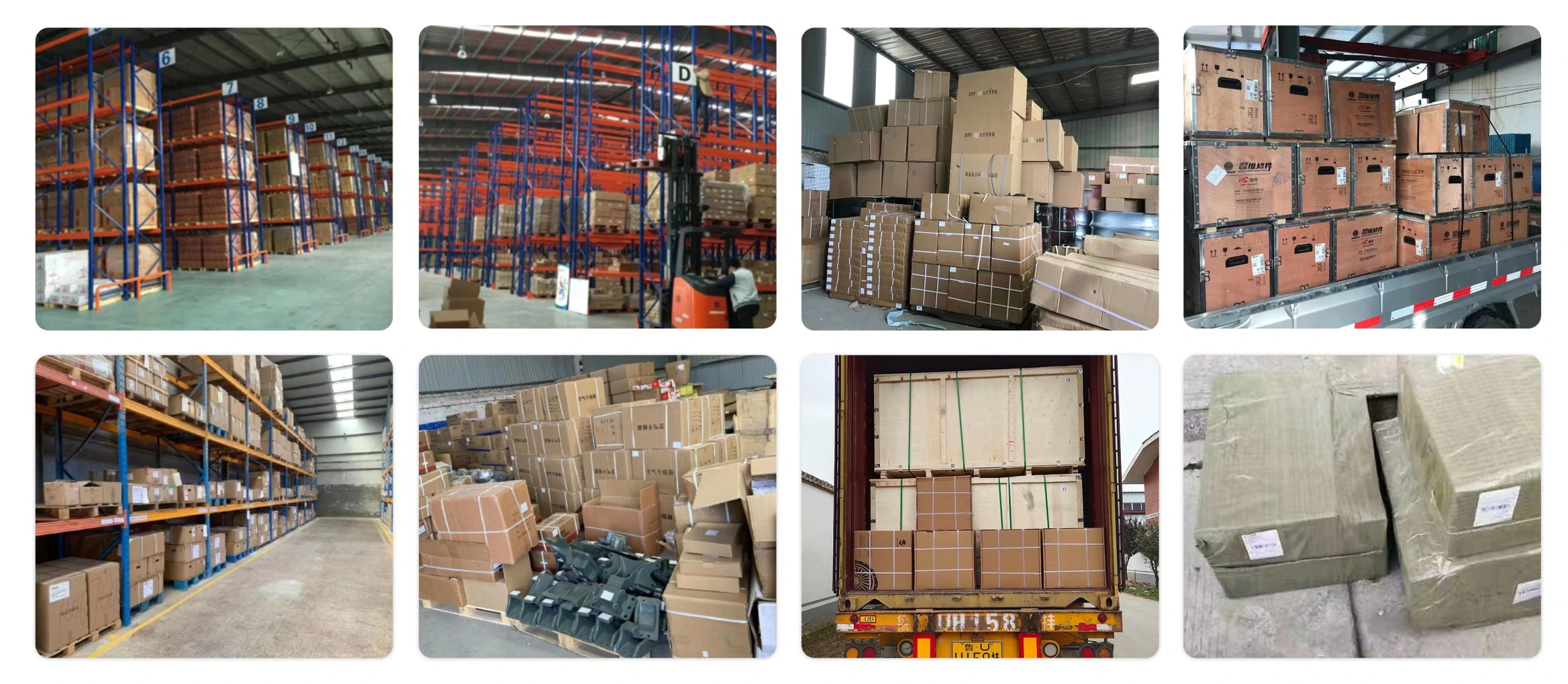
Este enfoque de embalaje minimiza el riesgo de corrosión o daños por impacto., asegurando que piezas como el conjunto de bloque de cilindros FAW lleguen en perfectas condiciones. Los clientes pueden confiar en la logística de FAW para obtener calidad y confiabilidad constantes.