FAW Russian One-Shaft Assembly: Mastering 8 Critical Components for Flawless Power Transmission
The FAW Russian One-Shaft Assembly, also known as the input shaft assembly, acts as the primary torque gateway for the CA3250P66K24L1TE5Z dump truck. Situated between the clutch friction disc and the main gear set, this high-precision assembly must endure violent torsional shock loads and extreme thermal cycling. This guide analyzes the engineering behind these 8 strategic components, defining the reliability of the FAW Russian One-Shaft Assembly in Arctic conditions.
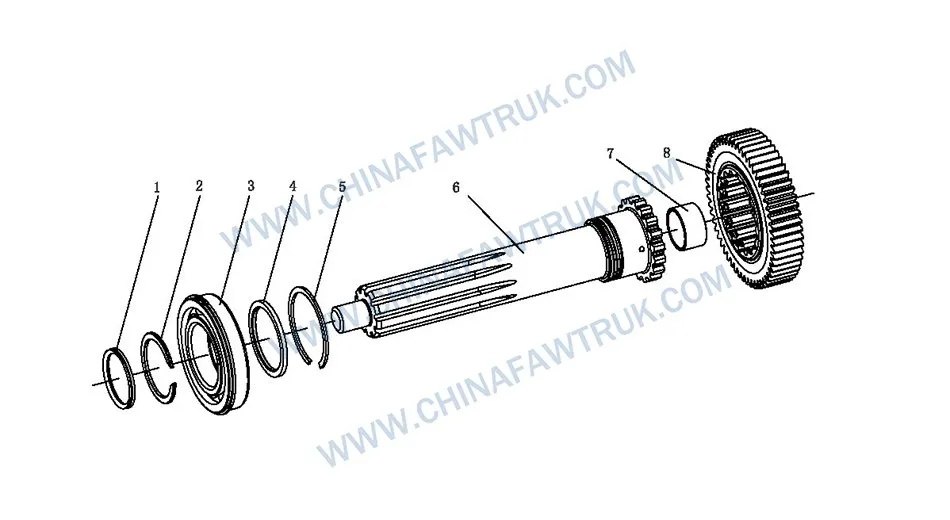
FAW Russian One-Shaft Assembly
Metallurgical Core: The Input Shaft and Gear
The structural spine of the FAW Russian One-Shaft Assembly is the First Shaft – Transmission (Part No. 1701112-A1K). This component functions as the direct interface with the engine’s power output. Unlike intermediate shafts that operate within the cushioned environment of the gearbox oil bath, the input shaft is exposed to the harsh, dry environment of the bell housing on one end and the gearbox internals on the other. It features precision-machined splines that mate with the clutch driven disc. In the context of the FAW Russian One-Shaft Assembly, these splines must be surface-hardened to resist the fretting wear caused by the constant micro-movements of the clutch disc during engagement and disengagement.
Mated to this shaft is the Input Gear – First Shaft (Part No. 1701121-A0L). This gear transfers the rotational energy to the countershaft, effectively initiating the gear reduction process. The engineering behind the FAW Russian One-Shaft Assembly gears focuses on contact patch optimization. The gear teeth are ground to a helical profile that maximizes surface contact area while minimizing noise. In the Russian Arctic, where cold gear oil (often 80W-90) can be thick and viscous, the shear strength of these gear teeth is tested to the limit. The steel alloy used in the FAW Russian One-Shaft Assembly is heat-treated to a specific Rockwell hardness that balances surface wear resistance with core ductility, preventing tooth fracture under shock loads.
The interaction between the shaft and the gear is facilitated by the Bushing (Part No. 1701111-A7G). This bushing acts as a sacrificial wear interface, protecting the expensive shaft and gear from galling. In the FAW Russian One-Shaft Assembly, the bushing is designed with oil grooves that promote hydrodynamic lubrication. Even when the transmission fluid is sluggish due to extreme cold (-40°C), these grooves channel oil to critical friction zones, ensuring that the FAW Russian One-Shaft Assembly rotates smoothly from the first turn of the crankshaft.
Bearing Logic: Managing Radial and Axial Loads
Supporting the high-speed rotation of the input shaft is the Deep Groove Ball Bearing with Stop Ring (Part No. 6212-ZNBR/C3YB2). This is not a standard industrial bearing; the “C3” designation in the part number indicates a specific internal radial clearance. In the FAW Russian One-Shaft Assembly, this increased clearance is vital. As the transmission heats up during heavy hauling, the steel shaft expands. A standard clearance bearing would seize under this thermal expansion. The C3 bearing allows for this growth without binding, ensuring consistent operation across a temperature delta of over 100°C.
The “ZNBR” designation likely refers to the seal type or cage material, optimized for oil resistance and high temperatures. The integrated stop ring (snap ring groove) on the outer race allows the bearing to be axially located within the transmission housing. This prevents the FAW Russian One-Shaft Assembly from “walking” forward or backward under thrust loads. Thrust loads occur whenever helical gears mesh; they try to push the shafts apart axially. The deep groove geometry of the bearing raceways in the FAW Russian One-Shaft Assembly is specifically designed to absorb these thrust vectors while simultaneously handling the radial load of the gear mesh.
Protecting this bearing from the outside elements is the Washer – First Shaft Rear Bearing (Part No. 1701123-A7G). This washer serves as a spacer and a shield, ensuring proper preload and preventing debris from entering the bearing race from the gear side. The longevity of the FAW Russian One-Shaft Assembly is directly tied to the health of this main bearing. If it fails, the input shaft loses concentricity, leading to seal failure, clutch destruction, and eventual transmission seizure.
Sealing Integrity: The First Shaft Oil Seal
The boundary between the wet environment of the gearbox and the dry environment of the clutch housing is defined by the Oil Seal – First Shaft (Part No. 1701135-A7G). In the engineering hierarchy of the FAW Russian One-Shaft Assembly, this is a critical failure point that must be fortified. A leak here allows transmission fluid to contaminate the dry friction disc of the clutch. Once oil touches the clutch disc, friction is lost, the clutch slips, and the truck becomes immobilized.
For the Russian market, the material composition of this seal is paramount. Standard Nitrile (NBR) seals can harden and crack at temperatures below -30°C. The FAW Russian One-Shaft Assembly utilizes a seal manufactured from Fluoroelastomer (FKM/Viton) or a specialized low-temperature Acrylate (ACM). These materials maintain their flexibility and sealing lip memory even in the deep freeze. This ensures that when the shaft begins to spin on a cold morning, the seal lip maintains positive contact, preventing oil bypass.
The design of the seal lip often includes hydrodynamic pumping aids—small directional ribs molded into the rubber. As the shaft rotates, these ribs actively pump any oil film back into the transmission, creating a dynamic barrier. The surface finish of the First Shaft where the seal rides is ground to a mirror polish to minimize friction and wear on the seal lip. This synergy between the shaft surface and the seal material is a hallmark of the FAW Russian One-Shaft Assembly, ensuring leak-free performance for hundreds of thousands of kilometers.
Selective Assembly: Snap Rings and End Play
The assembly of the FAW Russian One-Shaft Assembly is not a “one size fits all” process. It relies on a method known as selective assembly, particularly regarding the retaining rings. The BOM lists multiple part numbers for the Snap Ring – First Shaft Rear Bearing (Part Nos. 1701131-A7G, 1701132-A7G, 1701133-A7G, 1701134-A7G). These represent snap rings of varying thicknesses, graduated in minute increments (e.g., 0.05mm steps).
During the manufacturing or rebuilding process, technicians measure the accumulated tolerances of the housing, the bearing, and the shaft. They then select the specific snap ring that eliminates axial “end play” while avoiding excessive preload. In the FAW Russian One-Shaft Assembly, controlling end play is vital. Excessive play allows the shaft to shuttle back and forth, causing gear misalignment and “clunking” during load changes. Excessive tightness causes bearing overheating.
This precise tolerance stack-up ensures that the FAW Russian One-Shaft Assembly operates silently and efficiently. The inclusion of the Snap Ring – Reverse Gear (Part No. 1701314-A7G) further illustrates the complexity of the assembly, securing adjacent gear sets to maintain the overall integrity of the transmission cluster. This attention to detail in tolerance management differentiates the genuine FAW Russian One-Shaft Assembly from inferior aftermarket copies, which often use a single standard ring size leading to premature failure.
Component Breakdown: 103. One-Shaft Component Logic Assembly
| No. |
Part Number |
Part Name |
Qty |
| 1 |
1701135-A7G |
Oil Seal – First Shaft |
1 |
| 2 |
1701131-A7G |
Snap Ring – First Shaft Rear Bearing (Selective Fit) |
1 |
|
1701132-A7G |
Snap Ring – First Shaft Rear Bearing (Selective Fit) |
1 |
|
1701133-A7G |
Snap Ring – First Shaft Rear Bearing (Selective Fit) |
1 |
|
1701134-A7G |
Snap Ring – First Shaft Rear Bearing (Selective Fit) |
1 |
| 3 |
6212-ZNBR/C3YB2 |
Deep Groove Ball Bearing with Stop Ring |
1 |
| 4 |
1701123-A7G |
Washer – First Shaft Rear Bearing |
1 |
| 5 |
1701314-A7G |
Snap Ring – Reverse Gear |
1 |
| 6 |
1701112-A1K |
First Shaft – Transmission |
1 |
| 7 |
1701111-A7G |
Bushing |
1 |
| 8 |
1701121-A0L |
Input Gear – First Shaft |
1 |
Conclusion: The Gateway to Power
The FAW Russian One-Shaft Assembly is the unsung hero of the drivetrain. It endures the highest RPMs and the most violent torque spikes of any transmission component. Its design reflects a deep understanding of the challenges posed by Arctic environments, from the low-temperature metallurgy of the shaft to the specialized polymer of the oil seal.
For fleet maintenance, the replacement of the FAW Russian One-Shaft Assembly is a precision task. It requires not just the correct shaft and gear, but the exact selective fit snap rings to ensure factory-spec tolerances. By adhering to this level of detail and using only genuine components, operators ensure that the power of the CA3250P66K24L1TE5Z engine is transferred to the wheels with 100% efficiency, keeping the fleet moving through the toughest conditions on earth.
Packaging and Logistics
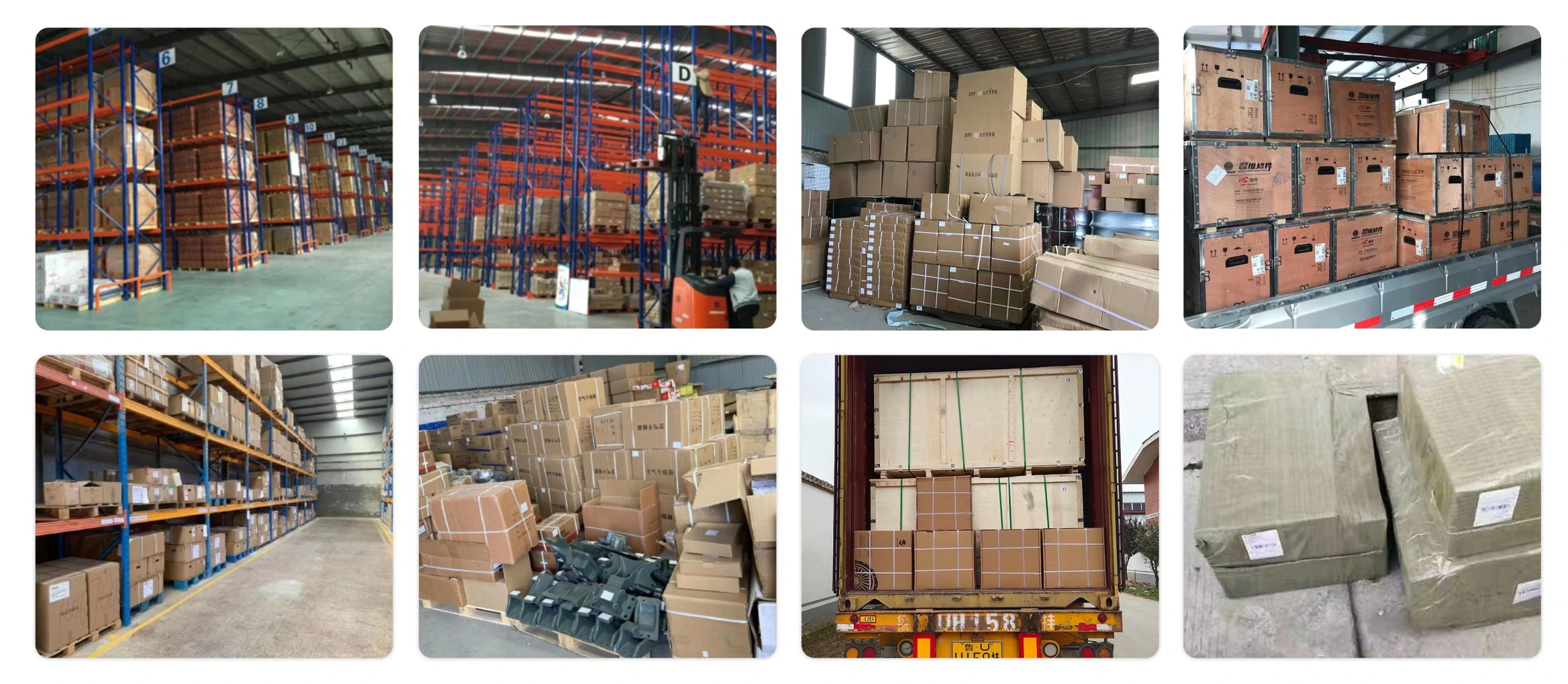
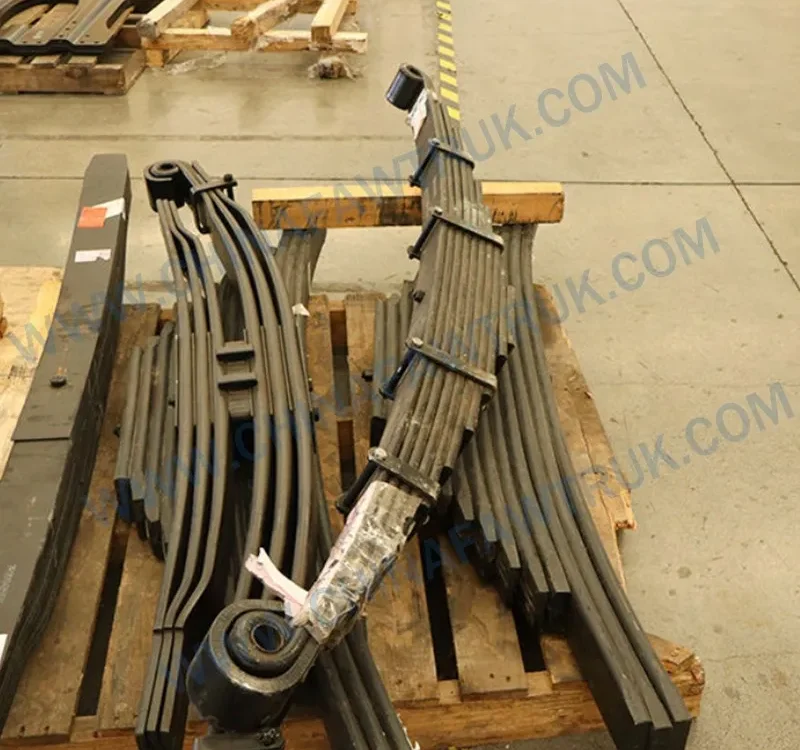
FAW parts, including the Cylinder Block Assembly, are packaged with care to ensure safe delivery. Each component is secured in protective materials to prevent damage during transit. The logistics network guarantees timely shipments worldwide, supporting efficient maintenance operations. Below is an image illustrating the standard packaging for FAW truck parts, showcasing the attention to detail in handling and storage.
This packaging approach minimizes the risk of corrosion or impact damage, ensuring that parts like the FAW Cylinder Block Assembly arrive in perfect condition. Customers can rely on FAW’s logistics for consistent quality and reliability.