FAW Russian Intermediate Shaft Assembly: Mastering 16 Critical Components for Unyielding Transmission Torque
The FAW Russian Intermediate Shaft Assembly, often called the countershaft, is the torque-multiplying spine of the CA3250P66K24L1TE5Z transmission. Engineered for the brutal loads of Siberian mining, this assembly transfers power from the input shaft to the main gears. This guide analyzes the 16 strategic components, from the high-load cylindrical bearings to the precision-cut gear sets, ensuring drivetrain survival in -40°C conditions.

FAW Russian Intermediate Shaft Assembly
Metallurgical Core: The Intermediate Shaft Structure
The foundation of the FAW Russian Intermediate Shaft Assembly is the Intermediate Shaft (Part No. 1701211-A7G). This component acts as the central beam for the entire gear cluster. Unlike the main shaft, which relies on floating gears, the intermediate shaft gears are typically keyed or press-fitted, making the shaft itself subject to immense torsional shear forces. FAW engineers manufacture this shaft from premium 20CrMnTi steel, which undergoes a multi-stage carburizing heat treatment. This process creates a hardened outer “skin” capable of resisting the fretting wear from the gear bores, while maintaining a ductile core that can absorb the shock loads of a dump truck clutch drop without snapping.
In the context of the FAW Russian Intermediate Shaft Assembly, the shaft’s dimensional stability in extreme cold is critical. At -40°C, steel contracts. If the shaft’s linear contraction does not match the gearbox housing, it can preload the bearings, leading to failure. The alloy used in this assembly is selected for its controlled thermal expansion coefficient. Furthermore, the keyways machined into the shaft are precision-ground to accept the Woodruff Key (Part No. 1701226-A7G) and the Flat Key (Part No. 1701228-A7G).
The use of a Woodruff key (semicircular) is a specific design choice for the FAW Russian Intermediate Shaft Assembly. Its shape allows it to self-align in the key seat, accommodating slight tapers in the gear hub during installation. This ensures that the torque transfer from the shaft to the gears is distributed evenly along the key’s flank, preventing the “rolling” failure common with standard flat keys under heavy impulse loads. This robust locking mechanism is essential for maintaining the timing and synchronization of the entire gear train.
Gear Logic: Optimized Contact Profiles
The muscle of the FAW Russian Intermediate Shaft Assembly lies in its gear stack. This includes the 2nd Gear – Intermediate Shaft (Part No. 1701212-A7G), 3rd Gear – Intermediate Shaft (Part No. 1701213-A7G), and 5th Gear – Intermediate Shaft (Part No. 1701214-A1K). These gears are not simple cogs; they are helically cut with a modified involute profile. The helical angle provides a gradual engagement of the teeth, distributing the load across multiple teeth simultaneously. This increases the torque capacity of the FAW Russian Intermediate Shaft Assembly and significantly reduces gear whine, a key factor in driver comfort.
Crucial to the dump truck application is the Reduction Gear – Intermediate Shaft (Part No. 1701217-A1K). This gear handles the torque multiplication required for crawling out of muddy mining pits. The tooth root fillets on this specific gear are shot-peened to induce compressive residual stress, preventing fatigue cracks from initiating under high-torque, low-RPM conditions. In the FAW Russian Intermediate Shaft Assembly, this gear often sees the highest load per tooth, making its metallurgical integrity paramount.
Additionally, the assembly includes the Left PTO Gear (Part No. 1701246-A7G). Power Take-Off (PTO) capability is essential for operating the hydraulic dump bed. By integrating the PTO drive gear directly onto the intermediate shaft, the FAW Russian Intermediate Shaft Assembly ensures a robust, direct power path for auxiliary hydraulics. This gear must withstand the sudden shock loads of engaging the hydraulic pump, often done while the transmission fluid is cold and viscous, requiring exceptional surface hardness to resist pitting.
Bearing Dynamics: Cylindrical Roller Load Management
Supporting the rotational mass of the FAW Russian Intermediate Shaft Assembly are high-capacity roller bearings. The assembly utilizes the Cylindrical Roller Bearing (Part No. NCL 308 E/YA) at the rear and a multi-part bearing system at the front, comprising the Outer Ring (Part No. NU 309 NRB1/YA6-1) and Inner Ring with Stop Ring (Part No. NU 309 NRB1/YA6-2). Cylindrical roller bearings are chosen over ball bearings for the FAW Russian Intermediate Shaft Assembly because they offer a significantly higher radial load capacity.
The “NCL” and “NU” designations refer to the specific arrangement of the bearing ribs, which allow for axial float or location. In the context of the FAW Russian Intermediate Shaft Assembly, handling thermal expansion is critical. As the transmission heats up, the shaft lengthens. The bearing design must allow this axial growth without binding. The NCL type bearing typically has integral flanges on the inner and outer rings, allowing it to support some axial load, while the NU type allows the shaft to slide through the bearing relative to the housing, accommodating thermal expansion perfectly.
In the Russian Arctic, lubrication of these bearings is a major challenge. At -40°C, gear oil thickens into a semi-solid paste. The cage design of the FAW Russian Intermediate Shaft Assembly bearings is optimized to cut through this viscous fluid, ensuring that the rollers do not skid. Skidding rollers create flat spots and rapid failure. The internal clearances (C3 or similar) are also calibrated to ensure that even when the outer race is constricted by the cold housing, the rolling elements have enough space to rotate freely, preventing cold-start seizure.
Retention Logic: Snap Rings and Baffles
Keeping the gears and bearings located on the shaft requires positive retention. The FAW Russian Intermediate Shaft Assembly employs heavy-duty snap rings, such as the Snap Ring – Intermediate Shaft Rear Bearing (Part No. 1701236-A7G) and the Snap Ring – Reduction Gear (Part No. 1701229-A7G). These are not standard stamped clips; they are machined from high-carbon spring steel. They must resist the immense axial thrust generated by the helical gears, which tries to push the gears off the shaft.
The Elastic Cylindrical Pin (Part No. Q5280510) is another critical security component. Likely used to secure a gear or collar that requires precise radial alignment, this pin is designed to compress slightly upon insertion, creating a friction fit that is immune to vibration. In the FAW Russian Intermediate Shaft Assembly, vibration is the enemy. The constant harmonic frequencies of the diesel engine can rattle standard fasteners loose. The elastic pin maintains its grip through years of service.
Fluid management within the bearing housing is handled by the Baffle – Intermediate Shaft Front Bearing (Part No. 1701233-A7G). This simple plate performs a vital function: it prevents the oil churned up by the gears from flooding the bearing cavity excessively, which causes fluid aeration and overheating (churning losses). Simultaneously, it ensures a consistent oil level is maintained around the rollers for lubrication. This balance of oil flow control is a subtle but essential aspect of the FAW Russian Intermediate Shaft Assembly design logic.
Component Breakdown: 104. Intermediate Shaft Assembly
| No. |
Part Number |
Part Name |
Qty |
| 1 | 1701236-A7G | Snap Ring – Intermediate Shaft Rear Bearing | 1 |
| 2 | NCL 308 E/YA | Cylindrical Roller Bearing | 1 |
| 3 | 1701211-A7G | Intermediate Shaft | 1 |
| 4 | 1701226-A7G | Woodruff Key | 1 |
| 5 | Q5280510 | Elastic Cylindrical Pin | 1 |
| 6 | 1701228-A7G | Flat Key | 1 |
| 7 | 1701212-A7G | 2nd Gear – Intermediate Shaft | 1 |
| 8 | 1701213-A7G | 3rd Gear – Intermediate Shaft | 1 |
| 9 | 1701214-A1K | 5th Gear – Intermediate Shaft | 1 |
| 10 | 1701246-A7G | Left PTO Gear | 1 |
| 11 | 1701217-A1K | Reduction Gear – Intermediate Shaft | 1 |
| 12 | 1701229-A7G | Snap Ring – Reduction Gear | 1 |
| 13 | NU 309 NRB1/YA6-1 | Outer Ring – Cylindrical Roller Bearing | 1 |
| 14 | NU 309 NRB1/YA6-2 | Inner Ring with Stop Ring – Cylindrical Roller Bearing | 1 |
| 15 | 1701233-A7G | Baffle – Intermediate Shaft Front Bearing | 1 |
| 16 | CQ1511655S | Hexagon Head Bolt | 1 |
Conclusion: The Backbone of Torque
The FAW Russian Intermediate Shaft Assembly is the backbone of the CA3250P66K24L1TE5Z transmission’s power delivery. Its components are engineered not just to transmit force, but to endure the extreme environmental conditions of the Russian Federation. From the cold-tough metallurgy of the shaft to the specialized clearance of the roller bearings, every part is optimized for uptime.
For transmission rebuilds, adherence to the specific part numbers is critical. Substituting a standard bearing for the specialized “C3” clearance unit or using a generic key instead of the Woodruff key can lead to catastrophic gearbox failure. By investing in the genuine FAW Russian Intermediate Shaft Assembly components, fleet operators ensure that their trucks can continue to haul heavy loads through the deepest snow and steepest grades without faltering.
Packaging and Logistics
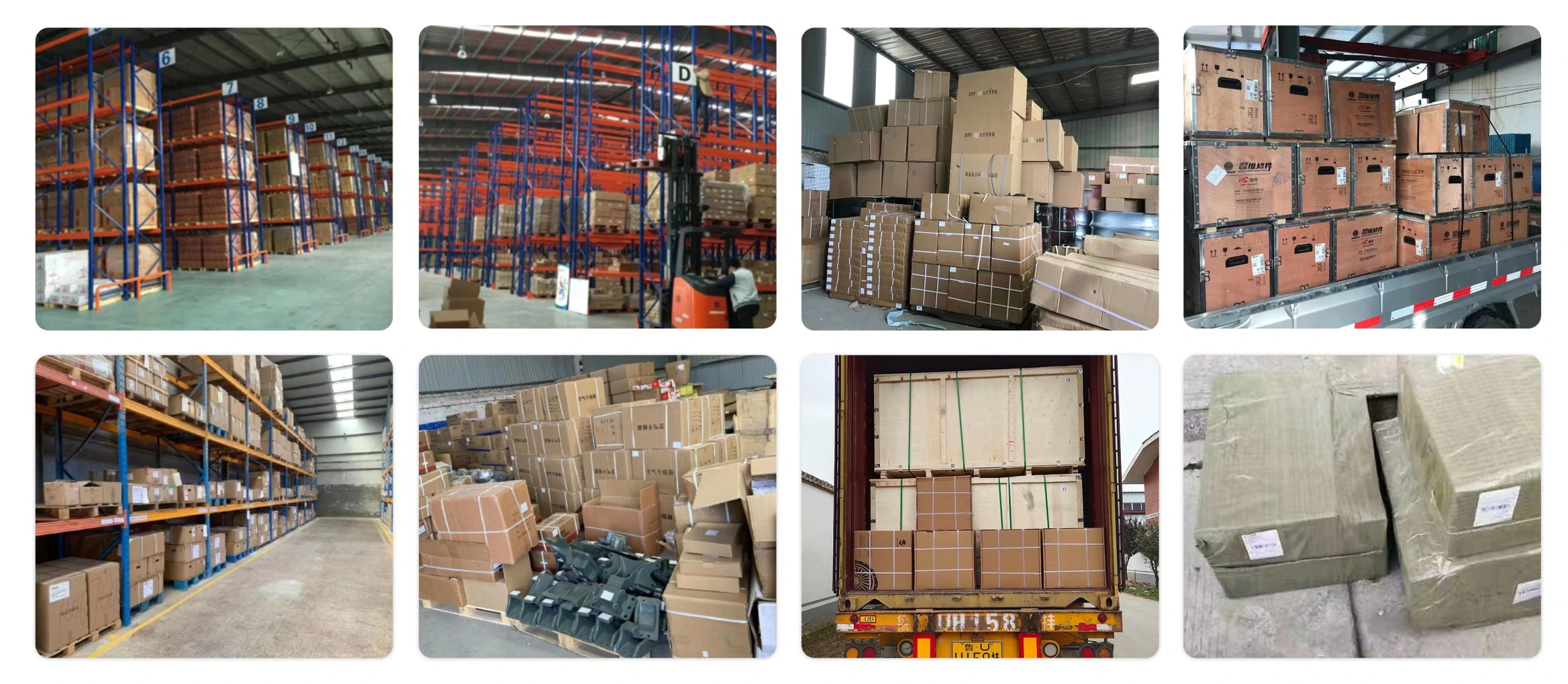
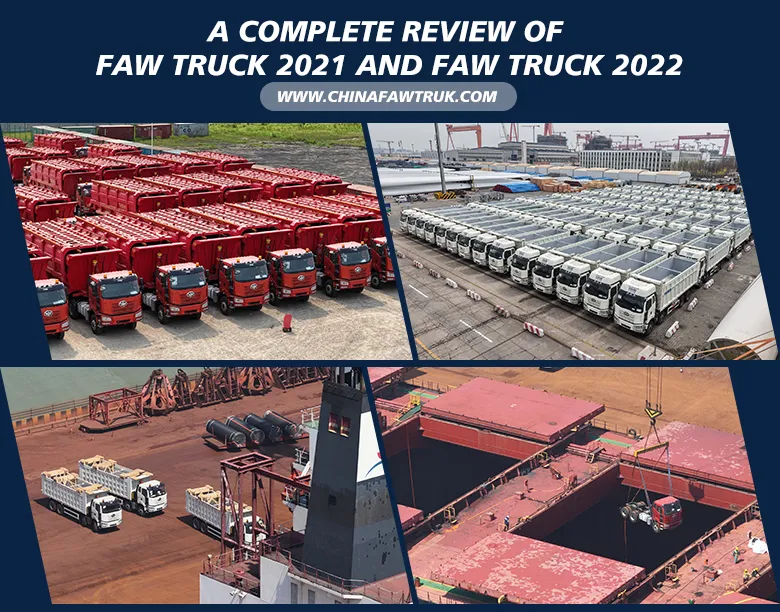
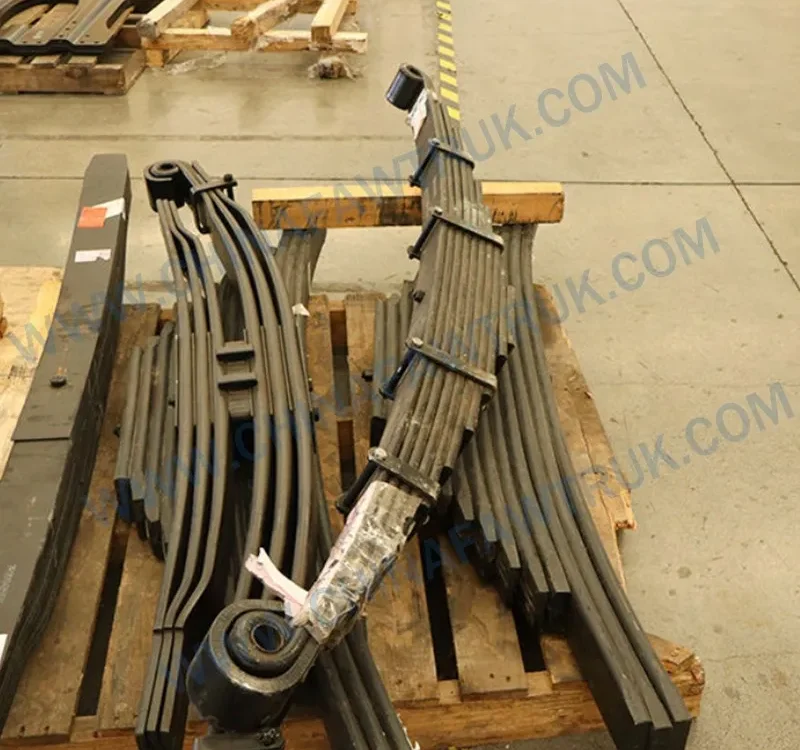
FAW parts, including the Cylinder Block Assembly, are packaged with care to ensure safe delivery. Each component is secured in protective materials to prevent damage during transit. The logistics network guarantees timely shipments worldwide, supporting efficient maintenance operations. Below is an image illustrating the standard packaging for FAW truck parts, showcasing the attention to detail in handling and storage.
This packaging approach minimizes the risk of corrosion or impact damage, ensuring that parts like the FAW Cylinder Block Assembly arrive in perfect condition. Customers can rely on FAW’s logistics for consistent quality and reliability.