Conjunto de eixo intermediário russo FAW: Masterização 16 Componentes Críticos para Torque de Transmissão Inflexível
O Conjunto de eixo intermediário russo FAW, muitas vezes chamado de contraeixo, é a coluna multiplicadora de torque da transmissão CA3250P66K24L1TE5Z. Projetado para as cargas brutais da mineração na Sibéria, este conjunto transfere energia do eixo de entrada para as engrenagens principais. Este guia analisa o 16 componentes estratégicos, desde os rolamentos cilíndricos de alta carga até os conjuntos de engrenagens de corte preciso, garantindo a sobrevivência do sistema de transmissão em condições de -40°C.

Conjunto de eixo intermediário russo FAW
Núcleo Metalúrgico: A Estrutura do Eixo Intermediário
A fundação do Conjunto de eixo intermediário russo FAW é o Eixo intermediário (Parte não. 1701211-A7G). Este componente atua como viga central para todo o conjunto de engrenagens. Ao contrário do eixo principal, que depende de engrenagens flutuantes, as engrenagens do eixo intermediário são normalmente chavetadas ou montadas por pressão, tornando o próprio eixo sujeito a imensas forças de cisalhamento torcional. Os engenheiros da FAW fabricam este eixo em aço 20CrMnTi premium, que passa por um tratamento térmico de cementação em vários estágios. Este processo cria um exterior endurecido “pele” capaz de resistir ao desgaste por atrito dos furos das engrenagens, enquanto mantém um núcleo dúctil que pode absorver as cargas de choque da queda da embreagem de um caminhão basculante sem quebrar.
No contexto do Conjunto de eixo intermediário russo FAW, a estabilidade dimensional do eixo em frio extremo é crítica. A -40ºC, contratos de aço. Se a contração linear do eixo não corresponder à carcaça da caixa de engrenagens, pode pré-carregar os rolamentos, levando ao fracasso. A liga utilizada nesta montagem é selecionada pelo seu coeficiente de expansão térmica controlado. Além disso, as ranhuras usinadas no eixo são retificadas com precisão para aceitar o Chave Woodruff (Parte não. 1701226-A7G) e o Chave plana (Parte não. 1701228-A7G).
O uso de uma chave Woodruff (semicircular) é uma escolha de design específica para o Conjunto de eixo intermediário russo FAW. Seu formato permite o autoalinhamento no assento da chave, acomodando pequenas conicidades no cubo da engrenagem durante a instalação. Isso garante que a transferência de torque do eixo para as engrenagens seja distribuída uniformemente ao longo do flanco da chaveta, impedindo o “rolando” falha comum com chaves planas padrão sob cargas pesadas de impulso. Este robusto mecanismo de travamento é essencial para manter o sincronismo e a sincronização de todo o trem de engrenagens.
Lógica de engrenagem: Perfis de contato otimizados
O músculo do Conjunto de eixo intermediário russo FAW está em sua pilha de engrenagens. Isto inclui o 2segunda engrenagem – Eixo intermediário (Parte não. 1701212-A7G), 3Terceira marcha – Eixo intermediário (Parte não. 1701213-A7G), e 5a engrenagem – Eixo intermediário (Parte não. 1701214-A1K). Essas engrenagens não são simples engrenagens; eles são cortados helicoidalmente com um perfil evolvente modificado. O ângulo helicoidal proporciona um engate gradual dos dentes, distribuindo a carga por vários dentes simultaneamente. Isto aumenta a capacidade de torque do Conjunto de eixo intermediário russo FAW e reduz significativamente o ruído das engrenagens, um fator chave no conforto do motorista.
Crucial para a aplicação em caminhões basculantes é o Engrenagem de redução – Eixo intermediário (Parte não. 1701217-A1K). Esta engrenagem lida com a multiplicação de torque necessária para sair de poços de mineração lamacentos. Os filetes da raiz do dente nesta engrenagem específica são jateados para induzir tensão residual compressiva, evitando que rachaduras por fadiga se iniciem sob alto torque, condições de baixa rotação. No Conjunto de eixo intermediário russo FAW, esta engrenagem geralmente sofre a maior carga por dente, tornando sua integridade metalúrgica primordial.
Adicionalmente, a montagem inclui o Engrenagem da tomada de força esquerda (Parte não. 1701246-A7G). Tomada de força (PTO) capacidade é essencial para operar a plataforma de descarga hidráulica. Ao integrar a engrenagem motriz da tomada de força diretamente no eixo intermediário, o Conjunto de eixo intermediário russo FAW garante uma robustez, caminho de energia direto para hidráulica auxiliar. Esta engrenagem deve suportar as cargas de choque repentinas do acionamento da bomba hidráulica, muitas vezes feito enquanto o fluido de transmissão está frio e viscoso, exigindo dureza superficial excepcional para resistir à corrosão.
Dinâmica de Rolamentos: Gerenciamento de carga de rolos cilíndricos
Suportando a massa rotacional do Conjunto de eixo intermediário russo FAW são rolamentos de rolos de alta capacidade. A montagem utiliza o Rolamento de rolo cilíndrico (Parte não. NCL 308 IR) na parte traseira e um sistema de rolamento multi-peças na frente, compreendendo o Anel Externo (Parte não. NÃO 309 NRB1/YA6-1) e Anel interno com anel de parada (Parte não. NÃO 309 NRB1/YA6-2). Os rolamentos de rolos cilíndricos são escolhidos em vez dos rolamentos de esferas para Conjunto de eixo intermediário russo FAW porque oferecem uma capacidade de carga radial significativamente maior.
O “NCL” e “NÃO” as designações referem-se ao arranjo específico das nervuras do rolamento, que permitem flutuação axial ou localização. No contexto do Conjunto de eixo intermediário russo FAW, lidar com a expansão térmica é crítico. À medida que a transmissão esquenta, o eixo aumenta. O projeto do rolamento deve permitir esse crescimento axial sem emperrar. O rolamento do tipo NCL normalmente possui flanges integrados nos anéis interno e externo, permitindo que ele suporte alguma carga axial, enquanto o tipo NU permite que o eixo deslize através do rolamento em relação à caixa, acomodando perfeitamente a expansão térmica.
No Ártico Russo, a lubrificação desses rolamentos é um grande desafio. A -40ºC, o óleo de engrenagem engrossa em uma pasta semissólida. O design da gaiola do Conjunto de eixo intermediário russo FAW rolamentos são otimizados para cortar esse fluido viscoso, garantindo que os rolos não derrapem. Rolos deslizantes criam pontos planos e falhas rápidas. As folgas internas (C3 ou similar) também são calibrados para garantir que, mesmo quando a pista externa estiver comprimida pelo alojamento frio, os corpos rolantes têm espaço suficiente para girar livremente, prevenção de convulsão por partida a frio.
Lógica de Retenção: Anéis elásticos e defletores
Manter as engrenagens e rolamentos localizados no eixo requer retenção positiva. O Conjunto de eixo intermediário russo FAW emprega anéis elásticos resistentes, como o Anel de encaixe – Rolamento traseiro do eixo intermediário (Parte não. 1701236-A7G) e o Anel de encaixe – Engrenagem de redução (Parte não. 1701229-A7G). Estes não são clipes estampados padrão; eles são usinados em aço para molas com alto teor de carbono. Eles devem resistir ao imenso impulso axial gerado pelas engrenagens helicoidais, que tenta empurrar as engrenagens para fora do eixo.
O Pino Cilíndrico Elástico (Parte não. Q5280510) é outro componente crítico de segurança. Provavelmente usado para fixar uma engrenagem ou colar que requer alinhamento radial preciso, este pino foi projetado para comprimir levemente após a inserção, criando um ajuste de fricção que é imune à vibração. No Conjunto de eixo intermediário russo FAW, vibração é o inimigo. As frequências harmônicas constantes do motor diesel podem soltar os fixadores padrão. O pino elástico mantém sua aderência durante anos de serviço.
O gerenciamento de fluidos dentro da caixa do rolamento é feito pelo Confuso – Rolamento dianteiro do eixo intermediário (Parte não. 1701233-A7G). Esta placa simples desempenha uma função vital: evita que o óleo agitado pelas engrenagens inunde excessivamente a cavidade do rolamento, o que causa aeração do fluido e superaquecimento (perdas agitadas). Simultaneamente, garante que um nível de óleo consistente seja mantido ao redor dos rolos para lubrificação. Este equilíbrio no controle do fluxo de óleo é um aspecto sutil, mas essencial, do Conjunto de eixo intermediário russo FAW lógica de projeto.
Divisão de Componentes: 104. Conjunto de eixo intermediário
| Não. |
Número da peça |
Nome da peça |
Quantidade |
| 1 | 1701236-A7G | Anel de encaixe – Rolamento traseiro do eixo intermediário | 1 |
| 2 | NCL 308 IR | Rolamento de rolo cilíndrico | 1 |
| 3 | 1701211-A7G | Eixo intermediário | 1 |
| 4 | 1701226-A7G | Chave Woodruff | 1 |
| 5 | Q5280510 | Pino Cilíndrico Elástico | 1 |
| 6 | 1701228-A7G | Chave plana | 1 |
| 7 | 1701212-A7G | 2segunda engrenagem – Eixo intermediário | 1 |
| 8 | 1701213-A7G | 3Terceira marcha – Eixo intermediário | 1 |
| 9 | 1701214-A1K | 5a engrenagem – Eixo intermediário | 1 |
| 10 | 1701246-A7G | Engrenagem da tomada de força esquerda | 1 |
| 11 | 1701217-A1K | Engrenagem de redução – Eixo intermediário | 1 |
| 12 | 1701229-A7G | Anel de encaixe – Engrenagem de redução | 1 |
| 13 | NÃO 309 NRB1/YA6-1 | Anel Externo – Rolamento de rolo cilíndrico | 1 |
| 14 | NÃO 309 NRB1/YA6-2 | Anel interno com anel de parada – Rolamento de rolo cilíndrico | 1 |
| 15 | 1701233-A7G | Confuso – Rolamento dianteiro do eixo intermediário | 1 |
| 16 | CQ1511655S | Parafuso de cabeça hexagonal | 1 |
Conclusão: A espinha dorsal do torque
O Conjunto de eixo intermediário russo FAW é a espinha dorsal do fornecimento de energia da transmissão CA3250P66K24L1TE5Z. Seus componentes são projetados não apenas para transmitir força, mas para suportar as condições ambientais extremas da Federação Russa. Da metalurgia resistente ao frio do eixo à folga especializada dos rolamentos de rolos, cada parte é otimizada para tempo de atividade.
Para reconstruções de transmissão, a adesão aos números de peça específicos é crítica. Substituindo um rolamento padrão pelo especializado “C3” unidade de liberação ou usar uma chave genérica em vez da chave Woodruff pode levar a uma falha catastrófica da caixa de engrenagens. Ao investir no genuíno Conjunto de eixo intermediário russo FAW componentes, os operadores de frota garantem que seus caminhões possam continuar a transportar cargas pesadas através da neve mais profunda e dos declives mais íngremes sem vacilar.
Embalagem e Logística
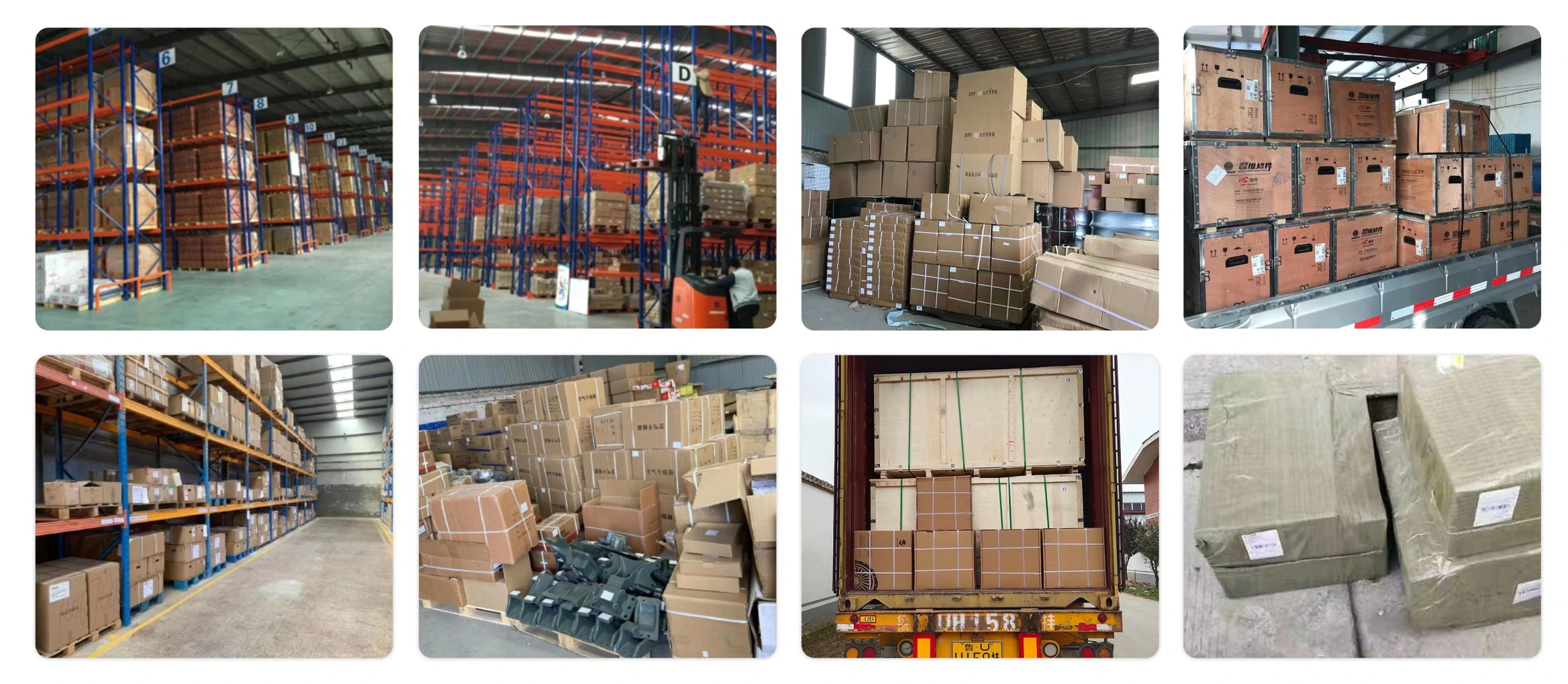
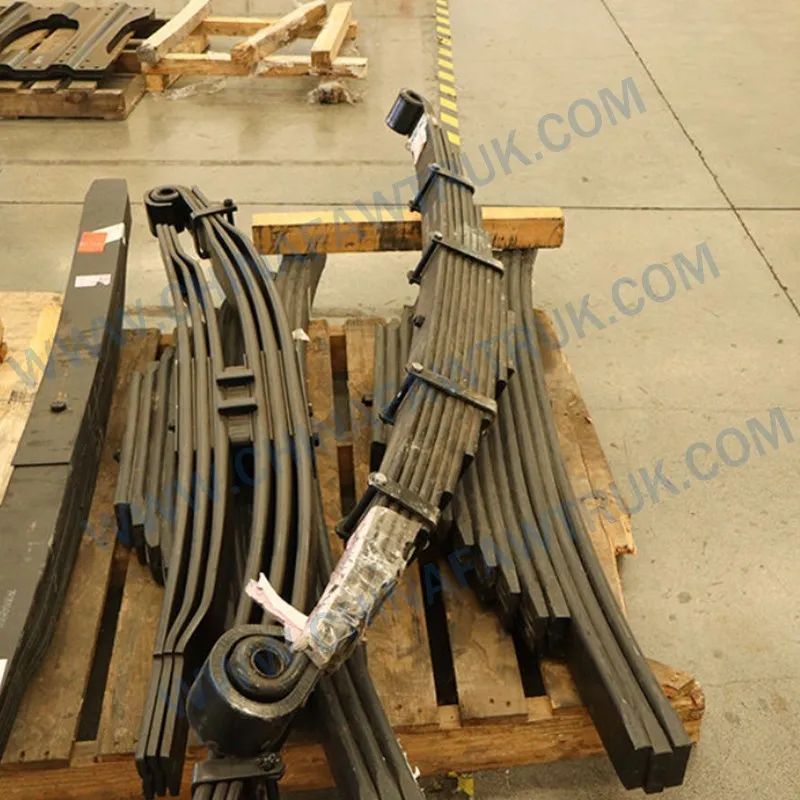
Peças FAW, incluindo o conjunto do bloco de cilindros, são embalados com cuidado para garantir uma entrega segura. Cada componente é protegido por materiais de proteção para evitar danos durante o transporte. A rede logística garante envios pontuais em todo o mundo, apoiando operações de manutenção eficientes. Abaixo está uma imagem ilustrando a embalagem padrão para peças de caminhão FAW, mostrando a atenção aos detalhes no manuseio e armazenamento.
Esta abordagem de embalagem minimiza o risco de corrosão ou danos por impacto, garantindo que peças como o conjunto do bloco de cilindros FAW cheguem em perfeitas condições. Os clientes podem confiar na logística da FAW para obter qualidade e confiabilidade consistentes.