FAW Russian Nitrogen-Oxygen Sensor Assembly: Integrating 4 Precision Elements for Optimized Emission Control
The FAW Russian Nitrogen-Oxygen Sensor logic assembly is the sophisticated chemical analysis unit at the heart of the CA3250P66K24L1TE5Z dump truck’s emission control system. As global environmental standards tighten, even for off-road mining vehicles operating in the Siberian wilderness, the precision of the FAW Russian Nitrogen-Oxygen Sensor becomes paramount. This assembly monitors the efficiency of the Selective Catalytic Reduction (SCR) system, ensuring that the heavy-duty diesel engine complies with regulatory standards while maintaining peak fuel efficiency in temperatures as low as -50°C.

FAW Russian Nitrogen-Oxygen Sensor
| No. |
Part Number |
Part Name |
Qty |
| 1 | 3602510-51B | Nitrogen-Oxygen Sensor Assembly | 1 |
| 2 | 3602546-81W | Nitrogen-Oxygen Sensor Upper Bracket | 1 |
| 3 | CQ39606 | Hexagon Flange Nut | 2 |
| 4 | Q1840616 | Hexagon Flange Bolt (Coarse Shank/Standard) | 4 |
Electro-Chemical Precision in Arctic Conditions
The core of the FAW Russian Nitrogen-Oxygen Sensor logic assembly is the Nitrogen-Oxygen Sensor Assembly (Part No. 3602510-51B). This smart sensor is far more than a simple probe; it contains a dedicated microprocessor and a ceramic sensing element utilizing zirconia technology. In the context of the FAW Russian Nitrogen-Oxygen Sensor application, this component performs real-time analysis of the exhaust gas stream, measuring both the concentration of nitrogen oxides (NOx) in parts per million and the oxygen content. This dual-data stream is communicated to the ECU via a CAN bus interface, allowing the engine to adjust the Diesel Exhaust Fluid (AdBlue) dosing rate dynamically.
Operating a delicate ceramic sensor in the Russian Arctic presents unique challenges. The FAW Russian Nitrogen-Oxygen Sensor features an advanced internal heating strategy. Upon startup in -40°C weather, the sensor must rapidly reach its operating temperature of over 700°C. However, heating too quickly can cause thermal shock if any condensation or frozen urea droplets hit the ceramic element. The logic within the FAW Russian Nitrogen-Oxygen Sensor carefully manages this “dew point” detection phase, delaying full heating until the exhaust system is dry, thereby preventing catastrophic sensor fracture—a common failure mode in lesser systems.
The “51B” designation of the Nitrogen-Oxygen Sensor Assembly indicates a specific calibration map tailored for the fuel grades and operating cycles of the Russian market. It is designed to resist poisoning from high-sulfur diesel, which can coat the sensing element and degrade accuracy. By maintaining precise feedback loops, the FAW Russian Nitrogen-Oxygen Sensor ensures the truck remains compliant with emissions regulations without triggering “limp mode” power derating, which could strand a vehicle in a dangerous remote location.
Structural Mounting and Vibration Isolation
The longevity of the FAW Russian Nitrogen-Oxygen Sensor is heavily dependent on how it is physically integrated into the exhaust aftertreatment system. The sensor control module (the metal box housing the electronics) is mounted via the Nitrogen-Oxygen Sensor Upper Bracket (Part No. 3602546-81W). This bracket is engineered with a specific resonant frequency to decouple the sensitive electronics from the intense low-frequency vibrations generated by the 6-cylinder diesel engine. In the FAW Russian Nitrogen-Oxygen Sensor setup, this isolation is critical for preventing solder joint fatigue on the internal PCB.
The mounting location of the Nitrogen-Oxygen Sensor Upper Bracket is also strategic. It positions the control module away from the direct radiant heat of the exhaust pipe, utilizing airflow around the chassis to keep the electronics cool. However, it keeps the probe cable short to minimize signal interference. The bracket is constructed from corrosion-resistant galvanized steel, ensuring that the FAW Russian Nitrogen-Oxygen Sensor remains securely attached even after years of exposure to road salts and acidic exhaust condensate.
Furthermore, the orientation of the FAW Russian Nitrogen-Oxygen Sensor probe is dictated by the bracket geometry. It ensures the probe enters the exhaust stream at an angle that prevents condensation from pooling inside the sensor shield. Gravity drainage is essential for the survival of the Nitrogen-Oxygen Sensor Assembly during the cool-down phase after the engine is turned off in freezing temperatures. The bracket design forces this correct orientation, removing the variable of installation error during field maintenance.
Fastener Integrity and Electrical Grounding
Securement of the FAW Russian Nitrogen-Oxygen Sensor assembly relies on specific high-grade fasteners. The bracket is attached using the Hexagon Flange Bolt (Part No. Q1840616). The use of a “Coarse Shank” design provides superior shear strength, ensuring the bracket does not shift. The flange head design distributes the clamping load over a wider area, preventing the bolt head from embedding into the bracket material. For the FAW Russian Nitrogen-Oxygen Sensor, these bolts also play a secondary role in establishing a chassis ground reference for the sensor shield.
The mating fasteners are the Hexagon Flange Nut (Part No. CQ39606). These nuts feature a serrated face that bites into the metal surface, acting as a locking mechanism against vibration. In the FAW Russian Nitrogen-Oxygen Sensor application, these nuts must be torqued to specific factory settings. Over-torquing can distort the bracket and transmit excessive vibration to the sensor module; under-torquing can lead to the assembly rattling loose. The zinc-flake coating on these fasteners ensures they can be removed for service even after years of corrosion attack.
Electrical connection security is another aspect of the FAW Russian Nitrogen-Oxygen Sensor installation. While not a separate mechanical part, the connector locking mechanism on the sensor harness is integral to the assembly’s reliability. The Nitrogen-Oxygen Sensor Assembly features a heavy-duty connector with quadruple-seal technology to prevent water ingress. The routing of the harness is secured to the Nitrogen-Oxygen Sensor Upper Bracket to prevent cable whip, which could damage the internal wires of the FAW Russian Nitrogen-Oxygen Sensor.
Diagnostics and Operational Logic
The FAW Russian Nitrogen-Oxygen Sensor is a smart device capable of self-diagnosis. It continuously monitors its internal resistance, heater circuit integrity, and signal rationality. If the Nitrogen-Oxygen Sensor Assembly detects a fault, such as an open heater circuit or an implausible NOx reading, it broadcasts a specific error code to the ECU. Understanding these codes is essential for technicians servicing the FAW Russian Nitrogen-Oxygen Sensor. Often, a “sensor failure” code is actually a symptom of upstream issues like poor urea quality or exhaust leaks, rather than a defect in the sensor itself.
The operational logic of the FAW Russian Nitrogen-Oxygen Sensor includes an adaptation phase. When a new sensor is installed, the ECU must learn its specific characteristics. The Nitrogen-Oxygen Sensor Assembly is factory-calibrated, but slight variances exist. The sensor communicates its calibration data digitally, allowing the system to compensate for aging drift over time. This sophisticated interaction ensures that the FAW Russian Nitrogen-Oxygen Sensor maintains accurate reporting of emission levels throughout its service life, keeping the truck legal and operational.
Finally, the placement of the FAW Russian Nitrogen-Oxygen Sensor downstream of the SCR catalyst allows it to act as the final judge of the emissions system’s performance. By measuring the NOx levels post-treatment, it provides the feedback loop necessary for the urea dosing injector. If the Nitrogen-Oxygen Sensor Upper Bracket is loose or the sensor is improperly mounted, the readings can be skewed by air turbulence or exhaust leaks, leading to incorrect dosing. Thus, the mechanical integrity of the FAW Russian Nitrogen-Oxygen Sensor assembly is directly linked to the chemical efficiency of the engine.
Conclusion: The Sentinel of Clean Power
The FAW Russian Nitrogen-Oxygen Sensor assembly is a deceptively simple-looking component that performs one of the most complex tasks on the vehicle. Integrating advanced ceramics, digital processing, and rugged mechanical mounting, it stands as the guardian of compliance and efficiency. The 4 components listed—the sensor, bracket, bolts, and nuts—form a cohesive unit designed to protect the delicate sensing element from the brutal reality of the Russian job site.
For fleet operators, the FAW Russian Nitrogen-Oxygen Sensor represents a critical maintenance item. Ignoring a faulty sensor leads to increased fuel consumption and potential engine derating. By utilizing genuine replacement parts like the Nitrogen-Oxygen Sensor Assembly (Part No. 3602510-51B) and ensuring the Nitrogen-Oxygen Sensor Upper Bracket is securely fastened, maintenance teams can ensure their fleet operates cleanly and powerfully, regardless of the arctic conditions.
Packaging and Logistics
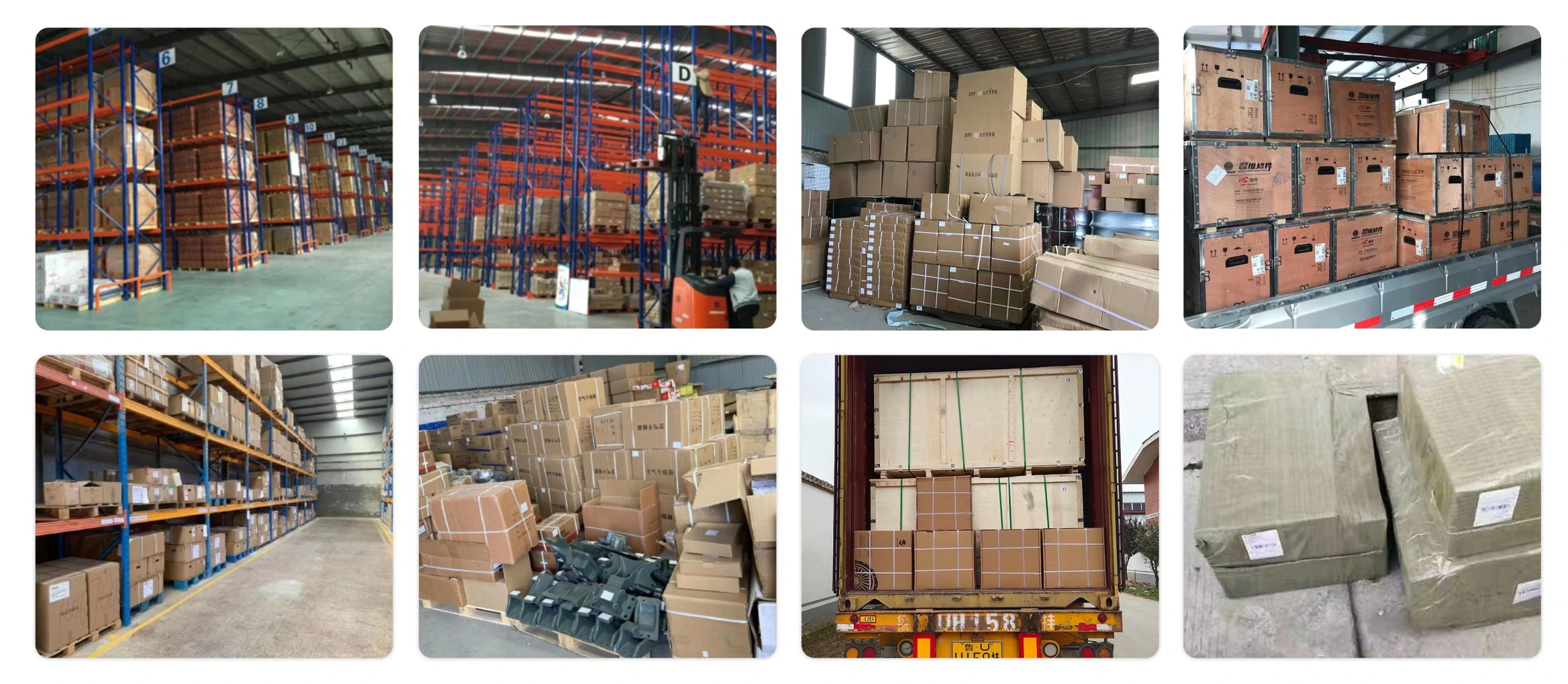
FAW parts, including the Cylinder Block Assembly, are packaged with care to ensure safe delivery. Each component is secured in protective materials to prevent damage during transit. The logistics network guarantees timely shipments worldwide, supporting efficient maintenance operations. Below is an image illustrating the standard packaging for FAW truck parts, showcasing the attention to detail in handling and storage.
This packaging approach minimizes the risk of corrosion or impact damage, ensuring that parts like the FAW Cylinder Block Assembly arrive in perfect condition. Customers can rely on FAW’s logistics for consistent quality and reliability.