FAW Russian High-Temperature Sensor Logic: The Thermal Sentinel Ensuring 100% Engine Safety in Arctic Extremes
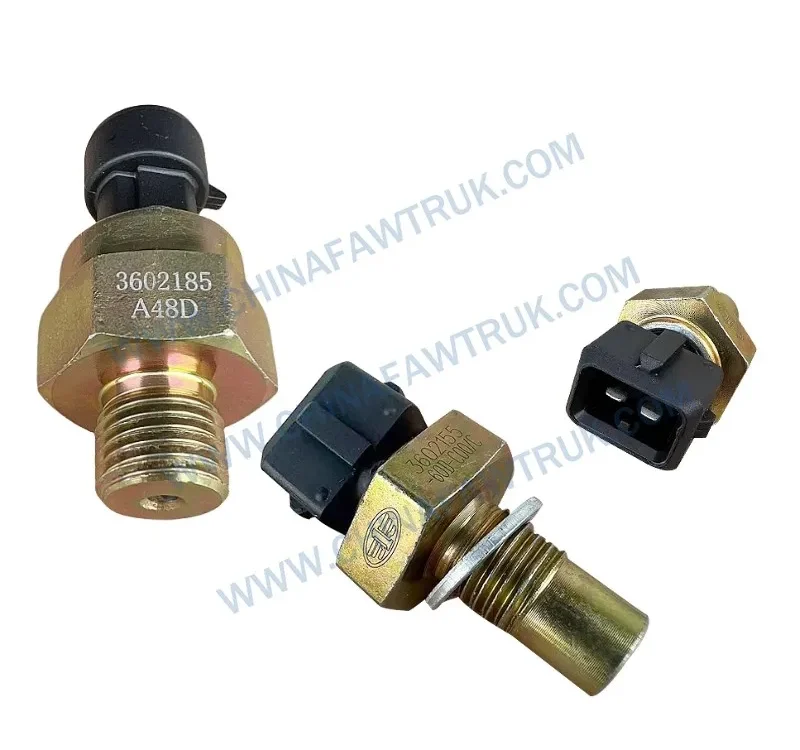
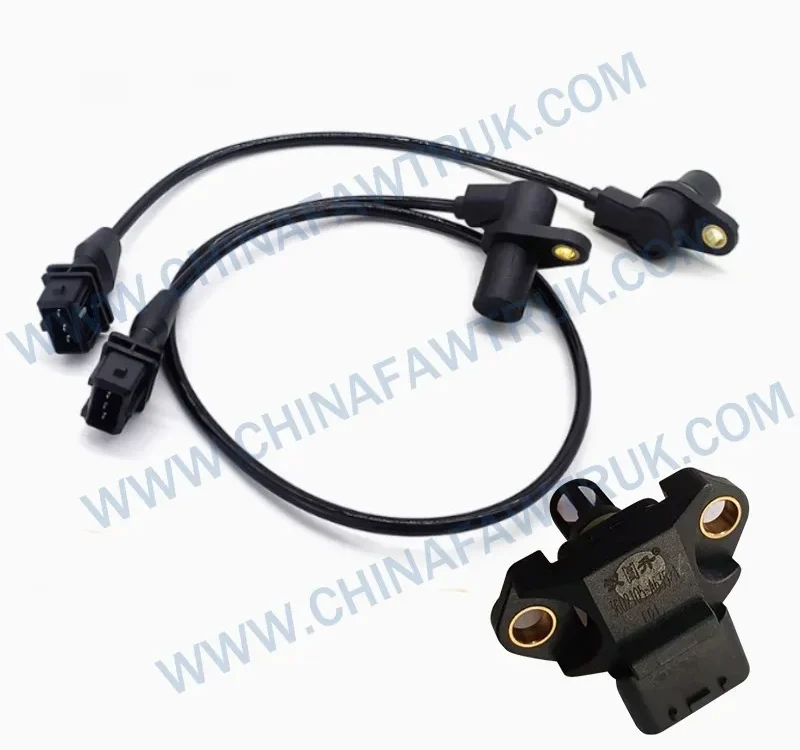
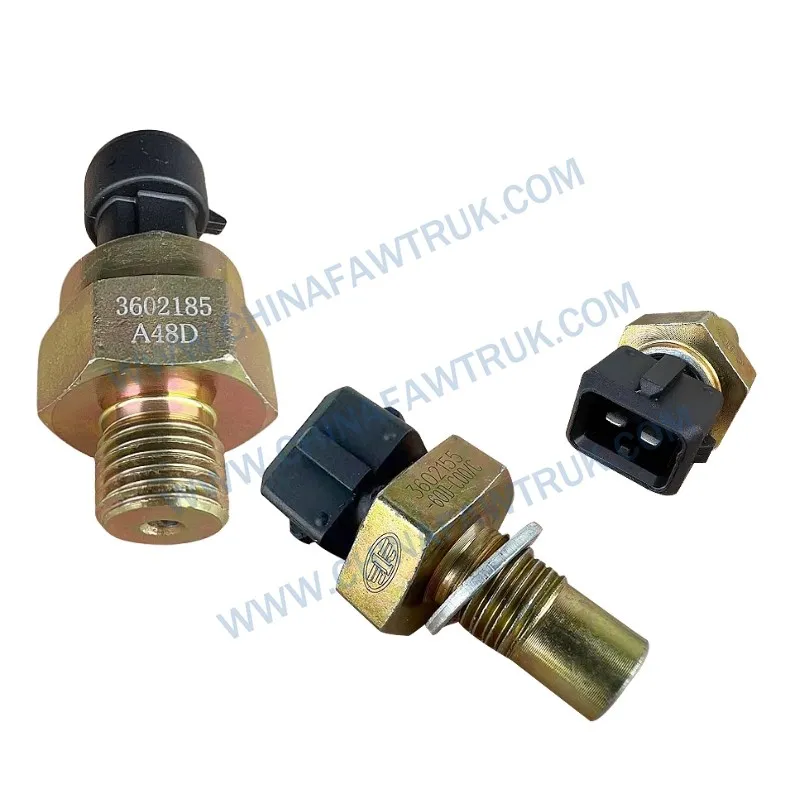
The FAW Russian High-Temperature Sensor is the critical thermal monitoring unit designed for the exhaust architecture of the CA3250P66K24L1TE5Z dump truck. Unlike standard temperature probes, this specialized logic assembly is calibrated to function with high precision amidst the rapid thermal cycling of the Russian winter. By providing real-time data on exhaust gas temperatures (EGT) to the Engine Control Unit (ECU), the FAW Russian High-Temperature Sensor protects the turbocharger and catalytic converter from thermal destruction while optimizing fuel injection timing for cold-start efficiency.

FAW Russian High-Temperature Sensor
| No. |
Part Number |
Part Name |
Qty |
| 1 | 3602505-51B-C00 | High Temperature Sensor Assembly | 1 |
Precise Thermal Management in Cryogenic Environments
The primary function of the FAW Russian High-Temperature Sensor is to provide the engine management system with accurate Exhaust Gas Temperature (EGT) readings. In the CA3250P66K24L1TE5Z dump truck, which is powered by a high-torque diesel engine, maintaining the correct thermal window is crucial. The sensor is strategically positioned in the exhaust stream, often pre-turbo or pre-catalyst, to capture the raw thermal output of the combustion process. The FAW Russian High-Temperature Sensor utilizes a thermistor-based element encased in a protective sheath, capable of registering temperatures exceeding 800°C while resisting the corrosive byproducts of diesel combustion.
In the Russian context, the challenge is not just measuring heat, but handling the extreme delta between the internal exhaust temperature and the freezing ambient air. When a truck operates in -40°C conditions, the thermal gradient across the sensor probe is immense. Standard sensors often fail due to thermal shock, where the ceramic elements crack under the stress of rapid heating or cooling. The FAW Russian High-Temperature Sensor features a specialized “51B-C00” specification, which includes a reinforced internal structure and a thermal decoupling design that isolates the sensing element from the rapid contraction of the external mounting boss.
Accurate data from the FAW Russian High-Temperature Sensor allows the ECU to optimize the fuel-air mixture. During a cold start in Siberia, the engine needs to reach operating temperature quickly to prevent wet stacking and ensure efficient combustion. The sensor feedback allows the computer to adjust injection timing to generate necessary heat without overheating the pistons. Furthermore, if the FAW Russian High-Temperature Sensor detects temperatures climbing beyond safe limits—indicating a potential cooling system failure or lean running condition—it triggers a protective derating mode, saving the engine from catastrophic seizure.
Protection of Aftertreatment Systems
Modern emission standards require complex aftertreatment systems, including Selective Catalytic Reduction (SCR) and Diesel Particulate Filters (DPF). The FAW Russian High-Temperature Sensor plays a pivotal role in the health of these systems. The chemical reactions required to neutralize NOx and burn off soot only occur within specific temperature ranges. If the exhaust is too cold, the urea (AdBlue) will not atomize but instead crystallize, clogging the injector and the catalyst. The FAW Russian High-Temperature Sensor ensures that the dosing system only activates when the exhaust stream is hot enough to support the reaction.
Conversely, excessive heat can sinter the catalyst substrate or melt the DPF core. By continuously monitoring the EGT, the FAW Russian High-Temperature Sensor acts as a safeguard. If temperatures spike during a regeneration cycle or heavy load climbing, the sensor signals the ECU to alter the fueling strategy, effectively cooling the exhaust stream. This active thermal management extends the life of the expensive aftertreatment components, which is vital for reducing operating costs in remote Russian mining sites where spare parts logistics can be challenging.
The durability of the FAW Russian High-Temperature Sensor itself is ensured by its high-grade stainless steel body and mineral-insulated cable. The cable routing is designed to withstand the vibration of the dump truck chassis while remaining flexible in sub-zero temperatures. Any breach in the cable insulation could lead to a short circuit or signal drift. Therefore, the FAW Russian High-Temperature Sensor assembly includes integrated strain relief and heat shielding to protect the wiring harness from the radiant heat of the exhaust manifold it monitors.
Signal Logic and Diagnostics
The FAW Russian High-Temperature Sensor operates on a specific resistance-temperature curve tailored for the J6P’s Bosch or Denso management systems. As the temperature rises, the internal resistance of the thermistor changes predictably. The ECU sends a reference voltage to the sensor and interprets the returning voltage drop as a temperature value. The precision of the FAW Russian High-Temperature Sensor is critical; a drift of just 50 degrees can lead to inefficient regeneration cycles or false error codes.
The “Logic Assembly” aspect of the FAW Russian High-Temperature Sensor refers to the integrated processing capability often found in modern smart sensors or the ECU’s interpretation algorithms. The system checks the sensor’s rationality by comparing it with other data points, such as coolant temperature and intake air temperature, especially during a cold start. If the FAW Russian High-Temperature Sensor reports 300°C when the engine has been off for 12 hours in a Siberian winter, the logic immediately flags a “circuit high” or “plausibility” fault, preventing the engine from running on erroneous data.
Furthermore, the sensor’s response time is a key performance metric. In dynamic driving conditions, exhaust temperatures fluctuate rapidly. A sluggish sensor (often caused by thick soot deposits or inferior aftermarket materials) causes a lag in the control loop. This lag results in the engine reacting too slowly to thermal events, leading to smoke puffs or momentary power loss. The genuine FAW Russian High-Temperature Sensor is designed with a low thermal mass tip to ensure millisecond-level response times, keeping the engine in its optimal performance zone.
Installation and Maintenance Protocols
Installing the FAW Russian High-Temperature Sensor requires adherence to strict torque specifications. The threaded boss on the exhaust pipe undergoes extreme thermal expansion. If the sensor is over-torqued, the threads can seize or the sensor body can distort, damaging the internal element. Conversely, under-torquing leads to exhaust leaks which can melt the sensor wiring. The FAW Russian High-Temperature Sensor comes with pre-applied high-temperature anti-seize compound to facilitate future removal, a crucial detail for maintenance in corrosive environments.
Regular inspection of the FAW Russian High-Temperature Sensor involves checking the probe tip for heavy soot accumulation. Excessive soot acts as an insulator, slowing down the sensor’s reading. While some buildup is normal, a thick crust indicates upstream issues like a leaking injector or a clogged air filter. Cleaning the sensor must be done with care to avoid damaging the ceramic tip. In many cases, replacing the FAW Russian High-Temperature Sensor is more cost-effective than risking reinstallation of a compromised unit.
Fleet managers must also verify the integrity of the connector. Water intrusion into the connector is a common cause of intermittent faults. The FAW Russian High-Temperature Sensor utilizes a sealed, weather-pack style connector designed to resist pressure washing and road spray. Ensuring the connector is clicked fully into place and the wiring is secured away from hot surfaces is as important as the sensor itself. Using only the genuine High Temperature Sensor Assembly (Part No. 3602505-51B-C00) guarantees compatibility with the truck’s wiring harness and ECU logic.
Conclusion: The Guardian of Engine Health
The FAW Russian High-Temperature Sensor is a deceptively simple component that carries the weight of the entire engine’s thermal safety. By providing accurate, real-time temperature data, it allows the CA3250P66K24L1TE5Z to balance power, efficiency, and emissions compliance even in the most hostile environments. It is the first line of defense against thermal overload and the key enabler for modern aftertreatment systems.
For operators in the Russian North, the FAW Russian High-Temperature Sensor is not just a sensor; it is an insurance policy for the powertrain. Substituting this critical part with a generic alternative risks engine damage and regulatory non-compliance. By maintaining this sensor and responding promptly to its diagnostic codes, fleet owners ensure that their FAW trucks remain reliable workhorses, capable of delivering peak performance regardless of the freezing temperatures outside.
Packaging and Logistics
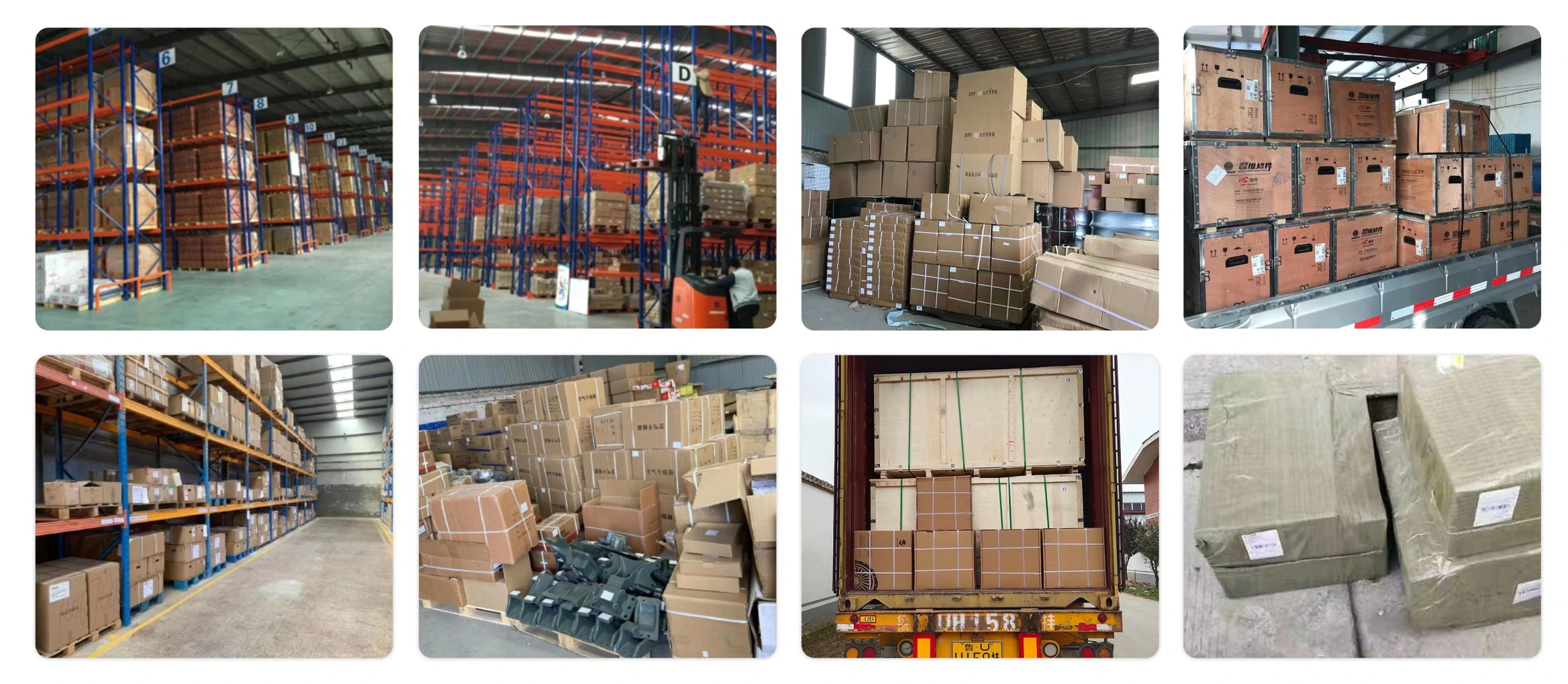
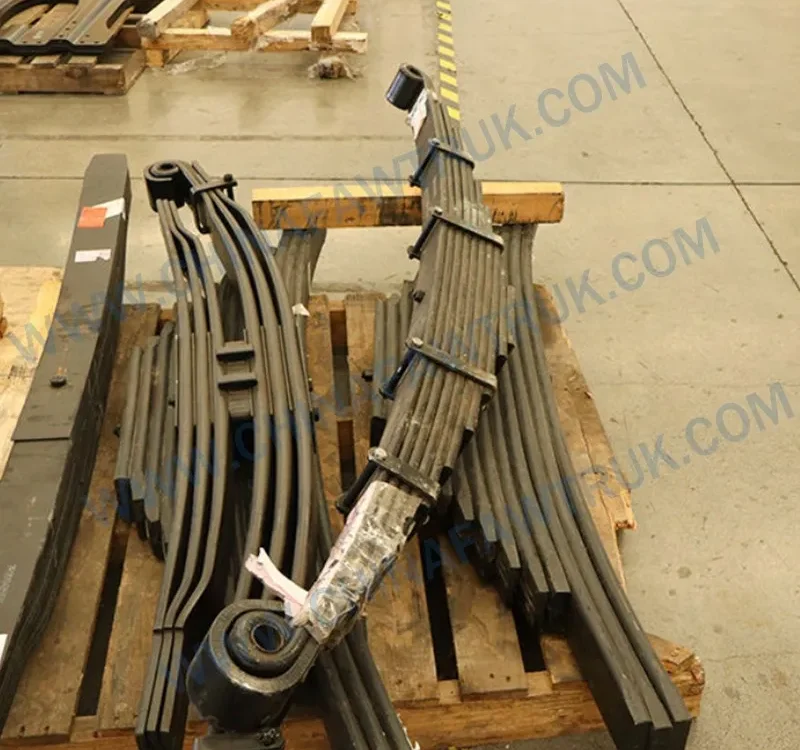
FAW parts, including the Cylinder Block Assembly, are packaged with care to ensure safe delivery. Each component is secured in protective materials to prevent damage during transit. The logistics network guarantees timely shipments worldwide, supporting efficient maintenance operations. Below is an image illustrating the standard packaging for FAW truck parts, showcasing the attention to detail in handling and storage.
This packaging approach minimizes the risk of corrosion or impact damage, ensuring that parts like the FAW Cylinder Block Assembly arrive in perfect condition. Customers can rely on FAW’s logistics for consistent quality and reliability.