Ensemble capteur d'azote et d'oxygène russe FAW: Intégration 4 Éléments de précision pour un contrôle optimisé des émissions
Le Capteur d'azote et d'oxygène russe FAW L'ensemble logique est l'unité d'analyse chimique sophistiquée au cœur du système de contrôle des émissions du camion-benne CA3250P66K24L1TE5Z.. Alors que les normes environnementales mondiales se durcissent, même pour les véhicules miniers tout-terrain opérant dans la nature sauvage de Sibérie, la précision du Capteur d'azote et d'oxygène russe FAW devient primordial. Cet ensemble surveille l'efficacité de la réduction catalytique sélective (SCR) système, garantir que le moteur diesel robuste est conforme aux normes réglementaires tout en maintenant une efficacité énergétique maximale à des températures aussi basses que -50 °C.

Capteur d'azote et d'oxygène russe FAW
| Non. |
Numéro de pièce |
Nom de la pièce |
Quantité |
| 1 | 3602510-51B | Ensemble capteur d'azote et d'oxygène | 1 |
| 2 | 3602546-81W | Support supérieur du capteur d'azote et d'oxygène | 1 |
| 3 | CQ39606 | Écrou à bride hexagonale | 2 |
| 4 | Q1840616 | Boulon à bride hexagonale (Queue grossière/standard) | 4 |
Précision électrochimique dans des conditions arctiques
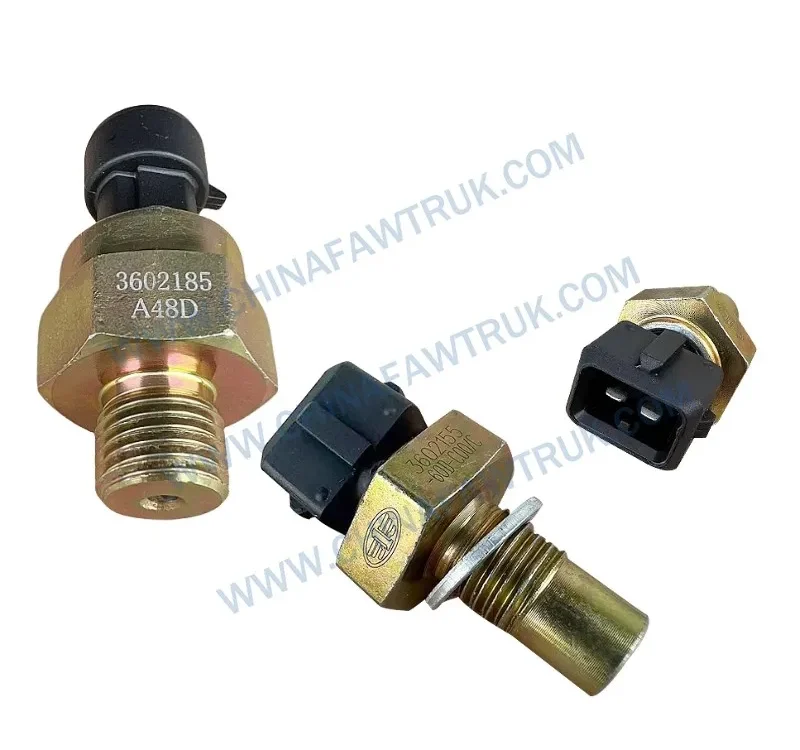
Le noyau du Capteur d'azote et d'oxygène russe FAW l'assemblage logique est le Ensemble capteur d'azote et d'oxygène (Partie no. 3602510-51B). Ce capteur intelligent est bien plus qu’une simple sonde; il contient un microprocesseur dédié et un élément de détection en céramique utilisant la technologie de la zircone. Dans le contexte du Capteur d'azote et d'oxygène russe FAW application, ce composant effectue une analyse en temps réel du flux de gaz d'échappement, mesurer à la fois la concentration d'oxydes d'azote (NOx) en parties par million et la teneur en oxygène. Ce double flux de données est communiqué à l'ECU via une interface de bus CAN, permettant au moteur d'ajuster le liquide d'échappement diesel (AdBlue) débit de dosage dynamique.
L’exploitation d’un capteur en céramique délicat dans l’Arctique russe présente des défis uniques. Le Capteur d'azote et d'oxygène russe FAW dispose d'une stratégie de chauffage interne avancée. Au démarrage par -40°C, le capteur doit atteindre rapidement sa température de fonctionnement supérieure à 700°C. Cependant, un chauffage trop rapide peut provoquer un choc thermique si de la condensation ou des gouttelettes d'urée gelées frappent l'élément en céramique. La logique au sein du Capteur d'azote et d'oxygène russe FAW gère cela avec soin “point de rosée” phase de détection, retarder le chauffage complet jusqu'à ce que le système d'échappement soit sec, évitant ainsi une rupture catastrophique du capteur, un mode de défaillance courant dans les systèmes de moindre importance..
Le “51B” désignation du Ensemble capteur d'azote et d'oxygène indique une carte d'étalonnage spécifique adaptée aux qualités de carburant et aux cycles de fonctionnement du marché russe. Il est conçu pour résister à l'empoisonnement par le diesel à haute teneur en soufre., ce qui peut recouvrir l'élément de détection et dégrader la précision. En maintenant des boucles de rétroaction précises, le Capteur d'azote et d'oxygène russe FAW garantit que le camion reste conforme aux réglementations sur les émissions sans déclencher “mode boiteux” déclassement de puissance, ce qui pourrait bloquer un véhicule dans un endroit éloigné et dangereux.
Montage structurel et isolation des vibrations
La longévité du Capteur d'azote et d'oxygène russe FAW dépend fortement de la manière dont il est physiquement intégré au système de post-traitement des gaz d'échappement. Le module de contrôle du capteur (le boîtier métallique abritant l'électronique) est monté via le Support supérieur du capteur d'azote et d'oxygène (Partie no. 3602546-81W). Ce support est conçu avec une fréquence de résonance spécifique pour découpler l'électronique sensible des vibrations intenses à basse fréquence générées par le moteur diesel 6 cylindres.. Dans le Capteur d'azote et d'oxygène russe FAW installation, cette isolation est essentielle pour éviter la fatigue des joints de soudure sur le PCB interne.
L'emplacement de montage du Support supérieur du capteur d'azote et d'oxygène est également stratégique. Il positionne le module de commande à l'écart de la chaleur rayonnante directe du tuyau d'échappement., utiliser le flux d'air autour du châssis pour garder l'électronique au frais. Cependant, il maintient le câble de la sonde court pour minimiser les interférences du signal. Le support est construit en acier galvanisé résistant à la corrosion, s'assurer que le Capteur d'azote et d'oxygène russe FAW reste solidement fixé même après des années d'exposition aux sels de déneigement et aux condensats d'échappement acides.
En outre, l'orientation du Capteur d'azote et d'oxygène russe FAW la sonde est dictée par la géométrie du support. Il garantit que la sonde pénètre dans le flux d'échappement selon un angle qui empêche la condensation de s'accumuler à l'intérieur de la protection du capteur.. Le drainage gravitaire est essentiel à la survie du Ensemble capteur d'azote et d'oxygène pendant la phase de refroidissement après l'arrêt du moteur par temps glacial. La conception du support force cette orientation correcte, suppression de la variable d'erreur d'installation lors de la maintenance sur le terrain.
Intégrité des fixations et mise à la terre électrique
Sécurisation du Capteur d'azote et d'oxygène russe FAW l'assemblage repose sur des fixations spécifiques de haute qualité. Le support est fixé à l'aide du Boulon à bride hexagonale (Partie no. Q1840616). L'utilisation d'un “Tige grossière” la conception offre une résistance supérieure au cisaillement, s'assurer que le support ne bouge pas. La conception de la tête à bride répartit la charge de serrage sur une zone plus large, empêchant la tête du boulon de s'enfoncer dans le matériau du support. Pour le Capteur d'azote et d'oxygène russe FAW, ces boulons jouent également un rôle secondaire dans l'établissement d'une référence de masse du châssis pour le bouclier du capteur.
Les attaches correspondantes sont les Écrou à bride hexagonale (Partie no. CQ39606). Ces écrous comportent une face dentelée qui mord dans la surface métallique, agissant comme un mécanisme de verrouillage contre les vibrations. Dans le Capteur d'azote et d'oxygène russe FAW application, ces écrous doivent être serrés selon des réglages d'usine spécifiques. Un serrage excessif peut déformer le support et transmettre des vibrations excessives au module de capteur.; un serrage insuffisant peut entraîner le desserrage de l'assemblage. Le revêtement en flocons de zinc sur ces fixations garantit qu'elles peuvent être retirées pour l'entretien même après des années d'attaque corrosive..
La sécurité des connexions électriques est un autre aspect de la Capteur d'azote et d'oxygène russe FAW installation. Bien qu'il ne s'agisse pas d'une pièce mécanique distincte, le mécanisme de verrouillage du connecteur sur le faisceau du capteur fait partie intégrante de la fiabilité de l’ensemble. Le Ensemble capteur d'azote et d'oxygène dispose d'un connecteur robuste avec technologie à quadruple joint pour empêcher la pénétration de l'eau. Le passage du harnais est solidaire du Support supérieur du capteur d'azote et d'oxygène pour éviter le fouet du câble, ce qui pourrait endommager les fils internes du Capteur d'azote et d'oxygène russe FAW.
Diagnostic et logique opérationnelle
Le Capteur d'azote et d'oxygène russe FAW est un appareil intelligent capable d'auto-diagnostic. Il surveille en permanence sa résistance interne, intégrité du circuit de chauffage, et signaler la rationalité. Si le Ensemble capteur d'azote et d'oxygène détecte un défaut, comme un circuit de chauffage ouvert ou une lecture de NOx invraisemblable, il diffuse un code d'erreur spécifique au calculateur. Comprendre ces codes est essentiel pour les techniciens qui entretiennent le Capteur d'azote et d'oxygène russe FAW. Souvent, un “panne du capteur” le code est en fait un symptôme de problèmes en amont comme une mauvaise qualité de l'urée ou des fuites d'échappement, plutôt qu'un défaut dans le capteur lui-même.
La logique opérationnelle du Capteur d'azote et d'oxygène russe FAW comprend une phase d'adaptation. Lorsqu'un nouveau capteur est installé, le calculateur doit apprendre ses caractéristiques spécifiques. Le Ensemble capteur d'azote et d'oxygène est calibré en usine, mais de légères variations existent. Le capteur communique ses données d'étalonnage de manière numérique, permettre au système de compenser la dérive du vieillissement au fil du temps. Cette interaction sophistiquée garantit que le Capteur d'azote et d'oxygène russe FAW maintient des rapports précis sur les niveaux d'émission tout au long de sa durée de vie, garder le camion légal et opérationnel.
Enfin, le placement du Capteur d'azote et d'oxygène russe FAW en aval du catalyseur SCR, lui permet d’agir comme juge final de la performance du système d’émissions. En mesurant les niveaux de NOx après traitement, il fournit la boucle de rétroaction nécessaire à l'injecteur de dosage d'urée. Si le Support supérieur du capteur d'azote et d'oxygène est desserré ou le capteur est mal monté, les lectures peuvent être faussées par les turbulences de l'air ou les fuites d'échappement, conduisant à un dosage incorrect. Ainsi, l'intégrité mécanique du Capteur d'azote et d'oxygène russe FAW l'assemblage est directement lié à l'efficacité chimique du moteur.
Conclusion: La sentinelle de l’énergie propre
Le Capteur d'azote et d'oxygène russe FAW l'assemblage est un composant d'apparence trompeusement simple qui effectue l'une des tâches les plus complexes du véhicule. Intégration de céramiques avancées, traitement numérique, et montage mécanique robuste, elle se pose en gardienne de la conformité et de l’efficacité. Le 4 composants répertoriés : le capteur, support, boulons, et des écrous - forment une unité cohésive conçue pour protéger l'élément de détection délicat de la réalité brutale du chantier russe.
Pour les exploitants de flotte, le Capteur d'azote et d'oxygène russe FAW représente un élément de maintenance critique. Ignorer un capteur défectueux entraîne une augmentation de la consommation de carburant et un déclassement potentiel du moteur. En utilisant des pièces de rechange d'origine comme le Ensemble capteur d'azote et d'oxygène (Partie no. 3602510-51B) et assurer la Support supérieur du capteur d'azote et d'oxygène est solidement fixé, les équipes de maintenance peuvent garantir que leur flotte fonctionne de manière propre et puissante, quelles que soient les conditions arctiques.
Emballage et logistique
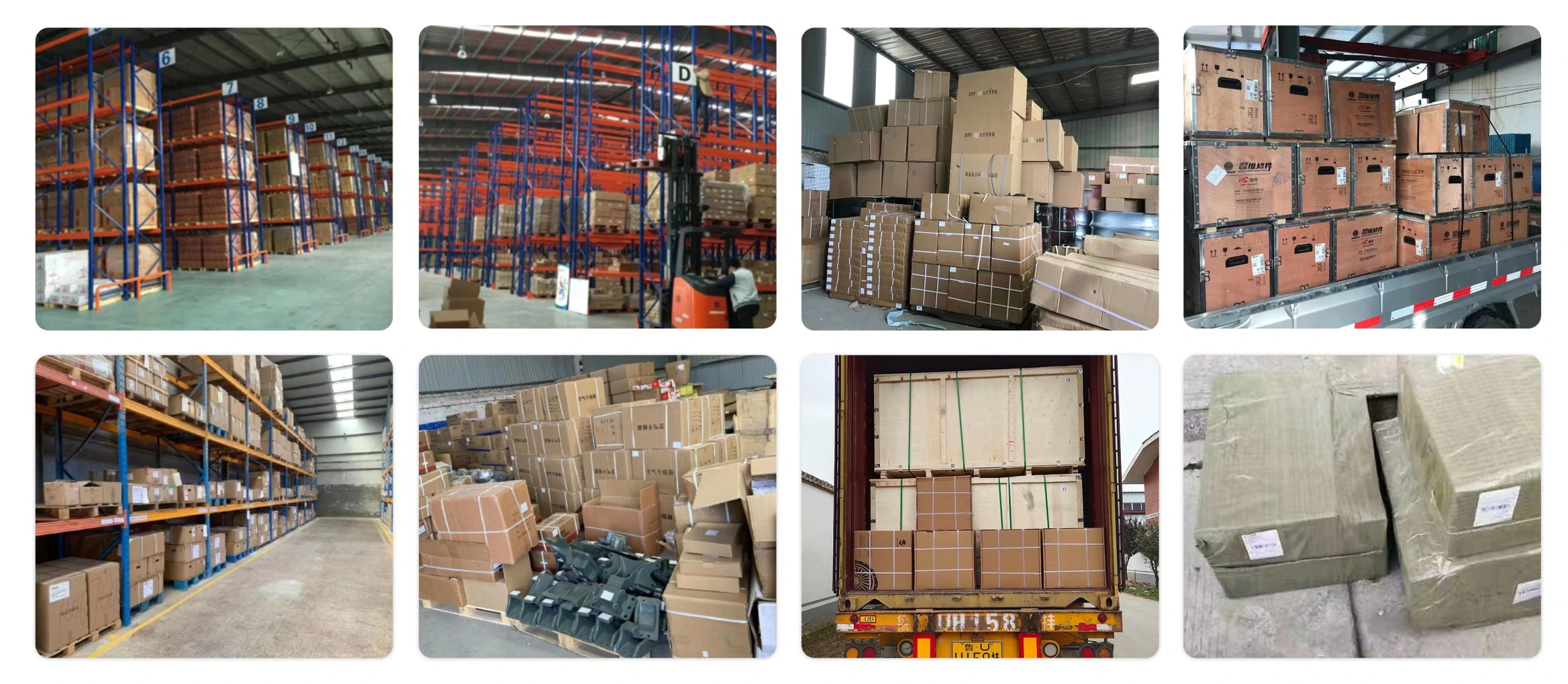
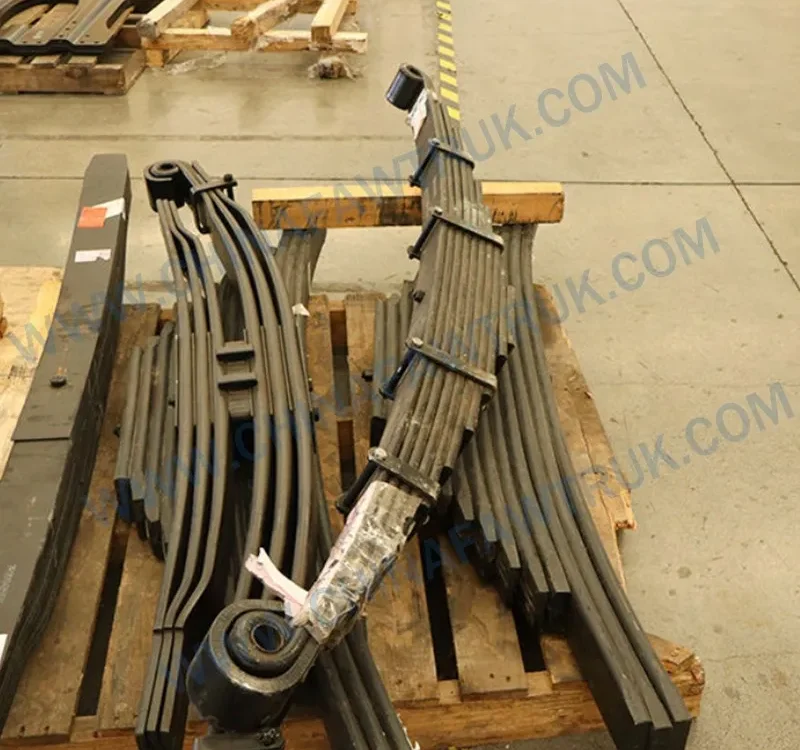
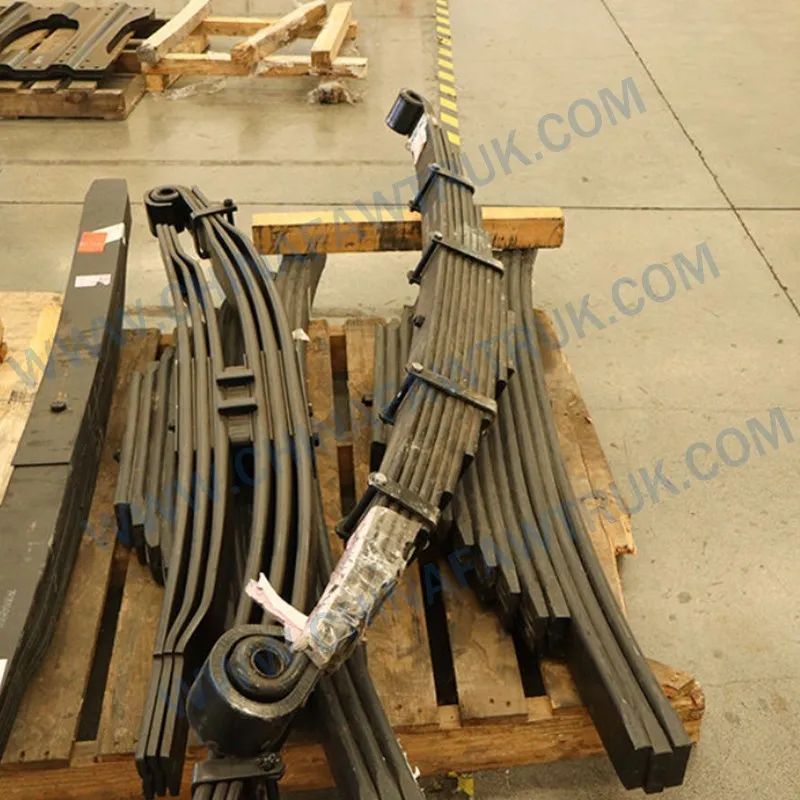
Pièces FAW, y compris l'ensemble bloc-cylindres, sont emballés avec soin pour garantir une livraison en toute sécurité. Chaque composant est sécurisé dans des matériaux de protection pour éviter tout dommage pendant le transport. Le réseau logistique garantit des expéditions ponctuelles dans le monde entier, soutenir des opérations de maintenance efficaces. Vous trouverez ci-dessous une image illustrant l'emballage standard des pièces de camion FAW., mettant en valeur l’attention portée aux détails dans la manipulation et le stockage.
Cette approche d'emballage minimise le risque de corrosion ou de dommages causés par les chocs., s'assurer que les pièces comme l'ensemble bloc-cylindres FAW arrivent en parfait état. Les clients peuvent compter sur la logistique de FAW pour une qualité et une fiabilité constantes.