FAW Russe Valve Train Logique: 27 Pièces de précision pour une efficacité de combustion inégalée
Le FAW Russe Valve Train Logique l'ensemble est le système respiratoire synchronisé du moteur CA3250P66K24L1TE5Z. Il orchestre l’apport précis d’oxygène et l’évacuation des gaz d’échappement, assurer une production d’énergie optimale dans des climats inférieurs à zéro. Ce guide déconstruit les arbres de culbuteurs, vannes, et solénoïdes qui constituent ce mécanisme complexe, essentiel pour maintenir des performances optimales en Fédération de Russie.

FAW Russe Valve Train Logique
Architecture d'actionnement: Arbres et bras de culbuteurs
L'épine dorsale du FAW Russe Valve Train Logique Le système est la disposition de l'arbre de culbuteur divisé. Le moteur utilise deux assemblages distincts: le Ensemble d'arbre de culbuteur (Cym 1, 2, 3) (Partie no. 1007165-51B) et le Ensemble d'arbre de culbuteur (Cym 4, 5, 6) (Partie no. 1007175-51B). Cette conception divisée réduit la contrainte de torsion qui affecterait autrement un seul arbre long., maintenir une levée de soupape constante sur tous les cylindres, même pendant les opérations à haut régime par temps froid.
Les actionneurs principaux sont montés sur ces arbres: le Ensemble culbuteur de soupape d'admission (Partie no. 1007110-51B) et le Ensemble culbuteur de soupape d'échappement (Partie no. 1007120-51B). Ces composants dans le FAW Russe Valve Train Logique comportent des pointes de rouleaux durcies pour minimiser la friction contre le pont de soupape. Dans l'Arctique russe, où la viscosité de l'huile peut être élevée au démarrage, la réduction des frottements mécaniques est cruciale pour prévenir l'usure des soupapes et assurer une réponse immédiate du moteur.
Pour sécuriser ces arbres contre l'immense force ascendante du profil de came, le système utilise des blocs de serrage robustes. Le Bloc de serrage d'arbre de culbuteur (je) (Partie no. 1007181-81D), Bloc de serrage d'arbre de culbuteur (II) (Partie no. 1007182-51B), et Bloc de serrage d'arbre de culbuteur (III) (Partie no. 1007183-51B) fournir des points d'ancrage rigides. Ces blocs empêchent la déviation de l'arbre dans le FAW Russe Valve Train Logique, garantissant que la géométrie précise de la levée de soupape est maintenue sans hystérésis ni décalage.
L'alignement précis est en outre garanti par le Manchon de positionnement axial d'arbre de culbuteur (Partie no. 1007163-51B). Ce manchon élimine le mouvement latéral des culbuteurs le long de l'arbre. En gardant les culbuteurs parfaitement centrés sur les valves, le FAW Russe Valve Train Logique empêche toute charge latérale sur les tiges de valve, une cause fréquente d'usure des guides de soupape et de consommation d'huile dans les moteurs lourds fonctionnant dans des environnements difficiles.
Scellage et retour: Vannes, Ressorts, et ponts
L'échange gazeux proprement dit est assuré par le Soupape d'admission (Partie no. 1007011-81D) et le Soupape d'échappement (Partie no. 1007016-81D). Dans le FAW Russe Valve Train Logique, les soupapes d'échappement sont soudées par friction à partir d'alliages bimétalliques pour résister à des températures supérieures à 700°C. Ils s'assoient contre le Siège de soupape d'échappement (Partie no. 1003013-81D), un anneau en acier fritté pressé dans la tête, conçu pour résister aux micro-soudures et à l'enfoncement dans des conditions de charge élevées typiques du transport minier russe.
Parce qu'il s'agit d'une culasse à quatre soupapes, le système utilise un mécanisme de pontage pour actionner deux vannes simultanément. Le Pont de soupape d'admission (Partie no. 1007012-81D) et le Ensemble de pont de soupape d'échappement (Partie no. 1007015-81D) transférer le mouvement du culbuteur unique aux paires de soupapes. Le FAW Russe Valve Train Logique nécessite que ces ponts soient parfaitement équilibrés; toute irrégularité entraînerait l’ouverture légère d’une vanne avant l’autre, tordre le pont et potentiellement plier les tiges de valve.
La fermeture des soupapes relève de la responsabilité des ressorts haute tension. L'assemblée utilise le Ressort de soupape d'admission (Partie no. 1007021-81D) et les spécialistes Ressort intérieur de soupape d'échappement (Partie no. 1007023-81D). L'utilisation de ressorts emboîtés dans le FAW Russe Valve Train Logique fournit une redondance et empêche le flottement de la vanne à des régimes élevés. Ces ressorts reposent sur le Siège de ressort de soupape (Partie no. 1007024-81D) et sont conservés par le Collet de soupape (Partie no. 1007028-53D), assurant une rétention sûre même en cas de décélération rapide.
Le contrôle du pétrole est géré par le Ensemble de joint de tige de soupape (Partie no. 1007035-55R.), monté sur le Guide de soupape (Partie no. 1003014-81D). Dans le FAW Russe Valve Train Logique, ces joints sont fabriqués à partir d'élastomères fluorés qui restent flexibles à -40°C. Une panne ici permettrait à l'huile d'être aspirée dans la chambre de combustion (admission) ou soufflé dans l'échappement (échappement), conduisant à de la fumée bleue et à un encrassement du carbone de la roue de turbine coûteuse du turbocompresseur.
Logique de freinage moteur: L'interface solénoïde
Contrôle avancé au sein du FAW Russe Valve Train Logique est facilitée par le Ensemble d'électrovanne (Partie no. 1007160-51B). Ce composant gère généralement le circuit hydraulique du frein à compression moteur. (Jake frein). En terrain montagneux russe, ce système est vital pour la sécurité, permettre au moteur d'absorber l'énergie cinétique du véhicule. Le solénoïde se monte sur le Siège d'électrovanne (Partie no. 1007164-51B), qui s'interface directement avec les galeries d'huile des culbuteurs.
L'étanchéité de ce circuit hydraulique haute pression est critique. L'assemblage utilise un Rondelle en cuivre (Partie no. Q / WC3403-94) pour sceller les connexions du solénoïde. Dans le FAW Russe Valve Train Logique, le cuivre est choisi pour sa malléabilité, assurer une étanchéité sans fuite contre la pression d'huile pulsée utilisée pour activer le mécanisme à bascule de frein. Une fuite ici entraînerait des performances de freinage moteur faibles, voire inexistantes..
La sécurisation de ces composants électroniques utilise le Vis à capuchon de tête hexagonale (Partie no. CQ2180612). La précision de ces vis assure un maintien ferme du solénoïde contre son siège sans déformer le corps de vanne. Le FAW Russe Valve Train Logique intègre ces systèmes électroniques et hydrauliques de manière transparente dans le système de distribution mécanique, fournir aux conducteurs une puissance de ralentissement fiable, essentielle pour naviguer dans les descentes verglacées.
Les passages d'huile inutilisés sont obturés avec le Bouchon à tête hexagonale (Partie no. CQ61708). Bien que simple, ces bouchons maintiennent l'intégrité de la pression d'huile interne. Dans le FAW Russe Valve Train Logique, maintenir la pleine pression d’huile n’est pas seulement une question de lubrification; il s'agit de la fonctionnalité hydraulique du système de freinage moteur. Toute perte de pression compromet à la fois la durabilité et la sécurité.
Liste de répartition des composants
Le tableau suivant fournit la nomenclature complète pour le FAW Russe Valve Train Logique assemblée. La précision dans la sélection des pièces de rechange est obligatoire; des culbuteurs ou des ponts mal assortis peuvent entraîner une panne moteur catastrophique et rapide.
| Non. |
Numéro de pièce |
Nom de la pièce |
Quantité |
| 1 |
1007183-51B |
Bloc de serrage d'arbre de culbuteur (III) |
1 |
| 2 |
Q1841075T |
Boulon à bride hexagonale (Queue grossière/standard) |
10 |
| 3 |
1007120-51B |
Ensemble culbuteur de soupape d'échappement |
6 |
| 4 |
1007163-51B |
Manchon de positionnement axial d'arbre de culbuteur |
6 |
| 5 |
1007110-51B |
Ensemble culbuteur de soupape d'admission |
6 |
| 6 |
Q1841080T |
Boulon à bride hexagonale |
4 |
| 7 |
1007164-51B |
Siège d'électrovanne |
2 |
| 8 |
CQ2180612 |
Vis à capuchon de tête hexagonale |
2 |
| 9 |
1007160-51B |
Ensemble d'électrovanne |
2 |
| 10 |
Q / WC3403-94 |
Rondelle en cuivre (8X14) |
2 |
| 11 |
CQ61708 |
Bouchon à tête hexagonale |
2 |
| 12 |
1007175-51B |
Ensemble d'arbre de culbuteur (Cym 4, 5, 6) |
1 |
| 13 |
1007182-51B |
Bloc de serrage d'arbre de culbuteur (II) |
3 |
| 14 |
1007165-51B |
Ensemble d'arbre de culbuteur (Cym 1, 2, 3) |
1 |
| 15 |
1007181-81D |
Bloc de serrage d'arbre de culbuteur (je) |
1 |
| 16 |
1007012-81D |
Pont de soupape d'admission |
6 |
| 17 |
1007028-53D |
Collet de soupape |
48 |
| 18 |
1007024-81D |
Siège de ressort de soupape |
24 |
| 19 |
1003014-81D |
Guide de soupape |
24 |
| 20 |
1007021-81D |
Ressort de soupape d'admission |
24 |
| 21 |
1007035-55R. |
Ensemble de joint de tige de soupape |
24 |
| 22 |
1003012-81D |
Siège de soupape d'admission |
12 |
| 23 |
1007011-81D |
Soupape d'admission |
12 |
| 24 |
1007016-81D |
Soupape d'échappement |
12 |
| 25 |
1003013-81D |
Siège de soupape d'échappement |
12 |
| 26 |
1007023-81D |
Ressort intérieur de soupape d'échappement |
12 |
| 27 |
1007015-81D |
Ensemble de pont de soupape d'échappement |
6 |
Protocoles de diagnostic pour la santé de Valvetrain
Maintenir le FAW Russe Valve Train Logique nécessite le strict respect des intervalles de réglage du jeu aux soupapes. Comme le Soupape d'admission et Soupape d'échappement frapper contre leurs sièges, ils peuvent reculer dans la tête, resserrer les cils. Cela empêche les vannes de se fermer complètement, entraînant des soupapes brûlées et une perte de compression. Des contrôles réguliers à la jauge d'épaisseur sur les interfaces du pont et des culbuteurs constituent la principale mesure préventive contre ce mode de défaillance..
Inspectez le Pont de soupapes pour les usures inégales. Si le pont bascule ou si la zone de contact avec le culbuteur est décentrée, cela indique une tige de poussée pliée ou un usé Ensemble d'arbre de culbuteur bague. Ce désalignement provoque une charge latérale sur les tiges de valve, usant rapidement le Guide de soupape et Ensemble de joint de tige de soupape, entraînant une consommation d'huile élevée et de la fumée bleue.
Enfin, vérifier le fonctionnement du Ensemble d'électrovanne si équipé d'un frein moteur. Un clic sans effet de freinage suggère un passage d'huile obstrué ou une connexion électrique défectueuse au niveau du solénoïde.. Garder l'huile propre est primordial pour le FAW Russe Valve Train Logique, car la boue peut bloquer les orifices d'huile fins dans les arbres de culbuteurs et les solénoïdes, entraînant des saisies et des réparations haut de gamme coûteuses.
Conclusion: Le rythme de la fiabilité
Le FAW Russe Valve Train Logique est un chef-d'œuvre de l'ingénierie synchronisée, conçu pour offrir une efficacité maximale en matière d'air et de carburant dans les conditions les plus exigeantes. Chaque composant, des pointes durcies du Ensemble culbuteur de soupape d'admission à la tension du Collet de soupape, joue un rôle essentiel dans les performances du moteur. Il n'y a aucune pièce redondante dans cet assemblage; chacun est un maillon de la chaîne de la combustion.
Pour les propriétaires de flotte opérant en Fédération de Russie, l'utilisation de pièces de rechange d'origine FAW est le seul moyen de garantir la durabilité du FAW Russe Valve Train Logique. Les vannes du marché secondaire peuvent ne pas avoir la construction bimétallique requise pour la résistance à la chaleur, et les ressorts génériques peuvent se fatiguer prématurément. En investissant dans la qualité OEM, vous vous assurez que votre camion-benne CA3250P66K24L1TE5Z continue de respirer librement et de fournir une puissance fiable, kilomètre après kilomètre gelé.
Emballage et logistique
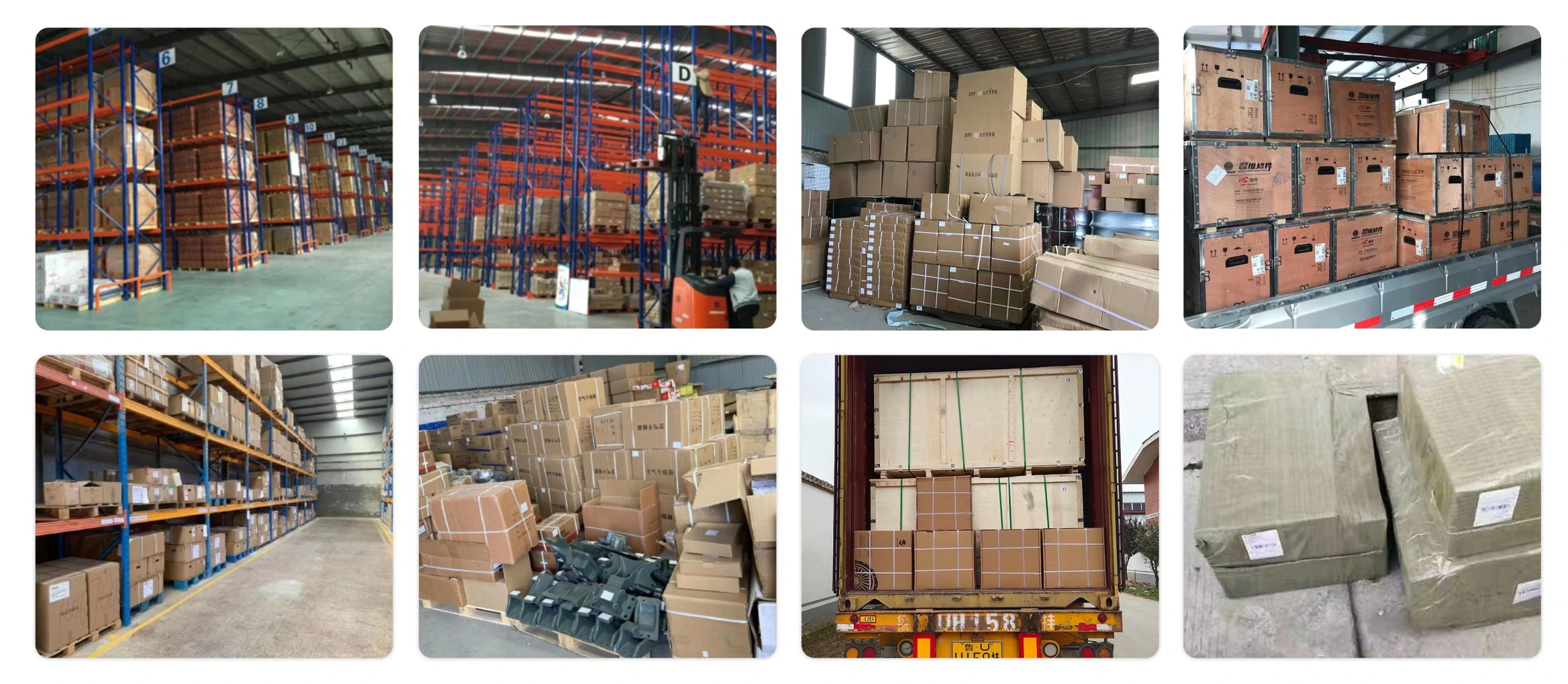
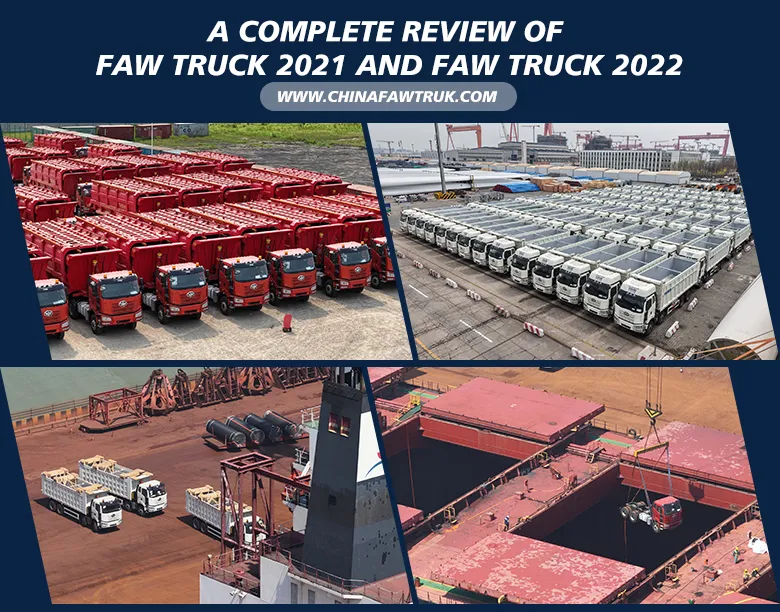
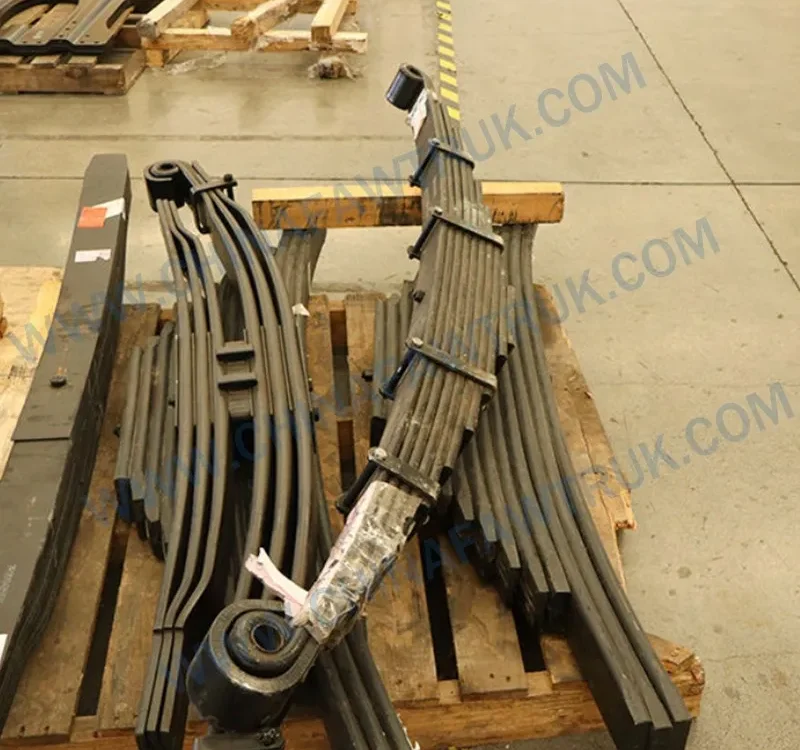
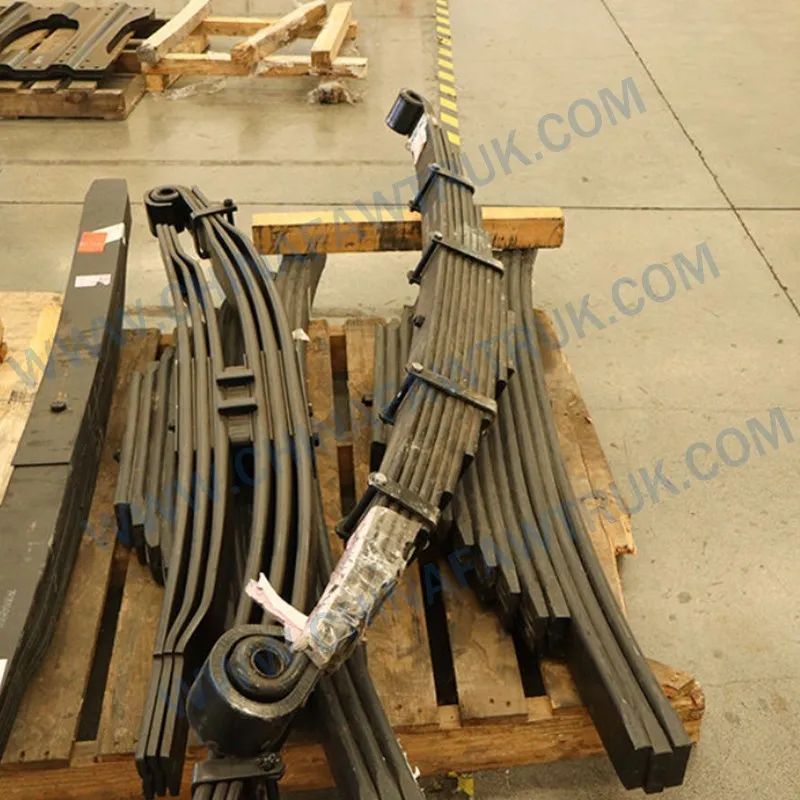
Pièces FAW, y compris l'ensemble bloc-cylindres, sont emballés avec soin pour garantir une livraison en toute sécurité. Chaque composant est sécurisé dans des matériaux de protection pour éviter tout dommage pendant le transport. Le réseau logistique garantit des expéditions ponctuelles dans le monde entier, soutenir des opérations de maintenance efficaces. Vous trouverez ci-dessous une image illustrant l'emballage standard des pièces de camion FAW., mettant en valeur l’attention portée aux détails dans la manipulation et le stockage.
Cette approche d'emballage minimise le risque de corrosion ou de dommages causés par les chocs., s'assurer que les pièces comme l'ensemble bloc-cylindres FAW arrivent en parfait état. Les clients peuvent compter sur la logistique de FAW pour une qualité et une fiabilité constantes.