Décryptage de l'assemblage de la boîte de transfert russe FAW: Le centre central de la traction intégrale arctique
Le Assemblage de la boîte de transfert russe FAW constitue le centre de distribution de couple définitif pour le camion-benne robuste CA3250P66K24L1TE5Z. Dans la topographie exigeante de la Fédération de Russie, où les pentes glacées et la boue profonde sont la norme, la propulsion standard à deux roues est souvent insuffisante. Cette boîte de vitesses complexe se situe entre la transmission et les essieux, diviser la puissance du moteur pour assurer une traction maximale. Ce guide explore la logique d'ingénierie derrière ce singulier, composant massif et son rôle dans le maintien de la mobilité dans des conditions de -40°C.

Assemblage de la boîte de transfert russe FAW
Physique des tractions: Le rôle de la boîte de transfert
La fonction première du Assemblage de la boîte de transfert russe FAW est de servir d'intermédiaire entre la transmission principale et les essieux moteurs. Dans les applications lourdes, spécifiquement ceux conçus pour les terrains accidentés de l'exploitation minière et forestière russe, la possibilité de diriger le couple vers l’essieu avant (dans les configurations AWD) ou la répartition du couple entre les essieux arrière est primordiale. Cette unité reçoit la sortie de rotation unique de la transmission et la divise via un système d'engrenages et de chaînes. (ou vitesses directes) à plusieurs arbres de sortie. Le défi technique ici est immense: le Assemblage de la boîte de transfert russe FAW doit gérer le couple multiplié du moteur à basse vitesse sans torsion ni fracture.
Interne au Assemblage de la boîte de transfert russe FAW est généralement un engrenage planétaire ou à arbre intermédiaire à deux vitesses. Cela permet au conducteur de sélectionner un “Gamme basse” pour sortir des fosses avec des charges massives, ou un “Haut de gamme” pour le transport sur routes pavées. Cette capacité à double gamme double effectivement le nombre de rapports de transmission disponibles pour le conducteur., offrant la flexibilité nécessaire pour gérer à la fois les vitesses d'autoroute et les lenteurs, travaux de meulage d'extraction tout-terrain. Le mécanisme de changement de vitesse à l'intérieur du boîtier doit être suffisamment robuste pour engager ces vitesses même lorsque l'huile interne est épaisse et résistante en raison du froid extrême..
En outre, le Assemblage de la boîte de transfert russe FAW abrite souvent un mécanisme différentiel. Ce différentiel inter-essieux permet des écarts de vitesse entre les essieux avant et arrière. (ou entre les essieux arrière) dans les virages, empêcher l'enroulement de la transmission. Cependant, dans des conditions glissantes, ce différentiel peut être bloqué. La logique de verrouillage au sein de l'assemblage est une caractéristique essentielle de survie dans l'Arctique. Lorsqu'il est verrouillé, ça force toutes les roues à tourner à la même vitesse, s'assurer que si une roue est sur la glace, les autres peuvent toujours faire avancer le camion. L'intégrité structurelle de ces chiens de verrouillage internes est testée à chaque engagement.
Ingénierie arctique: Boîtier et lubrification
La coque extérieure du Assemblage de la boîte de transfert russe FAW c'est un casting massif, généralement formé à partir de fonte à graphite nodulaire de haute qualité. Ce choix de matériau est spécifique au “russe” spécification. La fonte standard peut devenir cassante à -40°C, conduisant à des fissures de contrainte lorsque le châssis fléchit ou lorsque le véhicule subit des charges de choc soudaines. La fonte nodulaire conserve sa ductilité à des températures glaciales, fournir un dur, boîtier absorbant les chocs pour les engrenages délicats à l'intérieur. La masse du boîtier contribue également à amortir les vibrations haute fréquence générées par l'engrenage..
La lubrification est l'élément vital du Assemblage de la boîte de transfert russe FAW. Par grand froid, l'huile pour engrenages épaissit jusqu'à la consistance du miel ou même de la cire. La conception interne du boîtier comprend des réservoirs d'huile stratégiques et des canaux de lubrification par éclaboussure qui garantissent que les roulements et les engrenages reçoivent une lubrification dès la première révolution.. Certaines versions peuvent utiliser une pompe à huile interne. La conception garantit que l'huile est soulevée du carter et distribuée immédiatement vers les arbres supérieurs., empêcher “démarrage à sec” usure qui peut ruiner une boîte de transfert en quelques minutes.
La dissipation thermique est l’autre côté de l’équation thermique. Lors d'opérations lourdes, le frottement des engrenages génère une chaleur importante. Le Assemblage de la boîte de transfert russe FAW est conçu avec des nervures externes qui augmentent la surface de refroidissement. Pendant l'été russe, qui peut être étonnamment chaud, ou pendant un fonctionnement prolongé à haute charge, ces nervures aident à évacuer la chaleur vers l'air ambiant, maintenir la température de l'huile dans des limites sûres. Cet équilibre thermique est essentiel pour maintenir la viscosité de l'huile et l'intégrité des joints..
Logique de montage: Isoler la bête
Montage du Assemblage de la boîte de transfert russe FAW au châssis est un défi technique important. L'unité est lourde et génère des forces de couple de réaction massives qui tentent de la faire sortir du cadre.. Il est généralement suspendu à une traverse dédiée à l'aide de supports d'isolation en caoutchouc et métal robustes.. Ces supports ont un double objectif: ils maintiennent le boîtier aligné avec les arbres de transmission pour éviter les vibrations, et ils isolent le châssis du bruit d'engrenage généré par la boîte de transfert.
Les brides d'entrée et de sortie du Assemblage de la boîte de transfert russe FAW sont des interfaces usinées avec précision. Ils doivent s'adapter parfaitement aux joints universels des arbres d'hélice. Tout faux-rond ou désalignement entraîne ici des vibrations destructrices qui peuvent briser le boîtier de la boîte de transfert ou casser les arbres de transmission.. Les cannelures des arbres de sortie sont durcies pour résister à l'usure, assurer un serrage, connexion sans pente qui peut gérer les inversions soudaines de couple de la conduite tout-terrain.
L'étanchéité des arbres de sortie est un autre aspect critique du Assemblage de la boîte de transfert russe FAW. L'unité se trouve bas dans le châssis, souvent immergé dans l'eau ou la boue lors de traversées profondes. Les joints d'huile utilisés sur les arbres de sortie sont des modèles multi-lèvres, comportant souvent un pare-poussière intégré. Ces joints doivent empêcher l'huile de s'échapper et, plus important encore, empêcher l'eau et les graviers de pénétrer. Une boîte de transfert contaminée échouera rapidement car l'eau émulsionne l'huile et les grains broient les roulements..
Logique de service: L'approche modulaire
Dans le catalogue de pièces, le Assemblage de la boîte de transfert russe FAW est présenté comme une seule unité (Partie no. 1800010-55R.). Cela reflète un “remplacement modulaire” philosophie souvent privilégiée dans les environnements difficiles. Reconstruire une boîte de transfert nécessite un environnement stérile, extracteurs spécialisés, et des outils de calage précis – un luxe rarement disponible dans un camp minier sibérien. En traitant la boîte de transfert comme une seule unité maintenable, FAW garantit que les réparations sur site peuvent être effectuées rapidement en échangeant simplement l'ensemble de l'assemblage..
Cependant, la maintenance préventive est essentielle pour prolonger la durée de vie du Assemblage de la boîte de transfert russe FAW. Cela implique des vidanges d'huile régulières en utilisant les spécifications correctes de l'huile pour engrenages. (souvent un mélange synthétique pour une utilisation dans l'Arctique) et inspection régulière de l'évent. Un reniflard bouché entraînera une accumulation de pression à l’intérieur du boîtier à mesure qu’il chauffe, forcer l'huile à passer les joints. S'assurer que le reniflard est dégagé permet à l'unité de “exhaler” sans perdre de liquide.
Les conducteurs jouent également un rôle dans la longévité du Assemblage de la boîte de transfert russe FAW. L'engagement de la gamme basse ou des blocages de différentiel alors que les roues tournent à grande vitesse peut provoquer des chocs catastrophiques qui cisaillent les dents internes de l'engrenage ou cassent les arbres de sortie.. Formation appropriée des opérateurs, combiné à l'ingénierie robuste de l'unité FAW, garantit que ce composant essentiel fournit un service fiable tout au long de la durée de vie du véhicule.
Répartition des composants: 119. Assemblage de la boîte de transfert
| Non. |
Numéro de pièce |
Nom de la pièce |
Quantité |
| 1 |
1800010-55R. |
Assemblage de la boîte de transfert |
1 |
Conclusion: Le cœur de la capacité tout-terrain
Le Assemblage de la boîte de transfert russe FAW est le héros méconnu de la mobilité du CA3250P66K24L1TE5Z. Il transforme un camion lourd standard en un conquérant tout-terrain capable de naviguer dans les environnements les plus difficiles au monde.. En gérant la répartition du couple, fournissant une réduction de vitesse, et assurer la traction, il permet l'extraction économique des ressources dans les régions où les routes sont facultatives.
Pour les propriétaires de flotte opérant en Fédération de Russie, comprendre l’importance de cette assemblée est vital. Ce n'est pas seulement une boîte de vitesses; c'est le centre stratégique de la transmission. Remplacer une unité défaillante par une authentique Assemblage de la boîte de transfert russe FAW garantit que le véhicule conserve ses capacités conçues en usine, maintenir la sécurité, fiabilité, et rentabilité face à l’adversité arctique.
Emballage et logistique
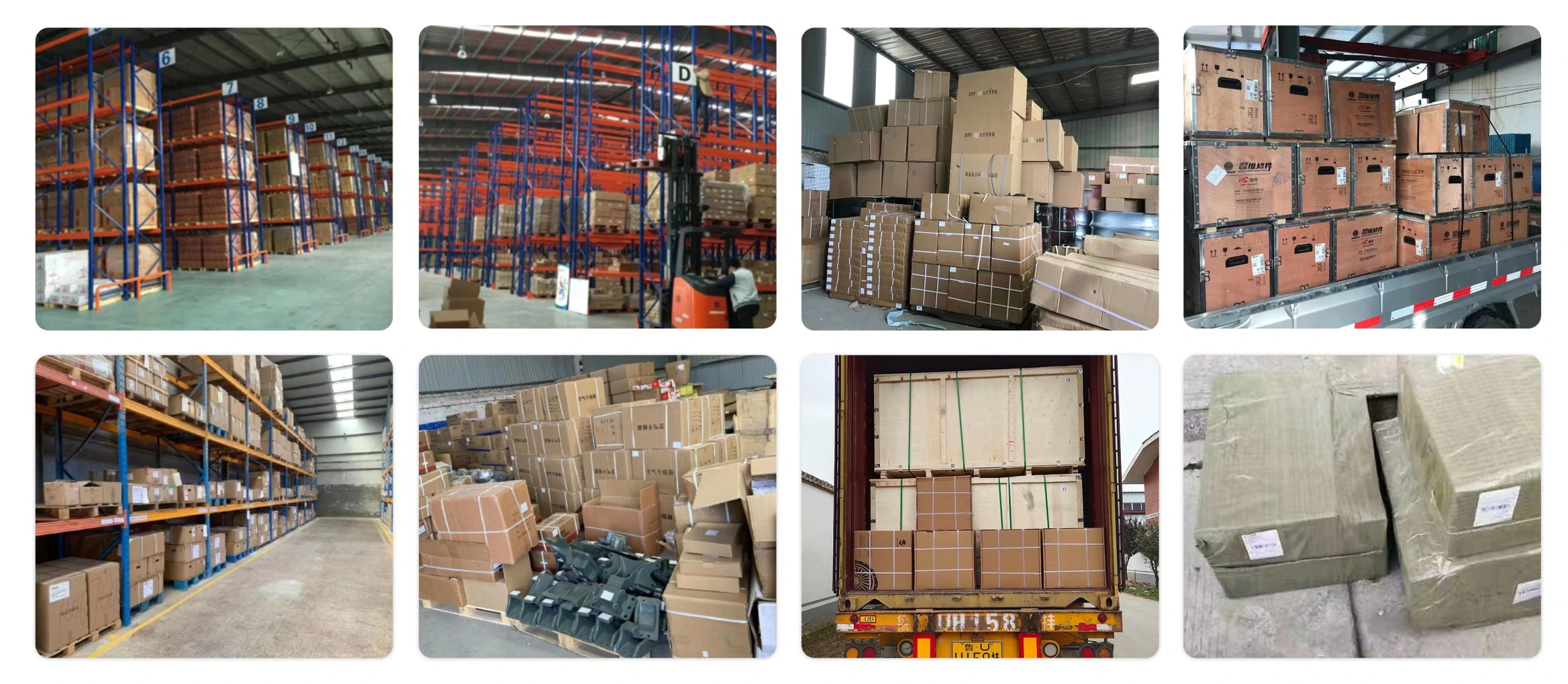
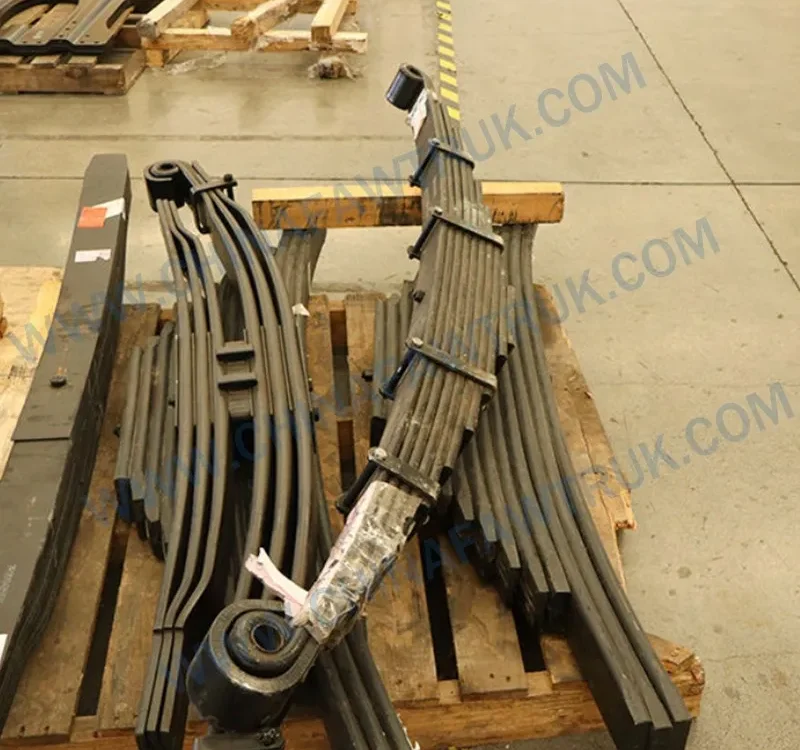
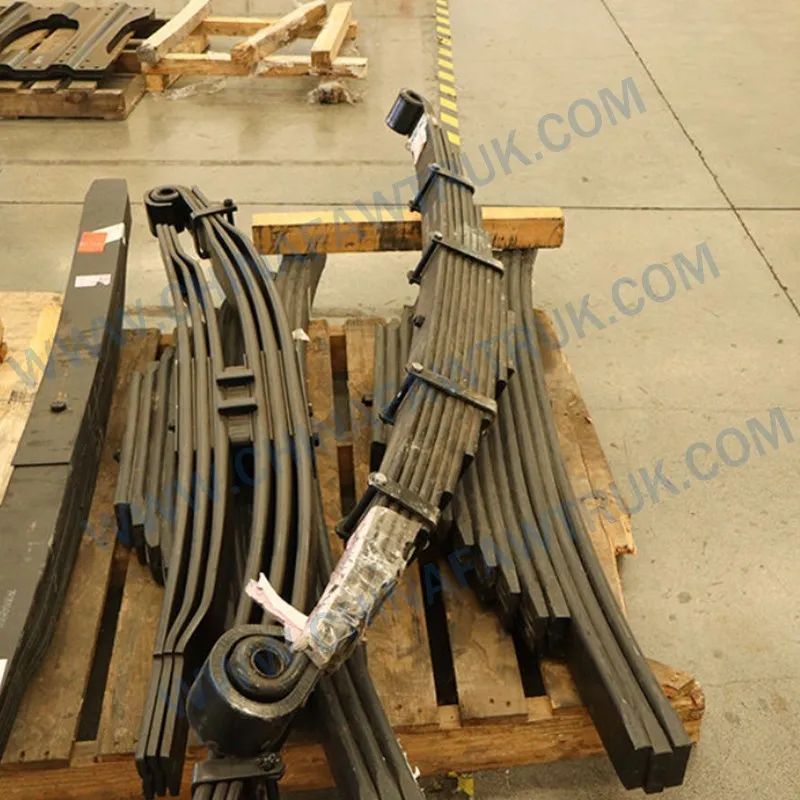
Pièces FAW, y compris l'ensemble bloc-cylindres, sont emballés avec soin pour garantir une livraison en toute sécurité. Chaque composant est sécurisé dans des matériaux de protection pour éviter tout dommage pendant le transport. Le réseau logistique garantit des expéditions ponctuelles dans le monde entier, soutenir des opérations de maintenance efficaces. Vous trouverez ci-dessous une image illustrant l'emballage standard des pièces de camion FAW., mettant en valeur l’attention portée aux détails dans la manipulation et le stockage.
Cette approche d'emballage minimise le risque de corrosion ou de dommages causés par les chocs., s'assurer que les pièces comme l'ensemble bloc-cylindres FAW arrivent en parfait état. Les clients peuvent compter sur la logistique de FAW pour une qualité et une fiabilité constantes.