Decoding the FAW Russian Transfer Case Assembly: The Central Hub of Arctic All-Wheel Drive
The FAW Russian Transfer Case Assembly stands as the definitive torque distribution center for the CA3250P66K24L1TE5Z heavy-duty dump truck. In the demanding topography of the Russian Federation, where icy inclines and deep mud are the norm, standard two-wheel propulsion is often insufficient. This complex gearbox sits between the transmission and the axles, splitting engine power to ensure maximum traction. This guide explores the engineering logic behind this singular, massive component and its role in maintaining mobility in -40°C conditions.

FAW Russian Transfer Case Assembly
Traction Physics: The Role of the Transfer Case
The primary function of the FAW Russian Transfer Case Assembly is to act as the intermediary between the main transmission and the drive axles. In heavy-duty applications, specifically those designed for the rough terrain of Russian mining and logging, the ability to direct torque to the front axle (in AWD configurations) or split torque between rear axles is paramount. This unit receives the single rotational output from the transmission and splits it via a system of gears and chains (or direct gears) to multiple output shafts. The engineering challenge here is immense: the FAW Russian Transfer Case Assembly must handle the multiplied torque of the engine in low gear without twisting or fracturing.
Internal to the FAW Russian Transfer Case Assembly is typically a two-speed planetary or countershaft gear set. This allows the driver to select a “Low Range” for crawling out of pits with massive loads, or a “High Range” for transit on paved roads. This dual-range capability effectively doubles the number of gear ratios available to the driver, providing the flexibility needed to navigate both highway speeds and the slow, grinding work of off-road extraction. The shifting mechanism within the case must be robust enough to engage these gears even when the internal oil is thick and resistant due to the extreme cold.
Furthermore, the FAW Russian Transfer Case Assembly often houses a differential mechanism. This inter-axle differential allows for speed variances between the front and rear axles (or between rear axles) during cornering, preventing drivetrain wind-up. However, in slippery conditions, this differential can be locked. The locking logic within the assembly is a critical survival feature in the Arctic. When locked, it forces all wheels to turn at the same speed, ensuring that if one wheel is on ice, the others can still drive the truck forward. The structural integrity of these internal locking dogs is tested with every engagement.
Arctic Engineering: Housing and Lubrication
The exterior shell of the FAW Russian Transfer Case Assembly is a massive casting, typically formed from high-grade nodular graphite iron. This material choice is specific to the “Russian” specification. Standard cast iron can become brittle at -40°C, leading to stress cracks when the chassis flexes or when the vehicle experiences sudden shock loads. Nodular iron retains its ductility in freezing temperatures, providing a tough, shock-absorbent housing for the delicate gears inside. The sheer mass of the housing also aids in dampening the high-frequency vibrations generated by the gear mesh.
Lubrication is the lifeblood of the FAW Russian Transfer Case Assembly. In extreme cold, gear oil thickens to the consistency of honey or even wax. The internal design of the case features strategic oil galleys and splash-lubrication channels that ensure the bearings and gears receive lubrication from the very first revolution. Some versions may employ an internal oil pump. The design ensures that the oil is lifted from the sump and distributed to the upper shafts immediately, preventing “dry start” wear that can ruin a transfer case in minutes.
Heat dissipation is the other side of the thermal equation. During heavy operation, the friction of the gears generates significant heat. The FAW Russian Transfer Case Assembly is designed with external ribbing that increases the surface area for cooling. In the Russian summer, which can be surprisingly hot, or during prolonged high-load operation, this ribbing helps shed heat to the ambient air, keeping the oil temperature within safe limits. This thermal balance is critical for maintaining the viscosity of the oil and the integrity of the seals.
Mounting Logic: Isolating the Beast
Mounting the FAW Russian Transfer Case Assembly to the chassis is a significant engineering challenge. The unit is heavy and generates massive reaction torque forces that try to twist it out of the frame. It is typically suspended on a dedicated crossmember using heavy-duty rubber-metal isolation mounts. These mounts serve a dual purpose: they hold the case in alignment with the driveshafts to prevent vibration, and they isolate the chassis from the gear noise generated by the transfer case.
The input and output flanges of the FAW Russian Transfer Case Assembly are precision-machined interfaces. They must mate perfectly with the universal joints of the propeller shafts. Any runout or misalignment here results in destructive vibration that can shatter the transfer case housing or snap the driveshafts. The splines on the output shafts are hardened to resist wear, ensuring a tight, slop-free connection that can handle the sudden torque reversals of off-road driving.
Sealing the output shafts is another critical aspect of the FAW Russian Transfer Case Assembly. The unit sits low in the chassis, often submerged in water or mud during deep crossings. The oil seals used on the output shafts are multi-lip designs, often featuring an integrated dust shield. These seals must prevent oil from getting out and, more importantly, prevent water and grit from getting in. A contaminated transfer case will fail rapidly as the water emulsifies the oil and the grit grinds down the bearings.
Service Logic: The Modular Approach
In the parts catalog, the FAW Russian Transfer Case Assembly is presented as a single unit (Part No. 1800010-55R). This reflects a “modular replacement” philosophy often favored in severe-duty environments. Rebuilding a transfer case requires a sterile environment, specialized pullers, and precise shimming tools—luxuries that are rarely available in a Siberian mining camp. By treating the transfer case as a single maintainable unit, FAW ensures that field repairs can be conducted quickly by simply swapping the entire assembly.
However, preventive maintenance is key to extending the life of the FAW Russian Transfer Case Assembly. This involves regular oil changes using the correct specification of gear oil (often a synthetic blend for Arctic use) and regular inspection of the breather vent. A clogged breather will cause pressure to build up inside the case as it heats up, forcing oil past the seals. Ensuring the breather is clear allows the unit to “exhale” without losing fluid.
Drivers also play a role in the longevity of the FAW Russian Transfer Case Assembly. Engaging the low range or the differential locks while the wheels are spinning at high speed can cause catastrophic shock loads that shear the internal gear teeth or snap the output shafts. Proper operator training, combined with the robust engineering of the FAW unit, ensures that this critical component delivers reliable service throughout the vehicle’s life.
Component Breakdown: 119. Transfer Case Assembly
| No. |
Part Number |
Part Name |
Qty |
| 1 |
1800010-55R |
Transfer Case Assembly |
1 |
Conclusion: The Heart of All-Terrain Capability
The FAW Russian Transfer Case Assembly is the unsung hero of the CA3250P66K24L1TE5Z’s mobility. It transforms a standard heavy truck into an all-terrain conqueror capable of navigating the most challenging environments on earth. By managing torque distribution, providing gear reduction, and ensuring traction, it enables the economic extraction of resources in regions where roads are optional.
For fleet owners operating in the Russian Federation, understanding the importance of this assembly is vital. It is not just a gearbox; it is the strategic center of the driveline. Replacing a failed unit with a genuine FAW Russian Transfer Case Assembly ensures that the vehicle retains its factory-engineered capabilities, maintaining safety, reliability, and profitability in the face of Arctic adversity.
Packaging and Logistics
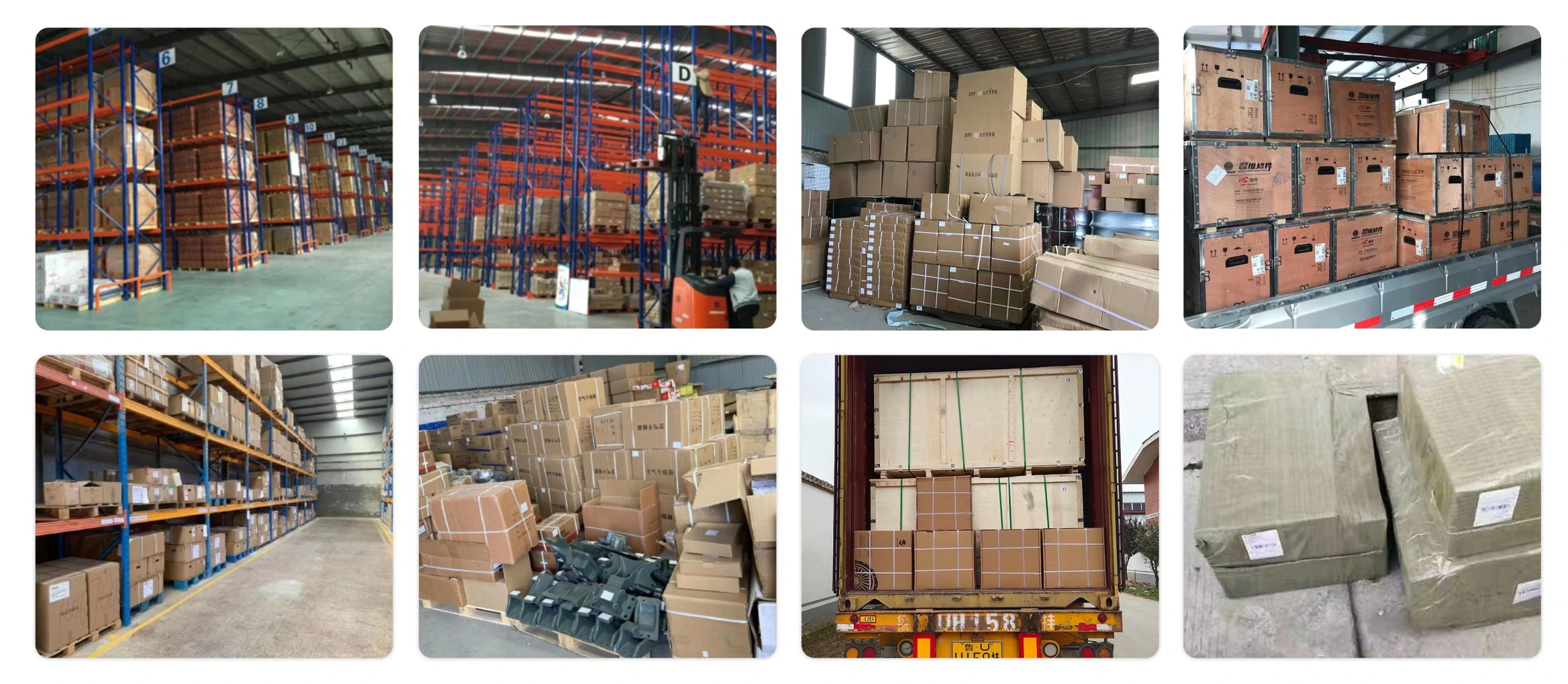
FAW parts, including the Cylinder Block Assembly, are packaged with care to ensure safe delivery. Each component is secured in protective materials to prevent damage during transit. The logistics network guarantees timely shipments worldwide, supporting efficient maintenance operations. Below is an image illustrating the standard packaging for FAW truck parts, showcasing the attention to detail in handling and storage.
This packaging approach minimizes the risk of corrosion or impact damage, ensuring that parts like the FAW Cylinder Block Assembly arrive in perfect condition. Customers can rely on FAW’s logistics for consistent quality and reliability.