Dispositif de préchauffage du démarreur russe FAW: 3 Composants essentiels pour un allumage instantané de l'Arctique
Le Dispositif de préchauffage du démarreur russe FAW est la passerelle thermique du moteur CA3250P66K24L1TE5Z, garantissant que la combustion se produit même lorsque les températures ambiantes chutent jusqu'à -40 °C. Sans ce système, l'air d'admission est trop dense et froid pour supporter l'allumage du diesel. Ce guide détaille l'ensemble de chauffage, logique de mise à la terre, et précision de montage requise pour des démarrages fiables.

Dispositif de préchauffage du démarreur russe FAW
Le noyau thermique: Physique du chauffage de l’air d’admission
La principale unité fonctionnelle du système est le Ensemble de réchauffeur d'air (Partie no. 3750010-81D). Au sein du Dispositif de préchauffage du démarreur russe FAW architecture, ce composant agit comme un radiateur électrique à haut rendement placé directement dans le flux d'air d'admission. Contrairement aux bougies de préchauffage qui chauffent des cylindres individuels, ce radiateur à grille réchauffe tout le volume d'air entrant dans le collecteur.
Dans l'Arctique russe, la densité de l'air ambiant est extrêmement élevée, et sa température est bien inférieure au point d'éclair du carburant diesel. Quand le piston comprime cet air glacial, la chaleur qui en résulte est souvent insuffisante pour enflammer le jet de carburant. Le Dispositif de préchauffage du démarreur russe FAW résout ce problème en préconditionnant l'air, augmenter sa température de centaines de degrés en quelques secondes avant même que le démarreur ne tourne.
L'élément à l'intérieur du Ensemble de réchauffeur d'air est construit à partir d'un alliage résistif capable de résister à des cycles thermiques rapides sans se fracturer. Il doit chauffer instantanément lorsque le courant est appliqué et refroidir rapidement une fois le moteur démarré pour éviter toute restriction.. Cette réponse rapide est essentielle pour le Dispositif de préchauffage du démarreur russe FAW pour minimiser la charge sur les batteries pendant la phase de démarrage.
En outre, le boîtier du radiateur est conçu pour être aérodynamique. Alors que sa mission première est de chauffer, il ne doit pas gêner de manière significative la circulation de l'air une fois que le moteur tourne à pleine charge. L'équilibre technique dans le Dispositif de préchauffage du démarreur russe FAW garantit que la chute de pression à travers le réseau de chauffage est négligeable, maintenir l’efficacité volumétrique et la puissance du moteur.
Gestion actuelle: La stratégie de mise à la terre
Un radiateur électrique est un appareil à haut ampérage, dessinant souvent 100 ampères. Pour gérer cette charge en toute sécurité, le Dispositif de préchauffage du démarreur russe FAW fait appel à un spécialiste Fil de terre du réchauffeur d'air (Partie no. 3724500-73D). Ce câble de gros calibre fournit un chemin à faible résistance pour que le courant retourne à la masse du châssis/négatif de la batterie..
Dans l’environnement corrosif des routes d’hiver russes, où les sels et les produits chimiques de dégivrage sont répandus, les connexions électriques sont le premier point de défaillance. Si le fil de terre se corrode, la résistance augmente. Dans le Dispositif de préchauffage du démarreur russe FAW circuit, une résistance accrue entraîne une chute de tension, ce qui signifie que le chauffage reçoit moins de puissance et que le fil devient dangereusement chaud.
L'isolation sur le Fil de terre du réchauffeur d'air est formulé pour rester flexible à -50°C. L'isolation en PVC standard se fissurerait sous les vibrations du moteur par temps aussi froid, exposer le noyau de cuivre à l'oxydation. FAW utilise un polyéthylène réticulé ou un polymère robuste similaire pour garantir l'intégrité électrique du Dispositif de préchauffage du démarreur russe FAW est entretenu pendant toute la durée de vie du véhicule.
Un acheminement correct de ce fil de terre est également essentiel. Il doit être fixé à l'écart des composants d'échappement chauds et des courroies en mouvement.. Un court-circuit dans le Dispositif de préchauffage du démarreur russe FAW le câblage pourrait provoquer un incendie électrique, étant donné la capacité de courant élevée du circuit. La sangle de masse dédiée garantit que le courant contourne les roulements sensibles du moteur et les masses de l'ECU..
Intégrité structurelle: Sceller l'admission
L'ensemble de chauffage est monté entre le tuyau d'admission d'air et le collecteur d'admission. Sécuriser ce sandwich est le Boulon à bride hexagonale (Partie no. Q1840812). Bien qu'il semble s'agir d'une attache standard, son rôle dans le Dispositif de préchauffage du démarreur russe FAW le système est essentiel à la santé du moteur.
Ce boulon doit fournir une force de serrage suffisante pour comprimer les joints de chaque côté de la plaque chauffante. Si le boulon se desserre à cause des vibrations, air non filtré (“fuite de poussière”) peut être aspiré dans le moteur. Pour le Dispositif de préchauffage du démarreur russe FAW, une fuite ici contourne le filtre à air, permettant à la poussière de silice de récurer les parois du cylindre et les segments de piston.
En outre, le Boulon à bride hexagonale fonctionne comme un chemin conducteur si le corps du radiateur est mis à la terre à travers la bride de montage (en fonction de la révision spécifique). La conception de la tête à bride répartit la charge de couple, empêchant le collecteur en fonte d'aluminium ou le boîtier du radiateur de se fissurer. Dans le Dispositif de préchauffage du démarreur russe FAW, le maintien de cette étanchéité est également vital pour la rétention de la suralimentation du turbocompresseur.
Un boulon de montage desserré provoque une fuite de boost, ce qui entraîne une faible puissance, fumée noire, et températures élevées des gaz d'échappement. Donc, la spécification de couple du boulon Q1840812 est un paramètre de maintenance critique. Le Dispositif de préchauffage du démarreur russe FAW s'appuie sur cette fixation rigide pour fonctionner comme partie intégrante du conduit d'admission sous pression.
Importance stratégique dans la Fédération de Russie
L'inclusion du Dispositif de préchauffage du démarreur russe FAW c'est ce qui désigne ce camion comme un “Zone froide” spécification. Sans ça, le démarrage d'un moteur diesel en dessous de -15°C nécessite souvent des alternatives dangereuses comme les pulvérisations d'éther, qui peut exploser prématurément et plier les bielles. Cette solution électrique offre une sécurité, contrôlé, et procédure de démarrage reproductible.
La logique du Dispositif de préchauffage du démarreur russe FAW est intégré à l'ECU. L'ordinateur surveille la température du liquide de refroidissement et la température de l'air ambiant. Il engage le relais de chauffage uniquement lorsque cela est nécessaire, et fait souvent fonctionner le chauffage après le démarrage du moteur (“post-chauffage”) pour réduire la fumée blanche et le bruit du moteur pendant la phase de réchauffement.
Cette capacité de post-chauffage contribue à réduire les émissions d'hydrocarbures et évite “empilement humide” (accumulation de carburant non brûlé) dans le système d'échappement. Pour les exploitants de flotte, la fiabilité apportée par le Dispositif de préchauffage du démarreur russe FAW se traduit par une usure réduite du démarreur et une durée de vie plus longue de la batterie, lorsque le moteur démarre lors du premier ou du deuxième temps de compression.
Ignorer un préchauffeur défectueux en Russie n'est pas une option. Cela entraîne des temps de démarrage excessifs qui épuisent les batteries et surchauffent le démarreur.. Dans des endroits éloignés, un échec du Dispositif de préchauffage du démarreur russe FAW peut entraîner un véhicule bloqué qui ne peut pas être redémarré tant que la chaleur externe n'est pas appliquée, un risque logistique massif.
Liste de répartition des composants
Le tableau suivant détaille les composants spécifiques composant le Dispositif de préchauffage du démarreur russe FAW. Bien que l'assemblage contienne peu de pièces, chacun est spécialisé pour le fonctionnement à courant élevé et à haute température.
| Non. |
Numéro de pièce |
Nom de la pièce |
Quantité |
| 1 |
3750010-81D |
Ensemble de réchauffeur d'air |
1 |
| 2 |
3724500-73D |
Fil de terre du réchauffeur d'air |
1 |
| 3 |
Q1840812 |
Boulon à bride hexagonale (Queue grossière/standard) |
1 |
Protocoles de diagnostic pour la santé du chauffage
Tester le Dispositif de préchauffage du démarreur russe FAW est simple. Utilisez un multimètre pour mesurer la résistance aux bornes du radiateur. Un circuit ouvert (résistance infinie) indique un élément chauffant cassé, nécessitant le remplacement du Ensemble de réchauffeur d'air. Si la résistance est conforme aux spécifications mais que l'appareil ne chauffe pas, vérifier le relais et le fusible principal.
Inspectez le Fil de terre du réchauffeur d'air points de connexion. La corrosion au niveau du boulon de masse du châssis est un problème courant. Retirez le boulon, nettoyer la surface de contact jusqu'au métal nu, et remonter avec de la graisse diélectrique. Un test de chute de tension sur le fil de terre pendant que le chauffage est actif confirmera si le câble lui-même est dégradé en interne..
Vérifiez la zone d'admission autour du radiateur pour détecter toute accumulation de suie.. Une suie épaisse peut isoler la grille de chauffage, réduisant son efficacité. Un nettoyage soigneux peut restaurer les performances. Aussi, vérifier l'étanchéité du Boulon à bride hexagonale. Si vous entendez un sifflement provenant de l'admission en mode boost, il est probable que le joint du chauffage fuit à cause d'un boulon desserré dans le Dispositif de préchauffage du démarreur russe FAW assemblée.
Conclusion: La différence entre le démarrage et le décrochage
Le Dispositif de préchauffage du démarreur russe FAW est un composant non négociable pour faire fonctionner le CA3250P66K24L1TE5Z sur le marché auquel il est destiné. Il transforme la physique de la charge d'admission, rendre la combustion possible dans des environnements qui autrement gèleraient un moteur solide.
Bien que simple dans la construction, la qualité de l'élément résistif et la robustesse des connexions électriques sont primordiales. Les pièces d'origine FAW garantissent que les valeurs de résistance correspondent à l'étalonnage de l'ECU., prévenir les codes d'erreur et assurer un chauffage efficace.
Pour les propriétaires de flotte, Assurer le Dispositif de préchauffage du démarreur russe FAW est pleinement opérationnel avant le début de l’hiver constitue l’étape de maintenance préventive la plus efficace disponible. Cela économise les piles, entrées, et moteurs, garantir que votre flotte reste prête à rouler lorsque le mercure baisse.
Emballage et logistique
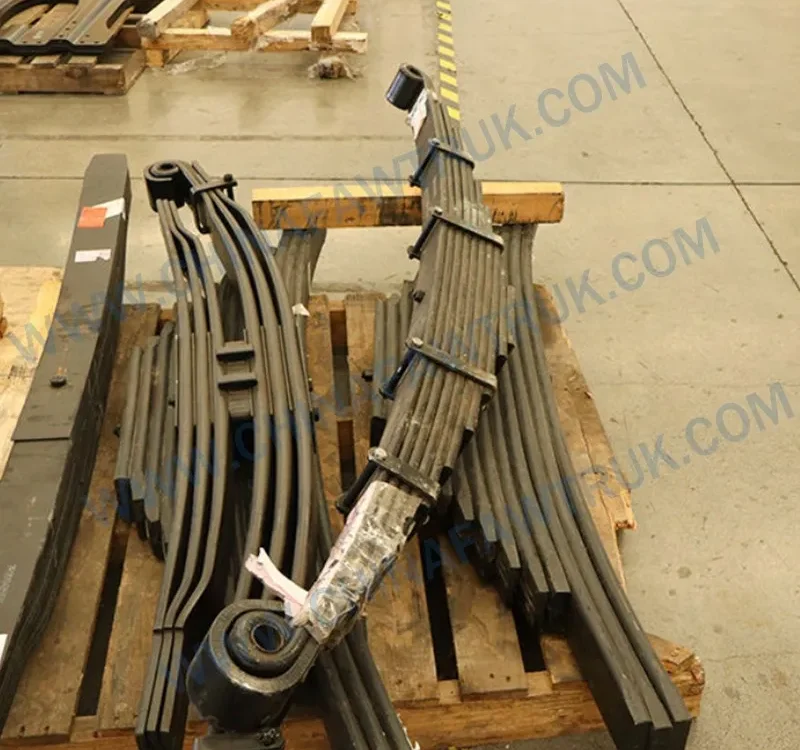
Pièces FAW, y compris l'ensemble bloc-cylindres, sont emballés avec soin pour garantir une livraison en toute sécurité. Chaque composant est sécurisé dans des matériaux de protection pour éviter tout dommage pendant le transport. Le réseau logistique garantit des expéditions ponctuelles dans le monde entier, soutenir des opérations de maintenance efficaces. Vous trouverez ci-dessous une image illustrant l'emballage standard des pièces de camion FAW., mettant en valeur l’attention portée aux détails dans la manipulation et le stockage.
Cette approche d'emballage minimise le risque de corrosion ou de dommages causés par les chocs., s'assurer que les pièces comme l'ensemble bloc-cylindres FAW arrivent en parfait état. Les clients peuvent compter sur la logistique de FAW pour une qualité et une fiabilité constantes.