Faisceau de câblage du moteur russe FAW: 6 Composants critiques pour une intégrité électrique sans faille
Le Faisceau de câblage du moteur russe FAW agit comme le système nerveux central du camion-benne CA3250P66K24L1TE5Z. Conçu pour résister au froid brutal de la Fédération de Russie, cet ensemble assure une transmission fiable du signal entre les capteurs et l'ECU. Ce guide détaille la technologie d'isolation, support, et logique de fixation requise pour éviter les pannes électriques dans des conditions arctiques.

Faisceau de câblage du moteur russe FAW
Le système nerveux: Isolation et connectivité
L'élément principal de ce système est le Ensemble de faisceau de câblage du moteur (Partie no. 3724020-54W). Dans le contexte du Faisceau de câblage du moteur russe FAW, la spécification de l'isolation des fils est le facteur le plus critique. L'isolation PVC standard devient cassante et se fissure à -40°C, conduisant à des courts-circuits et à du cuivre exposé. FAW utilise du polyéthylène réticulé (XLPE) ou des polymères similaires de qualité automobile qui conservent leur flexibilité par temps extrêmement froid, s'assurer que le harnais ne se brise pas sous les vibrations du moteur.
Les connecteurs utilisés dans le Faisceau de câblage du moteur russe FAW sont conçus avec “pack météo” scellés. Ces joints en silicone multi-nervures empêchent l'humidité et les projections de sel de déneigement de pénétrer dans le boîtier du terminal.. Dans l'hiver russe, le cycle de gel-dégel peut aspirer l'humidité dans les connecteurs non scellés, provoquant de la corrosion (la mort verte) qui interrompt les signaux vitaux des capteurs. L'intégrité de ces sceaux garantit que l'ECU reçoit à tout moment des données précises du moteur..
En outre, le Faisceau de câblage du moteur russe FAW est enveloppé dans un métier à tisser de protection. Ce tube ondulé est résistant à la chaleur pour résister à la proximité du collecteur d'échappement et du turbocompresseur.. Il offre également une résistance à l'abrasion, protéger les fils du frottement contre le bloc moteur. Le métier à tisser est spécifiquement scotché ou scellé pour empêcher l’accumulation de glace à l’intérieur du tube, ce qui pourrait alourdir le harnais et stresser les points de fixation.
La résistance électrique du Faisceau de câblage du moteur russe FAW est minimisé grâce à l'utilisation de brins de cuivre de haute pureté. Ceci est essentiel pour les circuits de capteurs basse tension (5Référence V) où même une légère augmentation de la résistance due à l'oxydation ou à un mauvais sertissage peut provoquer des lectures erronées. Le processus de fabrication implique un sertissage et des tests de traction automatisés pour garantir que chaque connexion de borne est solide avant que le faisceau ne quitte l'usine..
Logique de routage: Supports et serre-câbles
La fixation du harnais contre le moteur vibrant nécessite un réseau complexe de supports. Le Faisceau de câblage du moteur russe FAW emploie des supports spécifiques comme Support de faisceau moteur 2 (Partie no. 3724022-54W) et Support de faisceau moteur 1 (Partie no. 3724021-54W). Ces supports éloignent les câbles des points chauds comme le collecteur d'échappement et des pièces mobiles comme la courroie du ventilateur..
Un composant unique dans cet assemblage est Support de faisceau moteur 6 (Partie no. 3724026-54W). Ce support est conçu pour supporter la section la plus lourde du métier à tisser, probablement près de l'ECU ou de la cloison du pare-feu. La rigidité de ces supports est vitale; s'ils fléchissent ou se cassent, le Faisceau de câblage du moteur russe FAW tombera sur des composants chauds ou en mouvement, conduisant à un incendie électrique immédiat ou à un court-circuit.
L'ensemble comprend également deux unités d'une alternative Support de faisceau moteur 1 (Partie no. 3724021-51B). La différenciation des numéros de pièces suggère des emplacements de montage ou des angles spécifiques requis pour la configuration du moteur conforme aux spécifications russes.. Une installation correcte de ces supports garantit que le Faisceau de câblage du moteur russe FAW est maintenu sous tension nulle, empêchant les fils d'être retirés de leurs connecteurs pendant la flexion du châssis.
Le traitement de surface de ces supports est également un facteur clé pour le Faisceau de câblage du moteur russe FAW système. Ils sont généralement zingués ou revêtus de poudre pour résister aux effets corrosifs du chlorure de magnésium utilisé sur les routes russes.. Un support rouillé peut développer des arêtes vives qui coupent le faisceau de câblage, provoquant des courts-circuits intermittents notoirement difficiles à diagnostiquer.
Sécurité finale: Le rôle des attaches de câble
Le héros méconnu du Faisceau de câblage du moteur russe FAW est le Attache de câble en plastique (Partie no. T67417246). Bien que cela puisse ressembler à un consommable générique, les spécifications de cette liaison sont essentielles dans les conditions arctiques. Les attaches de câble en nylon standard deviennent extrêmement fragiles en dessous du point de congélation et se cassent à la moindre vibration., laisser le harnais sans support.
Les liens utilisés dans le Faisceau de câblage du moteur russe FAW sont fabriqués à partir de matériaux stabilisés aux UV, Nylon modifié aux chocs 6/6 ou une formulation similaire pour temps froid. Cela garantit qu'ils restent flexibles et conservent leur résistance à la traction même à -50°C.. Il y a 12 de ces liens précisés dans le décompte, indiquant les points d'arrimage calculés avec précision le long du parcours du harnais.
Une bonne application de ces liens est essentielle pour la longévité du Faisceau de câblage du moteur russe FAW. Ils doivent être suffisamment serrés pour empêcher le métier à tisser de glisser, mais pas au point d'écraser l'ondulation et de pincer les fils à l'intérieur.. Les techniciens doivent également s'assurer que les extrémités coupées des attaches affleurent pour éviter les blessures lors d'un entretien futur..
Ces attaches servent également à regrouper des branches de fil distinctes., augmentant la rigidité structurelle globale du Faisceau de câblage du moteur russe FAW. En créant une masse unifiée, le câblage résiste aux fréquences de résonance harmonique qui pourraient autrement provoquer une fatigue et une rupture du fil interne. Cette attention portée aux détails dans la gestion des câbles est une caractéristique de la philosophie de conception des zones froides de FAW..
Liste de répartition des composants
Le tableau suivant présente la répartition complète des Faisceau de câblage du moteur russe FAW assemblée. Les gestionnaires de flotte doivent utiliser ces numéros de pièces exacts pour garantir que les supports de remplacement s'adaptent correctement aux bossages du bloc moteur et que la longueur du faisceau est suffisante pour le châssis..
| Non. |
Numéro de pièce |
Nom de la pièce |
Quantité |
| 1 |
3724020-54W |
Ensemble de faisceau de câblage du moteur |
1 |
| 2 |
3724022-54W |
Support de faisceau moteur 2 |
1 |
| 3 |
3724021-54W |
Support de faisceau moteur 1 |
1 |
| 4 |
3724026-54W |
Support de faisceau moteur 6 |
1 |
| 5 |
3724021-51B |
Support de faisceau moteur 1 |
2 |
| 6 |
T67417246 |
Attache de câble en plastique |
12 |
Protocoles de diagnostic pour la santé électrique
Inspecter le Faisceau de câblage du moteur russe FAW commence par un contrôle tactile. Par temps froid, remuez doucement le harnais au niveau des points de support pour vous assurer que le métier à tisser n'est pas cassant ou fissuré. Recherchez tout signe de “saupoudrage” autour des parenthèses, ce qui indique que le métier à tisser frotte contre le métal, un précurseur d'un court-circuit.
Vérifiez les connecteurs du Ensemble de faisceau de câblage du moteur des signes de corrosion ou “goupille poussée.” L'expulsion des broches se produit lorsque la borne n'est pas complètement insérée dans le corps du connecteur et repousse une fois accouplée., créer un circuit ouvert. Il s'agit d'un problème courant après une maintenance agressive. Assurez-vous que les languettes de verrouillage rouges sur les connecteurs sont engagées..
Vérifiez que tout 12 Attaches de câble en plastique sont présents et serrés. Un lien manquant fait tomber le harnais. Si le faisceau touche le refroidisseur EGR ou le boîtier du turbo, l'isolation fondra instantanément, provoquant une panne électrique majeure. Utilisez toujours les attaches de câble pour temps froid spécifiées pour le remplacement.; les attaches en nylon blanc standard se dégraderont sous la lumière UV et se casseront au froid.
Enfin, inspecter les points de terre connectés au Faisceau de câblage du moteur russe FAW. Les bornes de terre doivent être en métal brillant, exempt de rouille ou de peinture. Une mauvaise référence au sol peut entraîner une dérive du capteur, conduisant à de faux codes d'erreur et à un fonctionnement inefficace du moteur. Resserrez les boulons de terre selon les spécifications pour garantir un chemin à faible résistance..
Conclusion: La bouée de sauvetage du renseignement
Le Faisceau de câblage du moteur russe FAW est plus qu'un simple faisceau de fils; c'est l'infrastructure critique qui permet au moteur CA3250P66K24L1TE5Z moderne de fonctionner efficacement. Sa conception reflète une profonde compréhension des défis posés par l’environnement russe, privilégier la qualité de l’isolation, étanchéité du connecteur, et support mécanique robuste.
Pour les propriétaires de flotte, protéger cet actif, c’est protéger la disponibilité du camion. Les problèmes électriques sont les défauts les plus difficiles à localiser et à réparer sur le terrain.. En conservant les parenthèses, en utilisant les attaches de câble appropriées, et inspecter le métier à tisser pour déceler tout dommage, vous veillez à ce que Faisceau de câblage du moteur russe FAW continue de fournir des données et de la puissance précises, maintenir votre flotte en mouvement pendant les nuits les plus froides.
Emballage et logistique
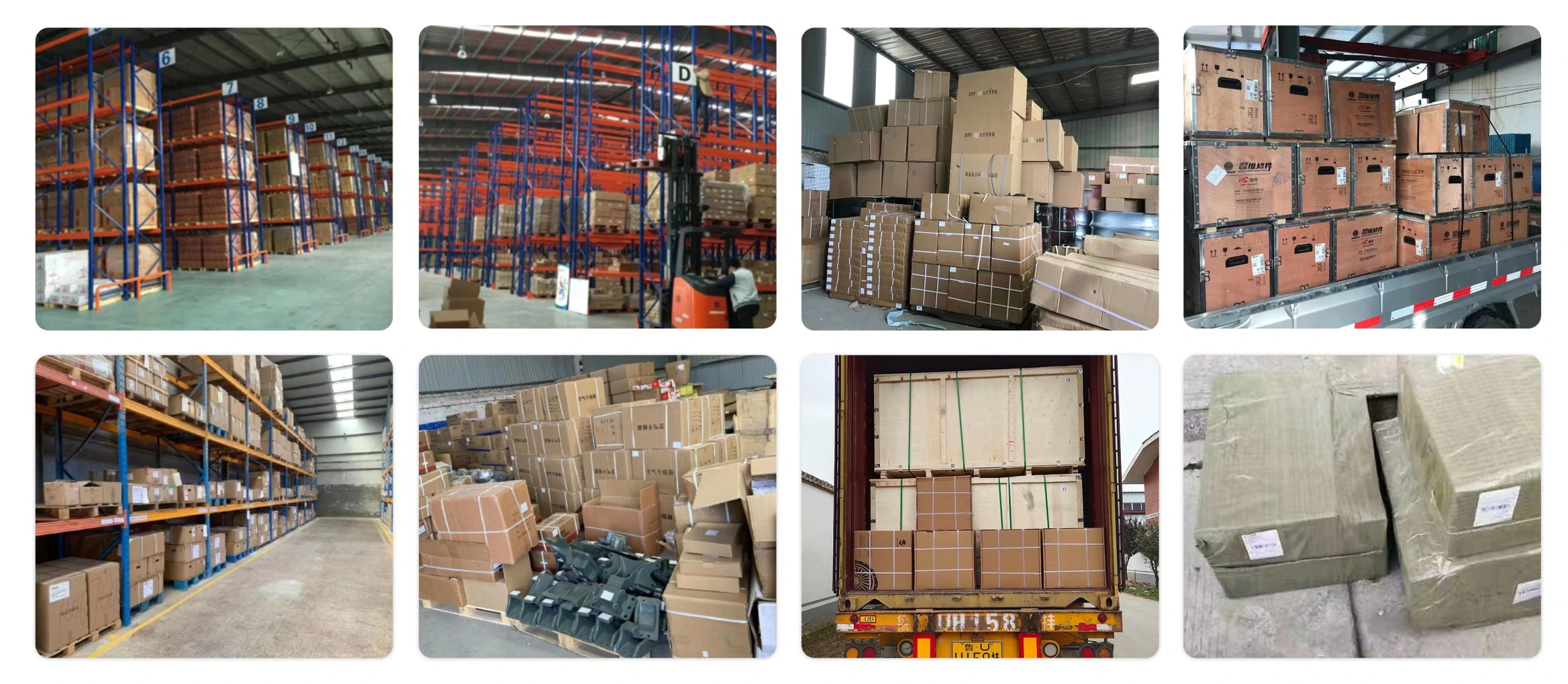
Pièces FAW, y compris l'ensemble bloc-cylindres, sont emballés avec soin pour garantir une livraison en toute sécurité. Chaque composant est sécurisé dans des matériaux de protection pour éviter tout dommage pendant le transport. Le réseau logistique garantit des expéditions ponctuelles dans le monde entier, soutenir des opérations de maintenance efficaces. Vous trouverez ci-dessous une image illustrant l'emballage standard des pièces de camion FAW., mettant en valeur l’attention portée aux détails dans la manipulation et le stockage.
Cette approche d'emballage minimise le risque de corrosion ou de dommages causés par les chocs., s'assurer que les pièces comme l'ensemble bloc-cylindres FAW arrivent en parfait état. Les clients peuvent compter sur la logistique de FAW pour une qualité et une fiabilité constantes.