L'ingénierie derrière le bouchon de remplissage d'huile russe FAW: 5 Joints et structures vitaux pour la sécurité de la lubrification dans l'Arctique
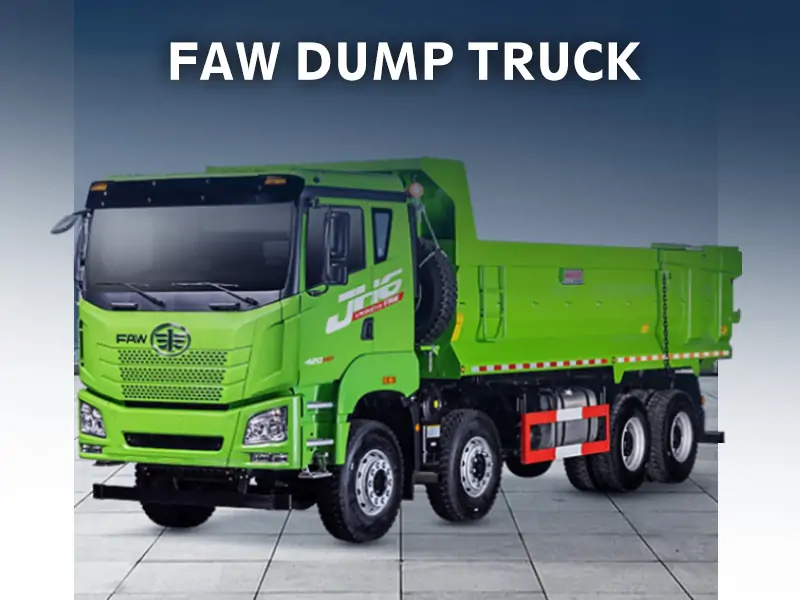
Le Bouchon de remplissage d'huile russe FAW sert de point d'entrée critique pour maintenir la santé de la lubrification du camion-benne CA3250P66K24L1TE5Z. Situé au sommet du couvre-culasse, cet ensemble doit être étanche à la pression positive du carter tout en résistant à l'adhérence glaciale de l'hiver russe. Ce guide analyse le bouchon, sa bague d'étanchéité spécialisée, et l'architecture de couverture de support requise pour l'intégrité totale du système.

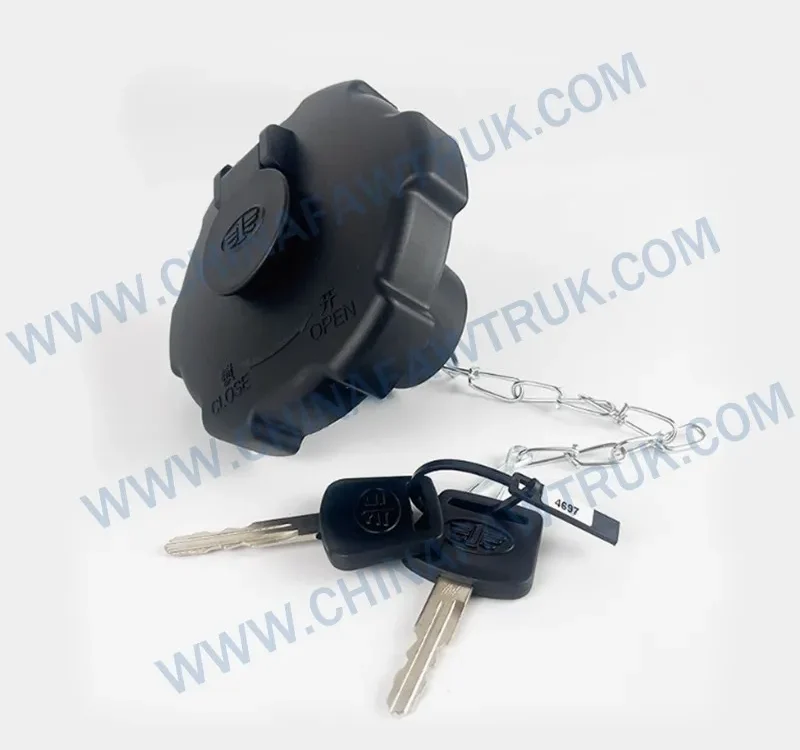
Bouchon de remplissage d'huile russe FAW
Barrière primaire: La conception du bouchon de remplissage d'huile
Le point central de ce sous-système est le Bouchon de remplissage d'huile (Partie no. 1003037-29D). Même s'il peut sembler être un simple composant moulé, ses spécifications de conception pour le Bouchon de remplissage d'huile russe FAW le montage est rigoureux. Le matériau utilisé est un matériau à fort impact, polymère thermique renforcé de verre. Ce composite est choisi spécifiquement pour sa faible conductivité thermique. Dans le froid extrême de la Sibérie, un capuchon métallique gèlerait instantanément sur les fils du couvercle, nécessiter des outils pour retirer et potentiellement fissurer le boîtier.
La construction en polymère garantit que le Bouchon de remplissage d'huile reste utilisable à la main même lorsque la température ambiante descend jusqu'à -40°C. En outre, la géométrie externe présente des caractéristiques agressives, moletage à gorge profonde. Cette conception ergonomique permet aux conducteurs ou aux mécaniciens portant des gants d'hiver épais de générer un couple suffisant pour ouvrir le capuchon sans glisser..
Intérieurement, le Bouchon de remplissage d'huile présente une conception à filetage multifil. Cela permet au capuchon d'être entièrement mis en place et verrouillé en moins d'un tour complet., réduisant le temps pendant lequel le moteur est ouvert aux éléments pendant les recharges. Les fils sont moulés avec précision pour résister au filetage croisé, un problème courant dans les conditions de maintenance sur le terrain où la visibilité est mauvaise et où les opérateurs se précipitent pour regagner la cabine chaude.
Le sceau critique: Ingénierie des élastomères
L'intégrité du Bouchon de remplissage d'huile russe FAW repose entièrement sur Anneau de phoque – Bouchon de remplissage d'huile (Partie no. 1003036-29D). Ce joint torique est l'interface dynamique entre le bouchon et le moteur. Dans les applications standards, Le caoutchouc nitrile est utilisé, mais pour la spécification russe, FAW utilise un fluorocarbone (FKM) ou mélange EPDM spécialisé.
Cette sélection de matériaux est essentielle pour éviter “ensemble de compression” à des températures glaciales. Quand un joint torique standard devient froid, il durcit et conserve sa forme plate même après le retrait du capuchon. Le Anneau de phoque – Bouchon de remplissage d'huile conserve son élasticité, en s'assurant qu'il rebondit et crée un nouveau joint à chaque fois que le capuchon est serré.
Une défaillance de ce sceau permet deux processus dangereux. D'abord, il permet à la pression positive du carter d'expulser la vapeur d'huile, enduire le moteur d'un film inflammable. Deuxième, et, plus important encore, pour le Bouchon de remplissage d'huile russe FAW système, il permet à la poussière de charbon et au sel de déneigement d'être aspirés dans le système de soupapes pendant le cycle de refroidissement sous vide du moteur, entraînant une usure rapide de l'arbre à cames.
Le logement structurel: Intégration du couvre-culasse
Le Bouchon de remplissage d'huile ne flotte pas dans l'espace; il est monté directement dans le Couvercle de culasse (Partie no. 1003031-81D). La rigidité de cette housse est primordiale pour la performance de la casquette. Si le couvercle fléchit sous l'effet des vibrations, le col fileté peut se déformer, provoquant le desserrage du capuchon. Le Bouchon de remplissage d'huile russe FAW Le système repose sur la structure renforcée en polymère ou en alliage du couvercle pour fournir une stabilité, bossage de montage circulaire qui ne s'ovale pas sous contrainte thermique.
L'interface entre le couvercle et la culasse est scellée par le Joint de couvre-culasse (Partie no. 1003041-81D). Ce joint isole le couvercle des vibrations haute fréquence du bloc moteur. En amortissant ces vibrations, le joint les empêche de transmettre jusqu'au Bouchon de remplissage d'huile, ce qui pourrait autrement faire vibrer le capuchon sur des milliers de kilomètres de routes minières accidentées.
La sécurisation de l'ensemble de l'assemblage est la Ensembles de boulons de couvre-culasse (Partie no. 1003060-81D). Il y a 17 de ces attaches assurant une pression uniforme vers le bas. Leur rôle dans Bouchon de remplissage d'huile russe FAW l’écosystème est indirect mais vital; ils maintiennent la rigidité structurelle de la plate-forme sur laquelle repose le capuchon. Une couverture lâche entraîne un mouvement excessif, ce qui met en cause l'étanchéité du bouchon et peut entraîner des fuites à la base du goulot de remplissage.
Liste de répartition des composants
Le tableau suivant présente l'ensemble complet associé au Bouchon de remplissage d'huile russe FAW. Notez que le capuchon et son joint sont des composants intégrés du plus grand système de couvre-culasse..
| Non. |
Numéro de pièce |
Nom de la pièce |
Quantité |
| 1 |
1003031-81D |
Couvercle de culasse |
1 |
| 2 |
1003041-81D |
Joint de couvre-culasse |
1 |
| 3 |
1003060-81D |
Ensemble de boulon de couvercle de culasse |
17 |
| 4 |
1003037-29D |
Bouchon de remplissage d'huile |
1 |
| 5 |
1003036-29D |
Anneau de phoque – Bouchon de remplissage d'huile |
1 |
Protocole pour la maintenance de l'Arctique
Entretien du Bouchon de remplissage d'huile russe FAW va au-delà du simple vissage. Le principal point d'inspection est le Anneau de phoque – Bouchon de remplissage d'huile. Les techniciens doivent vérifier la planéité ou les déchirures de cet anneau à chaque intervalle de vidange d'huile.. Au sec, air poussiéreux des mines à ciel ouvert russes, des particules abrasives peuvent s'accumuler sur la surface huilée du joint.
Si ces grains ne sont pas nettoyés avant la réinstallation, il va s'incruster dans le caoutchouc, agissant comme une pâte abrasive qui use la surface d'étanchéité du Couvercle de culasse. Au fil du temps, cela crée un chemin de fuite permanent qu'un nouveau joint torique ne peut pas réparer, nécessitant le remplacement de toute la couverture.
En outre, vérifier le Bouchon de remplissage d'huile pour “mayonnaise”-un blanc, émulsion laiteuse sur le dessous. Cela indique une contamination par l'humidité dans l'huile. Bien qu'une certaine condensation soit normale par temps extrêmement froid, des quantités excessives suggèrent que le joint du bouchon est défaillant, permettant à l'air humide de circuler dans le moteur pendant les périodes de refroidissement.
Conclusion: Petite partie, Grand impact
Le Bouchon de remplissage d'huile russe FAW est un composant trompeur. Cela paraît simple, Pourtant, il remplit une fonction de barrière essentielle dans l'un des environnements opérationnels les plus hostiles au monde.. Il protège l’élément vital du moteur, son huile, des ravages de la poussière de charbon., sel de déneigement, et une humidité inférieure à zéro.
La conception intégrée du Bouchon de remplissage d'huile, le Anneau de phoque, et le soutien Couvercle de culasse représente une stratégie d’étanchéité cohérente. Négliger ces éléments peu coûteux peut entraîner des dommages moteur disproportionnés..
Pour les gestionnaires de flotte, le mandat est clair: traiter le Bouchon de remplissage d'huile russe FAW comme article d'usure. Une inspection régulière et l'utilisation de pièces de rechange d'origine FAW garantissent que ce petit gardien continue de protéger votre investissement., garder votre CA3250P66K24L1TE5Z rentable et opérationnel pendant le profond hiver russe.
Emballage et logistique
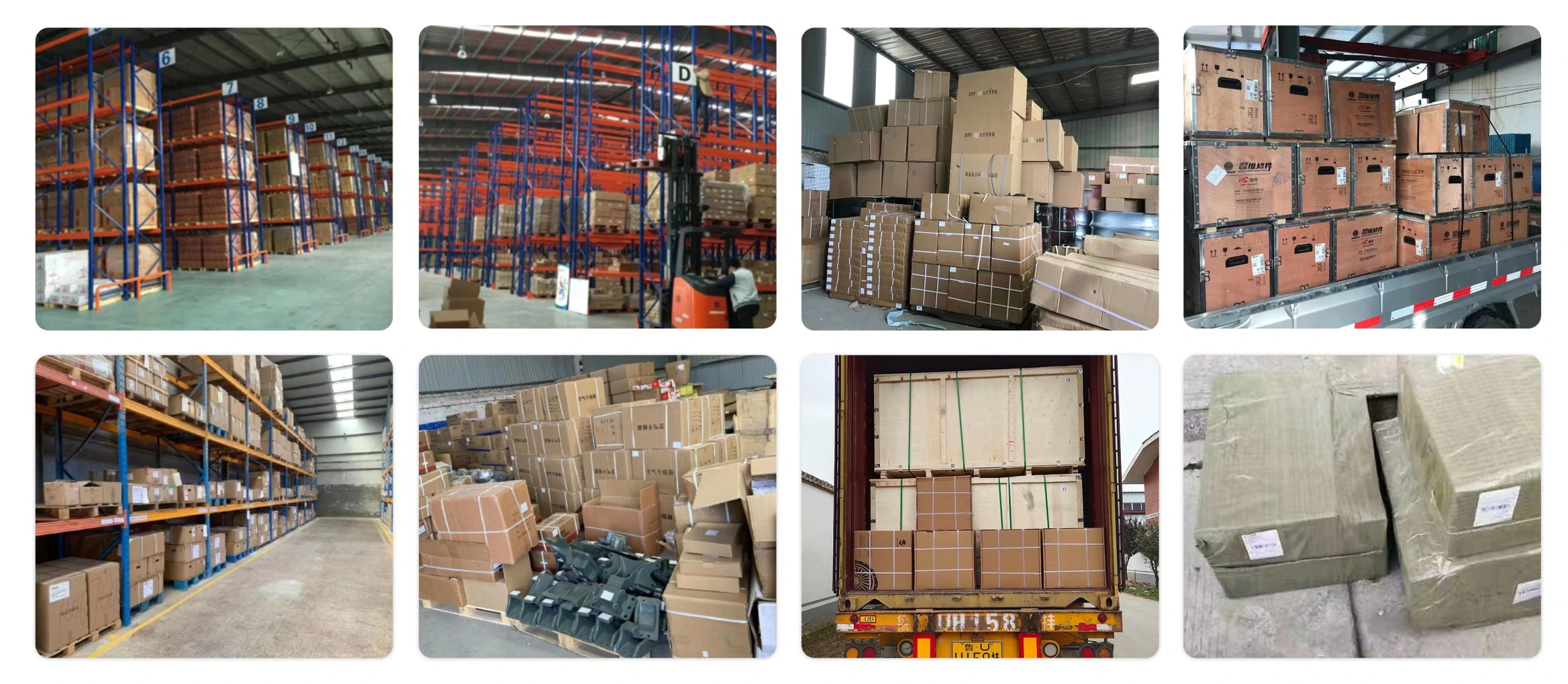
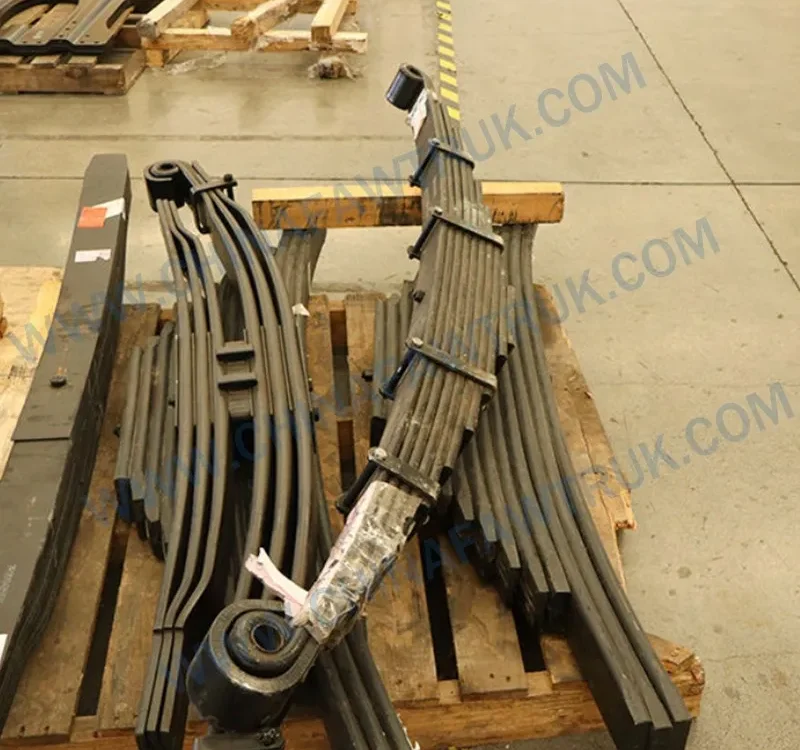
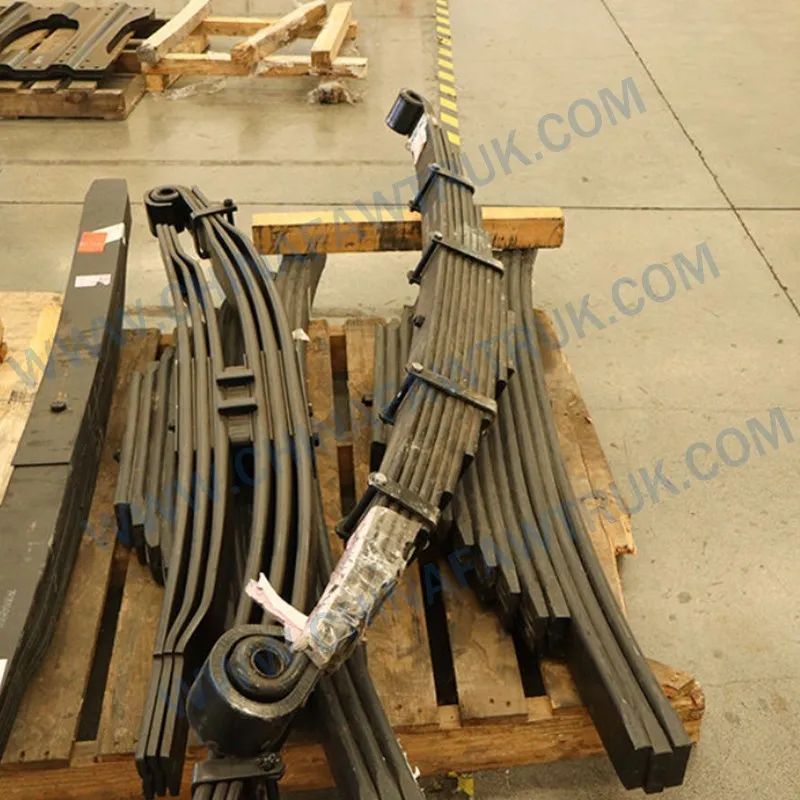
Pièces FAW, y compris l'ensemble bloc-cylindres, sont emballés avec soin pour garantir une livraison en toute sécurité. Chaque composant est sécurisé dans des matériaux de protection pour éviter tout dommage pendant le transport. Le réseau logistique garantit des expéditions ponctuelles dans le monde entier, soutenir des opérations de maintenance efficaces. Vous trouverez ci-dessous une image illustrant l'emballage standard des pièces de camion FAW., mettant en valeur l’attention portée aux détails dans la manipulation et le stockage.
Cette approche d'emballage minimise le risque de corrosion ou de dommages causés par les chocs., s'assurer que les pièces comme l'ensemble bloc-cylindres FAW arrivent en parfait état. Les clients peuvent compter sur la logistique de FAW pour une qualité et une fiabilité constantes.