A engenharia por trás da tampa de enchimento de óleo russa FAW: 5 Selos e estruturas vitais para segurança de lubrificação no Ártico
O Tampa de enchimento de óleo russo FAW serves as the critical entry point for maintaining the lubrication health of the CA3250P66K24L1TE5Z dump truck. Situated atop the cylinder head cover, this assembly must seal against positive crankcase pressure while resisting the freezing grip of the Russian winter. This guide analyzes the cap, its specialized seal ring, and the supporting cover architecture required for total system integrity.

Tampa de enchimento de óleo russo FAW
Primary Barrier: The Oil Filler Cap Design
The focal point of this subsystem is the Tampa de preenchimento de óleo (Parte não. 1003037-29D). While it may appear to be a simple molded component, its design specifications for the Tampa de enchimento de óleo russo FAW assembly are rigorous. The material utilized is a high-impact, glass-reinforced thermal polymer. This composite is chosen specifically for its low thermal conductivity. In the extreme cold of Siberia, a metal cap would freeze instantly to the threads of the cover, requiring tools to remove and potentially cracking the housing.
The polymer construction ensures that the Tampa de preenchimento de óleo remains operable by hand even when the ambient temperature drops to -40°C. Além disso, the external geometry features aggressive, deep-grooved knurling. This ergonomic design allows drivers or mechanics wearing thick winter gloves to generate sufficient torque to open the cap without slipping.
Internamente, o Tampa de preenchimento de óleo features a multi-lead thread design. This allows the cap to be fully seated and locked with less than a full turn, reducing the time the engine is open to the elements during top-ups. The threads are precision-molded to resist cross-threading, a common issue in field maintenance conditions where visibility is poor and operators are rushing to get back into the warm cab.
O Selo Crítico: Elastomer Engineering
A integridade do Tampa de enchimento de óleo russo FAW relies entirely on the Anel de vedação – Tampa de preenchimento de óleo (Parte não. 1003036-29D). This O-ring is the dynamic interface between the cap and the engine. Em aplicações padrão, Nitrile rubber is used, but for the Russian specification, FAW employs a Fluorocarbon (FKM) or specialized EPDM blend.
This material selection is critical to prevent “conjunto de compressão” in freezing temperatures. When a standard O-ring gets cold, it hardens and retains its flat shape even after the cap is removed. O Anel de vedação – Tampa de preenchimento de óleo mantém sua elasticidade, ensuring that it rebounds and creates a fresh seal every time the cap is tightened.
A failure in this seal allows two dangerous processes. Primeiro, it permits positive crankcase pressure to push oil vapor out, coating the engine in a flammable film. Segundo, and more critically for the Tampa de enchimento de óleo russo FAW sistema, it allows coal dust and road salt to be sucked into the valve train during the engine’s cool-down vacuum cycle, leading to rapid camshaft wear.
The Structural Housing: Cylinder Head Cover Integration
O Tampa de preenchimento de óleo does not float in space; it is mounted directly into the Tampa da cabeça do cilindro (Parte não. 1003031-81D). The rigidity of this cover is paramount for the cap’s performance. If the cover flexes under vibration, the threaded neck can distort, causing the cap to loosen. O Tampa de enchimento de óleo russo FAW system relies on the reinforced polymer or alloy structure of the cover to provide a stable, circular mounting boss that does not ovalize under thermal stress.
The interface between the cover and the cylinder head is sealed by the Junta da tampa da cabeça do cilindro (Parte não. 1003041-81D). This gasket isolates the cover from the high-frequency vibrations of the engine block. By dampening these vibrations, the gasket prevents them from transmitting up to the Tampa de preenchimento de óleo, which could otherwise cause the cap to vibrate loose over thousands of kilometers of rough mining roads.
Securing the entire assembly are the Cylinder Head Cover Bolt Assemblies (Parte não. 1003060-81D). Há 17 of these fasteners ensuring uniform downward pressure. Their role in the Tampa de enchimento de óleo russo FAW ecosystem is indirect but vital; they maintain the structural rigidity of the platform on which the cap sits. A loose cover leads to excessive movement, which challenges the cap’s seal and can lead to leaks at the filler neck base.
Lista detalhada de componentes
The following table outlines the complete assembly associated with the Tampa de enchimento de óleo russo FAW. Note that the cap and its seal are integrated components of the larger Cylinder Head Cover system.
| Não. |
Número da peça |
Nome da peça |
Quantidade |
| 1 |
1003031-81D |
Tampa da cabeça do cilindro |
1 |
| 2 |
1003041-81D |
Junta da tampa da cabeça do cilindro |
1 |
| 3 |
1003060-81D |
Conjunto do parafuso da tampa do cabeçote |
17 |
| 4 |
1003037-29D |
Tampa de preenchimento de óleo |
1 |
| 5 |
1003036-29D |
Anel de vedação – Tampa de preenchimento de óleo |
1 |
Protocol for Arctic Maintenance
Manutenção do Tampa de enchimento de óleo russo FAW extends beyond simply screwing it on tight. The primary inspection point is the Anel de vedação – Tampa de preenchimento de óleo. Technicians must check this ring for flatness or tears at every oil change interval. In the dry, dusty air of Russian open-pit mines, abrasive particles can accumulate on the oiled surface of the seal.
If this grit is not wiped clean before re-installation, it will embed itself into the rubber, acting as a grinding paste that wears down the sealing surface of the Tampa da cabeça do cilindro. Ao longo do tempo, this creates a permanent leak path that a new O-ring cannot fix, necessitating the replacement of the entire cover.
Além disso, check the Tampa de preenchimento de óleo para “maionese”—a white, milky emulsion on the underside. This indicates moisture contamination in the oil. While some condensation is normal in extreme cold, excessive amounts suggest that the cap’s seal has failed, allowing humid air to cycle into the engine during cool-down periods.
Conclusão: Parte pequena, Big Impact
O Tampa de enchimento de óleo russo FAW é um componente enganoso. It appears simple, yet it performs a critical barrier function in one of the most hostile operating environments on earth. It protects the engine’s lifeblood—its oil—from the ravages of coal dust, sal de estrada, and sub-zero humidity.
The integrated design of the Tampa de preenchimento de óleo, o Anel de vedação, and the supporting Tampa da cabeça do cilindro represents a cohesive sealing strategy. Neglecting these low-cost items can lead to disproportionately expensive engine damage.
Para gerentes de frota, o mandato é claro: treat the Tampa de enchimento de óleo russo FAW as a wear item. Regular inspection and the use of genuine FAW replacement parts ensure that this small guardian continues to protect your investment, keeping your CA3250P66K24L1TE5Z profitable and operational in the deep Russian winter.
Embalagem e Logística
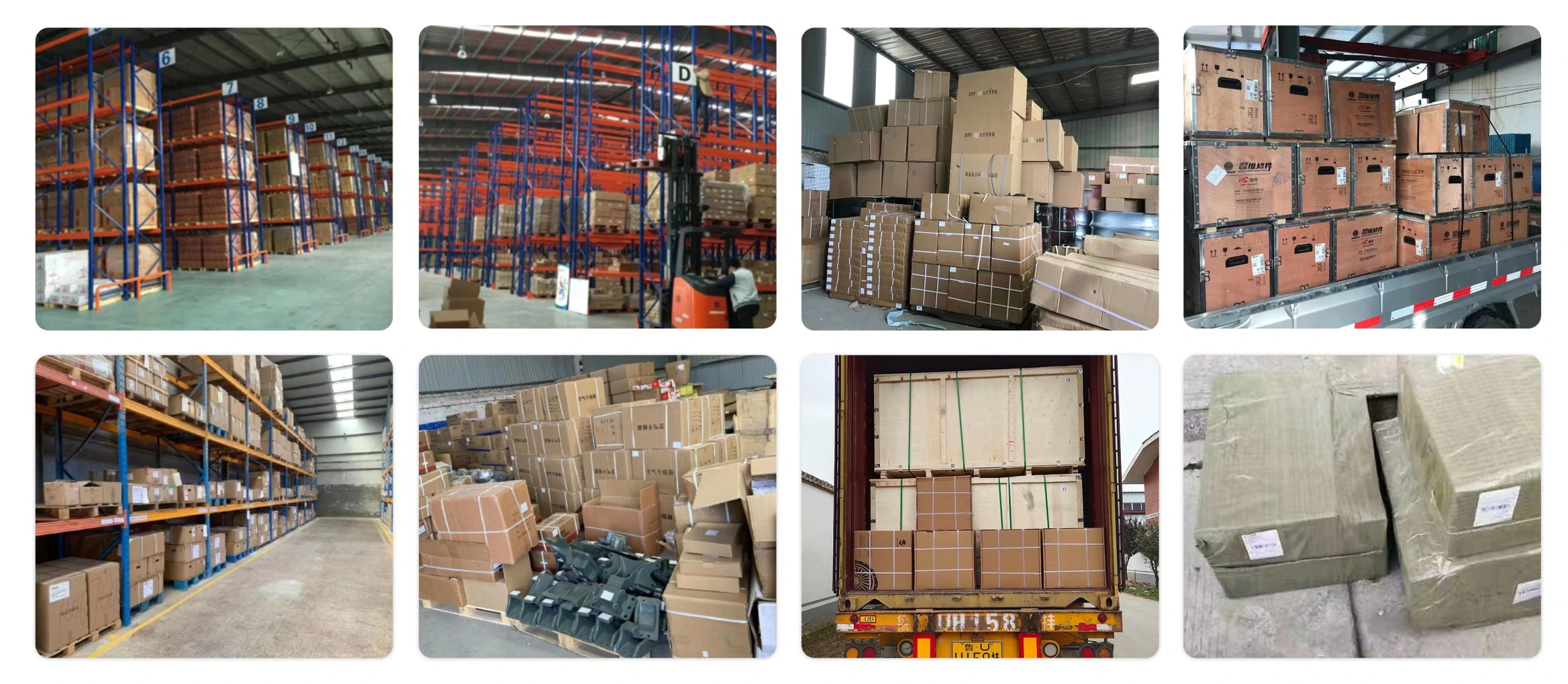
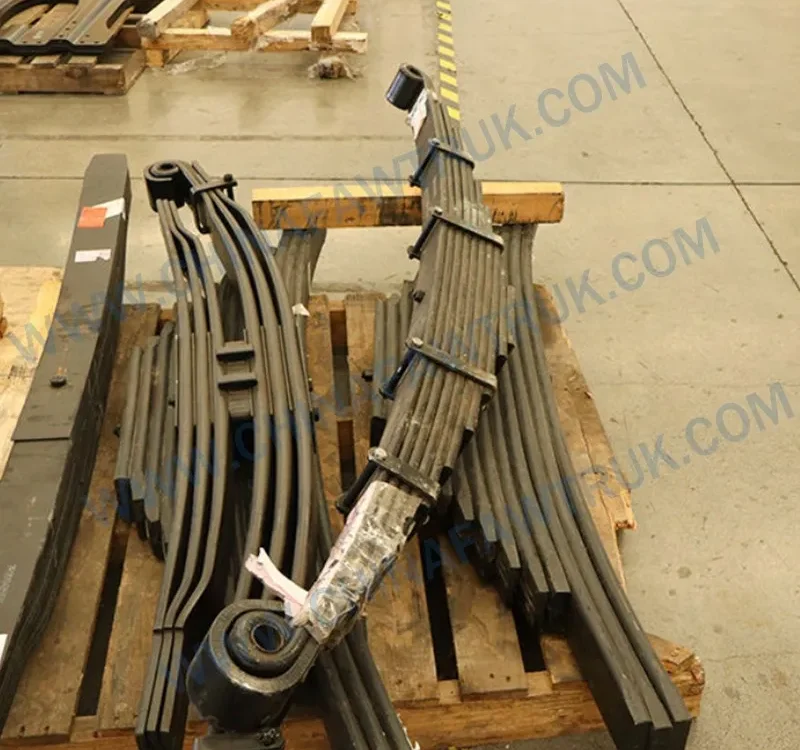
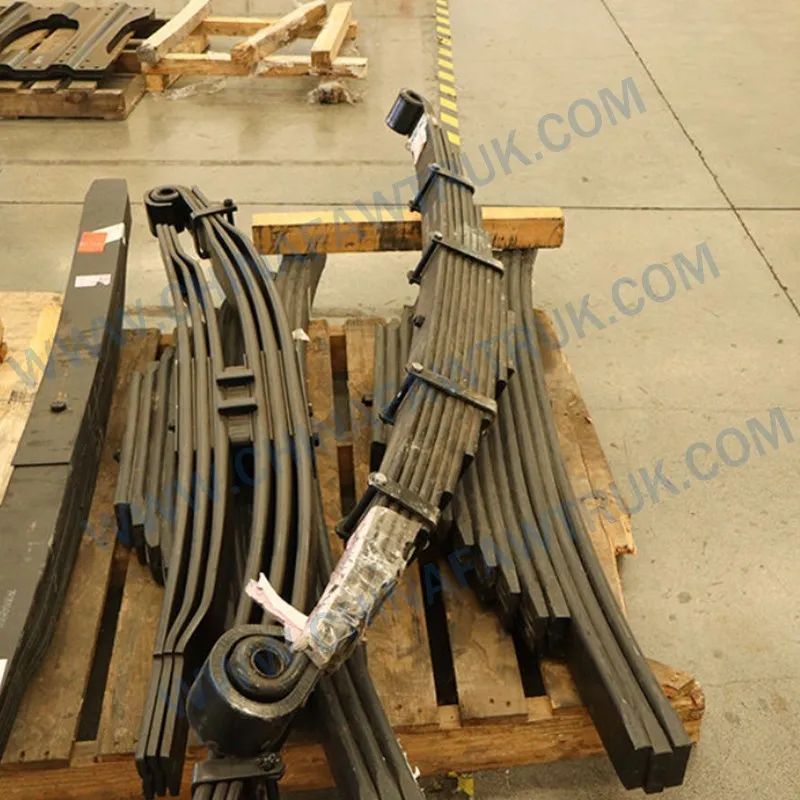
Peças FAW, incluindo o conjunto do bloco de cilindros, são embalados com cuidado para garantir uma entrega segura. Cada componente é protegido por materiais de proteção para evitar danos durante o transporte. A rede logística garante envios pontuais em todo o mundo, apoiando operações de manutenção eficientes. Abaixo está uma imagem ilustrando a embalagem padrão para peças de caminhão FAW, mostrando a atenção aos detalhes no manuseio e armazenamento.
Esta abordagem de embalagem minimiza o risco de corrosão ou danos por impacto, garantindo que peças como o conjunto do bloco de cilindros FAW cheguem em perfeitas condições. Os clientes podem confiar na logística da FAW para obter qualidade e confiabilidade consistentes.