A tampa da cabeça do cilindro russo FAW: Engenharia 5 Componentes Críticos para a Higiene do Motor Ártico
O Tampa da cabeça do cilindro russo FAW is the environmental shield for the CA3250P66K24L1TE5Z engine’s valve train. It defends precision components against the harsh realities of the Russian Arctic while retaining vital lubrication. This guide explores the engineering behind its sealing architecture and fastening logic, ensuring your fleet remains operational in extreme cold.

Tampa da cabeça do cilindro russo FAW
Structural Architecture: Thermal Stability and Noise Suppression
The dominant component of this assembly is the Tampa da cabeça do cilindro (Parte não. 1003031-81D). No contexto da engenharia Tampa da cabeça do cilindro russo FAW, this part serves a dual function beyond simple containment. It acts as an acoustic damper, specifically tuned to suppress the high-frequency mechanical noise generated by the rocker arms and valve springs. The internal ribbing structure is designed to increase rigidity without adding excessive weight, ensuring the cover does not resonate or “tambor” during engine operation.
Mais criticamente, this cover must maintain dimensional stability across a massive temperature gradient. In Russian mining operations, the external air temperature can drop to -40°C, while the internal oil temperature rises to 90°C. Se o Tampa da cabeça do cilindro were to warp under this thermal stress, the sealing surface would lift, levando à fome imediata de petróleo. FAW utilizes a high-grade composite or alloy for this part that exhibits a low coefficient of thermal expansion, ensuring it stays flat against the head regardless of the weather.
Adicionalmente, the cover acts as a condenser for oil vapor. As hot oil mist rises from the valve train, it hits the cooler inner surface of the Tampa da cabeça do cilindro russo FAW and condenses back into liquid droplets. This passive recovery system reduces oil consumption and prevents excessive pressure buildup in the crankcase. The internal baffles are strategically placed to separate oil from the air before it reaches the PCV (Ventilação positiva do cárter) sistema, protecting downstream sensors from contamination.
Lógica de Selagem: Advanced Polymer Gasket Technology
The sealing integrity of the system relies entirely on the Junta da tampa da cabeça do cilindro (Parte não. 1003041-81D). Standard rubber gaskets frequently fail in the Russian winter because they reach their “glass transition phase,” becoming hard and brittle. When the engine vibrates during a cold start, a brittle gasket cannot flex, leading to cracks and immediate oil leaks.
Para combater isso, o Tampa da cabeça do cilindro russo FAW utilizes a specialized elastomer compound that remains pliable even at sub-zero temperatures. This elasticity ensures that the gasket maintains constant contact pressure against the sealing surface, accommodating the microscopic movements of the engine block. The gasket profile typically features a raised “bead” que concentra a carga de fixação, criando uma linha de defesa de alta pressão contra infiltração de petróleo.
Além disso, esta junta funciona como um isolador de vibração. Ao dissociar o Tampa da cabeça do cilindro da fundição da cabeça do cilindro, evita a transmissão de vibrações do bloco para a tampa, reduzindo ainda mais o ruído geral do motor. Uma junta comprometida faz mais do que vazar óleo; permite que o ar úmido seja aspirado durante os ciclos de resfriamento. Essa umidade se condensa em água, levando à formação de lama que pode bloquear as passagens de óleo e degradar o desempenho do motor ao longo do tempo.
Dinâmica de fixação: O sistema de parafuso de 17 pontos
Conseguir uma vedação uniforme em um componente tão grande requer uma estratégia de fixação projetada com precisão. A assembleia emprega 17 unidades do Conjunto do parafuso da tampa do cabeçote (Parte não. 1003060-81D). A alta contagem de parafusos é deliberada; minimiza a distância entre os pontos de fixação, preventing the cover from bowing or lifting in between bolts. This ensures that the compression on the Junta da tampa da cabeça do cilindro remains uniform around the entire perimeter.
These bolt assemblies are sophisticated fasteners, often integrating a sleeve or grommet. This design limits the compression force, preventing the mechanic from over-tightening the bolts and crushing the gasket. Over-compression destroys the gasket’s memory (its ability to rebound), leading to leaks once the gasket takes a permanent set. O Conjunto do parafuso da tampa do cabeçote ensures the gasket stays within its optimal elastic range for the lifespan of the part.
In the high-vibration environment of a heavy-duty dump truck, bolt retention is a critical concern. These bolts typically feature pre-applied thread locker or a serrated flange to resist backing out. Um parafuso solto no Tampa da cabeça do cilindro russo FAW creates a leak path that can allow oil to weep down onto the hot exhaust manifold, posing a significant fire risk. Regular torque verification is therefore a key aspect of fleet maintenance.
Maintenance Access: Oil Filler Cap and Seals
Routine maintenance access is facilitated by the Tampa de preenchimento de óleo (Parte não. 1003037-29D). Embora aparentemente simples, this component must seal against the positive crankcase pressure generated by the engine’s operation. If the cap is loose, rachado, or poorly sealed, oil vapor will escape, coating the engine bay in a sticky film that attracts coal dust and road grime, complicating future repairs and potentially masking other leaks.
The sealing integrity of this access point is guaranteed by the Anel de vedação – Tampa de preenchimento de óleo (Parte não. 1003036-29D). This O-ring is the most frequently manipulated seal in the entire Tampa da cabeça do cilindro russo FAW conjunto, compressed and released every time oil is added. Consequently, it is subject to wear and tear that static gaskets are not. It must be made of a robust material capable of resisting abrasion and tearing.
In the context of the Russian winter, a common failure mode is the cap seizing due to ice formation or thermal contraction. O desenho do Tampa de preenchimento de óleo typically features aggressive knurling or a hex head to allow operators to open it even while wearing thick winter gloves. Substituindo o Anel de vedação – Tampa de preenchimento de óleo annually is a recommended best practice to prevent unfiltered air from bypassing the intake system and entering the crankcase directly.
Lista detalhada de componentes
A tabela a seguir detalha os componentes específicos do Tampa da cabeça do cilindro russo FAW conjunto. Fleet managers should verify these part numbers during maintenance to ensure the correct cold-weather specification is installed on the CA3250P66K24L1TE5Z.
| Não. |
Número da peça |
Nome da peça |
Quantidade |
| 1 |
1003031-81D |
Tampa da cabeça do cilindro |
1 |
| 2 |
1003041-81D |
Junta da tampa da cabeça do cilindro |
1 |
| 3 |
1003060-81D |
Conjunto do parafuso da tampa do cabeçote |
17 |
| 4 |
1003037-29D |
Tampa de preenchimento de óleo |
1 |
| 5 |
1003036-29D |
Anel de vedação – Tampa de preenchimento de óleo |
1 |
Diagnostic and Maintenance Protocols
Servindo o Tampa da cabeça do cilindro russo FAW requires precision and cleanliness. The most frequent maintenance event involves checking the valve lash, necessitating cover removal. Whenever the cover is lifted, o Junta da tampa da cabeça do cilindro must be replaced without exception. Rubber gaskets take a “conjunto de compressão” ao longo do tempo; reusing an old gasket will almost certainly result in a leak as it cannot adapt to the sealing surface a second time.
Apertando o Conjunto do parafuso da tampa do cabeçote requires a specific sequence to ensure a flat seal. Technicians should employ a “estrela” ou “spiral” padrão, starting from the center of the cover and working outwards. This technique pushes the gasket material towards the edges, removing wrinkles and preventing localized pinching. Tightening in a simple circle can bunch the gasket material, creating immediate leak paths.
Diagnostic checks should include inspecting the Tampa de preenchimento de óleo para “maionese”—a milky white emulsion. This substance indicates moisture accumulation within the Tampa da cabeça do cilindro russo FAW, typically caused by frequent short trips in cold weather where the engine fails to reach operating temperature. Finalmente, ensuring the mating surface on the cylinder head is surgically clean of old gasket material or silicone residue is paramount before installing the new cover.
Conclusão: Protecting the Engine’s Heart
O Tampa da cabeça do cilindro russo FAW is a vital component in ensuring the longevity of the CA3250P66K24L1TE5Z engine. It provides essential protection for the valve train against the brutal reality of the Russian environment. From the material formulation of the Junta da tampa da cabeça do cilindro to the ergonomic design of the Tampa de preenchimento de óleo, every detail is engineered for functionality and durability in extreme conditions.
Using genuine FAW parts ensures that these specific engineering standards are met. Cheap aftermarket covers may warp under thermal stress, and generic gaskets often freeze and crack in sub-zero temperatures. By choosing genuine components for the Tampa da cabeça do cilindro russo FAW, fleet operators ensure their engines remain clean, lubricated, and ready for work, regardless of the freezing challenges ahead.
Embalagem e Logística
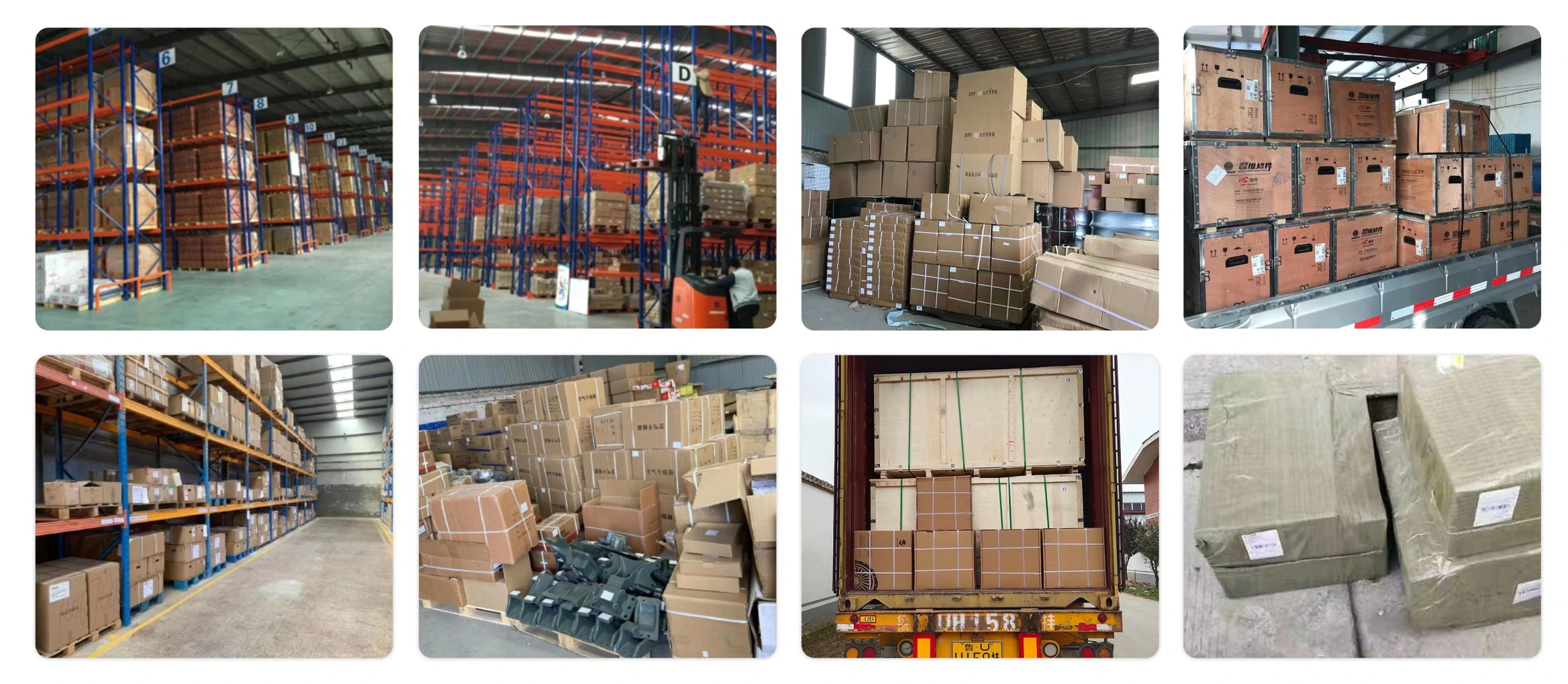
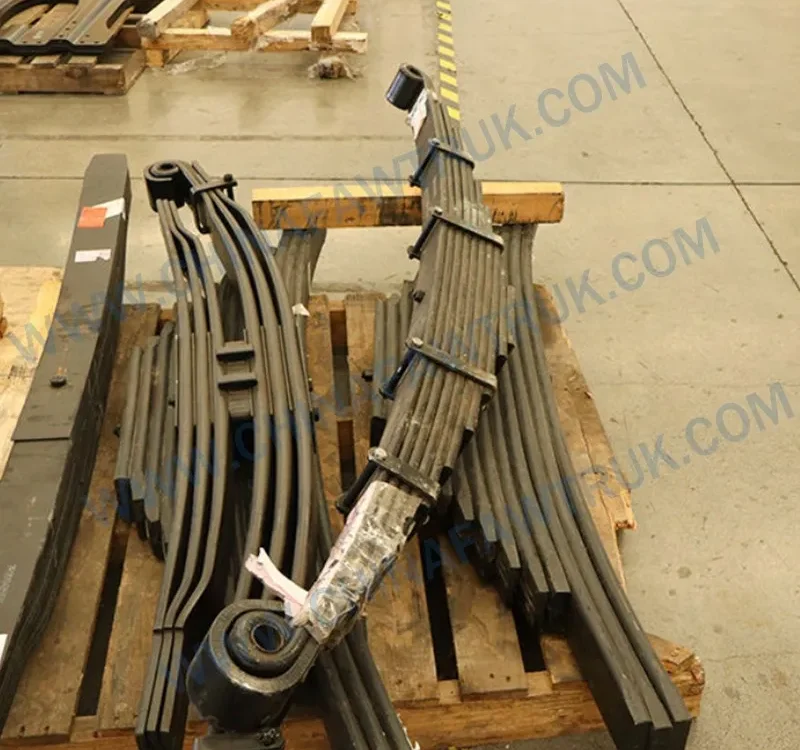
Peças FAW, incluindo o conjunto do bloco de cilindros, são embalados com cuidado para garantir uma entrega segura. Cada componente é protegido por materiais de proteção para evitar danos durante o transporte. A rede logística garante envios pontuais em todo o mundo, apoiando operações de manutenção eficientes. Abaixo está uma imagem ilustrando a embalagem padrão para peças de caminhão FAW, mostrando a atenção aos detalhes no manuseio e armazenamento.
Esta abordagem de embalagem minimiza o risco de corrosão ou danos por impacto, garantindo que peças como o conjunto do bloco de cilindros FAW cheguem em perfeitas condições. Os clientes podem confiar na logística da FAW para obter qualidade e confiabilidade consistentes.