Schéma d'assemblage de l'arbre de transmission russe FAW: Ingénierie 7 Liens stratégiques pour une propulsion arctique imparable
Le Schéma d'assemblage de l'arbre de transmission russe FAW décrit le réseau complexe de distribution de couple pour le CA3250P66K24L1TE5Z 6×6 tombereau. Ce guide technique décortique les connexions de la boîte de transfert, direction avant, et liaisons d'essieu tandem arrière. Nous analysons le 7 des composants critiques qui assurent la continuité cinétique et une fourniture d'énergie sans vibrations dans les conditions de -40°C du secteur minier sibérien.

Schéma d'assemblage de l'arbre de transmission russe FAW
Architecture du système: Le 6×6 Mise en page
L'architecture de la transmission représentée dans le Schéma d'assemblage de l'arbre de transmission russe FAW est un témoignage d'une ingénierie robuste conçue pour les environnements à faible traction. Contrairement à la norme 6×4 des camions qui propulsent simplement le bogie arrière, ce système implique un acheminement complexe du couple vers les six positions des roues. Le centre de cette distribution est le Arbre de transmission de boîte de transfert et ensemble de joint universel (Partie no. 2215010-55R.). Cet arbre spécifique relie la sortie de transmission principale à l'entrée de la boîte de transfert. C'est le composant le plus sollicité de la transmission., car il doit transmettre 100% du couple du moteur avant sa répartition entre les essieux avant et arrière.
Le “55R.” désignation trouvée dans tout le Schéma d'assemblage de l'arbre de transmission russe FAW indique une modification spécifique par temps froid. Dans les arbres de transmission standards, les bottes en caoutchouc protégeant les étriers coulissants et les joints de graisse à l'intérieur des capuchons de joint universel peuvent geler et se fissurer à des températures extrêmement inférieures à zéro.. Les composants de spécification russe utilisent des élastomères synthétiques à basse température et sont pré-emballés avec une graisse au complexe de lithium qui conserve sa viscosité jusqu'à -50°C.. Cela garantit que les roulements à aiguilles dans les joints universels restent lubrifiés pendant les premières minutes critiques de fonctionnement dans une carrière gelée..
En outre, le Schéma d'assemblage de l'arbre de transmission russe FAW souligne la nécessité d'un phasage précis. Les arbres de transmission doivent être équilibrés dynamiquement pour éviter les vibrations harmoniques. Dans un camion-benne à empattement long, un arbre de transmission vibrant agit comme un diapason, transmettre une énergie destructrice aux roulements de la boîte de transfert et aux pignons du différentiel. La logique d'assemblage impose que les chapes à chaque extrémité de l'arbre doivent être alignées (en phase) pour annuler la vitesse non uniforme inhérente à la rotation du joint universel. Cette attention portée aux détails cinématiques est ce qui différencie un camion qui roule en douceur d'un camion qui se brise sur l'autoroute..
Intégration des essieux: Liens avant et intermédiaires
S'étendant vers l'avant de la boîte de transfert se trouve le Arbre de transmission de l'essieu avant et ensemble de joint universel (Partie no. 2203010-55R.). Cette composante est confrontée à des défis uniques illustrés dans le Schéma d'assemblage de l'arbre de transmission russe FAW. Parce que l'essieu avant est directeur, l'angle d'entrée de l'arbre de transmission change constamment à mesure que les cycles de suspension et les virages du camion. Pour accommoder cela, l'arbre avant est généralement doté d'un joug coulissant à articulation élevée avec une course prolongée. Cela permet à l'arbre de s'allonger et de se raccourcir considérablement sans atteindre le fond ni se séparer., maintenir un engagement positif même lorsque la suspension avant est complètement affaissée lors de l'articulation hors route.
Reculer, le Arbre de transmission de l'essieu intermédiaire et ensemble de joint universel (Partie no. 2205010-55R.) relie la sortie arrière de la boîte de transfert au premier essieu moteur arrière (l'essieu central). Cet arbre est souvent le plus long du système et est susceptible “tourbillon”—un phénomène dans lequel le centre de l'arbre s'incline vers l'extérieur à des vitesses élevées en raison de la force centrifuge. Le Schéma d'assemblage de l'arbre de transmission russe FAW dicte une épaisseur et un diamètre de paroi de tube spécifiques pour ce composant afin d'augmenter sa vitesse critique bien au-dessus de la vitesse de fonctionnement maximale du camion.
L'intégrité structurelle de ces arbres repose sur la qualité de la soudure entre le tube et la chape.. Dans le Schéma d'assemblage de l'arbre de transmission russe FAW contexte, ces soudures doivent être exemptes de porosité et de remontées de contraintes. Dans l'Arctique russe, la contraction thermique peut induire une tension dans l'acier. Si une soudure est faible, l'application soudaine d'un couple lors de l'engagement du blocage du différentiel peut détacher l'arcade du tube. FAW utilise le soudage par friction ou le soudage à l'arc de haute précision pour fusionner ces composants, créant une structure monolithique capable de gérer des pics de couple dépassant 20,000 Nm.
Dynamique inter-essieux: Le relevage arrière
Le composant le plus court mais le plus actif du Schéma d'assemblage de l'arbre de transmission russe FAW est le Arbre de transmission de l'essieu arrière et ensemble de joint universel (Partie no. 2201010-2000). Cet arbre relie l'arbre traversant de l'essieu central à l'entrée de l'essieu arrière.. Parce que la suspension du bogie arrière permet aux essieux de se déplacer indépendamment (action du balancier), les angles de travail de cet arbre court sont extrêmes. Il doit gérer des changements d'angularité brusques des milliers de fois par kilomètre alors que le camion négocie les nids-de-poule et les ornières..
Pour survivre à ce cycle de service épuisant, les joints universels de cet arbre spécifique sont souvent mis à niveau vers “robuste” caractéristiques, doté de tourillons plus grands et de rouleaux à aiguilles plus robustes. Le Schéma d'assemblage de l'arbre de transmission russe FAW implique un protocole de maintenance distinct pour cette partie; à cause des angles raides, les joints universels génèrent plus de chaleur. Un graissage régulier est essentiel pour éliminer les contaminants et reconstituer le film lubrifiant. Négliger cet arbre court est la cause la plus fréquente des vibrations de la transmission dans les camions à essieu tandem..
Le “2000” le suffixe dans le numéro de pièce peut indiquer un couple nominal spécifique ou une classe de longueur adaptée à la géométrie du châssis J6P. Le Schéma d'assemblage de l'arbre de transmission russe FAW garantit que cet arbre est parfaitement adapté à l'entraxe. Si un arbre de longueur incorrecte est installé, il peut toucher le boîtier du différentiel lorsque le camion est complètement chargé, transférer les charges d'impact de la suspension directement dans les roulements de pignon, conduisant à une défaillance différentielle catastrophique.
Sécurité de connexion: Boulons à bride et contre-écrous
La fiabilité de l'ensemble du système de propulsion dépend des fixations identifiées dans le Schéma d'assemblage de l'arbre de transmission russe FAW. L'assemblage utilise Boulon à bride à tête hexagonale (Partie no. Q1851455T) et Boulon à bride à tête hexagonale (Partie no. Q1851450T). Ce ne sont pas des boulons standards; ils sont à haute résistance, boulons à bride à filetage fin conçus spécifiquement pour les brides de transmission. Les filetages fins permettent une force de serrage plus élevée, tandis que la tête de bride répartit cette force sur une zone plus large, empêchant le boulon de s'enfoncer dans le métal de l'étrier.
La fixation de ces boulons est la Taper 1 Écrou de blocage hexagonal à insert non métallique (Partie no. Q32914). L'utilisation de 32 de ces écrous confirme que chaque connexion à bride est redondante et sécurisée. L'insert non métallique (anneau en nylon) crée un couple dominant qui empêche l'écrou de reculer sous les fortes vibrations de l'arbre de transmission. Dans le Schéma d'assemblage de l'arbre de transmission russe FAW logique, ce sont des articles à usage unique. Une fois retiré pour maintenance, l'insert en nylon perd son élasticité et ne peut garantir un verrouillage sécurisé, nécessitant un remplacement.
La résistance de ces fixations est calculée pour dépasser la friction des faces de la bride.. Le couple est transmis par friction entre les brides d'accouplement, pas par la résistance au cisaillement des boulons eux-mêmes. Donc, une application correcte du couple est essentielle. Le Schéma d'assemblage de l'arbre de transmission russe FAW spécifie les fixations qui peuvent résister aux réglages de couple élevés requis pour “souder” les brides ensemble par friction, garantissant que l'arbre de transmission devient une extension transparente de la sortie de la transmission.
Répartition des composants: 123. Ensemble d'arbre de transmission
| Non. |
Numéro de pièce |
Nom de la pièce |
Quantité |
| 1 | Q32914 | Taper 1 Écrou de blocage hexagonal à insert non métallique | 32 |
| 2 | Q1851455T | Boulon à bride à tête hexagonale | 8 |
| 3 | 2215010-55R. | Arbre de transmission de boîte de transfert et ensemble de joint universel | 1 |
| 4 | 2203010-55R. | Arbre de transmission de l'essieu avant et ensemble de joint universel | 1 |
| 5 | 2205010-55R. | Arbre de transmission de l'essieu intermédiaire et ensemble de joint universel | 1 |
| 6 | 2201010-2000 | Arbre de transmission de l'essieu arrière et ensemble de joint universel | 1 |
| 7 | Q1851450T | Boulon à bride à tête hexagonale | 12 |
Conclusion: L'épine dorsale cinétique
Le Schéma d'assemblage de l'arbre de transmission russe FAW est plus qu'une liste de pièces; c'est l'épine dorsale cinétique de la capacité tout-terrain du véhicule. Ces 7 les composants fonctionnent à l’unisson pour traduire la puissance du moteur en mouvement vers l’avant, naviguer dans la géométrie complexe d'un 6×6 châssis avec précision et durabilité. Des bottes en caoutchouc résistantes au froid aux boulons à bride haute résistance, chaque élément est conçu pour résister aux défis uniques du théâtre opérationnel russe.
Pour les gestionnaires de flotte, le Schéma d'assemblage de l'arbre de transmission russe FAW sert de guide essentiel pour la maintenance préventive. Inspection régulière des joints universels pour déceler du jeu, s'assurer que les boulons de bride sont serrés selon les spécifications, et le graissage des étriers coulissants peut éviter des temps d'arrêt coûteux. En utilisant les pièces d'origine spécifiées dans cet assemblage, les opérateurs s'assurent que leurs camions conservent la robustesse, propulsion fiable nécessaire pour conquérir les tâches les plus difficiles au monde.
Emballage et logistique
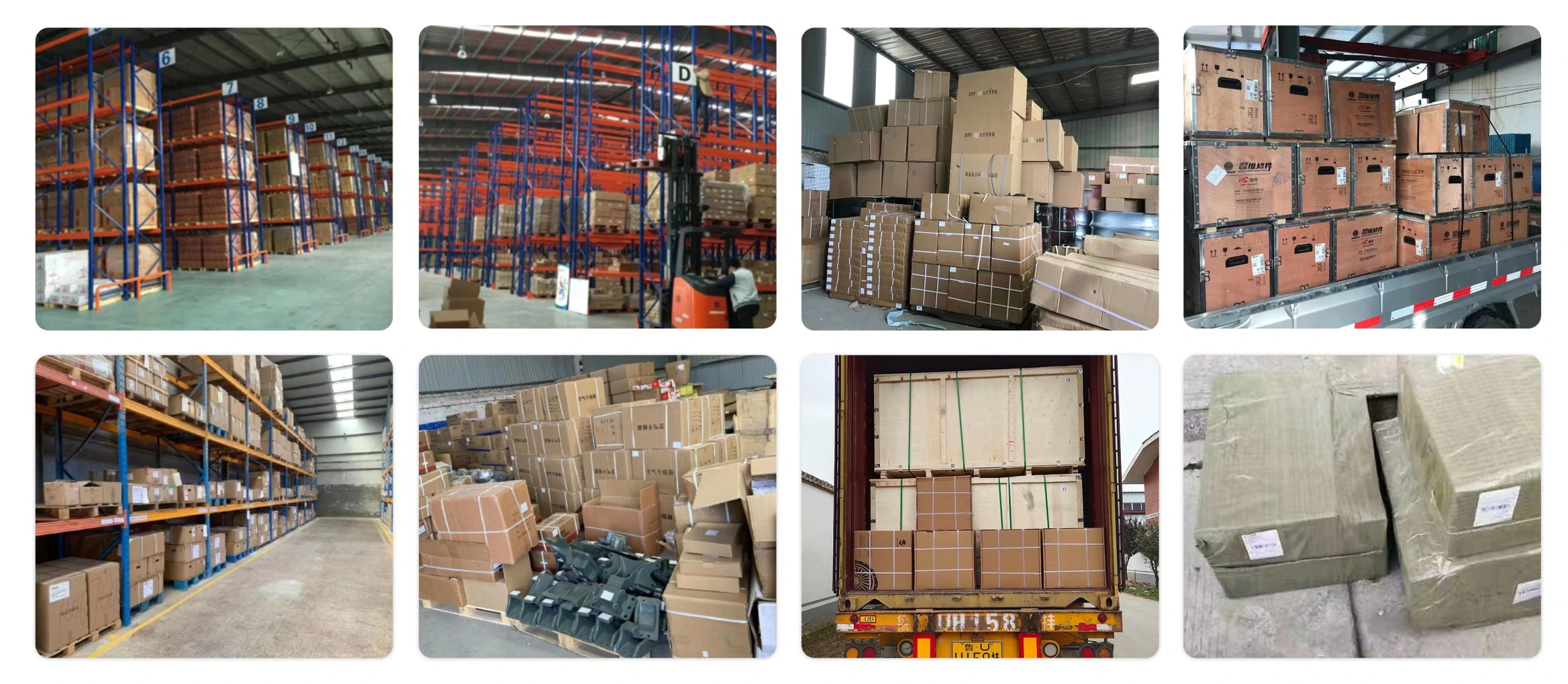
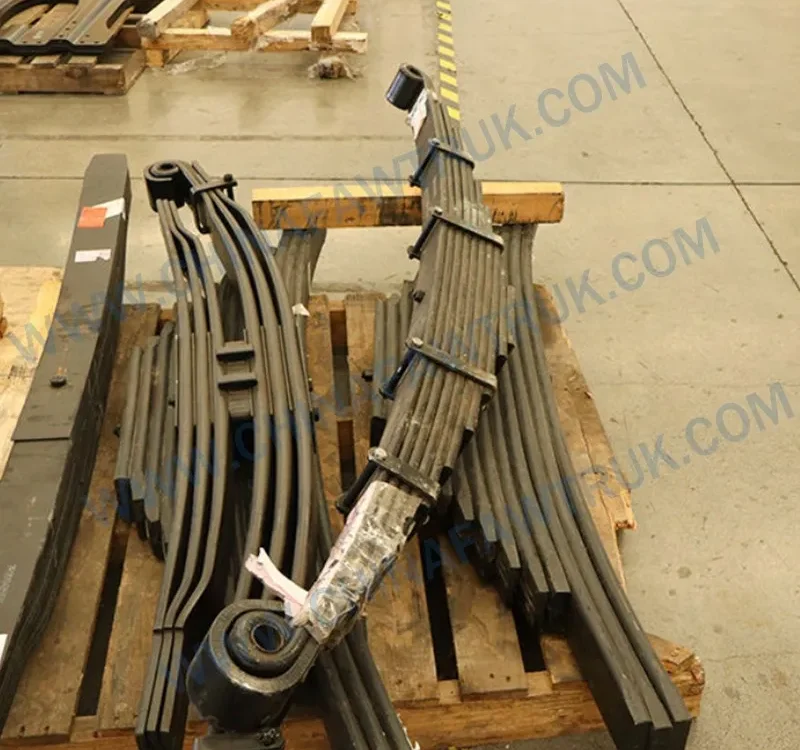
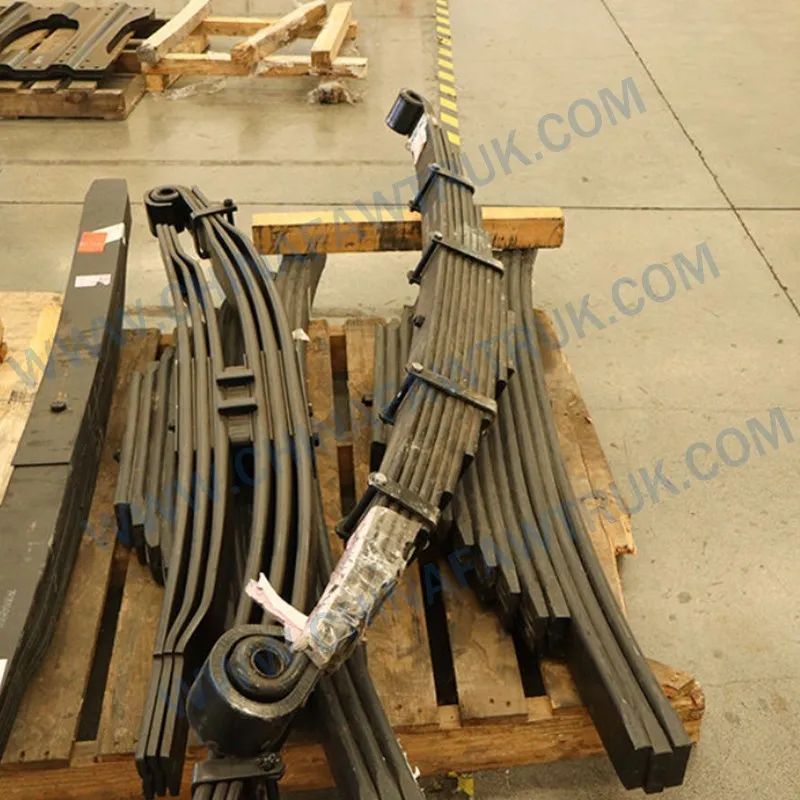
Pièces FAW, y compris l'ensemble bloc-cylindres, sont emballés avec soin pour garantir une livraison en toute sécurité. Chaque composant est sécurisé dans des matériaux de protection pour éviter tout dommage pendant le transport. Le réseau logistique garantit des expéditions ponctuelles dans le monde entier, soutenir des opérations de maintenance efficaces. Vous trouverez ci-dessous une image illustrant l'emballage standard des pièces de camion FAW., mettant en valeur l’attention portée aux détails dans la manipulation et le stockage.
Cette approche d'emballage minimise le risque de corrosion ou de dommages causés par les chocs., s'assurer que les pièces comme l'ensemble bloc-cylindres FAW arrivent en parfait état. Les clients peuvent compter sur la logistique de FAW pour une qualité et une fiabilité constantes.