Diagrama de conjunto del eje de transmisión ruso FAW: Ingeniería 7 Vínculos estratégicos para una propulsión imparable en el Ártico
El Diagrama de conjunto del eje de transmisión ruso FAW describe la compleja red de distribución de par para el CA3250P66K24L1TE5Z 6×6 camión volcado. Esta guía técnica analiza las conexiones de la caja de transferencia., unidad de dirección delantera, y varillajes del eje tándem trasero. Analizamos el 7 Componentes críticos que garantizan la continuidad cinética y la entrega de energía sin vibraciones en las condiciones de -40°C del sector minero siberiano..

Diagrama de conjunto del eje de transmisión ruso FAW
Arquitectura del sistema: el 6×6 Disposición
La arquitectura de la transmisión representada en el Diagrama de conjunto del eje de transmisión ruso FAW es un testimonio de la ingeniería de servicio pesado diseñada para entornos de baja tracción. A diferencia del estándar 6×4 camiones que simplemente impulsan el bogie trasero, Este sistema implica una compleja ruta del par a las seis posiciones de las ruedas.. El eje central de esta distribución es el Conjunto de eje de transmisión y junta universal de caja de transferencia (Número de pieza. 2215010-55R). Este eje específico conecta la salida de la transmisión principal a la entrada de la caja de transferencia.. Es el componente más estresado en la línea motriz., como debe transmitir 100% del par del motor antes de dividirlo entre los ejes delantero y trasero.
El “55R” designación encontrada en todo el Diagrama de conjunto del eje de transmisión ruso FAW indica una modificación específica para clima frío. En ejes de transmisión estándar, Las botas de goma que protegen los yugos deslizantes y los sellos de grasa dentro de las tapas de las juntas universales pueden congelarse y agrietarse en temperaturas extremas bajo cero.. Los componentes con especificaciones rusas utilizan elastómeros sintéticos de baja temperatura y están preenvasados con grasa de complejo de litio que retiene la viscosidad hasta -50 °C.. Esto garantiza que los cojinetes de agujas dentro de las juntas universales permanezcan lubricados durante los primeros minutos críticos de operación en una cantera congelada..
Además, el Diagrama de conjunto del eje de transmisión ruso FAW destaca la necesidad de una fase precisa. Los ejes de transmisión deben equilibrarse dinámicamente para evitar vibraciones armónicas.. En un camión volquete de batalla larga, un eje de transmisión vibrante actúa como un diapasón, Transmitir energía destructiva a los cojinetes de la caja de transferencia y a los piñones del diferencial.. La lógica de montaje dicta que los yugos en cada extremo del eje deben estar alineados. (en fase) cancelar la velocidad no uniforme inherente a la rotación de la junta universal. Esta atención al detalle cinemático es lo que diferencia a un camión que funciona con suavidad de uno que se sacude en la carretera..
Integración del eje: Enlaces frontales e intermedios
Extendiéndose hacia adelante desde la caja de transferencia está el Eje de transmisión del eje delantero y conjunto de junta universal (Número de pieza. 2203010-55R). Este componente enfrenta desafíos únicos que se muestran en el Diagrama de conjunto del eje de transmisión ruso FAW. Porque el eje delantero gira, El ángulo de entrada del eje de transmisión cambia constantemente a medida que los ciclos de suspensión y el camión giran.. Para acomodar esto, El eje delantero generalmente presenta un yugo deslizante de alta articulación con recorrido extendido.. Esto permite que el eje se alargue y acorte significativamente sin tocar fondo ni separarse., mantener un compromiso positivo incluso cuando la suspensión delantera está completamente caída durante la articulación todoterreno.
Moviéndose hacia atrás, el Eje de transmisión del eje medio y conjunto de junta universal (Número de pieza. 2205010-55R) conecta la salida trasera de la caja de transferencia al primer eje motriz trasero (el eje medio). Este eje suele ser el más largo del sistema y es susceptible a “giro”—un fenómeno en el que el centro del eje se inclina hacia afuera a altas velocidades debido a la fuerza centrífuga. El Diagrama de conjunto del eje de transmisión ruso FAW dicta un espesor y diámetro de pared de tubo específicos para que este componente eleve su velocidad crítica muy por encima de la velocidad operativa máxima del camión.
La integridad estructural de estos ejes depende de la calidad de la soldadura entre el tubo y el yugo.. En el Diagrama de conjunto del eje de transmisión ruso FAW contexto, Estas soldaduras deben estar libres de porosidad y aumentos de tensión.. En el Ártico ruso, La contracción térmica puede inducir tensión en el acero.. Si una soldadura es débil, la aplicación repentina de torsión de un bloqueo del diferencial puede cortar el yugo del tubo. FAW utiliza soldadura por fricción o soldadura por arco de alta precisión para fusionar estos componentes., creando una estructura monolítica capaz de manejar picos de torsión que exceden 20,000 Nuevo Méjico.
Dinámica entre ejes: El varillaje trasero
El componente más corto pero más activo del Diagrama de conjunto del eje de transmisión ruso FAW es el Eje de transmisión del eje trasero y conjunto de junta universal (Número de pieza. 2201010-2000). Este eje conecta el eje pasante del eje medio con la entrada del eje trasero.. Porque la suspensión del bogie trasero permite que los ejes se muevan de forma independiente (acción del haz móvil), Los ángulos de trabajo de este eje corto son extremos.. Debe soportar cambios bruscos de angularidad miles de veces por kilómetro mientras el camión sortea baches y surcos..
Para sobrevivir a este agotador ciclo de trabajo, Las juntas universales de este eje específico a menudo se actualizan para “trabajo pesado” presupuesto, con muñones más grandes y rodillos de agujas más robustos. El Diagrama de conjunto del eje de transmisión ruso FAW Implica un protocolo de mantenimiento distinto para esta parte.; debido a los ángulos pronunciados, las juntas universales generan más calor. El engrase regular es esencial para eliminar los contaminantes y reponer la película lubricante.. Descuidar este eje corto es la causa más común de vibración en la línea motriz en camiones con eje tándem.
El “2000” El sufijo en el número de pieza puede indicar una clasificación de torsión específica o una clase de longitud adaptada a la geometría del chasis J6P.. El Diagrama de conjunto del eje de transmisión ruso FAW garantiza que este eje se adapte perfectamente a la distancia entre ejes. Si se instala un eje de longitud incorrecta, puede tocar fondo contra la caja del diferencial cuando el camión está completamente cargado, transferir cargas de impacto de suspensión directamente a los cojinetes del piñón, lo que lleva a una falla diferencial catastrófica.
Seguridad de la conexión: Pernos de brida y contratuercas
La confiabilidad de todo el sistema de propulsión depende de los sujetadores identificados en el Diagrama de conjunto del eje de transmisión ruso FAW. La asamblea utiliza Perno de brida de cabeza hexagonal (Número de pieza. Q1851455T) y Perno de brida de cabeza hexagonal (Número de pieza. Q1851450T). Estos no son tornillos estándar.; son de alta resistencia, pernos de brida de rosca fina diseñados específicamente para bridas de transmisión. Las roscas finas permiten una mayor fuerza de sujeción., mientras que la cabeza de brida distribuye esta fuerza sobre un área más amplia, evitando que el perno se incruste en el metal del yugo.
Asegurar estos pernos es el Tipo 1 Tuerca de seguridad hexagonal con inserción no metálica (Número de pieza. Q32914). el uso de 32 de estas tuercas confirma que cada conexión de brida es redundante y segura. El inserto no metálico (anillo de nailon) Crea un par predominante que evita que la tuerca retroceda bajo la fuerte vibración del eje de transmisión.. En el Diagrama de conjunto del eje de transmisión ruso FAW lógica, estos son artículos de un solo uso. Una vez retirado para mantenimiento, el inserto de nailon pierde su elasticidad y no puede garantizar un cierre seguro, necesitando reemplazo.
La fuerza pura de estos sujetadores se calcula para exceder el agarre por fricción de las caras de las bridas.. El par se transmite a través de la fricción entre las bridas de acoplamiento., no por la resistencia al corte de los propios pernos. Por lo tanto, la aplicación adecuada del torque es crítica. El Diagrama de conjunto del eje de transmisión ruso FAW especifica sujetadores que pueden soportar los altos ajustes de torsión necesarios para “soldar” las bridas juntas por fricción, asegurando que el eje de transmisión se convierta en una extensión perfecta de la salida de la transmisión.
Desglose de componentes: 123. Conjunto del eje de transmisión
| No. |
Número de pieza |
Nombre de la pieza |
Cantidad |
| 1 | Q32914 | Tipo 1 Tuerca de seguridad hexagonal con inserción no metálica | 32 |
| 2 | Q1851455T | Perno de brida de cabeza hexagonal | 8 |
| 3 | 2215010-55R | Conjunto de eje de transmisión y junta universal de caja de transferencia | 1 |
| 4 | 2203010-55R | Eje de transmisión del eje delantero y conjunto de junta universal | 1 |
| 5 | 2205010-55R | Eje de transmisión del eje medio y conjunto de junta universal | 1 |
| 6 | 2201010-2000 | Eje de transmisión del eje trasero y conjunto de junta universal | 1 |
| 7 | Q1851450T | Perno de brida de cabeza hexagonal | 12 |
Conclusión: La columna vertebral cinética
El Diagrama de conjunto del eje de transmisión ruso FAW es más que una lista de piezas; es la columna vertebral cinética de la capacidad todoterreno del vehículo. Estos 7 Los componentes trabajan al unísono para traducir la potencia del motor en movimiento hacia adelante., navegando por la compleja geometría de un 6×6 Chasis con precisión y durabilidad.. Desde botas de goma resistentes al frío hasta pernos de brida de alta resistencia, Cada elemento está diseñado para resistir los desafíos únicos del teatro de operaciones ruso..
Para los gerentes de flota, el Diagrama de conjunto del eje de transmisión ruso FAW Sirve como guía fundamental para el mantenimiento preventivo.. Inspección periódica de las juntas universales para comprobar el juego., asegurar que los pernos de la brida estén apretados según las especificaciones, y engrasar los yugos deslizantes puede evitar costosos tiempos de inactividad. Utilizando las piezas originales especificadas en este conjunto, Los operadores se aseguran de que sus camiones mantengan la robustez., Propulsión fiable necesaria para conquistar los trabajos más duros del planeta..
Embalaje y Logística
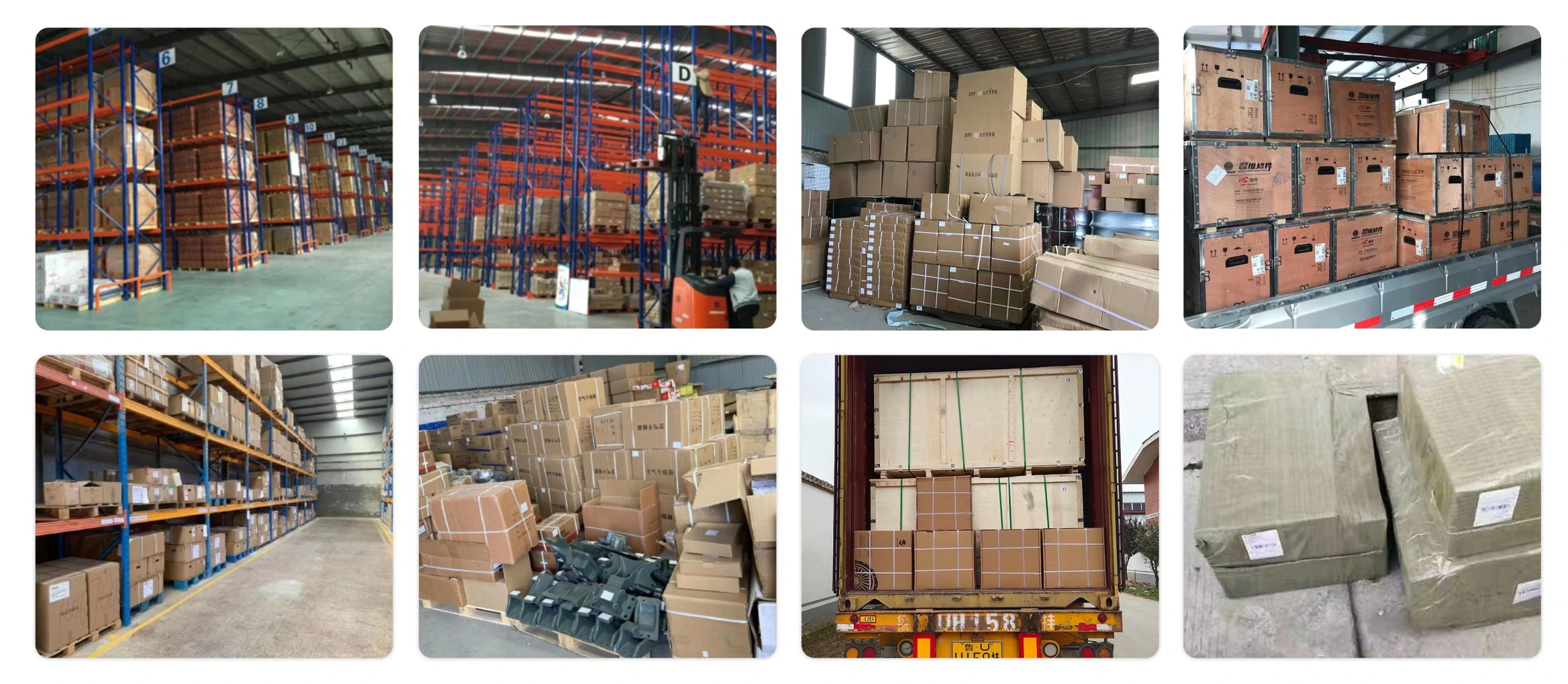
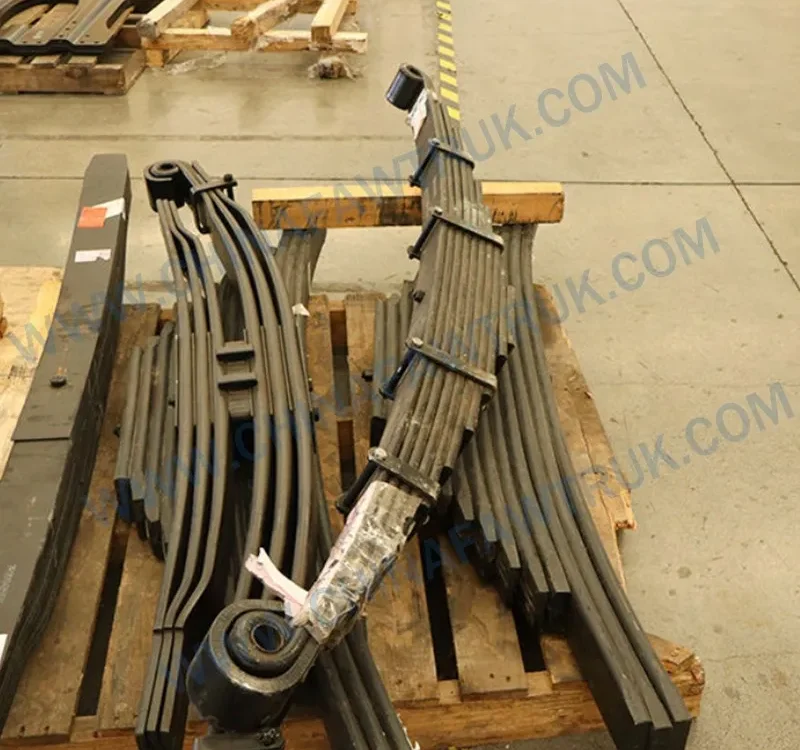
piezas FAW, incluido el conjunto del bloque de cilindros, Se empaquetan con cuidado para garantizar una entrega segura.. Cada componente está asegurado con materiales protectores para evitar daños durante el transporte.. La red logística garantiza envíos puntuales en todo el mundo., apoyando operaciones de mantenimiento eficientes. A continuación se muestra una imagen que ilustra el embalaje estándar de las piezas de camiones FAW., mostrando la atención al detalle en el manejo y almacenamiento.
Este enfoque de embalaje minimiza el riesgo de corrosión o daños por impacto., asegurando que piezas como el conjunto de bloque de cilindros FAW lleguen en perfectas condiciones. Los clientes pueden confiar en la logística de FAW para obtener calidad y confiabilidad constantes.