Suspension de l'équilibre russe FAW: Ingénierie 9 Composants stratégiques pour la répartition des charges dans l'Arctique
Le Suspension de l'équilibre russe FAW Le système est le cœur cinétique du bogie arrière du camion-benne CA3250P66K24L1TE5Z. Conçu pour égaliser la charge utile massive sur les deux essieux arrière, cette architecture basée sur des tourillons garantit que toutes les roues maintiennent la traction même lors de la navigation en profondeur, ornières gelées d'une mine sibérienne. Conçu avec “64W” acier de qualité arctique et technologie de fixation SPL avancée, le Suspension de l'équilibre russe FAW empêche la torsion du cadre et la surcharge de l'essieu à des températures aussi basses que -50 °C. Ce guide analyse la dynamique des arbres de tourillon, la tribologie des bagues, et la logique des boulons à cisaillement élevé qui définit cet assemblage robuste.

Suspension de l'équilibre russe FAW
Architecture de tourillon et égalisation de charge
Le principe fondamental du Suspension de l'équilibre russe FAW est l'égalisation mécanique du poids entre les essieux central et arrière. La pièce maîtresse de ce système est le Ensemble arbre de suspension et support d'équilibrage (Partie no. 2918010-64W). Cette pièce moulée massive est boulonnée directement au châssis et abrite l'arbre transversal., ou tourillon, sur lequel pivotent les ressorts à lames. Le “64W” la désignation du matériau indique un alliage de fer nodulaire à haute résistance spécialement formulé pour conserver sa ductilité par temps extrêmement froid. Sur le théâtre opérationnel russe, où le sol peut être aussi dur que le béton, l'arbre du tourillon doit résister à d'immenses charges de choc verticales sans se casser.
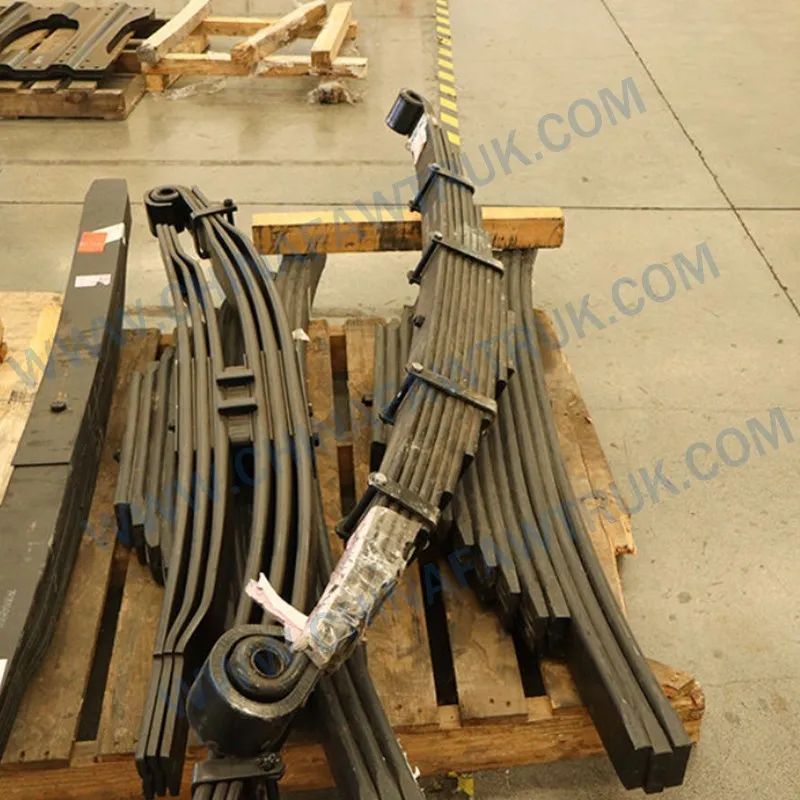
Le support de la pile de ressorts à lames est le Ensemble support de suspension d'équilibre et siège à ressort à lames (Partie no. 2918080-64W). Ce composant oscille d'avant en arrière sur l'arbre du tourillon.. Alors que l'essieu avant et arrière gravit une bosse, le siège à ressort pivote, forcer l'essieu arrière vers le bas, s'assurer que les deux trains de pneus restent en contact avec le sol. Cette capacité d'articulation est ce qui permet au Suspension de l'équilibre russe FAW pour fournir une traction hors route supérieure par rapport aux systèmes de suspension pneumatique, qui peut avoir du mal à réagir assez rapidement aux changements brusques de terrain dans des conditions glaciales.
L'interface entre le siège rotatif et l'arbre fixe est une zone d'usure critique. Le Siège à ressort à lames à suspension d'équilibre (Partie no. 2918041-64W) doit tourner doucement sous une charge de 15 tonnes ou plus. Si cette rotation est entravée par la rouille ou la glace, la suspension se bloque, transfert 100% du choc de la route dans les rails du châssis. Pour éviter cela, le Suspension de l'équilibre russe FAW utilise une conception scellée qui empêche les contaminants d'entrer tout en conservant la graisse spécialisée à basse température requise pour le fonctionnement dans l'Arctique.
La rigidité structurelle du support de tourillon est primordiale. Il fait office de traverse, attacher les longerons gauche et droit ensemble. Le Suspension de l'équilibre russe FAW la conception intègre de lourdes nervures dans le moulage pour résister au couple de torsion généré lorsque le camion tourne. Cette rigidité en torsion est essentielle au maintien de l'alignement des essieux; si les supports fléchissent, les essieux dirigeront passivement, conduisant à une instabilité dangereuse à vitesse d’autoroute.
Tribologie des bagues et logique d'étanchéité
L'action de pivotement du Suspension de l'équilibre russe FAW s'appuie sur le Bague – Siège à ressort à lames à suspension d'équilibre (Partie no. 2918042-64W-C00). Cette bague est l'élément d'appui sacrificiel du système. Le “C00” le suffixe désigne souvent une construction composite ou bimétallique conçue pour des charges élevées, oscillation à basse vitesse. Contrairement à un roulement de roue qui tourne constamment, cette bague oscille d'avant en arrière, un mouvement qui rend difficile le maintien d'un film d'huile hydrodynamique. Donc, le matériau doit avoir d'excellentes propriétés autolubrifiantes pour éviter le grippage lors du mouvement initial.
La protection de cette interface critique est la Couverture – Siège à ressort à lames à suspension d'équilibre (Partie no. 2918072-64W). Ce lourd capuchon en acier scelle l'extrémité de l'arbre du tourillon, empêcher la pénétration de la boue, eau, et le sel de route. Dans l'hiver sibérien, la pénétration d'eau est mortelle pour les composants de la suspension; si de l'eau pénètre dans la cavité de la traversée et gèle, ça s'étend, fissuration du boîtier ou grippage de l'arbre. Le Suspension de l'équilibre russe FAW le couvercle est scellé et boulonné solidement pour assurer une étanchéité hermétique contre les éléments.
L'entretien de la lubrification est vital pour le Suspension de l'équilibre russe FAW. Le système comporte généralement des graisseurs qui alimentent les canaux à l'intérieur de la bague.. Pomper de la graisse fraîche dans l’assemblage sert à deux fins: il lubrifie la surface d'appui et purge les vieux, graisse contaminée dépassant les joints. Dans le Suspension de l'équilibre russe FAW, l'utilisation de graisse synthétique de qualité arctique est obligatoire pour assurer une circulation du lubrifiant à -50°C, atteindre la zone chargée de la bague plutôt que de canaliser ou de souffler le joint.
Surveillance de l'usure du Suspension de l'équilibre russe FAW les bagues impliquent de vérifier le jeu radial. Si le siège vacille sur l'arbre, les bagues sont usées. Une usure excessive altère la géométrie de la suspension, provoquant une inclinaison des essieux arrière. Ce désalignement se manifeste par une rapidité, usure inégale des pneus et “suivi de chien” du véhicule. Le remplacement des bagues 2918042-64W-C00 avant qu'elles ne s'usent jusqu'à l'arbre de tourillon coûteux est une stratégie clé de réduction des coûts pour les gestionnaires de flotte..
Système de fixation à cisaillement élevé avec technologie SPL
Le Suspension de l'équilibre russe FAW est soumis à certaines des charges de cisaillement les plus élevées de tous les composants du camion. Pour fixer les supports lourds au châssis, le système utilise une vaste gamme de boulons à bride à haute résistance. Spécifiquement, il emploie 28 unités de Boulon de bride de tête hexadécimal (Tige grossière) (Partie no. Q1852070TF38K), 20 unités de Boulon de bride de tête hexadécimal (Tige grossière) (Partie no. Q1852095TF38K), et 14 unités de Boulon de bride de tête hexadécimal (Tige grossière) (Partie no. Q1852080TF38K). Les différentes longueurs s'adaptent aux différentes épaisseurs des longerons du cadre et des doublures de renfort..
Le “Tige grossière” la spécification est essentielle pour le Suspension de l'équilibre russe FAW. Cela signifie que la partie non filetée du boulon est dimensionnée avec précision pour se situer dans le plan de cisaillement de la connexion.. Cela maximise la résistance au cisaillement du joint, car la tige en acier massif est beaucoup plus résistante que la section filetée. La tête de bride répartit la force de serrage, empêchant le boulon de s'enfoncer dans le support, ce qui entraînerait une perte de tension.
Pour contrer les vibrations extrêmes de la conduite tout-terrain, l'assemblée s'appuie sur 48 unités du Écrou anti-desserrage à petite bride hexagonale SPL (Partie no. T32720TF2K). Le SPL (Verrouillage autonome) l'écrou présente une déformation de filetage spécialisée qui le verrouille mécaniquement au boulon. Cette technologie est supérieure aux contre-écrous en nylon standard ou aux rondelles fendues, qui peut perdre de la tension en raison de la contraction thermique dans le froid arctique. Le Suspension de l'équilibre russe FAW Le système de fixation garantit qu'une fois serré, les boulons restent serrés, maintenir l'intégrité structurelle du bogie.
Le volume considérable de fixations dépasse 60 boulons et écrous au total - met en évidence la nature trop sophistiquée du Suspension de l'équilibre russe FAW. Cette redondance garantit que même si un seul boulon venait à tomber en panne ou à se desserrer, la charge est répartie en toute sécurité entre les fixations restantes, empêcher un détachement catastrophique de la suspension. Les contrôles périodiques du couple de ces fixations constituent un protocole de maintenance obligatoire pour garantir la sécurité..
Durabilité arctique et science des matériaux
Le “64W” suffixe trouvé sur les principaux composants du Suspension de l'équilibre russe FAW fait référence à une spécification spécifique de matériau pour temps froid. En métallurgie standard, l'acier subit une transition ductile à fragile à mesure que les températures baissent. À -50°C, un support en acier standard agit comme du verre, se briser sous l'impact. La FAW “64W” l'alliage est formulé chimiquement avec du nickel et d'autres éléments pour abaisser cette température de transition, garantissant que les supports restent résistants et ductiles pendant l'hiver sibérien.
La corrosion est un autre ennemi majeur. Le Suspension de l'équilibre russe FAW est assis au ras du sol, constamment exposé à une boue, glace, et le sel de route. Les composants sont traités avec une peinture de châssis très résistante et souvent un apprêt riche en zinc pour éviter la rouille.. Le “TF38K” le revêtement sur les boulons suggère une finition en flocons de zinc ou Geomet de haute qualité, qui offre une résistance à la corrosion supérieure à la galvanisation standard, garantissant que les boulons peuvent être retirés pour l'entretien même après des années d'exposition.
La conception du Suspension de l'équilibre russe FAW prend également en compte l'accumulation de glace. L'architecture ouverte des supports permet à la boue et à la neige de tomber plutôt que de s'entasser et de geler. La glace emballée peut restreindre le mouvement de la suspension, verrouillage efficace du bogie. En minimisant les pièges à débris, la conception FAW garantit que la suspension conserve toute sa gamme d'articulation, garder les roues au sol et faire avancer le camion.
En outre, l'interaction entre les Suspension de l'équilibre russe FAW et les ressorts à lames sont réglés pour le temps froid. Les sièges à ressort sont profilés pour réduire les concentrations de contraintes sur les lames du ressort, qui sont également sujets à la fragilité au froid. Cette approche holistique de l'ingénierie arctique, prenant en compte les matériaux, lubrification, et la géométrie – fait du FAW J6P une force dominante dans les opérations minières du Nord.
Répartition des composants: Ensemble logique de suspension d'équilibre
| Non. |
Numéro de pièce |
Nom de la pièce |
Quantité |
| 1 | T32720TF2K | Écrou anti-desserrage à petite bride hexagonale SPL | 48 |
| 2 | Q1852070TF38K | Boulon de bride de tête hexadécimal (Tige grossière) | 28 |
| 3 | Q1852095TF38K | Boulon de bride de tête hexadécimal (Tige grossière) | 20 |
| 4 | 2918080-64W | Ensemble support de suspension d'équilibre et siège à ressort à lames | 2 |
| 5 | Q1852080TF38K | Boulon de bride de tête hexadécimal (Tige grossière) | 14 |
| 6 | 2918072-64W | Couverture – Siège à ressort à lames à suspension d'équilibre | 2 |
| 7 | 2918042-64W-C00 | Bague – Siège à ressort à lames à suspension d'équilibre | 4 |
| 8 | 2918041-64W | Siège à ressort à lames à suspension d'équilibre | 2 |
| 9 | 2918010-64W | Ensemble arbre de suspension et support d'équilibrage | 2 |
Conclusion: Le point d’appui de la capacité de charge
Le Suspension de l'équilibre russe FAW est le composant déterminant qui confère au camion-benne CA3250P66K24L1TE5Z sa légendaire capacité tout-terrain.. En équilibrant parfaitement la charge entre les essieux arrière, il assure la stabilité, traction, et durabilité dans les environnements les plus difficiles de la planète. Le robuste “64W” la construction et le système de fixation SPL avancé témoignent de l'accent mis par l'ingénierie sur la fiabilité et la sécurité.
Pour les exploitants de flotte, la maintenance de ce système est critique. Une lubrification régulière des bagues de tourillon et le strict respect des spécifications de couple des boulons évitent des pannes coûteuses. Investir dans des pièces d'origine FAW pour le Suspension de l'équilibre russe FAW veille à ce que l'intégrité métallurgique et géométrique du bogie soit préservée, garantir que le camion peut continuer à transporter de lourdes charges pendant l'hiver sibérien pendant des années.
Emballage et logistique
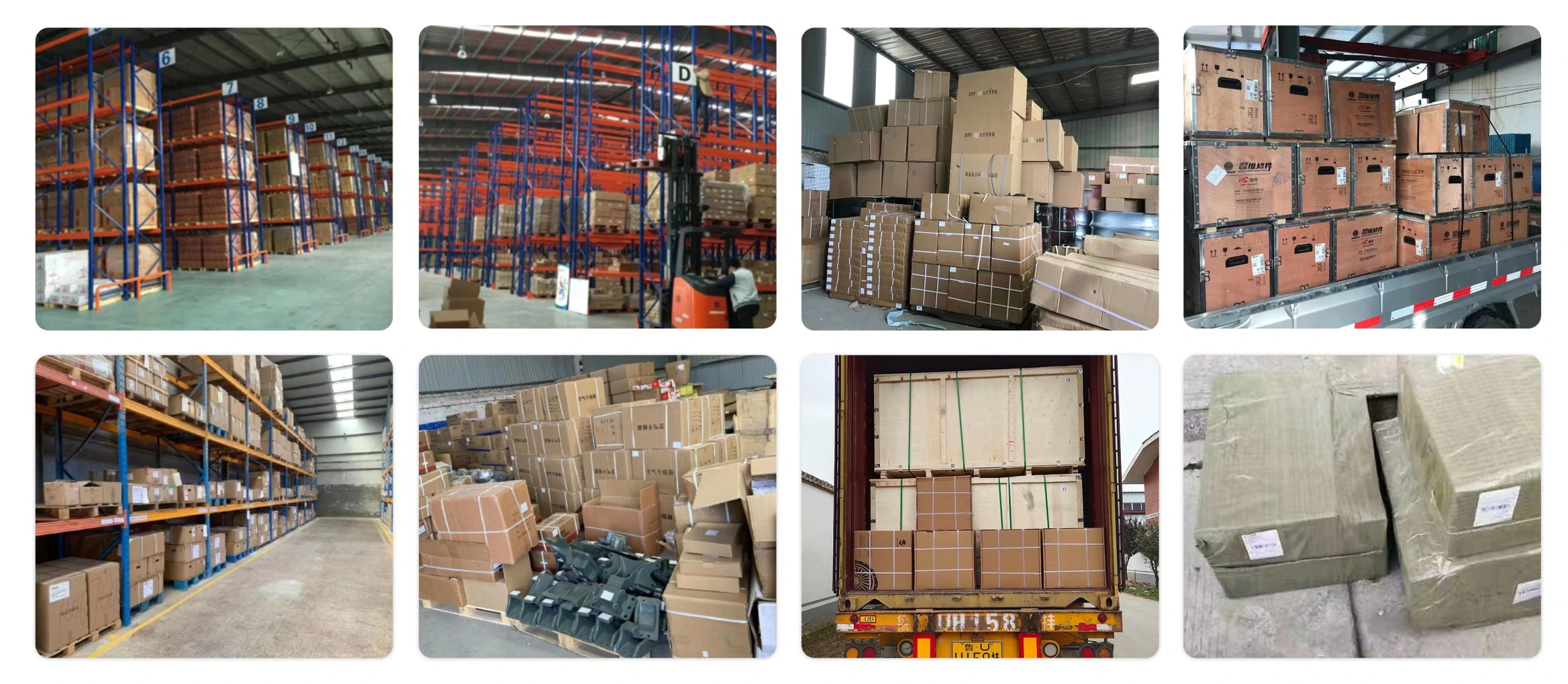
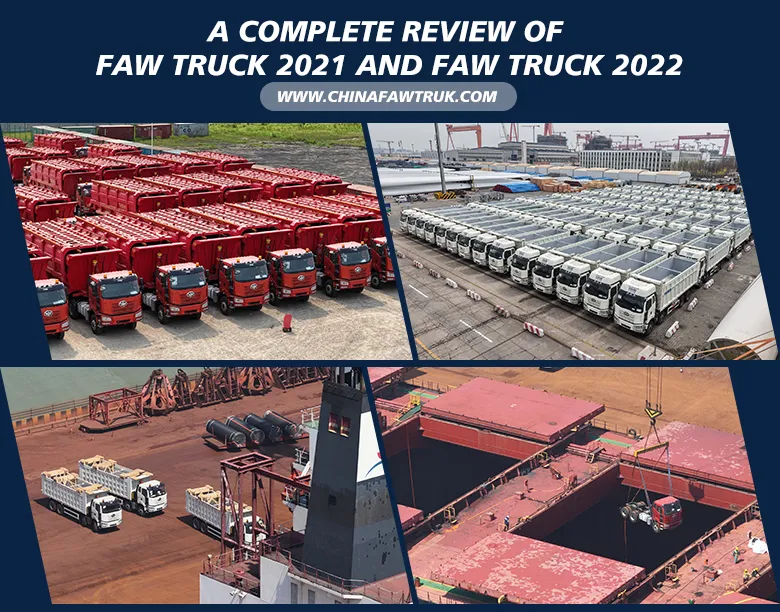
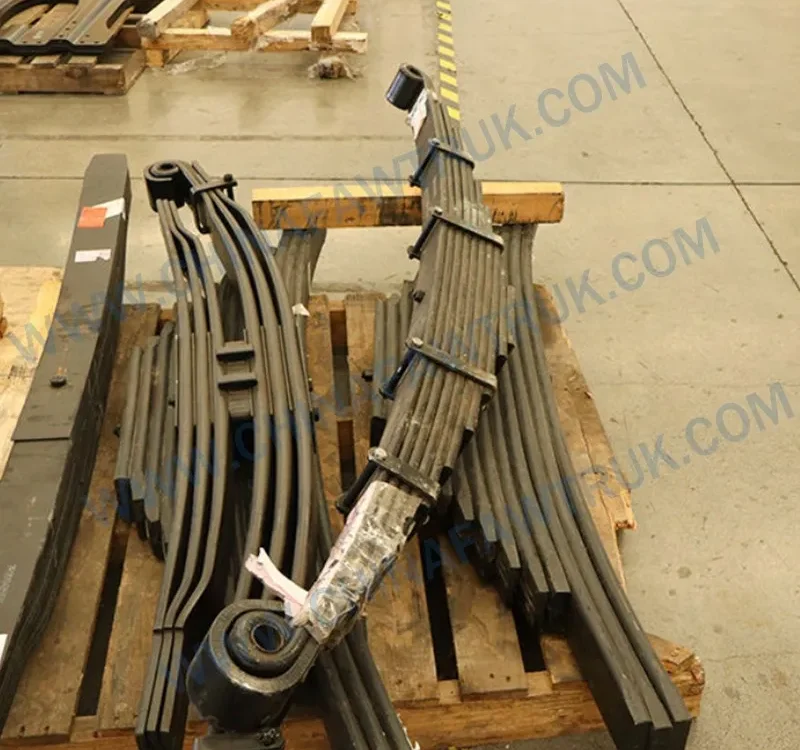
Pièces FAW, y compris l'ensemble bloc-cylindres, sont emballés avec soin pour garantir une livraison en toute sécurité. Chaque composant est sécurisé dans des matériaux de protection pour éviter tout dommage pendant le transport. Le réseau logistique garantit des expéditions ponctuelles dans le monde entier, soutenir des opérations de maintenance efficaces. Vous trouverez ci-dessous une image illustrant l'emballage standard des pièces de camion FAW., mettant en valeur l’attention portée aux détails dans la manipulation et le stockage.
Cette approche d'emballage minimise le risque de corrosion ou de dommages causés par les chocs., s'assurer que les pièces comme l'ensemble bloc-cylindres FAW arrivent en parfait état. Les clients peuvent compter sur la logistique de FAW pour une qualité et une fiabilité constantes.