FAW Russian Starter: 5 Power Components Engineered for Reliable Arctic Ignition
The FAW Russian Starter is the high-torque ignition catalyst for the CA3250P66K24L1TE5Z dump truck. Designed to overcome the immense viscous drag of a frozen diesel engine, this assembly delivers critical cranking amperage at -40°C. This guide details the heavy-duty motor and specialized mounting hardware required to ensure consistent starts in the Russian Federation.

FAW Russian Starter
Cranking Power: The Starter Assembly
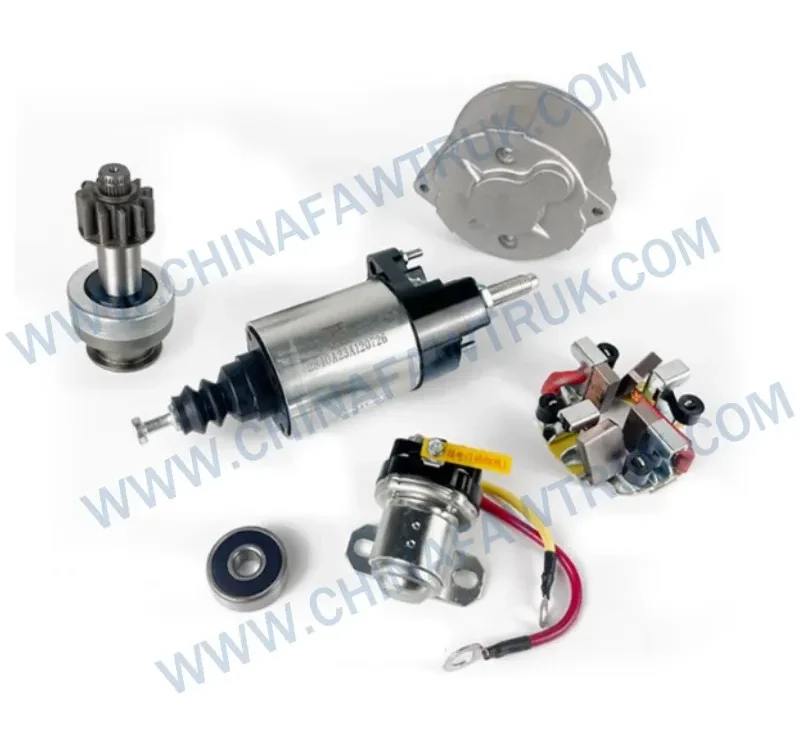
The centerpiece of the ignition system is the Starter Assembly (Part No. 3708010-53D-C00). This unit is not a standard automotive starter; it is a high-output, gear-reduction motor specifically calibrated for the FAW Russian Starter application. In the extreme cold of the Russian winter, engine oil thickens significantly, increasing the friction coefficient between the pistons and liners.
To overcome this “parasitic drag,” the FAW Russian Starter must generate massive torque instantly. It achieves this through a planetary gear set that multiplies the armature’s speed into low-speed, high-torque rotation at the pinion gear. This allows the starter to spin the massive diesel flywheel fast enough to generate the compression heat required for ignition, even when the batteries are operating at reduced efficiency due to the cold.
The internal components of the Starter Assembly are treated with low-temperature lubricants. Standard grease would solidify at -40°C, causing the Bendix drive (the pinion gear mechanism) to stick. A stuck Bendix means the starter motor spins, but the gear does not engage the flywheel, resulting in a “whirring” noise and a no-start condition. The FAW Russian Starter utilizes synthetic aerospace-grade grease to ensure the pinion shoots out and retracts smoothly every time.
Furthermore, the electrical windings within the FAW Russian Starter are insulated with heavy-duty varnish to resist moisture intrusion. Thermal cycling in the engine bay creates condensation, which can corrode internal contacts. The sealed solenoid and housing design of this specific assembly prevents water ingress, ensuring that the electrical connection remains solid and the magnetic field strength is not compromised by short circuits.
Rigid Fixation: The Tri-Bolt Strategy
Securing the heavy starter motor to the flywheel housing requires a robust fastening strategy. The FAW Russian Starter employs three distinct Hexagon Flange Bolts (Part Nos. Q1841440, Q1841470, and Q1841455). The use of three different lengths is a precise engineering choice dictated by the casting thickness of the starter flange and the transmission bell housing at each specific mounting point.
These bolts are “Coarse Shank” or standard type, designed for maximum shear strength. When the FAW Russian Starter engages, the reaction torque tries to twist the motor off its mount. This force is immense, equal and opposite to the torque turning the engine. These specialized bolts act as dowels, aligning the starter pinion perfectly with the ring gear while bearing the full brunt of the cranking load.
The flange head design of these bolts is critical for the FAW Russian Starter installation. It spreads the clamping load over a wider surface area of the aluminum or cast iron housing. This prevents the bolt head from digging into the metal, which would lead to a loss of preload. Once preload is lost, the starter begins to vibrate during operation, leading to misaligned gear engagement and stripped flywheel teeth.
Corrosion resistance is another key factor. These mounting bolts are located low on the engine, exposed to road spray, salt, and mud. The fasteners used in the FAW Russian Starter system are treated with a zinc-flake or phosphate coating to prevent them from seizing in the block. A seized starter bolt adds hours of labor to a replacement job, potentially requiring the transmission to be removed to drill out the broken fastener.
Electrical Grounding and Locking Security
The electrical circuit of the FAW Russian Starter relies on the engine block for its ground return path. The mounting hardware, specifically the interaction between the bolts and the Hexagon Flange Locking Nut (Part No. CQ32614), facilitates this grounding. This nut is used on the through-bolt location where the starter flange is accessible from the rear.
This locking nut is essential for maintaining the physical and electrical integrity of the system. The high-frequency vibration of a diesel engine can cause standard nuts to back off. The FAW Russian Starter utilizes a nut with a prevailing torque feature—either a nylon insert or a distorted thread—that mechanically locks it onto the bolt threads. This ensures that the clamping force remains constant over the vehicle’s lifespan.
A loose connection at this nut creates high electrical resistance. In a high-amperage circuit like the FAW Russian Starter (which can draw over 1000 amps during a cold start), resistance generates heat. This heat can melt the starter terminal, damage the battery cables, or simply result in a slow crank speed that fails to start the engine. Therefore, the mechanical tightness of this single nut dictates the electrical efficiency of the entire starting system.
The flange on the nut also acts as a conductive washer, biting into the metal surface to ensure a low-resistance path for the current. Fleet technicians must ensure that the mating surfaces are free of paint, rust, or grease before installing the FAW Russian Starter to guarantee that the full power of the batteries reaches the motor windings without voltage drop.
Component Breakdown List
The following table lists the complete parts breakdown for the FAW Russian Starter assembly. Note the specific bolt lengths; installing the wrong length bolt can result in bottoming out in the blind hole (loose starter) or protruding too far and interfering with the flywheel.
| No. |
Part Number |
Part Name |
Qty |
| 1 |
3708010-53D-C00 |
Starter Assembly |
1 |
| 2 |
Q1841440 |
Hex Flange Bolt (Coarse Shank/Standard) |
1 |
| 3 |
Q1841470 |
Hex Flange Bolt (Coarse Shank/Standard) |
1 |
| 4 |
Q1841455 |
Hex Flange Bolt (Coarse Shank/Standard) |
1 |
| 5 |
CQ32614 |
Hex Flange Locking Nut |
1 |
Diagnostic Protocols for Reliable Starts
Troubleshooting the FAW Russian Starter begins with voltage drop testing. With a voltmeter connected to the main positive terminal and the starter solenoid, crank the engine. A drop of more than 0.5 volts indicates high resistance in the cable or the solenoid contacts. In the Russian winter, even a small resistance can prevent the starter from reaching its necessary cranking speed.
Listen to the engagement sound. A loud “clack” followed by silence usually points to a solenoid failure or a seized Bendix drive within the Starter Assembly. If the starter spins with a high-pitched whine but the engine does not turn over, the pinion gear is not engaging the flywheel, likely due to frozen grease or a broken fork.
Periodically inspect the three mounting bolts for tightness. If the FAW Russian Starter becomes loose, it will misalign with the ring gear. This misalignment causes a grinding noise during cranking and will rapidly chew the teeth off the flywheel ring gear, necessitating an engine-out repair. Keeping these bolts torqued is the simplest way to protect the drivetrain.
Conclusion: The Spark of Logistics
The FAW Russian Starter is the unsung hero of every successful delivery. In the extreme conditions of the Russian Federation, where turning off the engine can be a calculated risk, reliable restarting capability is paramount. The robust construction of the motor, combined with the secure mounting logic of the flange bolts, ensures this system performs when it matters most.
For fleet owners, there is no substitute for the genuine OEM assembly. Rebuilt or generic starters often lack the low-temperature grease and high-torque windings required for Arctic operation. By investing in the authentic FAW Russian Starter and maintaining the electrical connections, you guarantee that your fleet remains mobile, productive, and safe in the harshest environments on earth.
Packaging and Logistics
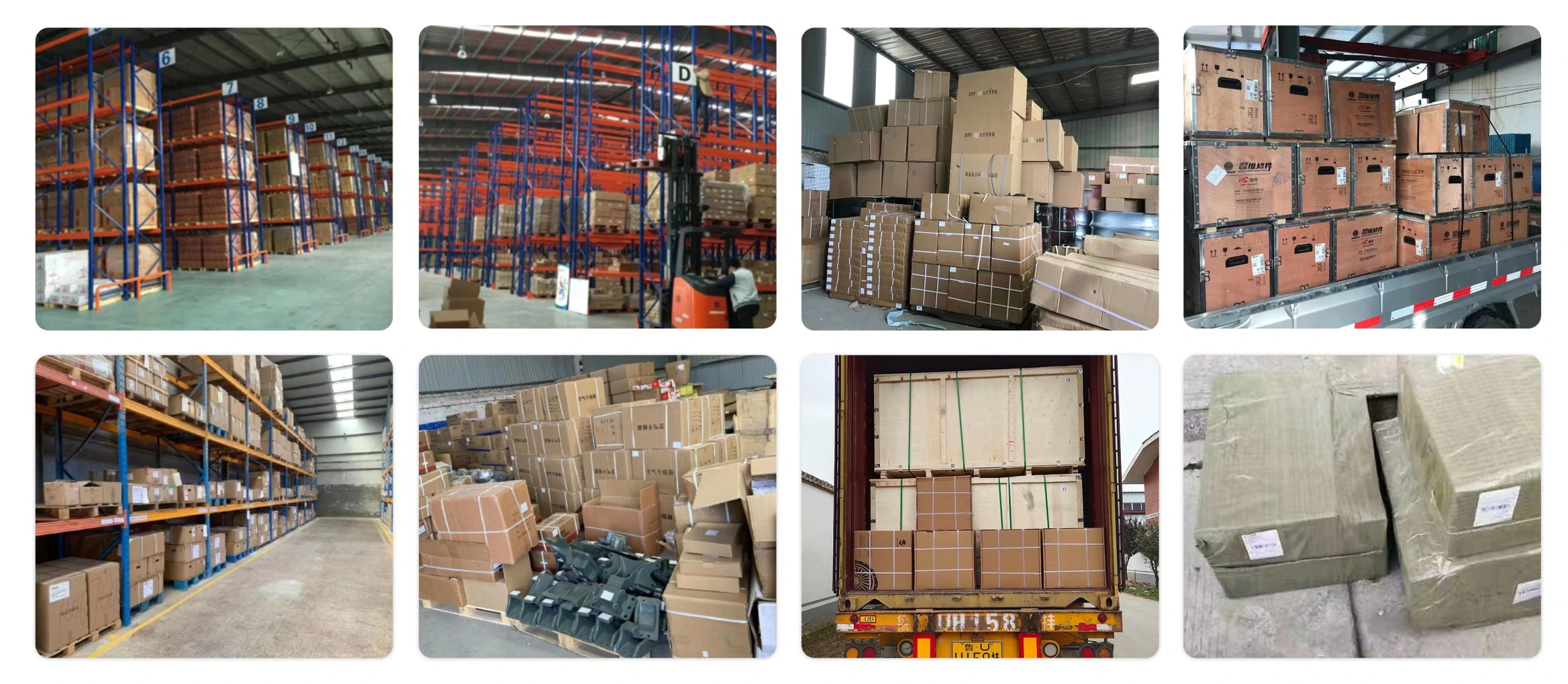
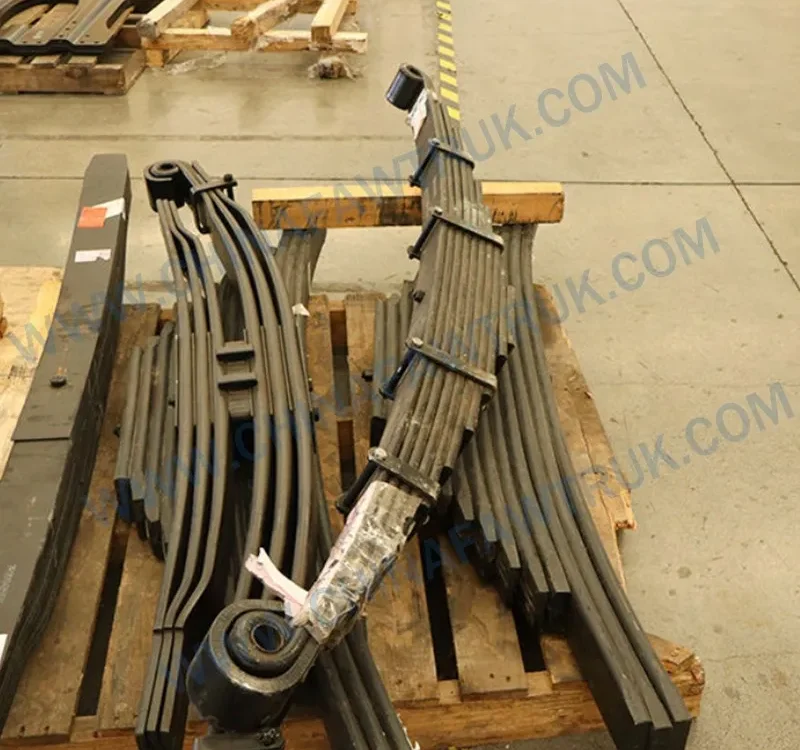
FAW parts, including the Cylinder Block Assembly, are packaged with care to ensure safe delivery. Each component is secured in protective materials to prevent damage during transit. The logistics network guarantees timely shipments worldwide, supporting efficient maintenance operations. Below is an image illustrating the standard packaging for FAW truck parts, showcasing the attention to detail in handling and storage.
This packaging approach minimizes the risk of corrosion or impact damage, ensuring that parts like the FAW Cylinder Block Assembly arrive in perfect condition. Customers can rely on FAW’s logistics for consistent quality and reliability.