Iniciante Russo FAW: 5 Componentes de energia projetados para ignição confiável no Ártico
O Iniciante Russo FAW é o catalisador de ignição de alto torque para o caminhão basculante CA3250P66K24L1TE5Z. Projetado para superar o imenso arrasto viscoso de um motor diesel congelado, este conjunto fornece amperagem crítica de partida a -40°C. Este guia detalha o motor resistente e o hardware de montagem especializado necessário para garantir partidas consistentes na Federação Russa.

Iniciante Russo FAW
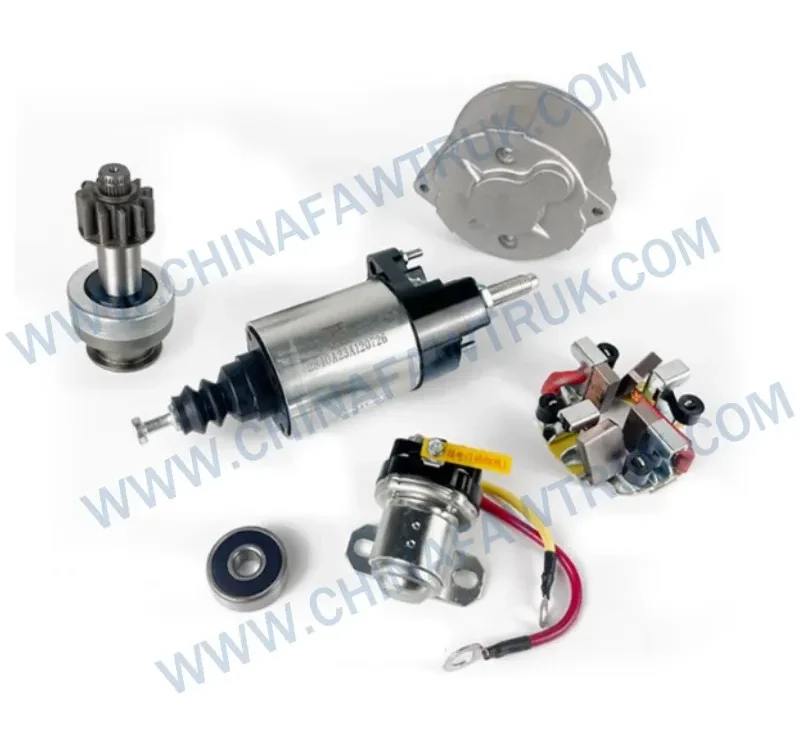
Potência de arranque: A montagem inicial
A peça central do sistema de ignição é o Conjunto de iniciantes (Parte não. 3708010-53D-C00). Esta unidade não é uma partida automotiva padrão; é um alto rendimento, motor redutor especificamente calibrado para o Iniciante Russo FAW aplicativo. No frio extremo do inverno russo, o óleo do motor engrossa significativamente, aumentando o coeficiente de atrito entre os pistões e as camisas.
Para superar isso “arrasto parasita,” o Iniciante Russo FAW deve gerar torque enorme instantaneamente. Isto é conseguido através de um conjunto de engrenagens planetárias que multiplica a velocidade da armadura em baixa velocidade., rotação de alto torque na engrenagem do pinhão. Isto permite que o motor de arranque gire o enorme volante diesel rápido o suficiente para gerar o calor de compressão necessário para a ignição., mesmo quando as baterias estão operando com eficiência reduzida devido ao frio.
Os componentes internos do Conjunto de iniciantes são tratados com lubrificantes de baixa temperatura. A graxa padrão solidificaria a -40°C, causando a unidade Bendix (o mecanismo de engrenagem do pinhão) colar. Um Bendix preso significa que o motor de partida gira, mas a engrenagem não engata o volante, resultando em um “zumbido” ruído e uma condição de não partida. O Iniciante Russo FAW utiliza graxa sintética de grau aeroespacial para garantir que o pinhão dispare e retraia suavemente sempre.
Além disso, os enrolamentos elétricos dentro do Iniciante Russo FAW são isolados com verniz resistente para resistir à entrada de umidade. A ciclagem térmica no compartimento do motor cria condensação, que pode corroer os contatos internos. O solenoide selado e o design da carcaça deste conjunto específico evitam a entrada de água, garantindo que a conexão elétrica permaneça sólida e a intensidade do campo magnético não seja comprometida por curtos-circuitos.
Fixação Rígida: A Estratégia Tri-Bolt
Fixar o motor de partida pesado à carcaça do volante requer uma estratégia de fixação robusta. O Iniciante Russo FAW emprega três distintos Parafusos de flange hexágono (Números de peças. Q1841440, Q1841470, e Q1841455). O uso de três comprimentos diferentes é uma escolha precisa de engenharia ditada pela espessura de fundição do flange de partida e da carcaça da campainha da transmissão em cada ponto de montagem específico.
Esses parafusos são “Haste Grossa” ou tipo padrão, projetado para máxima resistência ao cisalhamento. Quando o Iniciante Russo FAW envolve, o torque de reação tenta torcer o motor para fora de sua montagem. Essa força é imensa, igual e oposto ao torque que gira o motor. Esses parafusos especializados atuam como cavilhas, alinhando perfeitamente o pinhão de partida com a coroa enquanto suporta todo o peso da carga de partida.
O projeto da cabeça do flange desses parafusos é crítico para a Iniciante Russo FAW instalação. Ele distribui a carga de fixação por uma área de superfície mais ampla da caixa de alumínio ou ferro fundido. Isso evita que a cabeça do parafuso penetre no metal, o que levaria a uma perda de pré-carga. Depois que a pré-carga for perdida, o starter começa a vibrar durante a operação, levando ao engate de engrenagem desalinhado e dentes do volante desgastados.
A resistência à corrosão é outro fator chave. Esses parafusos de montagem estão localizados na parte inferior do motor, exposto à pulverização da estrada, sal, e lama. Os fixadores usados no Iniciante Russo FAW sistema são tratados com flocos de zinco ou revestimento de fosfato para evitar que grudem no bloco. Um parafuso de partida preso acrescenta horas de trabalho a um trabalho de substituição, potencialmente exigindo que a transmissão seja removida para perfurar o fixador quebrado.
Aterramento Elétrico e Bloqueio de Segurança
O circuito elétrico do Iniciante Russo FAW depende do bloco do motor para seu caminho de retorno ao solo. O hardware de montagem, especificamente a interação entre os parafusos e o Porca de travamento de flange hexagonal (Parte não. CQ32614), facilita esse aterramento. Esta porca é usada no local do parafuso passante onde o flange de partida é acessível pela parte traseira.
Esta porca de travamento é essencial para manter a integridade física e elétrica do sistema. A vibração de alta frequência de um motor diesel pode fazer com que as porcas padrão se soltem. O Iniciante Russo FAW utiliza uma porca com um recurso de torque predominante – seja uma inserção de náilon ou uma rosca distorcida – que a trava mecanicamente nas roscas do parafuso. Isto garante que a força de fixação permanece constante ao longo da vida útil do veículo.
Uma conexão solta nesta porca cria alta resistência elétrica. Em um circuito de alta amperagem como o Iniciante Russo FAW (que pode atrair 1000 amplificadores durante uma partida a frio), resistência gera calor. Este calor pode derreter o terminal de partida, danificar os cabos da bateria, ou simplesmente resulta em uma velocidade de manivela lenta que não dá partida no motor. Portanto, o aperto mecânico desta porca única determina a eficiência elétrica de todo o sistema de partida.
O flange da porca também atua como uma arruela condutora, mordendo a superfície do metal para garantir um caminho de baixa resistência para a corrente. Os técnicos da frota devem garantir que as superfícies correspondentes estejam livres de tinta, ferrugem, ou graxa antes de instalar o Iniciante Russo FAW para garantir que a potência total das baterias chegue aos enrolamentos do motor sem queda de tensão.
Lista detalhada de componentes
A tabela a seguir lista a divisão completa das peças para o Iniciante Russo FAW conjunto. Observe os comprimentos específicos dos parafusos; instalar o parafuso de comprimento errado pode resultar no fundo do furo cego (starter solto) ou saliente demais e interferindo no volante.
| Não. |
Número da peça |
Nome da peça |
Quantidade |
| 1 |
3708010-53D-C00 |
Conjunto de iniciantes |
1 |
| 2 |
Q1841440 |
Parafuso de flange hexadecimal (Haste Grossa/Padrão) |
1 |
| 3 |
Q1841470 |
Parafuso de flange hexadecimal (Haste Grossa/Padrão) |
1 |
| 4 |
Q1841455 |
Parafuso de flange hexadecimal (Haste Grossa/Padrão) |
1 |
| 5 |
CQ32614 |
Porca de travamento de flange hexagonal |
1 |
Protocolos de diagnóstico para partidas confiáveis
Solução de problemas do Iniciante Russo FAW começa com teste de queda de tensão. Com um voltímetro conectado ao terminal positivo principal e ao solenóide de partida, ligue o motor. Uma queda de mais de 0.5 volts indica alta resistência no cabo ou nos contatos do solenóide. No inverno russo, mesmo uma pequena resistência pode impedir que o motor de partida atinja a velocidade de partida necessária.
Ouça o som do noivado. Um alto “claque” seguido de silêncio geralmente indica uma falha no solenóide ou uma unidade Bendix emperrada dentro do Conjunto de iniciantes. Se o motor de partida girar com um gemido agudo, mas o motor não ligar, a engrenagem do pinhão não está engatando no volante, provavelmente devido à gordura congelada ou a um garfo quebrado.
Inspecione periodicamente os três parafusos de montagem quanto ao aperto. Se o Iniciante Russo FAW fica solto, ele ficará desalinhado com a coroa. Este desalinhamento causa um ruído de trituração durante a partida e irá rapidamente arrancar os dentes da coroa do volante., necessitando de um reparo no motor. Manter esses parafusos apertados é a maneira mais simples de proteger o sistema de transmissão.
Conclusão: A centelha da logística
O Iniciante Russo FAW é o herói anônimo de cada entrega bem-sucedida. Nas condições extremas da Federação Russa, onde desligar o motor pode ser um risco calculado, capacidade de reinicialização confiável é fundamental. A construção robusta do motor, combinado com a lógica de montagem segura dos parafusos de flange, garante que este sistema funcione quando é mais importante.
Para proprietários de frotas, não há substituto para o conjunto OEM genuíno. As partidas reconstruídas ou genéricas muitas vezes não possuem a graxa de baixa temperatura e os enrolamentos de alto torque necessários para a operação no Ártico. Ao investir no autêntico Iniciante Russo FAW e manutenção das conexões elétricas, você garante que sua frota permanecerá móvel, produtivo, e seguro nos ambientes mais adversos do planeta.
Embalagem e Logística
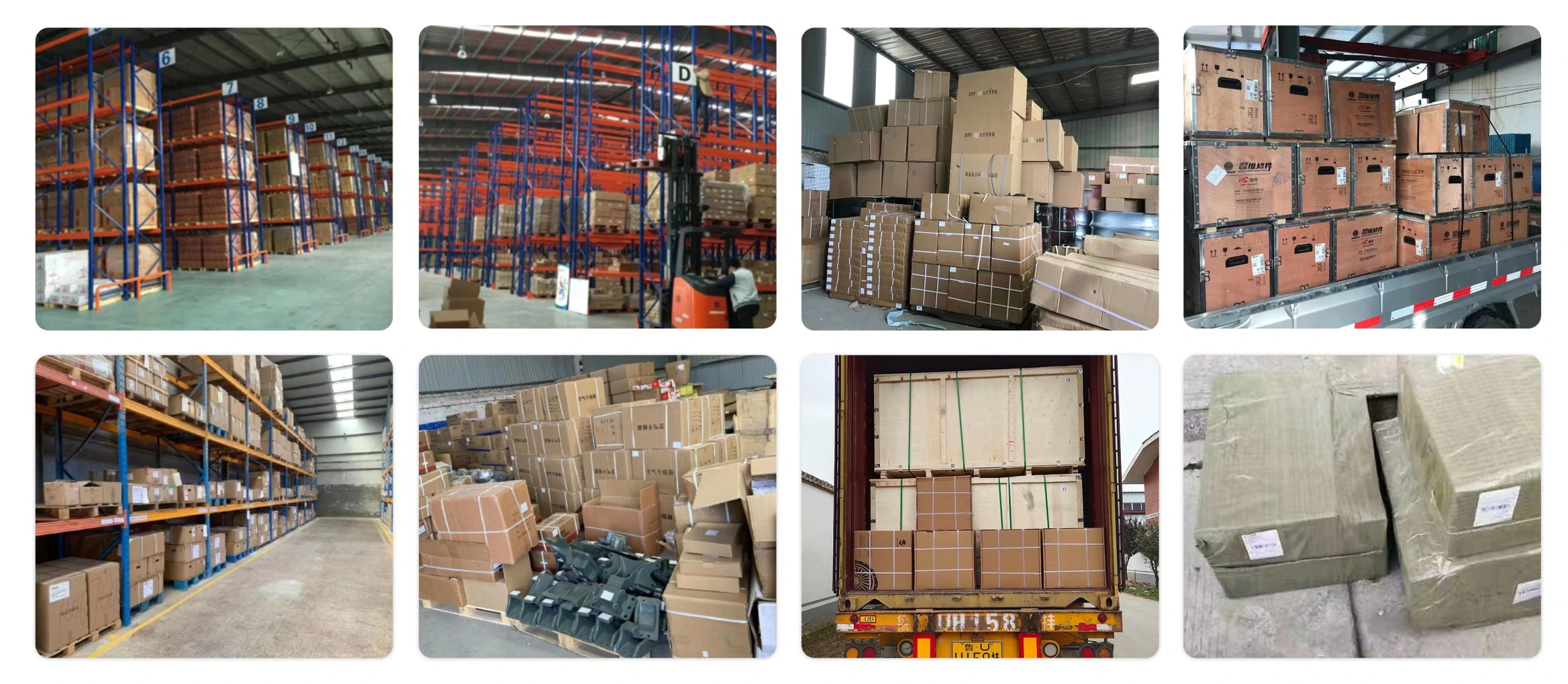
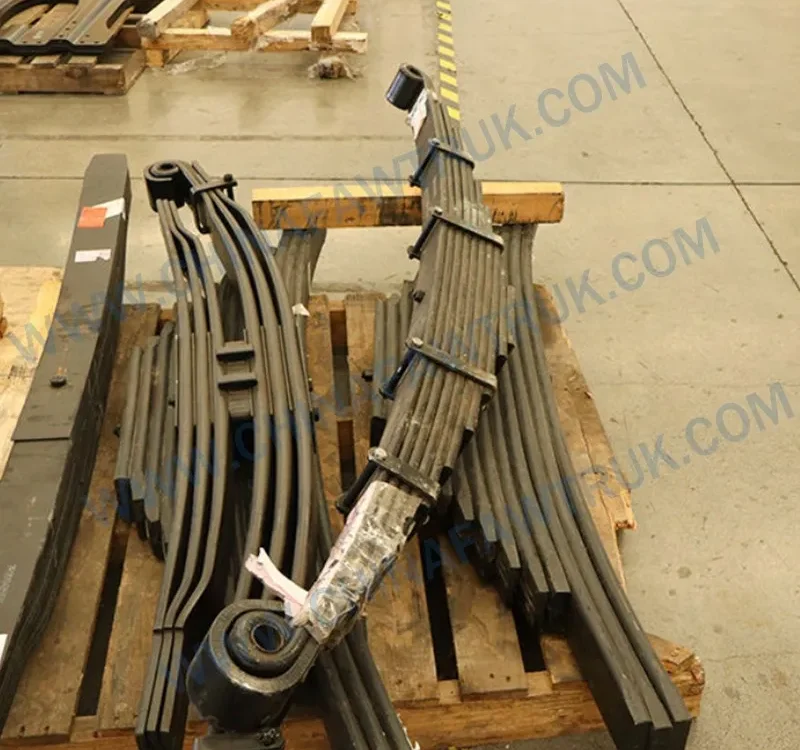
Peças FAW, incluindo o conjunto do bloco de cilindros, são embalados com cuidado para garantir uma entrega segura. Cada componente é protegido por materiais de proteção para evitar danos durante o transporte. A rede logística garante envios pontuais em todo o mundo, apoiando operações de manutenção eficientes. Abaixo está uma imagem ilustrando a embalagem padrão para peças de caminhão FAW, mostrando a atenção aos detalhes no manuseio e armazenamento.
Esta abordagem de embalagem minimiza o risco de corrosão ou danos por impacto, garantindo que peças como o conjunto do bloco de cilindros FAW cheguem em perfeitas condições. Os clientes podem confiar na logística da FAW para obter qualidade e confiabilidade consistentes.