FAW Russian Fan Logic Assembly: Mastering 3 Critical Components for Flawless Arctic Airflow
The FAW Russian Fan Logic Assembly serves as the active aerodynamic engine for the CA3250P66K24L1TE5Z dump truck’s cooling system. In the dense, freezing air of the Siberian winter, generating precise airflow through the heat exchanger stack is critical for thermal stability. This guide analyzes the engineering behind the fan blade geometry and its fastening system, ensuring uncompromised cooling performance at -40°C.

FAW Russian Fan Logic Assembly
Blade Geometry: The Physics of Static Pressure
The centerpiece of the FAW Russian Fan Logic Assembly is the Fan Assembly (Part No. 1308010-55R). While it may appear to be a simple plastic component, its design is the result of extensive Computational Fluid Dynamics (CFD) optimization. The primary function of the fan is to pull ambient air through a dense stack of heat exchangers: the condenser, the intercooler, and the radiator. This requires not just high airflow (CFM), but high static pressure. The blades of the FAW Russian Fan Logic Assembly feature a specific aggressive pitch and a twisted airfoil profile. This geometry maximizes the pressure differential across the fan face, ensuring that air is forcibly dragged through the radiator fins even when they are partially obstructed by mud or snow, a common scenario in Russian mining operations.
In the context of the FAW Russian Fan Logic Assembly, the number of blades and their spacing is calculated to minimize acoustic noise while maximizing efficiency. The fan operates in a specific harmonic range. If the blade mass or spacing were uneven, it would create resonant vibrations that could shatter the fan hub at high RPMs. FAW engineers have balanced the Fan Assembly to a remarkably high tolerance. This precision prevents vibration from transmitting back into the water pump bearings, thereby extending the lifespan of the entire accessory drive system. The tip clearance—the gap between the fan blade tips and the fan shroud—is also critical. The FAW Russian Fan Logic Assembly is designed to maintain a tight clearance to prevent air recirculation (tip vortices), ensuring that every revolution of the engine contributes to effective cooling.
The interaction between the fan and the clutch (often part of the assembly logic) is vital. The fan does not need to spin at full engine speed constantly; doing so would waste horsepower and overcool the engine in winter. The FAW Russian Fan Logic Assembly is designed to work with a viscous or electromagnetic clutch that engages only when the thermal load requires it. However, when engaged, the structural integrity of the fan blades becomes paramount. They must withstand the sudden torque load of acceleration from idle to redline without deforming. The specific polymer matrix used in the FAW Russian Fan Logic Assembly ensures this rigidity is maintained, preventing the blades from flexing forward and contacting the radiator core, a catastrophic failure mode known as “radiator strike.”
Polymer Resilience: Surviving -40°C
The most significant challenge for the FAW Russian Fan Logic Assembly is the extreme cold of the operating environment. Standard plastics undergo a “glass transition” at low temperatures, becoming brittle and prone to shattering under impact or centrifugal force. A cooling fan spinning at 2000 RPM stores immense kinetic energy. If a blade were to fracture due to cold embrittlement, it would explode like shrapnel, destroying the radiator, hoses, and wiring harnesses. To prevent this, the FAW Russian Fan Logic Assembly utilizes a high-grade, glass-fiber reinforced Nylon (PA66-GF) composite.
This specific material formulation is chosen for its ductility in sub-zero conditions. It allows the blades of the FAW Russian Fan Logic Assembly to absorb the shock of rapid RPM changes and the impact of small debris without cracking. Furthermore, the material is stabilized against UV degradation and chemical attack from road salts and engine oils. In the Russian Arctic, where vehicles may sit for days at -40°C before starting, this material science ensures that the fan is ready to perform immediately. The FAW Russian Fan Logic Assembly undergoes rigorous cold-chamber testing to verify that the hub stress remains within safe limits even when the material is contracted by the cold.
Additionally, the bonding between the central metal hub insert and the plastic blades is a critical engineering detail of the FAW Russian Fan Logic Assembly. Differential thermal expansion between steel and plastic can lead to the hub loosening over time. FAW uses a mechanical interlock design combined with chemical bonding agents to ensure the plastic ring never separates from the metal drive plate. This integrity is essential for safety; a detached fan is a lethal projectile. Fleet managers relying on the FAW Russian Fan Logic Assembly can trust that the material science behind the part is specifically tuned for the rigors of the Northern Hemisphere.
Fastening Dynamics: The Rule of Six
The security of the fan relies entirely on its attachment to the pulley hub. The FAW Russian Fan Logic Assembly employs a six-point fastening system using Hexagon Nut (Part No. CQ34008) and Spring Washer (Part No. Q40308). While seemingly simple, the logic behind using six smaller fasteners rather than one large central nut is grounded in redundancy and load distribution. By spreading the clamping force across a wider bolt circle, the FAW Russian Fan Logic Assembly reduces the shear stress on any individual stud. This is vital for handling the torsional vibrations of a diesel engine.
The Hexagon Nut used is a high-tensile grade, typically Class 8 or 10, designed to maintain thread engagement under high thermal cycling. As the engine heats up, the metal hub expands, potentially stretching the studs. The nuts must hold firm. In the FAW Russian Fan Logic Assembly, these nuts are paired with Spring Washer components. The spring washers act as active locking mechanisms. They exert a continuous axial load on the nut, preventing it from backing off due to the constant micro-vibrations of the fan rotation.
In the specific context of the FAW Russian Fan Logic Assembly, the correct torque application on these six nuts is critical. Uneven tightening can cause the fan to run effectively “wobbly” (runout), which introduces severe vibration into the water pump shaft, leading to premature seal failure. The use of standardized CQ and Q series hardware ensures that replacements are available, but using the genuine specification is key to matching the thermal expansion rates of the fan hub. This six-point security protocol is the final safeguard in the FAW Russian Fan Logic Assembly, ensuring the fan stays planted exactly where it belongs.
System Logic: Balancing Power and Cooling
The “Logic” in the FAW Russian Fan Logic Assembly refers to its role in the broader thermal management strategy. A fan consumes engine horsepower—often up to 20-30 HP at full lock. An inefficient fan design drags down the engine, increasing fuel consumption unnecessarily. The aerodynamic profile of the FAW Russian Fan Logic Assembly is optimized to move the maximum volume of air with the minimum parasitic drag. This efficiency directly translates to fuel savings, a critical metric for long-haul operations across the vast distances of Russia.
Furthermore, the fan’s performance dictates the efficiency of the intercooler. By pulling cool air through the charge air cooler, the FAW Russian Fan Logic Assembly lowers the intake air temperature, increasing air density and combustion efficiency. In this way, the fan is not just a cooling device; it is a power-adder. If the fan fails or an inferior aftermarket part with poor blade geometry is installed, the intercooler heat soak increases, exhaust gas temperatures rise, and the engine ECU will derate power to protect the pistons.
The integration extends to the AC condenser as well. In the summer months, the FAW Russian Fan Logic Assembly must pull enough air to keep the cabin air conditioning functional. A weak fan leads to high head pressures in the AC compressor and poor cabin cooling. Thus, the performance of this single assembly impacts driver comfort, engine power, fuel economy, and component longevity. The FAW Russian Fan Logic Assembly is a holistic solution engineered to balance these competing demands in one robust package.
Component Breakdown: 94. Fan Logic Assembly
| No. |
Part Number |
Part Name |
Qty |
| 1 |
1308010-55R |
Fan Assembly |
1 |
| 2 |
CQ34008 |
Hexagon Nut |
6 |
| 3 |
Q40308 |
Spring Washer |
6 |
Conclusion: The Kinetic Heart of Cooling
The FAW Russian Fan Logic Assembly is a deceptively complex component that sits at the intersection of aerodynamics, material science, and thermal management. While the BOM lists only three line items, the engineering embedded within the fan blade profile and the polymer formulation is immense. It is the active force that enables the passive heat exchangers to function, making it the kinetic heart of the truck’s cooling system.
For operators of the CA3250P66K24L1TE5Z, maintaining the integrity of this assembly is essential. Using a generic fan with incorrect blade pitch or inferior plastic can lead to overheating, vibration damage, or catastrophic blade failure. By investing in the genuine FAW Russian Fan Logic Assembly components—including the specific high-grade nuts and washers—fleet managers ensure that their vehicles remain cool, efficient, and reliable, even in the unforgiving depths of the Russian winter.
Packaging and Logistics
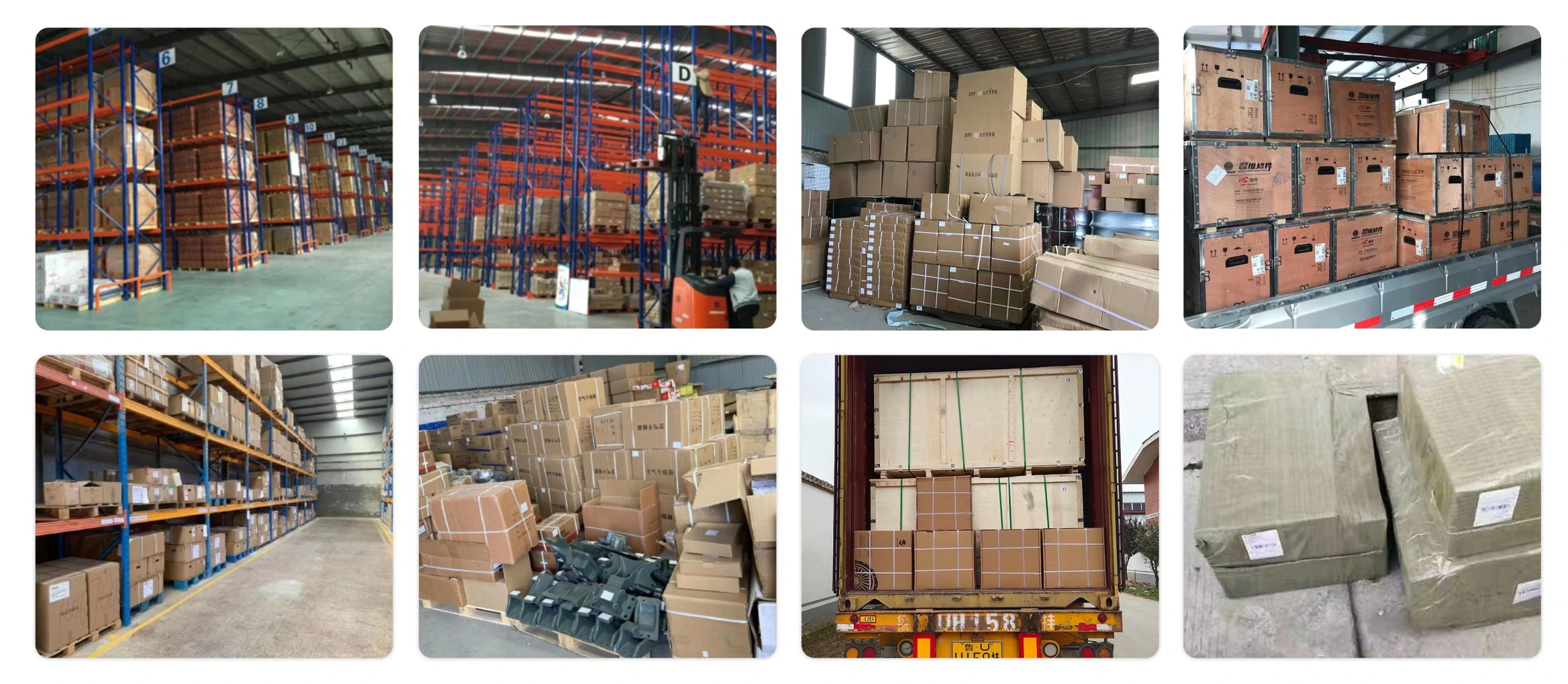
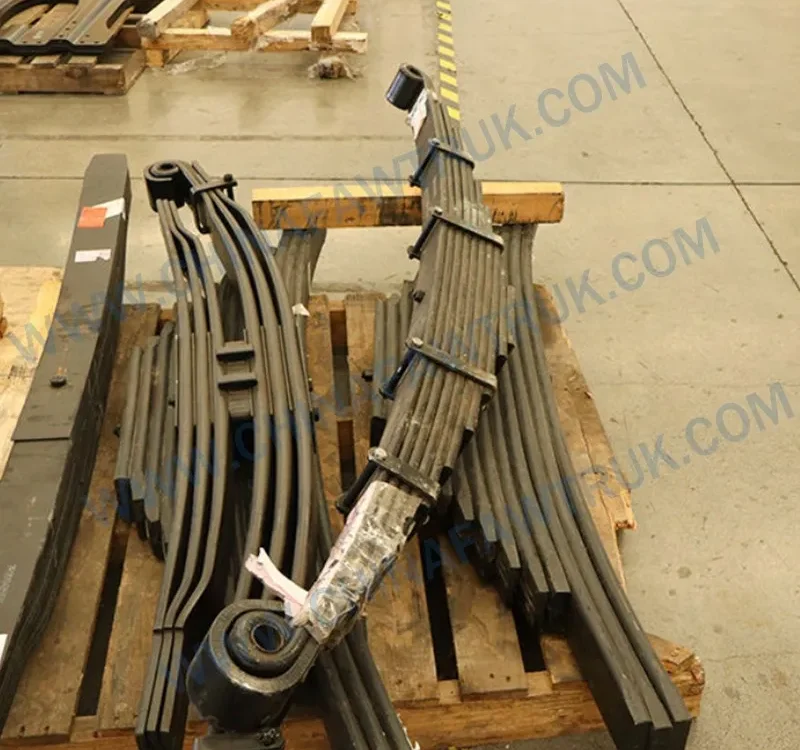
FAW parts, including the Cylinder Block Assembly, are packaged with care to ensure safe delivery. Each component is secured in protective materials to prevent damage during transit. The logistics network guarantees timely shipments worldwide, supporting efficient maintenance operations. Below is an image illustrating the standard packaging for FAW truck parts, showcasing the attention to detail in handling and storage.
This packaging approach minimizes the risk of corrosion or impact damage, ensuring that parts like the FAW Cylinder Block Assembly arrive in perfect condition. Customers can rely on FAW’s logistics for consistent quality and reliability.