Conjunto de lógica de ventilador ruso FAW: Masterización 3 Componentes críticos para un flujo de aire impecable en el Ártico
El Conjunto de lógica de ventilador ruso FAW sirve como motor aerodinámico activo para el sistema de enfriamiento del camión volquete CA3250P66K24L1TE5Z. en lo denso, aire helado del invierno siberiano, Generar un flujo de aire preciso a través de la pila del intercambiador de calor es fundamental para la estabilidad térmica.. Esta guía analiza la ingeniería detrás de la geometría de las aspas del ventilador y su sistema de fijación., asegurando un rendimiento de refrigeración sin concesiones a -40°C.

Conjunto de lógica de ventilador ruso FAW
Geometría de la hoja: La física de la presión estática
La pieza central del Conjunto de lógica de ventilador ruso FAW es el Conjunto de ventilador (Número de pieza. 1308010-55R). Si bien puede parecer un simple componente de plástico, su diseño es el resultado de una extensa dinámica de fluidos computacional (CFD) mejoramiento. La función principal del ventilador es extraer aire ambiente a través de una densa pila de intercambiadores de calor.: el condensador, el intercooler, y el radiador. Esto no sólo requiere un alto flujo de aire (CFM), pero alta presión estática. Las palas del Conjunto de lógica de ventilador ruso FAW Presentan un paso agresivo específico y un perfil aerodinámico retorcido.. Esta geometría maximiza el diferencial de presión a través de la cara del ventilador., Garantizar que el aire sea arrastrado con fuerza a través de las aletas del radiador incluso cuando estén parcialmente obstruidas por barro o nieve., Un escenario común en las operaciones mineras rusas..
En el contexto de la Conjunto de lógica de ventilador ruso FAW, El número de aspas y su espaciado se calcula para minimizar el ruido acústico y maximizar la eficiencia.. El ventilador opera en un rango armónico específico.. Si la masa de la hoja o el espaciado fueran desiguales, crearía vibraciones resonantes que podrían romper el cubo del ventilador a altas RPM. Los ingenieros de FAW han equilibrado la Conjunto de ventilador a una tolerancia notablemente alta. Esta precisión evita que la vibración se transmita nuevamente a los cojinetes de la bomba de agua., extendiendo así la vida útil de todo el sistema de transmisión de accesorios. El espacio libre entre las puntas de las aspas del ventilador y la cubierta del ventilador también es fundamental.. El Conjunto de lógica de ventilador ruso FAW está diseñado para mantener un espacio libre estrecho para evitar la recirculación de aire. (vórtices de punta), Garantizar que cada revolución del motor contribuya a una refrigeración eficaz..
La interacción entre el ventilador y el embrague. (a menudo parte de la lógica ensambladora) es vital. No es necesario que el ventilador gire constantemente a máxima velocidad del motor.; Hacerlo desperdiciaría caballos de fuerza y enfriaría demasiado el motor en invierno.. El Conjunto de lógica de ventilador ruso FAW está diseñado para funcionar con un embrague viscoso o electromagnético que se activa sólo cuando la carga térmica lo requiere. Sin embargo, cuando está comprometido, La integridad estructural de las aspas del ventilador se vuelve primordial.. Deben soportar la carga de torsión repentina de la aceleración desde el ralentí hasta la línea roja sin deformarse.. La matriz polimérica específica utilizada en el Conjunto de lógica de ventilador ruso FAW garantiza que se mantenga esta rigidez, evitando que las aspas se doblen hacia adelante y entren en contacto con el núcleo del radiador, un modo de falla catastrófico conocido como “golpe del radiador.”
Resiliencia del polímero: Sobrevivir a -40°C
El desafío más importante para el Conjunto de lógica de ventilador ruso FAW es el frío extremo del entorno operativo. Los plásticos estándar se someten a un “transición vítrea” a bajas temperaturas, volverse quebradizo y propenso a romperse bajo impacto o fuerza centrífuga. Un ventilador de enfriamiento girando a 2000 RPM almacena una inmensa energía cinética. Si una hoja se fracturara debido a la fragilización por frío, explotaría como metralla, destruyendo el radiador, mangueras, y mazos de cables. Para evitar esto, el Conjunto de lógica de ventilador ruso FAW utiliza un alto grado, Nylon reforzado con fibra de vidrio (PA66-GF) compuesto.
Esta formulación de material específica se elige por su ductilidad en condiciones bajo cero.. Permite que las palas del Conjunto de lógica de ventilador ruso FAW para absorber el impacto de los cambios rápidos de RPM y el impacto de pequeños escombros sin agrietarse. Además, El material está estabilizado contra la degradación UV y el ataque químico de las sales de carretera y los aceites de motor.. En el Ártico ruso, donde los vehículos pueden permanecer durante días a -40°C antes de arrancar, Esta ciencia de los materiales garantiza que el ventilador esté listo para funcionar inmediatamente.. El Conjunto de lógica de ventilador ruso FAW se somete a rigurosas pruebas en cámara fría para verificar que la tensión del cubo se mantiene dentro de límites seguros incluso cuando el material se contrae por el frío..
Además, La unión entre el inserto central de metal y las palas de plástico es un detalle de ingeniería crítico del Conjunto de lógica de ventilador ruso FAW. La expansión térmica diferencial entre el acero y el plástico puede provocar que el buje se afloje con el tiempo.. FAW utiliza un diseño de bloqueo mecánico combinado con agentes de unión química para garantizar que el anillo de plástico nunca se separe de la placa de accionamiento de metal.. Esta integridad es esencial para la seguridad.; un ventilador desprendido es un proyectil letal. Gestores de flotas que confían en la Conjunto de lógica de ventilador ruso FAW Puede confiar en que la ciencia material detrás de la pieza está específicamente adaptada a los rigores del hemisferio norte..
Dinámica de sujeción: La regla de los seis
La seguridad del ventilador depende enteramente de su fijación al cubo de la polea.. El Conjunto de lógica de ventilador ruso FAW emplea un sistema de sujeción de seis puntos utilizando Tuerca hexagonal (Número de pieza. CQ34008) y Arandela de resorte (Número de pieza. Q40308). Aunque aparentemente simple, La lógica detrás del uso de seis sujetadores más pequeños en lugar de una tuerca central grande se basa en la redundancia y la distribución de carga.. Distribuyendo la fuerza de sujeción a través de un círculo de pernos más amplio, el Conjunto de lógica de ventilador ruso FAW Reduce el esfuerzo cortante en cualquier montante individual.. Esto es vital para manejar las vibraciones torsionales de un motor diesel..
El Tuerca hexagonal utilizado es un grado de alta resistencia, típicamente clase 8 o 10, Diseñado para mantener el acoplamiento de la rosca bajo ciclos térmicos elevados.. Mientras el motor se calienta, el cubo de metal se expande, potencialmente estirando los montantes. Las nueces deben mantenerse firmes.. En el Conjunto de lógica de ventilador ruso FAW, estas nueces se combinan con Arandela de resorte componentes. Las arandelas elásticas actúan como mecanismos de bloqueo activos.. Ejercen una carga axial continua sobre la tuerca., evitando que retroceda debido a las constantes microvibraciones de la rotación del ventilador.
En el contexto específico de la Conjunto de lógica de ventilador ruso FAW, La aplicación correcta del par en estas seis tuercas es fundamental.. Un ajuste desigual puede hacer que el ventilador funcione eficazmente “tembleque” (sin), lo que introduce vibraciones severas en el eje de la bomba de agua, lo que lleva a una falla prematura del sello. El uso de hardware estandarizado de las series CQ y Q garantiza que haya reemplazos disponibles, pero utilizar las especificaciones genuinas es clave para igualar las tasas de expansión térmica del cubo del ventilador.. Este protocolo de seguridad de seis puntos es la salvaguardia final en el Conjunto de lógica de ventilador ruso FAW, asegurando que el ventilador permanezca plantado exactamente donde pertenece.
Lógica del sistema: Equilibrio de potencia y refrigeración
El “Lógica” en el Conjunto de lógica de ventilador ruso FAW se refiere a su papel en la estrategia más amplia de gestión térmica. Un ventilador consume caballos de fuerza del motor, a menudo hasta 20-30 HP al máximo. Un diseño de ventilador ineficiente arrastra el motor hacia abajo, aumentar el consumo de combustible innecesariamente. El perfil aerodinámico del Conjunto de lógica de ventilador ruso FAW está optimizado para mover el máximo volumen de aire con la mínima resistencia parásita. Esta eficiencia se traduce directamente en ahorro de combustible., una métrica crítica para operaciones de larga distancia a través de las vastas distancias de Rusia.
Además, El rendimiento del ventilador dicta la eficiencia del intercooler.. Haciendo pasar aire frío a través del enfriador de aire de carga, el Conjunto de lógica de ventilador ruso FAW reduce la temperatura del aire de admisión, aumento de la densidad del aire y la eficiencia de la combustión. De este modo, El ventilador no es sólo un dispositivo de refrigeración.; es un sumador de poder. Si el ventilador falla o se instala una pieza de repuesto inferior con una geometría de aspa deficiente, la absorción de calor del intercooler aumenta, La temperatura de los gases de escape aumenta, y la ECU del motor reducirá la potencia para proteger los pistones..
La integración se extiende también al condensador de CA.. En los meses de verano, el Conjunto de lógica de ventilador ruso FAW debe extraer suficiente aire para mantener funcional el aire acondicionado de la cabina. Un ventilador débil provoca altas presiones en el compresor de aire acondicionado y un enfriamiento deficiente de la cabina.. De este modo, El rendimiento de este conjunto único afecta la comodidad del conductor., potencia del motor, economía de combustible, y longevidad de los componentes. El Conjunto de lógica de ventilador ruso FAW es una solución holística diseñada para equilibrar estas demandas competitivas en un paquete sólido.
Desglose de componentes: 94. Conjunto de lógica de ventilador
| No. |
Número de pieza |
Nombre de la pieza |
Cantidad |
| 1 |
1308010-55R |
Conjunto de ventilador |
1 |
| 2 |
CQ34008 |
Tuerca hexagonal |
6 |
| 3 |
Q40308 |
Arandela de resorte |
6 |
Conclusión: El corazón cinético del enfriamiento
El Conjunto de lógica de ventilador ruso FAW es un componente engañosamente complejo que se encuentra en la intersección de la aerodinámica, ciencia de materiales, y gestión térmica. Mientras que la lista de materiales enumera sólo tres artículos en línea, La ingeniería integrada dentro del perfil de las aspas del ventilador y la formulación del polímero es inmensa.. Es la fuerza activa que permite que los intercambiadores de calor pasivos funcionen., convirtiéndolo en el corazón cinético del sistema de enfriamiento del camión.
Para operadores del CA3250P66K24L1TE5Z, Mantener la integridad de esta asamblea es esencial.. El uso de un ventilador genérico con un paso incorrecto de las aspas o un plástico de calidad inferior puede provocar un sobrecalentamiento., daño por vibración, o falla catastrófica de la cuchilla. Al invertir en lo genuino Conjunto de lógica de ventilador ruso FAW Componentes, incluidas tuercas y arandelas específicas de alta calidad, los administradores de flotas garantizan que sus vehículos permanezcan frescos., eficiente, y confiable, Incluso en las implacables profundidades del invierno ruso..
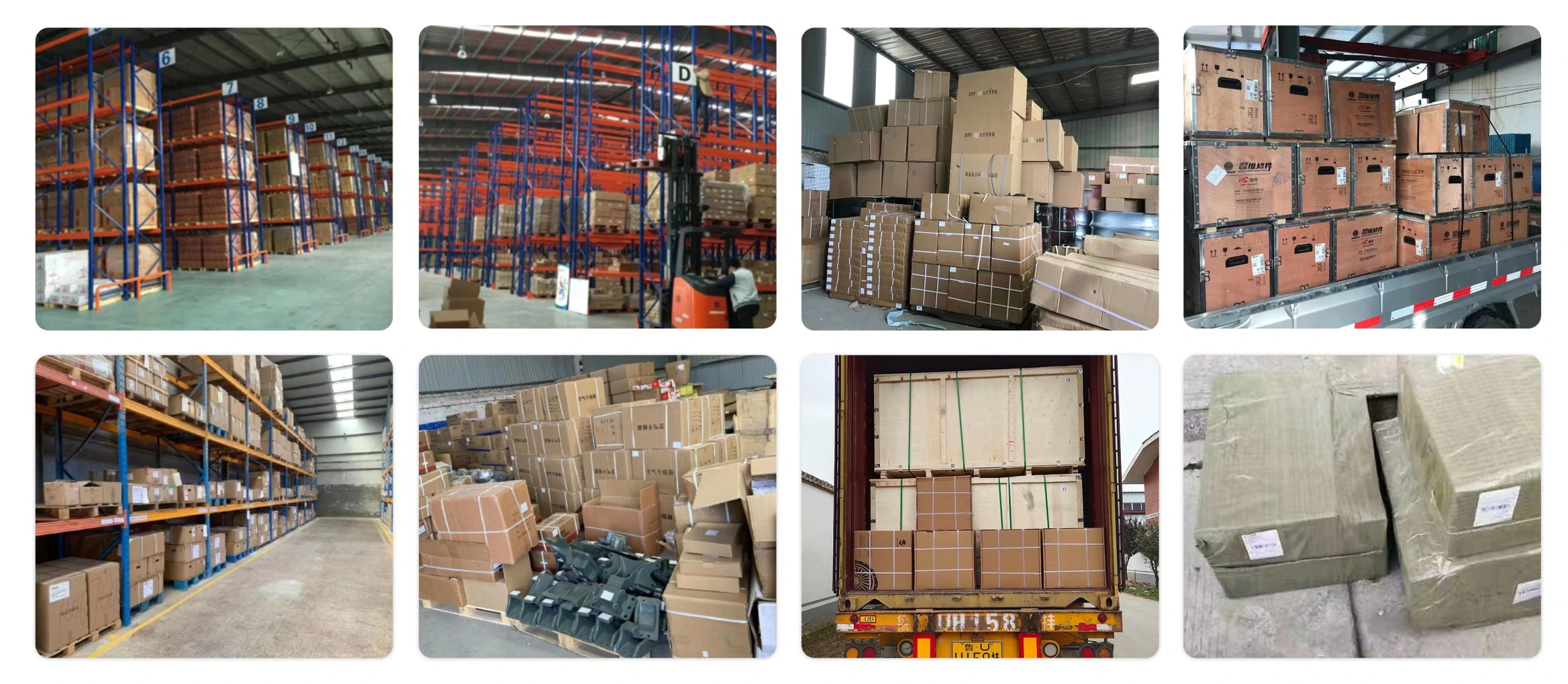
Embalaje y Logística
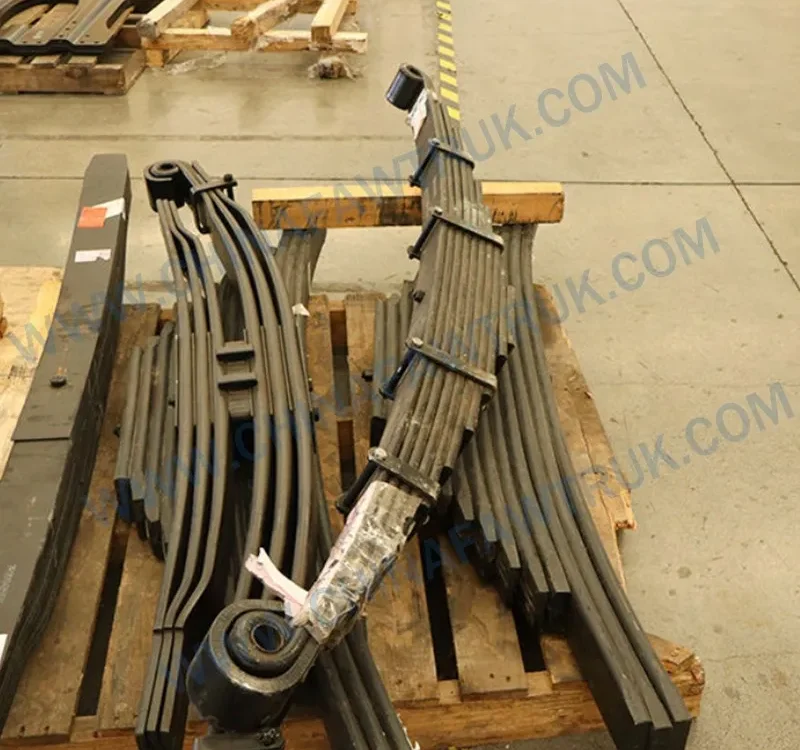
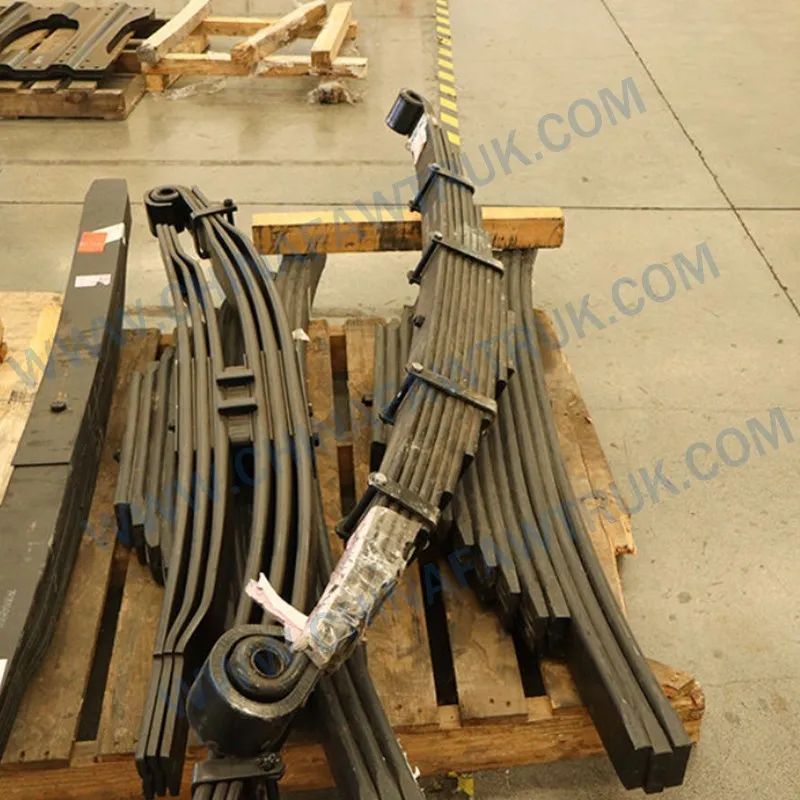
piezas FAW, incluido el conjunto del bloque de cilindros, Se empaquetan con cuidado para garantizar una entrega segura.. Cada componente está asegurado con materiales protectores para evitar daños durante el transporte.. La red logística garantiza envíos puntuales en todo el mundo., apoyando operaciones de mantenimiento eficientes. A continuación se muestra una imagen que ilustra el embalaje estándar de las piezas de camiones FAW., mostrando la atención al detalle en el manejo y almacenamiento.
Este enfoque de embalaje minimiza el riesgo de corrosión o daños por impacto., asegurando que piezas como el conjunto de bloque de cilindros FAW lleguen en perfectas condiciones. Los clientes pueden confiar en la logística de FAW para obtener calidad y confiabilidad constantes.