Conjunto de lógica de ventilador russo FAW: Masterização 3 Componentes críticos para um fluxo de ar perfeito no Ártico
O Conjunto de lógica de ventilador russo FAW serve como motor aerodinâmico ativo para o sistema de refrigeração do caminhão basculante CA3250P66K24L1TE5Z. No denso, ar gelado do inverno siberiano, gerar fluxo de ar preciso através da pilha do trocador de calor é fundamental para a estabilidade térmica. Este guia analisa a engenharia por trás da geometria das pás do ventilador e seu sistema de fixação, garantindo desempenho de resfriamento incomparável a -40°C.

Conjunto de lógica de ventilador russo FAW
Geometria da Lâmina: A Física da Pressão Estática
A peça central do Conjunto de lógica de ventilador russo FAW é o Conjunto de ventilador (Parte não. 1308010-55R). Embora possa parecer um simples componente de plástico, seu design é o resultado de extensa Dinâmica de Fluidos Computacional (CFD) otimização. A principal função do ventilador é puxar o ar ambiente através de uma densa pilha de trocadores de calor: o condensador, o intercooler, e o radiador. Isto requer não apenas um alto fluxo de ar (CFM), mas alta pressão estática. As lâminas do Conjunto de lógica de ventilador russo FAW apresentam um passo agressivo específico e um perfil de aerofólio torcido. Esta geometria maximiza o diferencial de pressão na face do ventilador, garantindo que o ar seja arrastado à força através das aletas do radiador, mesmo quando elas estão parcialmente obstruídas por lama ou neve, um cenário comum nas operações de mineração russas.
No contexto do Conjunto de lógica de ventilador russo FAW, o número de lâminas e seu espaçamento são calculados para minimizar o ruído acústico e, ao mesmo tempo, maximizar a eficiência. O ventilador opera em uma faixa harmônica específica. Se a massa ou o espaçamento da lâmina fossem irregulares, criaria vibrações ressonantes que poderiam quebrar o hub do ventilador em altas RPMs. Os engenheiros da FAW equilibraram o Conjunto de ventilador a uma tolerância notavelmente alta. Esta precisão evita que a vibração seja transmitida de volta aos rolamentos da bomba de água, prolongando assim a vida útil de todo o sistema de acionamento de acessórios. A folga da ponta – o espaço entre as pontas das pás do ventilador e a cobertura do ventilador – também é crítica. O Conjunto de lógica de ventilador russo FAW foi projetado para manter uma folga apertada para evitar a recirculação de ar (vórtices de ponta), garantindo que cada revolução do motor contribui para um resfriamento eficaz.
A interação entre o ventilador e a embreagem (muitas vezes parte da lógica de montagem) é vital. O ventilador não precisa girar constantemente na velocidade máxima do motor; fazer isso desperdiçaria potência e resfriaria demais o motor no inverno. O Conjunto de lógica de ventilador russo FAW foi projetado para funcionar com uma embreagem viscosa ou eletromagnética que engata somente quando a carga térmica assim o exige. No entanto, quando noivo, a integridade estrutural das pás do ventilador torna-se fundamental. Eles devem suportar a carga repentina de torque da aceleração da marcha lenta até a linha vermelha sem deformar. A matriz polimérica específica usada no Conjunto de lógica de ventilador russo FAW garante que essa rigidez seja mantida, evitando que as lâminas se flexionem para frente e entrem em contato com o núcleo do radiador, um modo de falha catastrófico conhecido como “greve do radiador.”
Resiliência de Polímero: Sobrevivendo a -40°C
O desafio mais significativo para o Conjunto de lógica de ventilador russo FAW é o frio extremo do ambiente operacional. Os plásticos padrão passam por um “transição vítrea” em baixas temperaturas, tornando-se frágil e propenso a quebrar sob impacto ou força centrífuga. Uma ventoinha de resfriamento girando em 2000 RPM armazena imensa energia cinética. Se uma lâmina fraturasse devido à fragilização pelo frio, explodiria como estilhaços, destruindo o radiador, mangueiras, e chicotes elétricos. Para evitar isso, o Conjunto de lógica de ventilador russo FAW utiliza um alto grau, Nylon reforçado com fibra de vidro (PA66-GF) composto.
Esta formulação específica de material é escolhida por sua ductilidade em condições abaixo de zero. Permite que as lâminas do Conjunto de lógica de ventilador russo FAW para absorver o choque de mudanças rápidas de RPM e o impacto de pequenos detritos sem rachar. Além disso, o material é estabilizado contra degradação UV e ataque químico de sais rodoviários e óleos de motor. No Ártico Russo, onde os veículos podem ficar parados por dias a -40°C antes de dar partida, esta ciência de materiais garante que o ventilador esteja pronto para funcionar imediatamente. O Conjunto de lógica de ventilador russo FAW passa por testes rigorosos em câmara fria para verificar se a tensão do cubo permanece dentro de limites seguros, mesmo quando o material é contraído pelo frio.
Adicionalmente, a ligação entre a inserção central do cubo de metal e as lâminas de plástico é um detalhe crítico de engenharia do Conjunto de lógica de ventilador russo FAW. A expansão térmica diferencial entre aço e plástico pode levar ao afrouxamento do cubo com o tempo. A FAW usa um design de intertravamento mecânico combinado com agentes de ligação químicos para garantir que o anel plástico nunca se separe da placa de acionamento metálica. Esta integridade é essencial para a segurança; um ventilador desconectado é um projétil letal. Gestores de frota que contam com Conjunto de lógica de ventilador russo FAW podemos confiar que a ciência dos materiais por trás da peça está especificamente ajustada aos rigores do Hemisfério Norte.
Dinâmica de Fixação: A Regra dos Seis
A segurança do ventilador depende inteiramente de sua fixação ao cubo da polia. O Conjunto de lógica de ventilador russo FAW emprega um sistema de fixação de seis pontos usando Noz hexágono (Parte não. CQ34008) e Arruela elástica (Parte não. Q40308). Embora aparentemente simples, a lógica por trás do uso de seis fixadores menores em vez de uma porca central grande é baseada na redundância e na distribuição de carga. Distribuindo a força de fixação por um círculo de parafuso mais amplo, o Conjunto de lógica de ventilador russo FAW reduz a tensão de cisalhamento em qualquer pino individual. Isto é vital para lidar com as vibrações de torção de um motor diesel.
O Noz hexágono usado é um grau de alta resistência, normalmente classe 8 ou 10, projetado para manter o engate da rosca sob alto ciclo térmico. À medida que o motor aquece, o cubo de metal se expande, potencialmente esticando os pinos. As nozes devem ficar firmes. No Conjunto de lógica de ventilador russo FAW, essas nozes são combinadas com Arruela elástica componentes. As arruelas de pressão atuam como mecanismos de travamento ativos. Eles exercem uma carga axial contínua na porca, evitando que ele recue devido às constantes microvibrações da rotação do ventilador.
No contexto específico do Conjunto de lógica de ventilador russo FAW, a aplicação correta do torque nessas seis porcas é crítica. O aperto desigual pode fazer com que o ventilador funcione de maneira eficaz “vacilante” (acabar), que introduz vibração severa no eixo da bomba de água, levando à falha prematura da vedação. O uso de hardware padronizado das séries CQ e Q garante que as substituições estejam disponíveis, mas usar a especificação original é fundamental para corresponder às taxas de expansão térmica do hub do ventilador. Este protocolo de segurança de seis pontos é a salvaguarda final no Conjunto de lógica de ventilador russo FAW, garantindo que o ventilador permaneça plantado exatamente onde pertence.
Lógica do Sistema: Equilibrando energia e resfriamento
O “Lógica” no Conjunto de lógica de ventilador russo FAW refere-se ao seu papel na estratégia mais ampla de gestão térmica. Um ventilador consome potência do motor – muitas vezes até 20-30 HP com bloqueio total. Um design de ventilador ineficiente arrasta o motor, aumentando o consumo de combustível desnecessariamente. O perfil aerodinâmico do Conjunto de lógica de ventilador russo FAW é otimizado para mover o volume máximo de ar com o mínimo de arrasto parasita. Esta eficiência se traduz diretamente em economia de combustível, uma métrica crítica para operações de longo curso nas vastas distâncias da Rússia.
Além disso, o desempenho do ventilador determina a eficiência do intercooler. Puxando o ar frio através do refrigerador do ar de admissão, o Conjunto de lógica de ventilador russo FAW reduz a temperatura do ar de admissão, aumentando a densidade do ar e a eficiência da combustão. Desta maneira, o ventilador não é apenas um dispositivo de resfriamento; é um somador de potência. Se o ventilador falhar ou uma peça de reposição inferior com geometria de pá ruim for instalada, a absorção de calor do intercooler aumenta, a temperatura dos gases de escape aumenta, e a ECU do motor reduzirá a potência para proteger os pistões.
A integração também se estende ao condensador AC. Nos meses de verão, o Conjunto de lógica de ventilador russo FAW deve puxar ar suficiente para manter o ar condicionado da cabine funcionando. Um ventilador fraco leva a altas pressões no compressor AC e a um resfriamento insuficiente da cabine. Por isso, o desempenho deste conjunto único afeta o conforto do motorista, potência do motor, economia de combustível, e longevidade dos componentes. O Conjunto de lógica de ventilador russo FAW é uma solução holística projetada para equilibrar essas demandas concorrentes em um pacote robusto.
Divisão de Componentes: 94. Conjunto de lógica de ventilador
| Não. |
Número da peça |
Nome da peça |
Quantidade |
| 1 |
1308010-55R |
Conjunto de ventilador |
1 |
| 2 |
CQ34008 |
Noz hexágono |
6 |
| 3 |
Q40308 |
Arruela elástica |
6 |
Conclusão: O coração cinético do resfriamento
O Conjunto de lógica de ventilador russo FAW é um componente aparentemente complexo que fica na interseção da aerodinâmica, ciência dos materiais, e gerenciamento térmico. Embora a lista técnica liste apenas três itens de linha, a engenharia incorporada no perfil da pá do ventilador e a formulação do polímero são imensas. É a força ativa que permite que os trocadores de calor passivos funcionem, tornando-o o coração cinético do sistema de refrigeração do caminhão.
Para operadores do CA3250P66K24L1TE5Z, manter a integridade desta montagem é essencial. Usar um ventilador genérico com passo de lâmina incorreto ou plástico de qualidade inferior pode causar superaquecimento, danos por vibração, ou falha catastrófica da lâmina. Ao investir no genuíno Conjunto de lógica de ventilador russo FAW componentes – incluindo porcas e arruelas específicas de alta qualidade – os gerentes de frota garantem que seus veículos permaneçam frios, eficiente, e confiável, mesmo nas profundezas implacáveis do inverno russo.
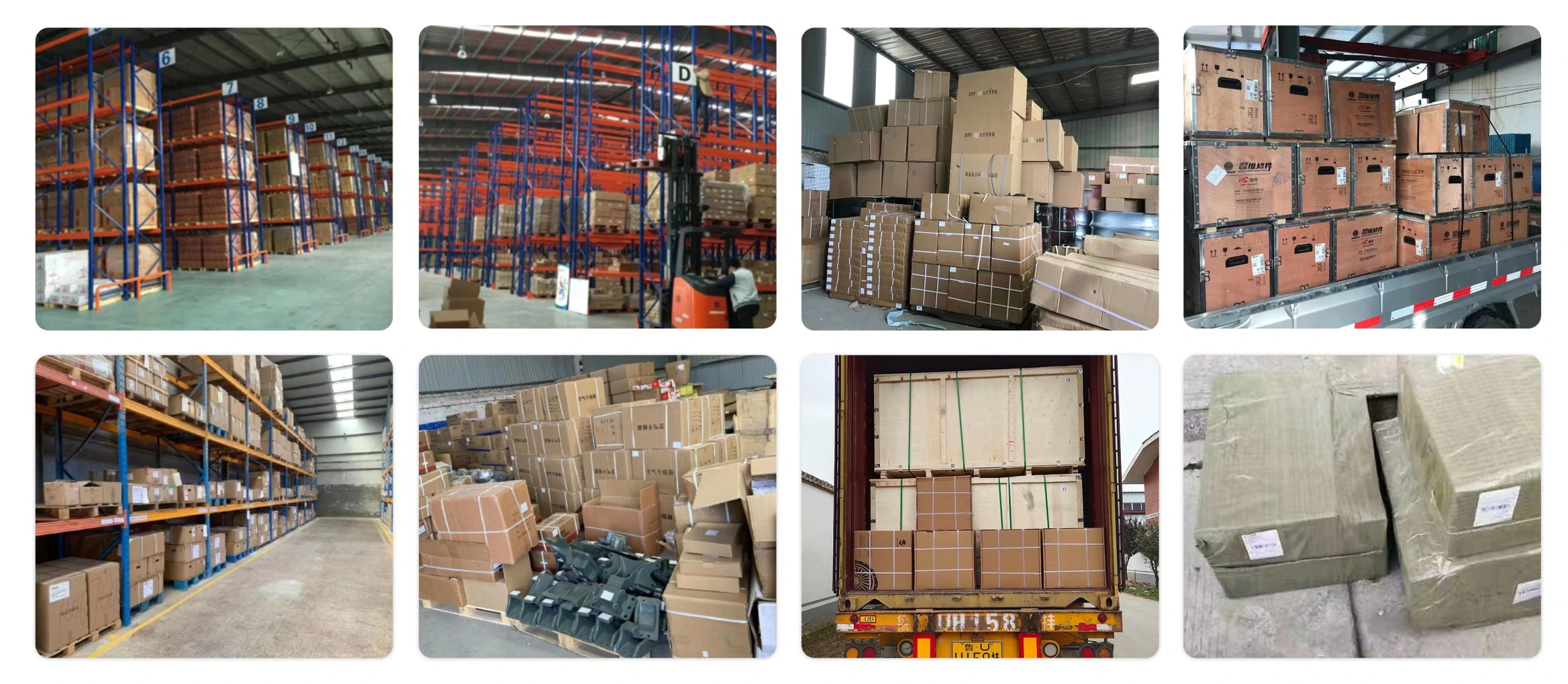
Embalagem e Logística
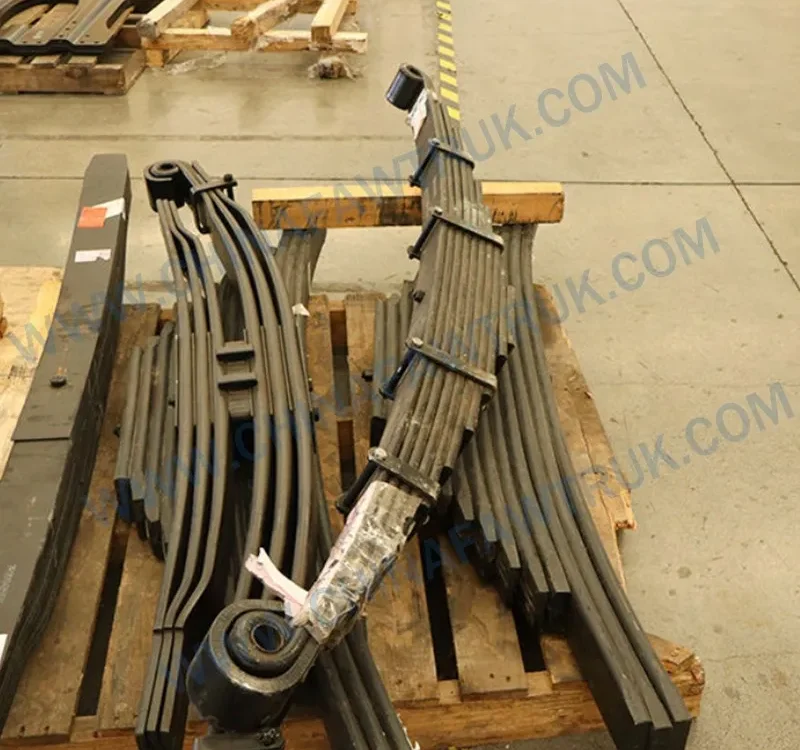
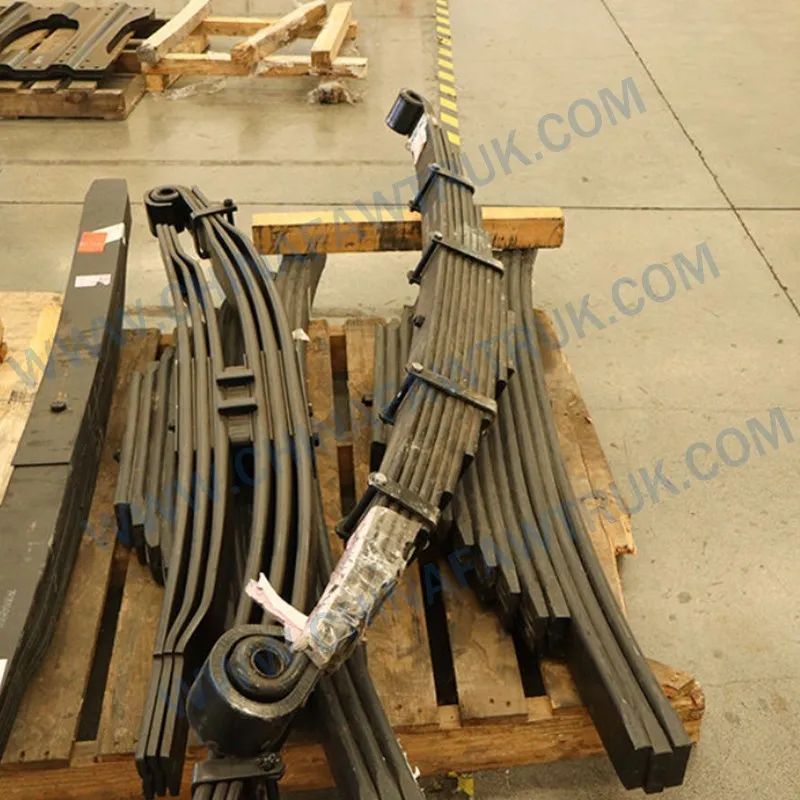
Peças FAW, incluindo o conjunto do bloco de cilindros, são embalados com cuidado para garantir uma entrega segura. Cada componente é protegido por materiais de proteção para evitar danos durante o transporte. A rede logística garante envios pontuais em todo o mundo, apoiando operações de manutenção eficientes. Abaixo está uma imagem ilustrando a embalagem padrão para peças de caminhão FAW, mostrando a atenção aos detalhes no manuseio e armazenamento.
Esta abordagem de embalagem minimiza o risco de corrosão ou danos por impacto, garantindo que peças como o conjunto do bloco de cilindros FAW cheguem em perfeitas condições. Os clientes podem confiar na logística da FAW para obter qualidade e confiabilidade consistentes.