FAW Russian Fan Guard Assembly: Optimizing 2 Strategic Components for Superior Arctic Airflow Control
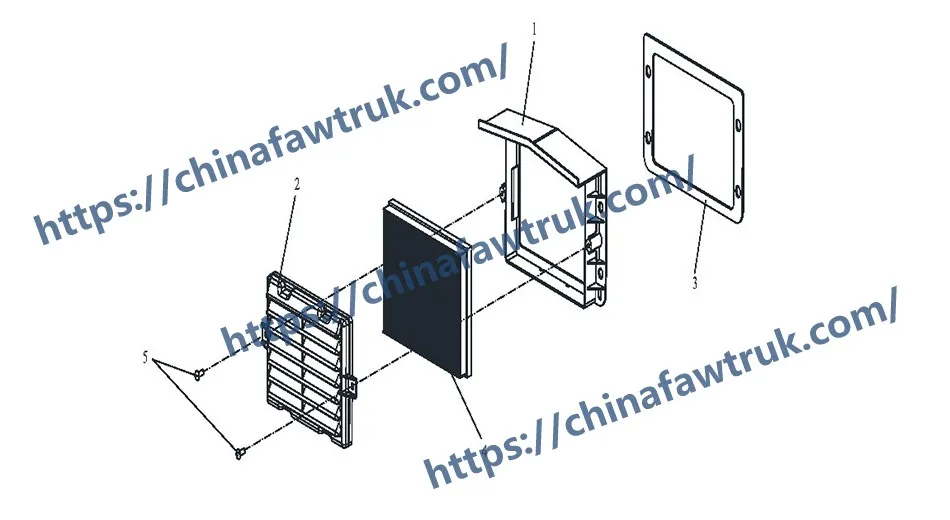
The FAW Russian Fan Guard Assembly serves as the aerodynamic cowling for the CA3250P66K24L1TE5Z dump truck’s cooling stack. More than a simple safety cover, this component defines the suction efficiency of the cooling fan. In the dense, freezing air of the Russian winter, this assembly ensures that airflow is channeled precisely through the radiator core, preventing recirculation and thermal instability. This guide analyzes the engineering behind the shroud and its fastening logic.

FAW Russian Fan Guard Assembly
Tunneling Logic: Maximizing Static Pressure
The primary function of the FAW Russian Fan Guard Assembly is to create a sealed low-pressure zone behind the radiator. Without this shroud, a cooling fan acts as a mixer, churning air around the tips of the blades rather than pulling it through the heat exchanger. This phenomenon, known as tip recirculation, drastically reduces cooling efficiency. In the heavy-duty context of the J6P truck, maintaining high static pressure is essential because the “cooling stack” is thick, consisting of the AC condenser, the intercooler, and the radiator layered together.
The Fan Guard Assembly (Part No. 1309010-76A) is engineered with a specific Venturi profile. This geometry accelerates the air as it approaches the fan blades, smoothing the flow and reducing turbulence. By minimizing the gap between the fan blade tips and the shroud wall (tip clearance), the FAW Russian Fan Guard Assembly ensures that every revolution of the fan contributes to useful work. This efficiency is critical in the Russian market, where parasitic engine load must be minimized to conserve fuel during long-haul operations across the tundra.
Furthermore, the shroud acts as a plenum chamber. It allows the circular suction pattern of the fan to cover the rectangular surface area of the radiator core evenly. Without the FAW Russian Fan Guard Assembly, only the circular area directly in front of the fan would receive airflow, leaving the corners of the radiator “dead” and thermally inefficient. By ensuring 100% core utilization, the assembly guarantees that the engine remains within its optimal thermal operating window, preventing the dangerous hotspots that lead to cylinder liner distortion.
Polymer Engineering: Resisting Cold Embrittlement
The material composition of the FAW Russian Fan Guard Assembly is a direct response to the Siberian climate. Standard automotive plastics, such as basic Polypropylene (PP), undergo a glass transition at temperatures below -20°C. In this state, the material becomes brittle. A single stone kicked up from the road, or the vibration of the engine during a cold start, could shatter a standard shroud like glass. The shards from such a failure would be catastrophic, destroying the radiator core and the fan blades instantly.
To prevent this, the FAW Russian Fan Guard Assembly is molded from a high-grade, glass-fiber reinforced Nylon (PA66-GF) or a specially modified impact-resistant polymer. This material formulation retains its ductility and toughness even at -40°C. It can absorb the vibrational energy of the diesel engine without cracking at the mounting points. This resilience is a non-negotiable requirement for vehicles operating in the Russian Federation, where extreme cold soak conditions are the norm for months at a time.
Additionally, the polymer used in the FAW Russian Fan Guard Assembly must resist high heat. Located inches from the exhaust manifold and the turbocharger, the shroud is subjected to radiant temperatures exceeding 100°C. The material must remain dimensionally stable; if it were to warp due to heat, it could contact the spinning fan blades. The FAW specification ensures that the shroud maintains its shape and tip clearance regardless of the thermal cycling it endures, providing a failsafe barrier between the rotating machinery and the static cooling components.
Operational Safety: The Containment Barrier
Beyond aerodynamics, the FAW Russian Fan Guard Assembly serves as a critical safety device. A heavy-duty cooling fan spinning at 2,000 RPM stores immense kinetic energy. In the event of a fan clutch failure or a blade separation (often caused by foreign object damage), the shroud acts as a primary containment ring. The reinforced structure of the FAW Russian Fan Guard Assembly is designed to absorb the energy of a detached blade, preventing it from piercing the engine hood or injuring maintenance personnel working nearby.
This “Guard” function also works in reverse. In the off-road mining environments where the CA3250P66K24L1TE5Z operates, debris is constant. The shroud helps deflect rocks, branches, and ice chunks away from the fan path. Without the FAW Russian Fan Guard Assembly, these objects could be drawn into the blades, causing immediate destruction. The integrated ribbing structure provides the necessary stiffness to deflect impacts without collapsing into the fan path itself.
For mechanics, the shroud defines the “safe zone” of the engine bay. It visually and physically separates the high-speed rotating assembly from the static maintenance areas. The bilingual warning labels often found on the FAW Russian Fan Guard Assembly reinforce this boundary. Maintaining the integrity of this component is essential for workplace safety compliance, ensuring that routine checks can be performed without undue risk of injury from exposed rotating parts.
Fastening Dynamics: The Combination Bolt
The entire assembly is secured to the radiator frame using 8 units of the Combination Bolt (Part No. CQ1460820). In the engineering logic of the FAW Russian Fan Guard Assembly, these are not generic fasteners. A “Combination Bolt” features a pre-assembled, captive washer (often a flat washer paired with a split lock washer). This design is chosen specifically for its maintenance advantages in harsh environments.
In a snowy Russian mine, dropping a loose washer during a field repair usually means it is lost forever. Captive washers eliminate this risk, ensuring that the shroud is always re-installed with the correct load-spreading hardware. The washer is essential because the shroud is made of plastic; a standard bolt head would dig into the soft material, creating stress risers that lead to cracking. The broad face of the combination washer distributes the clamping load of the FAW Russian Fan Guard Assembly evenly.
Furthermore, these bolts are subjected to constant high-frequency vibration from the radiator frame. The integrated lock washer prevents the bolt from backing out. The specific metallurgy of the CQ1460820 bolt includes a zinc-flake or phosphate coating to resist the aggressive corrosion caused by road salts. Using rusty or incorrect bolts on the FAW Russian Fan Guard Assembly can lead to seized fasteners, making future radiator removal a costly and destructive process.
Component Breakdown: 95. Fan Guard Logic Assembly
| No. |
Part Number |
Part Name |
Qty |
| 1 |
1309010-76A |
Fan Guard Assembly |
1 |
| 2 |
CQ1460820 |
Combination Bolt |
8 |
Conclusion: The Unsung Hero of Cooling
The FAW Russian Fan Guard Assembly is far more than a piece of molded plastic; it is an essential component of the vehicle’s thermal management logic. By organizing airflow, protecting critical hardware, and ensuring safety, it enables the high-performance cooling system to function in the most hostile environments on earth. Its robust construction and specialized fasteners reflect the deep engineering commitment behind the FAW J6P platform.
For fleet owners, ensuring that this guard is intact and securely fastened is a simple yet vital maintenance task. A cracked or missing shroud immediately reduces cooling efficiency and increases the risk of catastrophic fan failure. By investing in the genuine FAW Russian Fan Guard Assembly and its specific combination bolts, operators guarantee that their trucks remain cool, safe, and productive, regardless of how low the thermometer drops in the Russian winter.
Packaging and Logistics
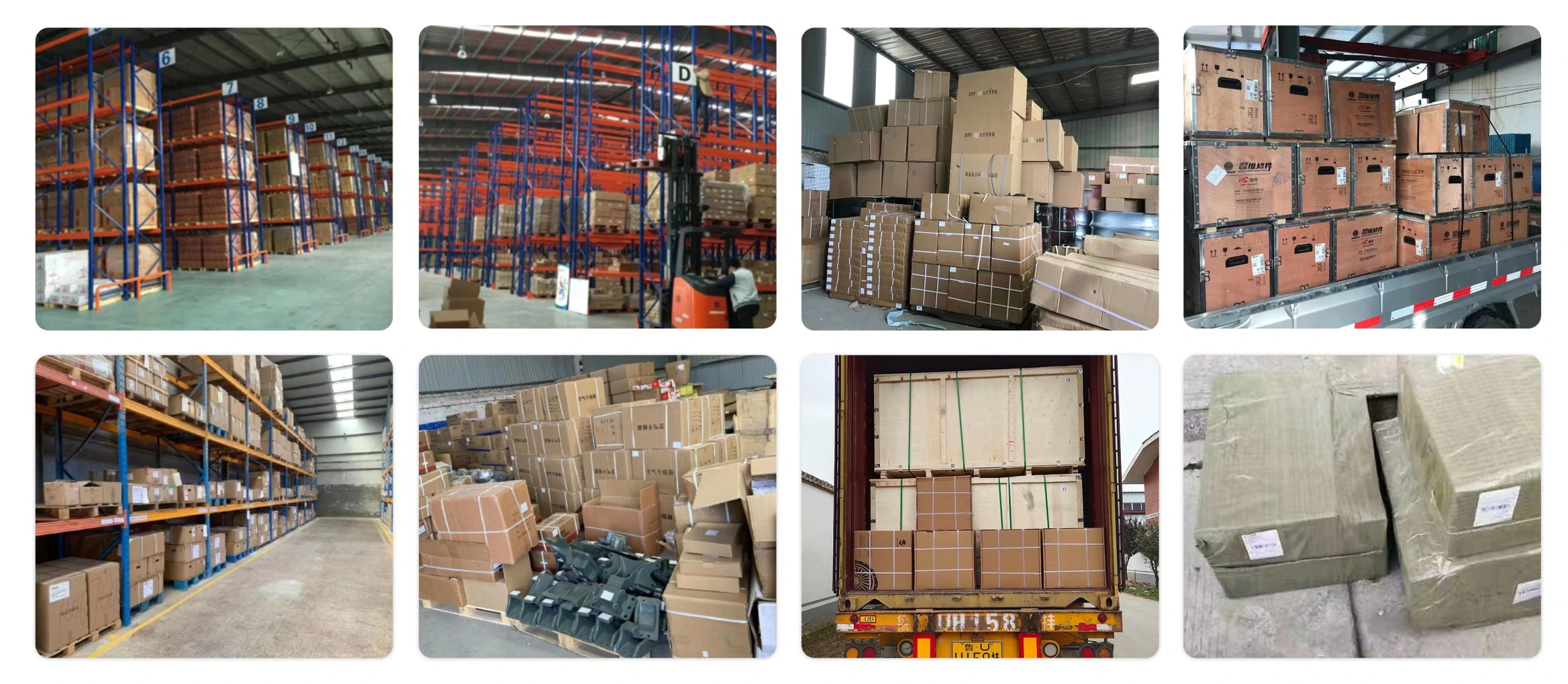
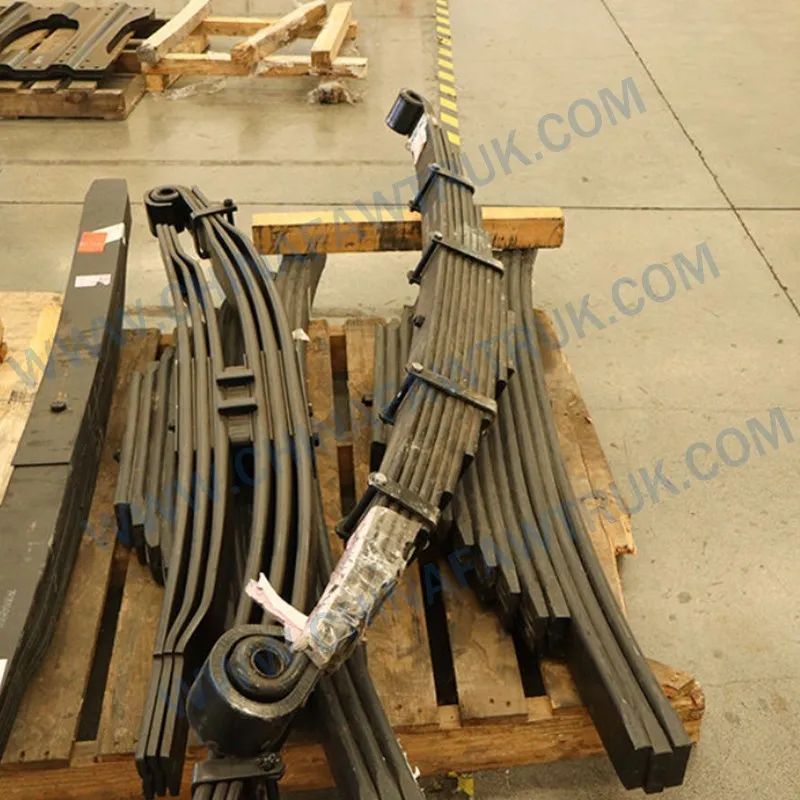
FAW parts, including the Cylinder Block Assembly, are packaged with care to ensure safe delivery. Each component is secured in protective materials to prevent damage during transit. The logistics network guarantees timely shipments worldwide, supporting efficient maintenance operations. Below is an image illustrating the standard packaging for FAW truck parts, showcasing the attention to detail in handling and storage.
This packaging approach minimizes the risk of corrosion or impact damage, ensuring that parts like the FAW Cylinder Block Assembly arrive in perfect condition. Customers can rely on FAW’s logistics for consistent quality and reliability.