FAW Russian Curtains And Screens: Deploying 5 Essential Barriers for Uncompromised Cooling System Defense
The FAW Russian Curtains And Screens logic assembly acts as the frontline shield for the CA3250P66K24L1TE5Z dump truck. Positioned ahead of the delicate radiator fins, this system filters out the destructive debris typical of Siberian mining operations. From frozen slush to abrasive rock dust, this assembly ensures that the cooling stack maintains optimal airflow without sustaining physical damage in -40°C environments.
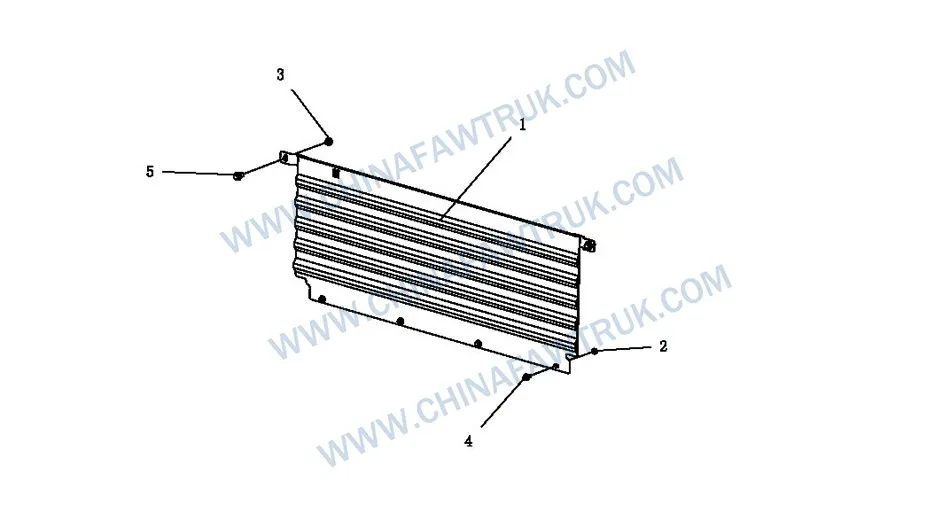
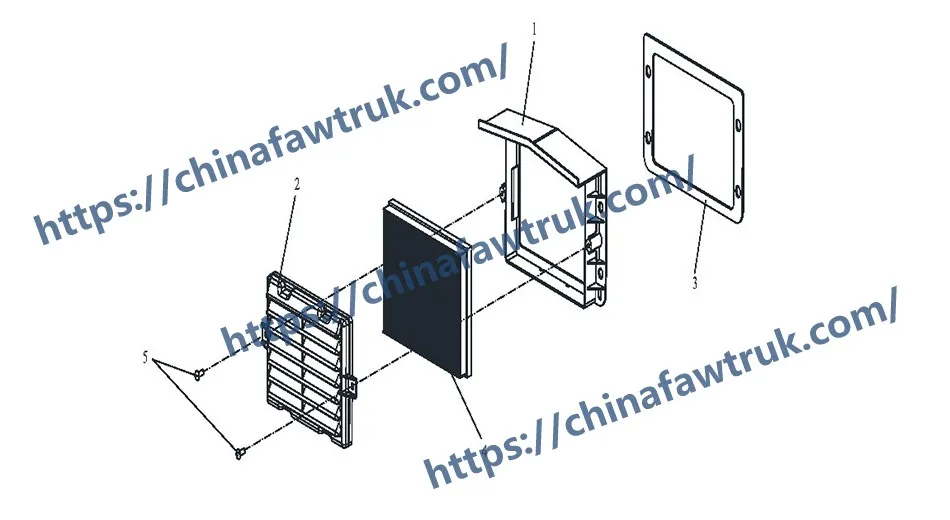
FAW Russian Curtains And Screens Assembly
Defense Dynamics: The Screen Assembly
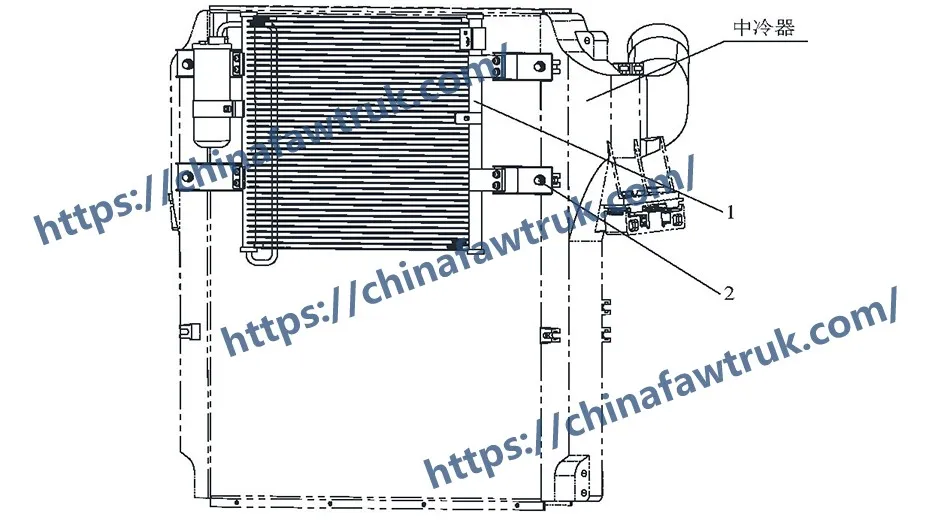
At the heart of the FAW Russian Curtains And Screens system lies the Screen Assembly (Part No. 1310050-90U). This component is not merely a cosmetic grille; it is a calibrated filtration device designed to protect the cooling module. In the Russian Arctic, heavy trucks often follow one another on unpaved service roads made of crushed rock and ice. The leading vehicles kick up a spray of abrasive slurry and high-velocity stones. Without the intervention of the FAW Russian Curtains And Screens, these projectiles would impact directly onto the aluminum fins of the radiator and intercooler.
The Screen Assembly functions by intercepting these threats. Its mesh density is engineered to a specific porosity. It must be tight enough to stop stones that are large enough to bend cooling fins, yet open enough not to restrict the airflow required by the engine fan. If the screen is too dense, it acts like a solid wall, causing the engine to overheat. If it is too open, it fails to protect. The FAW Russian Curtains And Screens achieves this balance perfectly, allowing air to pass while capturing damaging debris.
Furthermore, this assembly plays a role in “winter front” logic. In extreme cold (-40°C), preventing the engine from overcooling is as important as preventing overheating. While primarily a debris shield, the FAW Russian Curtains And Screens creates a slight buffer zone of stagnant air ahead of the radiator. This assists in stabilizing the thermal gradient across the cooling stack during initial warm-up, preventing the thermal shock that occurs when freezing air blasts directly onto hot metal components.
Material Science: Resisting Embrittlement
The construction of the FAW Russian Curtains And Screens utilizes materials specifically selected for the Siberian climate. Standard plastic or low-grade steel screens suffer from cold embrittlement. At -40°C, a standard polymer mesh becomes as brittle as glass; a single rock impact would shatter it, sending plastic shards into the radiator it was meant to protect. The FAW Russian Curtains And Screens assembly employs high-ductility polymers or corrosion-resistant coated steel wire that retains flexibility even in the deep freeze.
Corrosion resistance is equally vital. Russian highways are treated with aggressive de-icing salts and chemical grit to maintain traction. This creates a corrosive mist that coats the front of the vehicle. The Screen Assembly acts as the first contact point for this corrosive slurry. To ensure longevity, the FAW Russian Curtains And Screens components are treated with advanced electrostatic powder coatings or zinc-flake plating. This prevents rust from compromising the structural integrity of the mesh, ensuring it remains strong enough to deflect rocks year after year.
The frame of the screen is designed to resist vibration fatigue. A dump truck chassis twists and vibrates constantly. A rigid frame would crack at the mounting points. The FAW Russian Curtains And Screens design incorporates flexible mounting tabs or a compliant frame structure that absorbs these vibrations. This ensures that the screen remains securely attached to the vehicle, maintaining its protective position without rattling or working loose over rough terrain.
Fastening Dynamics: Nuts and Vibration
The security of the FAW Russian Curtains And Screens depends on its fastening hardware. The assembly utilizes distinct sizes of nuts: Hexagon Nut (Part No. CQ34006) and Hexagon Nut (Part No. CQ34008). The use of different sizes (M6 and M8) indicates specific load requirements for different mounting points. Smaller nuts are likely used for securing the mesh to its frame, while larger nuts secure the frame to the chassis. This differentiated logic ensures that clamping forces are appropriate for the materials being joined.
In the context of the FAW Russian Curtains And Screens, these nuts are not generic hardware. They are manufactured to tight tolerance standards to ensure consistent thread engagement. In a high-vibration environment, a loose thread fit leads to self-loosening. Once a nut backs off, the screen begins to rattle. This vibration causes abrasion against the radiator tanks, eventually wearing a hole through the aluminum and causing a coolant leak.
Therefore, the integrity of the FAW Russian Curtains And Screens relies on these nuts maintaining torque. They are often paired with thread-locking compounds or designed with specific metallurgical properties to match the thermal expansion of the bolts they secure. This attention to detail prevents the “cold flow” loosening that can occur when metal fasteners contract in extreme winter temperatures, ensuring the screen stays firmly in place.
Anchoring Strength: Flange Bolt Architecture
To anchor the assembly, the FAW Russian Curtains And Screens system uses Hexagon Flange Bolt Coarse Shank (Part No. Q1840612) and Hexagon Flange Bolt Coarse Shank (Part No. Q1840816). The selection of flange bolts is a deliberate engineering choice for this application. The integrated flange at the base of the hex head acts as a built-in washer. This increases the surface area in contact with the screen frame, distributing the clamping load over a wider zone.
This load distribution is critical for the FAW Russian Curtains And Screens because the screen frame is often made of thinner stamped metal or plastic. A standard bolt head would dig into the material, creating stress risers and potential cracking points. The flange bolt eliminates this risk. Furthermore, the “Coarse Shank” designation refers to the thread pitch. Coarse threads are deeper and more robust than fine threads, making them less susceptible to stripping during installation or cross-threading in difficult field conditions.
In the snowy, muddy conditions of a Russian mine, maintenance is often performed under less-than-ideal circumstances. The robust nature of these bolts ensures that the FAW Russian Curtains And Screens can be removed for radiator cleaning and reinstalled multiple times without thread failure. The bolts are also treated to resist seizing from rust, ensuring that the screen can always be removed when necessary to access the cooling system for service.
Component Breakdown: 96. Curtains and Screens Logic Assembly
| No. |
Part Number |
Part Name |
Qty |
| 1 |
1310050-90U |
Screen Assembly |
1 |
| 2 |
CQ34006 |
Hexagon Nut |
4 |
| 3 |
CQ34008 |
Hexagon Nut |
2 |
| 4 |
Q1840612 |
Hexagon Flange Bolt Coarse Shank (Standard) |
4 |
| 5 |
Q1840816 |
Hexagon Flange Bolt Coarse Shank (Standard) |
2 |
Conclusion: The First Line of Defense
The FAW Russian Curtains And Screens assembly is the unsung hero of the cooling system. While simple in appearance, its role in filtering out the hostile environment of a Russian mine is absolute. By sacrificing itself to block rocks, ice, and debris, it ensures that the expensive and critical radiator remains pristine and functional.
For fleet managers, the FAW Russian Curtains And Screens is a primary inspection item. A damaged screen is a warning sign; a missing screen is an invitation to disaster. Ensuring that this barrier is intact and securely fastened with the correct flange bolts and nuts is the most cost-effective preventative maintenance measure available. Investing in this genuine protective assembly safeguards the entire thermal management system of the CA3250P66K24L1TE5Z.
Packaging and Logistics
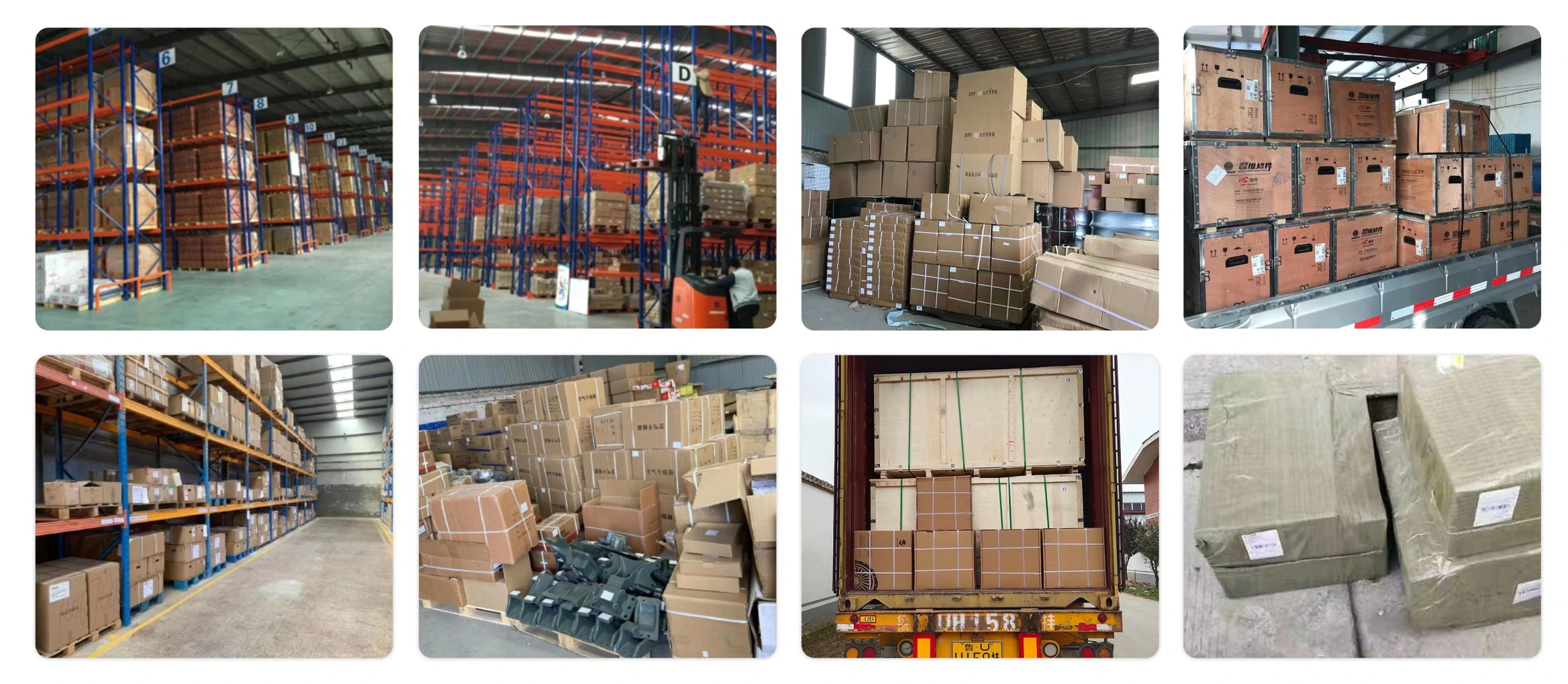
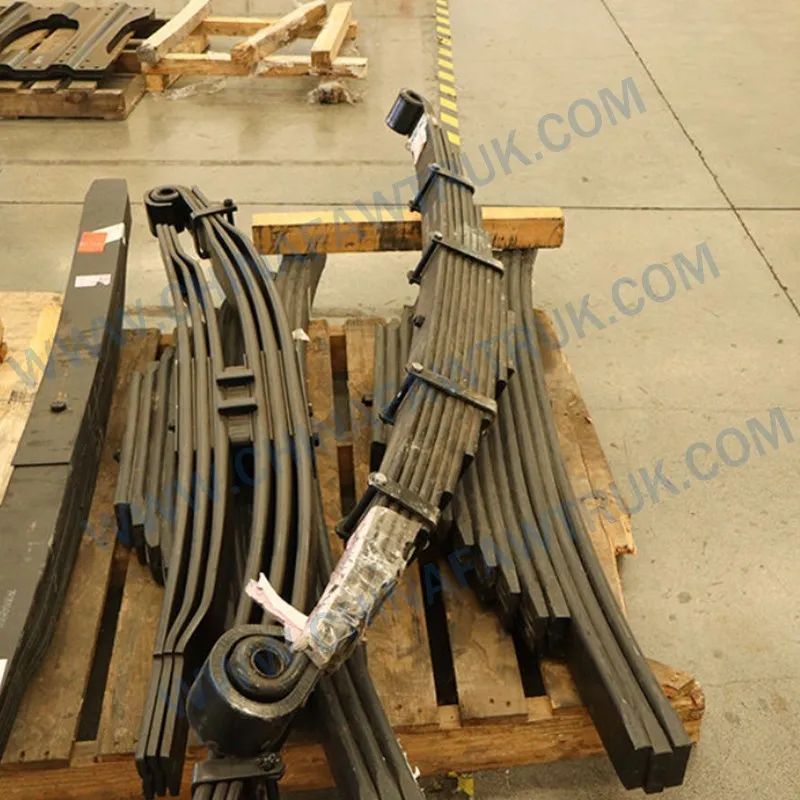
FAW parts, including the Cylinder Block Assembly, are packaged with care to ensure safe delivery. Each component is secured in protective materials to prevent damage during transit. The logistics network guarantees timely shipments worldwide, supporting efficient maintenance operations. Below is an image illustrating the standard packaging for FAW truck parts, showcasing the attention to detail in handling and storage.
This packaging approach minimizes the risk of corrosion or impact damage, ensuring that parts like the FAW Cylinder Block Assembly arrive in perfect condition. Customers can rely on FAW’s logistics for consistent quality and reliability.