FAW Russian Air Horn Assembly: Amplifying 4 Strategic Components for Maximum Sonic Safety
The FAW Russian Air Horn assembly is the primary auditory warning system for the CA3250P66K24L1TE5Z dump truck, designed to cut through the deafening ambient noise of active mining sites and construction zones. In the vast, open expanses of the Russian Federation, visual signals can often be obscured by dust, snow, or fog. In these critical moments, the FAW Russian Air Horn serves as the fail-safe communication tool, alerting personnel and other vehicle operators of the truck’s presence. Engineered with cold-resistant diaphragms and heavy-duty mounting hardware, this assembly ensures reliable sonic performance even in temperatures plummeting to -50°C.

FAW Russian Air Horn
| No. |
Part Number |
Part Name |
Qty |
| 1 | 3721115-116 | Air Horn Assembly | 1 |
| 2 | CQ1500620 | Hexagon Head Bolt | 2 |
| 3 | Q40306 | Spring Washer | 2 |
| 4 | Q40106 | Washer | 2 |
Acoustic Power and Frequency Engineering
The core function of the FAW Russian Air Horn is to generate a sound pressure level (SPL) sufficient to overcome the high decibel environment of a working diesel powertrain and external site noise. The Air Horn Assembly (Part No. 3721115-116) is designed with a dual-tone or single-tone trumpet tuned to a specific frequency range that penetrates the human ear’s most sensitive bandwidth. In the context of the J6P dump truck, this horn connects directly to the vehicle’s secondary air circuit, utilizing compressed air at 8-10 bar to vibrate a specialized internal diaphragm.
The “116” suffix in the Air Horn Assembly part number indicates a specific calibration for the Russian market. In extreme cold, air density increases, which can alter the resonant frequency of standard horn trumpets, leading to a muffled or “squeaky” sound. The FAW Russian Air Horn utilizes a trumpet geometry and diaphragm material that compensates for these density changes, ensuring a clear, authoritative blast regardless of whether it is +30°C or -40°C. This consistency is vital for safety; a weak horn is effectively useless when a 30-ton truck is reversing in a blizzard.
The acoustic chamber of the FAW Russian Air Horn is constructed from corrosion-resistant materials, often zinc alloy or chrome-plated steel, to withstand the moisture inherent in compressed air systems. Even with air dryers, some condensation can reach the horn valve. If the internal components rust, the valve may stick open (draining the air tanks) or closed (failing to sound). The FAW Russian Air Horn design includes drainage protocols and corrosion-resistant coatings to prevent these failure modes, ensuring the device remains operational for the life of the vehicle.
Mounting Logic: Securing the Sound
Mounting a vibrating component like an air horn on the roof or chassis of a heavy-duty truck requires a robust fastening strategy. The FAW Russian Air Horn is secured using two high-tensile Hexagon Head Bolt units (Part No. CQ1500620). These bolts provide the shear strength necessary to hold the horn in place against the wind load of highway driving and the G-forces of off-road articulation. A loose horn not only poses a safety risk if it falls off but can also rattle against the cab, creating noise that fatigues the driver.
The integrity of the FAW Russian Air Horn mounting is further guaranteed by the Spring Washer (Part No. Q40306). In the high-vibration environment of a diesel truck, threaded fasteners have a natural tendency to back out over time. The spring washer acts as a tensioning device, maintaining axial load on the bolt threads even as the mounting bracket expands and contracts with thermal cycles. This prevents the Hexagon Head Bolt from loosening, ensuring the horn remains rigidly attached to the vehicle structure.
To protect the mounting surface—typically the painted sheet metal of the cab roof or a bracket—the assembly utilizes a flat Washer (Part No. Q40106). This washer distributes the clamping force of the bolt head over a wider area, preventing the bolt from digging into the metal or cracking the horn’s mounting base. In the FAW Russian Air Horn installation, this washer also serves as a barrier against galvanic corrosion, separating the bolt head from the base material and preserving the paint finish which protects against rust.
Cold Weather Resilience and Material Science
The FAW Russian Air Horn is subjected to some of the harshest conditions on the planet. Mounted externally, it faces direct exposure to freezing rain, road salt spray, and abrasive mining dust. The Air Horn Assembly features a weather-sealed solenoid valve (if electric-pneumatic) or a manual lanyard valve designed to resist freezing. Internal icing is a major threat; if moisture freezes inside the trumpet, the horn will be silent. The FAW design often orients the trumpet slightly downwards to allow gravity to drain any accumulated water or melted snow.
The fasteners used in the FAW Russian Air Horn kit, including the Hexagon Head Bolt and Spring Washer, are treated with a zinc-nickel or dacromet coating. This surface treatment provides superior salt-spray resistance compared to standard zinc plating. In the corrosive environment of a Russian winter, where roads are heavily salted, standard bolts would rust solid in a single season, making replacement of the Air Horn Assembly impossible without drilling. The high-grade hardware ensures that the system remains serviceable for years.
The diaphragm within the Air Horn Assembly is the most critical moving part. It vibrates hundreds of times per second to produce sound. Standard rubber or plastic diaphragms can become brittle and crack at -40°C. The FAW Russian Air Horn utilizes a specialized synthetic membrane or thin metal disc that retains its elasticity and fatigue resistance in cryogenic temperatures. This material science ensures that the horn responds instantly when the driver pulls the cord or presses the button, providing the split-second warning needed to avert accidents.
Maintenance and Operational Checks
Routine maintenance of the FAW Russian Air Horn is simple but vital. Operators should test the horn daily as part of the pre-start check. A weak or muffled sound often indicates debris blockage in the trumpet or water accumulation. Cleaning the trumpet opening of mud, snow, or insect nests is the first step in restoring performance. If the horn sounds weak despite being clean, check for air leaks at the connection to the Air Horn Assembly.
The mounting hardware must also be inspected. A loose Hexagon Head Bolt can lead to the horn vibrating against the cab roof, causing paint damage and rust points. Mechanics should verify the torque on these bolts and ensure the Spring Washer is still under tension. If a washer has flattened out completely, it has lost its spring temper and should be replaced to ensure the FAW Russian Air Horn remains secure.
Finally, the pneumatic supply line feeding the Air Horn Assembly should be checked for chafing and brittleness. A ruptured air line not only disables the horn but creates a leak in the auxiliary air circuit, which can affect other vehicle systems. By maintaining the integrity of the FAW Russian Air Horn and its simple but critical fasteners—the Washer, Spring Washer, and Hexagon Head Bolt—fleet operators ensure that this vital safety device is always ready to perform its duty.
Conclusion: The Sound of Safety
The FAW Russian Air Horn assembly is a focused, high-impact safety system comprising just 4 essential component types. Despite its simplicity, its role in preventing accidents on busy, noisy worksites is irreplaceable. The robust Air Horn Assembly coupled with high-grade fastening hardware like the Hexagon Head Bolt and Spring Washer creates a unit that withstands the rigors of the Russian environment.
For fleet maintenance teams, the message is clear: do not overlook the horn. Ensure it is securely mounted, clean, and functionally loud. Using genuine FAW replacement parts for the FAW Russian Air Horn ensures that the acoustic signature remains compliant with regulations and effective in the field, protecting both the driver and those working around the vehicle.
Packaging and Logistics
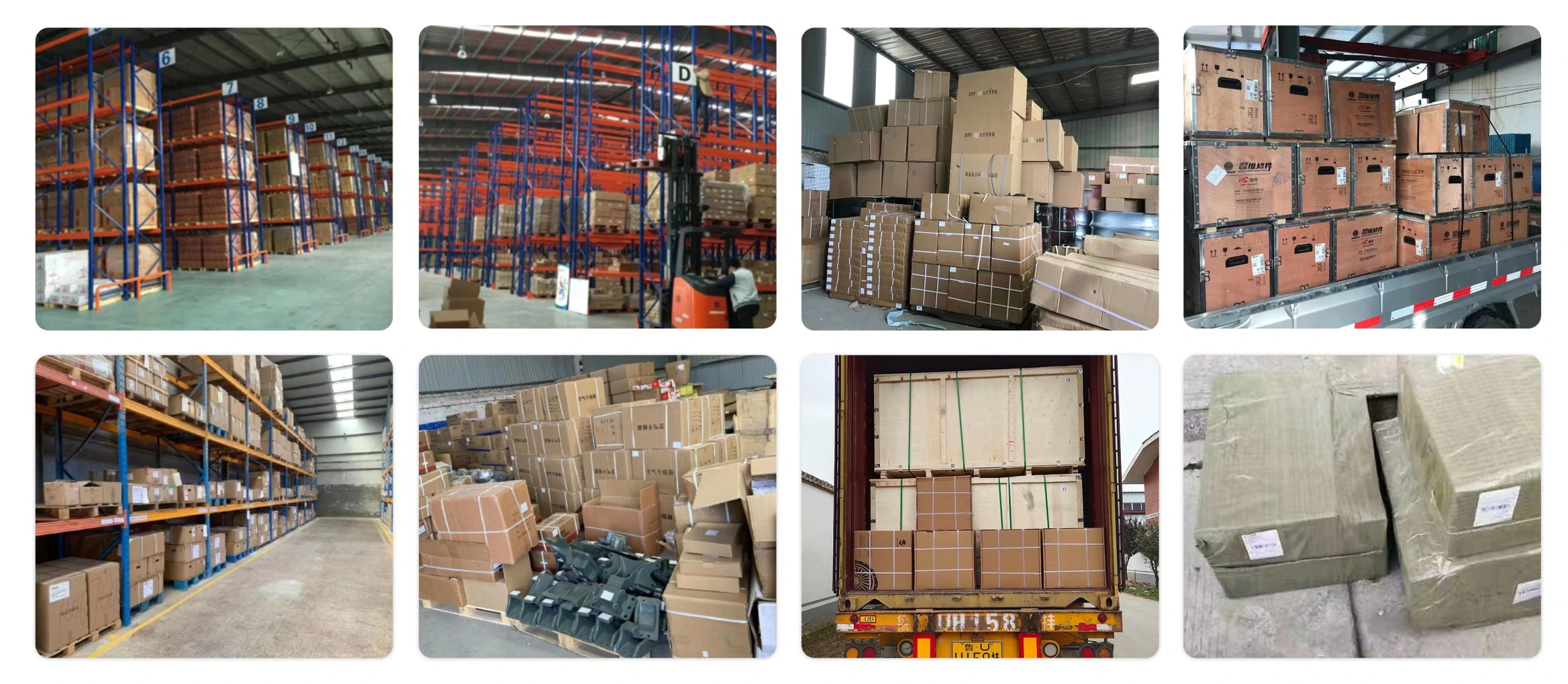
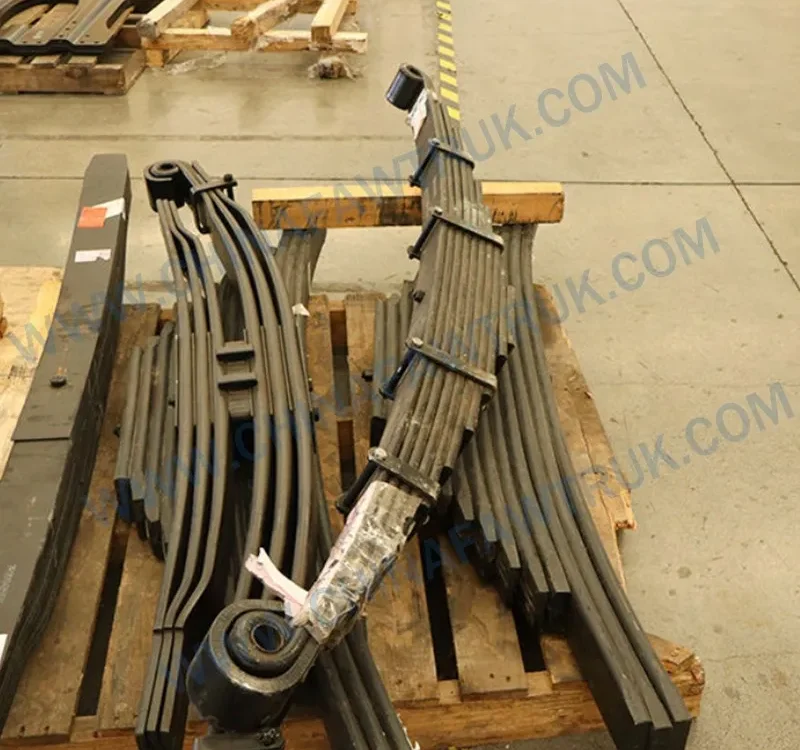
FAW parts, including the Cylinder Block Assembly, are packaged with care to ensure safe delivery. Each component is secured in protective materials to prevent damage during transit. The logistics network guarantees timely shipments worldwide, supporting efficient maintenance operations. Below is an image illustrating the standard packaging for FAW truck parts, showcasing the attention to detail in handling and storage.
This packaging approach minimizes the risk of corrosion or impact damage, ensuring that parts like the FAW Cylinder Block Assembly arrive in perfect condition. Customers can rely on FAW’s logistics for consistent quality and reliability.