Conjunto de bocina de aire rusa FAW: amplificando 4 Componentes estratégicos para una máxima seguridad sónica
El Bocina de aire rusa FAW El conjunto es el principal sistema de advertencia auditiva para el camión volquete CA3250P66K24L1TE5Z., Diseñado para eliminar el ruido ambiental ensordecedor de los sitios mineros activos y las zonas de construcción.. en el vasto, extensiones abiertas de la Federación de Rusia, Las señales visuales a menudo pueden quedar oscurecidas por el polvo., nieve, o niebla. En estos momentos críticos, el Bocina de aire rusa FAW Sirve como herramienta de comunicación a prueba de fallos., alertar al personal y a otros operadores de vehículos de la presencia del camión. Diseñado con diafragmas resistentes al frío y hardware de montaje de alta resistencia, Este conjunto garantiza un rendimiento sonoro fiable incluso en temperaturas que caen en picado hasta -50 °C..

Bocina de aire rusa FAW
| No. |
Número de pieza |
Nombre de la pieza |
Cantidad |
| 1 | 3721115-116 | Conjunto de la bocina | 1 |
| 2 | CQ1500620 | Perno de cabeza hexagonal | 2 |
| 3 | Q40306 | Arandela de resorte | 2 |
| 4 | Q40106 | Lavadora | 2 |
Ingeniería de frecuencia y potencia acústica
La función central del Bocina de aire rusa FAW es generar un nivel de presión sonora (SPL) suficiente para superar el ambiente de altos decibelios de un tren motriz diésel en funcionamiento y el ruido externo del sitio. El Conjunto de la bocina (Número de pieza. 3721115-116) está diseñado con una trompeta de dos tonos o de un solo tono sintonizada en un rango de frecuencia específico que penetra el ancho de banda más sensible del oído humano.. En el contexto del camión volquete J6P, Esta bocina se conecta directamente al circuito de aire secundario del vehículo., utilizando aire comprimido en 8-10 barra para hacer vibrar un diafragma interno especializado.
El “116” sufijo en el Conjunto de la bocina El número de pieza indica una calibración específica para el mercado ruso.. En frio extremo, la densidad del aire aumenta, que puede alterar la frecuencia de resonancia de las trompetas de trompeta estándar, provocando un sonido sordo o “chirriador” sonido. El Bocina de aire rusa FAW Utiliza una geometría de trompeta y un material de diafragma que compensa estos cambios de densidad., asegurando una clara, explosión autorizada independientemente de si es +30°C o -40°C. Esta coherencia es vital para la seguridad.; una bocina débil es efectivamente inútil cuando un camión de 30 toneladas da marcha atrás en una tormenta de nieve.
La cámara acústica del Bocina de aire rusa FAW está construido con materiales resistentes a la corrosión, a menudo aleación de zinc o acero cromado, para resistir la humedad inherente a los sistemas de aire comprimido. Incluso con secadores de aire, algo de condensación puede llegar a la válvula de la bocina. Si los componentes internos se oxidan, la válvula puede quedarse abierta (vaciar los tanques de aire) o cerrado (no sonar). El Bocina de aire rusa FAW El diseño incluye protocolos de drenaje y recubrimientos resistentes a la corrosión para prevenir estos modos de falla., Asegurar que el dispositivo permanezca operativo durante la vida útil del vehículo..
Lógica de montaje: Asegurar el sonido
Montar un componente vibratorio como una bocina de aire en el techo o el chasis de un camión pesado requiere una estrategia de sujeción sólida. El Bocina de aire rusa FAW se asegura usando dos de alta resistencia Perno de cabeza hexagonal unidades (Número de pieza. CQ1500620). Estos pernos proporcionan la resistencia al corte necesaria para mantener la bocina en su lugar contra la carga del viento de la conducción en carretera y las fuerzas G de la articulación todoterreno.. Una bocina suelta no sólo representa un riesgo para la seguridad si se cae, sino que también puede hacer ruido contra la cabina., Creando ruido que fatiga al conductor..
La integridad de la Bocina de aire rusa FAW El montaje está garantizado además por el Arandela de resorte (Número de pieza. Q40306). En el entorno de alta vibración de un camión diésel, Los sujetadores roscados tienen una tendencia natural a retroceder con el tiempo.. La arandela elástica actúa como dispositivo tensor., mantener la carga axial en las roscas de los pernos incluso cuando el soporte de montaje se expande y contrae con los ciclos térmicos. Esto evita que Perno de cabeza hexagonal de aflojarse, asegurar que la bocina permanezca rígidamente unida a la estructura del vehículo.
Para proteger la superficie de montaje (normalmente la chapa pintada del techo de la cabina o un soporte), el conjunto utiliza una superficie plana. Lavadora (Número de pieza. Q40106). Esta arandela distribuye la fuerza de sujeción de la cabeza del perno en un área más amplia., evitando que el perno se clave en el metal o agriete la base de montaje de la bocina. En el Bocina de aire rusa FAW instalación, Esta arandela también sirve como barrera contra la corrosión galvánica., Separar la cabeza del perno del material base y preservar el acabado de pintura que protege contra la oxidación..
Resiliencia al clima frío y ciencia de materiales
El Bocina de aire rusa FAW está sujeto a algunas de las condiciones más duras del planeta. Montado externamente, se enfrenta a la exposición directa a la lluvia helada, niebla salina en la carretera, y polvo abrasivo de minería. El Conjunto de la bocina Cuenta con una válvula solenoide sellada contra la intemperie. (si electrico-neumatico) o una válvula de cordón manual diseñada para resistir la congelación. La formación de hielo interna es una gran amenaza; si la humedad se congela dentro de la trompeta, la bocina se quedará en silencio. El diseño FAW a menudo orienta la trompeta ligeramente hacia abajo para permitir que la gravedad drene el agua acumulada o la nieve derretida..
Los sujetadores utilizados en el Bocina de aire rusa FAW equipo, incluyendo el Perno de cabeza hexagonal y Arandela de resorte, están tratados con un recubrimiento de zinc-níquel o dacromet. Este tratamiento de superficie proporciona una resistencia superior a la niebla salina en comparación con el revestimiento de zinc estándar.. En el ambiente corrosivo del invierno ruso, donde las carreteras están muy saladas, Los pernos estándar se oxidarían completamente en una sola temporada., haciendo reemplazo del Conjunto de la bocina imposible sin perforar. El hardware de alta calidad garantiza que el sistema siga siendo útil durante años..
El diafragma dentro del Conjunto de la bocina es la parte móvil más crítica. Vibra cientos de veces por segundo para producir sonido.. Los diafragmas estándar de goma o plástico pueden volverse quebradizos y agrietarse a -40°C. El Bocina de aire rusa FAW Utiliza una membrana sintética especializada o un disco metálico delgado que conserva su elasticidad y resistencia a la fatiga en temperaturas criogénicas.. Esta ciencia de los materiales garantiza que la bocina responda instantáneamente cuando el conductor tira del cable o presiona el botón., Proporcionar la advertencia de fracción de segundo necesaria para evitar accidentes..
Mantenimiento y controles operativos
Mantenimiento rutinario del Bocina de aire rusa FAW es simple pero vital. Los operadores deben probar la bocina diariamente como parte de la verificación previa al arranque.. Un sonido débil o apagado a menudo indica obstrucción de desechos en la trompeta o acumulación de agua.. Limpiar la apertura de la trompeta de barro, nieve, o nidos de insectos es el primer paso para restaurar el rendimiento. Si la bocina suena débil a pesar de estar limpia, Compruebe si hay fugas de aire en la conexión al Conjunto de la bocina.
También se deben inspeccionar los accesorios de montaje.. un suelto Perno de cabeza hexagonal puede provocar que la bocina vibre contra el techo de la cabina, causando daños en la pintura y puntos de óxido. Los mecánicos deben verificar el torque de estos pernos y asegurarse de que Arandela de resorte todavía está bajo tensión. Si una arandela se ha aplanado completamente, ha perdido su temperamento elástico y debe ser reemplazado para asegurar el Bocina de aire rusa FAW permanece seguro.
Finalmente, la línea de suministro neumático que alimenta el Conjunto de la bocina Se debe comprobar si hay rozaduras y fragilidad.. Una línea de aire rota no solo desactiva la bocina sino que crea una fuga en el circuito de aire auxiliar., que puede afectar a otros sistemas del vehículo. Al mantener la integridad de la Bocina de aire rusa FAW y sus sujetadores simples pero críticos: el Lavadora, Arandela de resorte, y Perno de cabeza hexagonal—Los operadores de flotas se aseguran de que este dispositivo de seguridad vital esté siempre listo para realizar su tarea..
Conclusión: El sonido de la seguridad
El Bocina de aire rusa FAW la asamblea es un enfoque, sistema de seguridad de alto impacto que comprende solo 4 tipos de componentes esenciales. A pesar de su sencillez, su papel en la prevención de accidentes en zonas concurridas, Los lugares de trabajo ruidosos son insustituibles.. el robusto Conjunto de la bocina junto con hardware de fijación de alta calidad como el Perno de cabeza hexagonal y Arandela de resorte crea una unidad que resiste los rigores del entorno ruso.
Para equipos de mantenimiento de flotas, el mensaje es claro: no pases por alto la bocina. Asegúrese de que esté montado de forma segura, limpio, y funcionalmente ruidoso. Utilizar piezas de repuesto originales FAW para el Bocina de aire rusa FAW garantiza que la firma acústica siga cumpliendo con las regulaciones y sea efectiva en el campo, Proteger tanto al conductor como a quienes trabajan alrededor del vehículo..
Embalaje y Logística
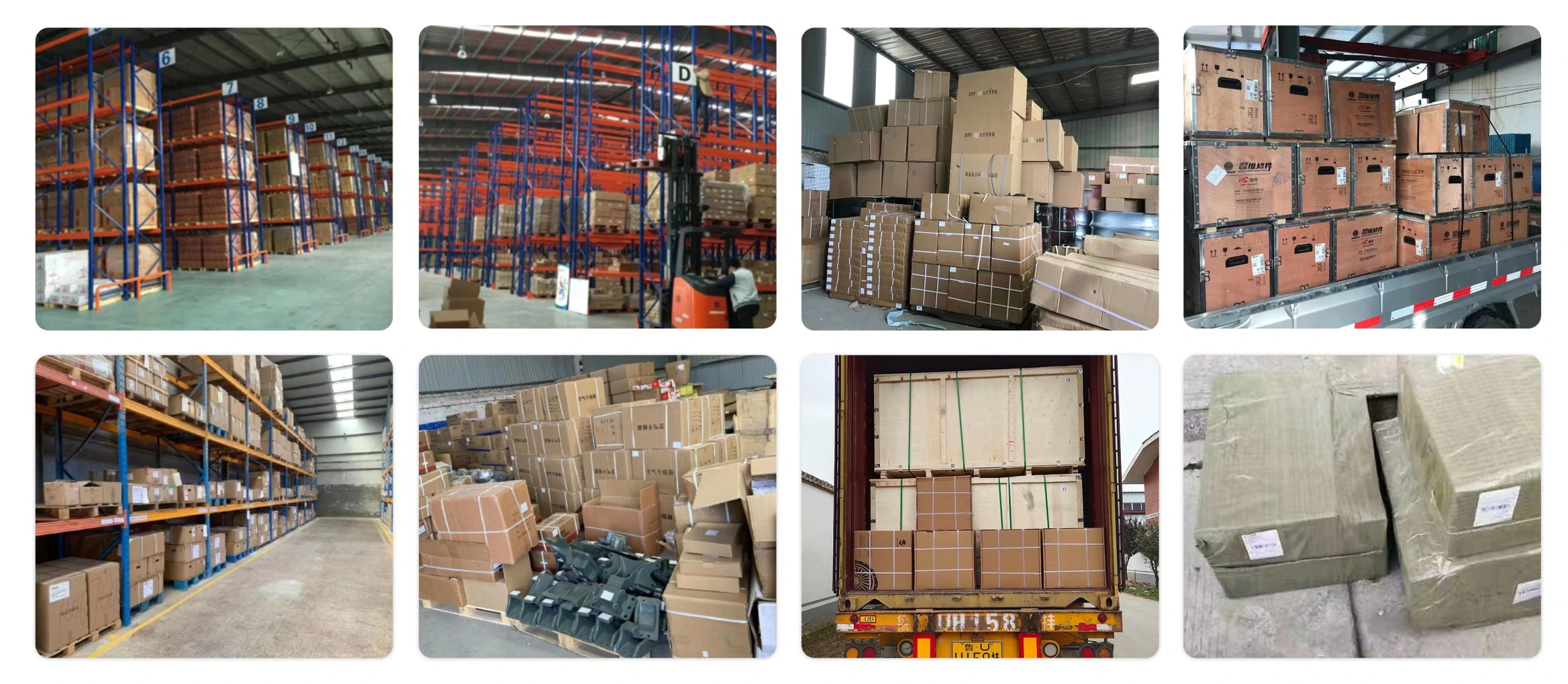
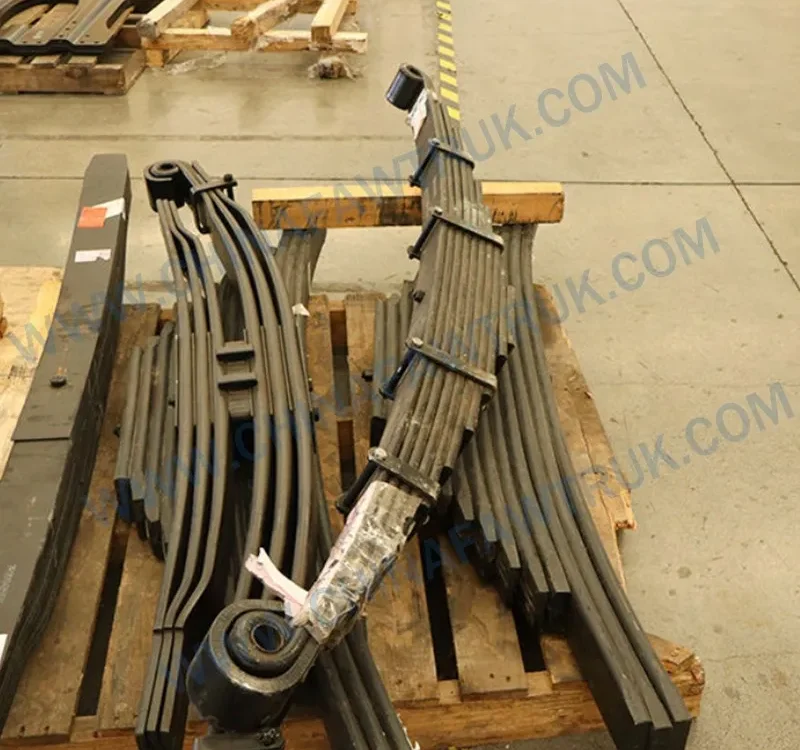
piezas FAW, incluido el conjunto del bloque de cilindros, Se empaquetan con cuidado para garantizar una entrega segura.. Cada componente está asegurado con materiales protectores para evitar daños durante el transporte.. La red logística garantiza envíos puntuales en todo el mundo., apoyando operaciones de mantenimiento eficientes. A continuación se muestra una imagen que ilustra el embalaje estándar de las piezas de camiones FAW., mostrando la atención al detalle en el manejo y almacenamiento.
Este enfoque de embalaje minimiza el riesgo de corrosión o daños por impacto., asegurando que piezas como el conjunto de bloque de cilindros FAW lleguen en perfectas condiciones. Los clientes pueden confiar en la logística de FAW para obtener calidad y confiabilidad constantes.