Conjunto de buzina aérea russa FAW: Amplificando 4 Componentes Estratégicos para Máxima Segurança Sônica
O Buzina Aérea Russa FAW a montagem é o principal sistema de alerta auditivo para o caminhão basculante CA3250P66K24L1TE5Z, projetado para eliminar o ruído ambiente ensurdecedor de locais de mineração ativos e zonas de construção. Na vasta, extensões abertas da Federação Russa, os sinais visuais muitas vezes podem ser obscurecidos pela poeira, neve, ou neblina. Nestes momentos críticos, o Buzina Aérea Russa FAW serve como uma ferramenta de comunicação à prova de falhas, alertando o pessoal e outros operadores de veículos sobre a presença do caminhão. Projetado com diafragmas resistentes ao frio e hardware de montagem resistente, este conjunto garante um desempenho sonoro confiável mesmo em temperaturas que chegam a -50°C.

Buzina Aérea Russa FAW
| Não. |
Número da peça |
Nome da peça |
Quantidade |
| 1 | 3721115-116 | Conjunto de buzina de ar | 1 |
| 2 | CQ1500620 | Parafuso de cabeça hexagonal | 2 |
| 3 | Q40306 | Arruela elástica | 2 |
| 4 | Q40106 | Máquina de lavar | 2 |
Engenharia de Potência Acústica e Frequência
A função central do Buzina Aérea Russa FAW é gerar um nível de pressão sonora (SPL) suficiente para superar o ambiente de altos decibéis de um trem de força diesel em funcionamento e o ruído externo do local. O Conjunto de buzina de ar (Parte não. 3721115-116) é projetado com uma trombeta de tom duplo ou de tom único sintonizada em uma faixa de frequência específica que penetra na largura de banda mais sensível do ouvido humano. No contexto do caminhão basculante J6P, esta buzina se conecta diretamente ao circuito de ar secundário do veículo, utilizando ar comprimido em 8-10 barra para vibrar um diafragma interno especializado.
O “116” sufixo no Conjunto de buzina de ar o número da peça indica uma calibração específica para o mercado russo. No frio extremo, a densidade do ar aumenta, que pode alterar a frequência ressonante de trombetas de trompa padrão, levando a um som abafado ou “estridente” som. O Buzina Aérea Russa FAW utiliza uma geometria de trompete e material de diafragma que compensa essas mudanças de densidade, garantindo uma clara, explosão oficial, independentemente de ser +30°C ou -40°C. Essa consistência é vital para a segurança; uma buzina fraca é efetivamente inútil quando um caminhão de 30 toneladas está dando ré em uma nevasca.
A câmara acústica do Buzina Aérea Russa FAW é construído com materiais resistentes à corrosão, geralmente liga de zinco ou aço cromado, para suportar a umidade inerente aos sistemas de ar comprimido. Mesmo com secadores de ar, alguma condensação pode atingir a válvula da buzina. Se os componentes internos enferrujarem, a válvula pode ficar aberta (drenando os tanques de ar) ou fechado (falhando em soar). O Buzina Aérea Russa FAW o projeto inclui protocolos de drenagem e revestimentos resistentes à corrosão para evitar esses modos de falha, garantindo que o dispositivo permaneça operacional durante a vida útil do veículo.
Lógica de montagem: Protegendo o som
A montagem de um componente vibratório, como uma buzina pneumática, no teto ou chassi de um caminhão pesado requer uma estratégia de fixação robusta. O Buzina Aérea Russa FAW é fixado usando dois de alta resistência Parafuso de cabeça hexagonal unidades (Parte não. CQ1500620). Esses parafusos fornecem a resistência ao cisalhamento necessária para manter a buzina no lugar contra a carga do vento na condução em rodovias e as forças G da articulação off-road. Uma buzina solta não só representa um risco à segurança se cair, mas também pode chocalhar contra a cabine, criando ruído que cansa o motorista.
A integridade do Buzina Aérea Russa FAW a montagem é ainda garantida pelo Arruela elástica (Parte não. Q40306). No ambiente de alta vibração de um caminhão a diesel, fixadores roscados têm uma tendência natural de recuar com o tempo. A arruela de pressão atua como um dispositivo tensor, mantendo a carga axial nas roscas dos parafusos mesmo quando o suporte de montagem se expande e contrai com ciclos térmicos. Isto impede o Parafuso de cabeça hexagonal de afrouxar, garantindo que a buzina permaneça rigidamente presa à estrutura do veículo.
Para proteger a superfície de montagem – normalmente a chapa metálica pintada do teto da cabine ou um suporte – a montagem utiliza um suporte plano Máquina de lavar (Parte não. Q40106). Esta arruela distribui a força de fixação da cabeça do parafuso por uma área mais ampla, evitando que o parafuso cave no metal ou quebre a base de montagem da buzina. No Buzina Aérea Russa FAW instalação, esta arruela também serve como barreira contra corrosão galvânica, separando a cabeça do parafuso do material base e preservando o acabamento da pintura que protege contra ferrugem.
Resiliência em climas frios e ciência de materiais
O Buzina Aérea Russa FAW está sujeito a algumas das condições mais adversas do planeta. Montado externamente, enfrenta exposição direta à chuva congelante, névoa salina na estrada, e pó de mineração abrasivo. O Conjunto de buzina de ar possui uma válvula solenóide à prova de intempéries (se eletrico-pneumático) ou uma válvula de corda manual projetada para resistir ao congelamento. O gelo interno é uma grande ameaça; se a umidade congelar dentro da trombeta, a buzina ficará em silêncio. O design FAW geralmente orienta a trombeta ligeiramente para baixo para permitir que a gravidade drene qualquer água acumulada ou neve derretida.
Os fixadores usados no Buzina Aérea Russa FAW conjunto, incluindo o Parafuso de cabeça hexagonal e Arruela elástica, são tratados com um revestimento de zinco-níquel ou dacromet. Este tratamento de superfície oferece resistência superior à névoa salina em comparação com o revestimento de zinco padrão. No ambiente corrosivo do inverno russo, onde as estradas são fortemente salgadas, parafusos padrão enferrujariam em uma única estação, fazendo a substituição do Conjunto de buzina de ar impossível sem perfuração. O hardware de alta qualidade garante que o sistema permaneça funcional por anos.
O diafragma dentro do Conjunto de buzina de ar é a parte móvel mais crítica. Ele vibra centenas de vezes por segundo para produzir som. Os diafragmas padrão de borracha ou plástico podem tornar-se quebradiços e rachar a -40°C. O Buzina Aérea Russa FAW utiliza uma membrana sintética especializada ou disco de metal fino que mantém sua elasticidade e resistência à fadiga em temperaturas criogênicas. Esta ciência dos materiais garante que a buzina responda instantaneamente quando o motorista puxa a corda ou pressiona o botão, fornecendo o aviso em frações de segundo necessário para evitar acidentes.
Manutenção e verificações operacionais
Manutenção de rotina do Buzina Aérea Russa FAW é simples, mas vital. Os operadores devem testar a buzina diariamente como parte da verificação pré-partida. Um som fraco ou abafado geralmente indica bloqueio de detritos na trombeta ou acúmulo de água. Limpando a abertura da trombeta da lama, neve, ou ninhos de insetos é o primeiro passo para restaurar o desempenho. Se a buzina soar fraca apesar de estar limpa, verifique se há vazamentos de ar na conexão ao Conjunto de buzina de ar.
O hardware de montagem também deve ser inspecionado. Um solto Parafuso de cabeça hexagonal pode fazer com que a buzina vibre contra o teto da cabine, causando danos à pintura e pontos de ferrugem. Os mecânicos devem verificar o torque nesses parafusos e garantir a Arruela elástica ainda está sob tensão. Se uma arruela estiver completamente achatada, ele perdeu sua temperamento primaveril e deve ser substituído para garantir o Buzina Aérea Russa FAW permanece seguro.
Finalmente, a linha de alimentação pneumática que alimenta o Conjunto de buzina de ar deve ser verificado quanto a atrito e fragilidade. Uma linha de ar rompida não apenas desativa a buzina, mas também cria um vazamento no circuito de ar auxiliar, que pode afetar outros sistemas do veículo. Ao manter a integridade do Buzina Aérea Russa FAW e seus fixadores simples, mas críticos - o Máquina de lavar, Arruela elástica, e Parafuso de cabeça hexagonal—os operadores de frota garantem que este dispositivo de segurança vital esteja sempre pronto para cumprir sua função.
Conclusão: O som da segurança
O Buzina Aérea Russa FAW a montagem é um foco, sistema de segurança de alto impacto composto por apenas 4 tipos de componentes essenciais. Apesar de sua simplicidade, seu papel na prevenção de acidentes em locais movimentados, locais de trabalho barulhentos são insubstituíveis. O robusto Conjunto de buzina de ar juntamente com hardware de fixação de alta qualidade como o Parafuso de cabeça hexagonal e Arruela elástica cria uma unidade que resiste aos rigores do ambiente russo.
Para equipes de manutenção de frota, a mensagem é clara: não negligencie a buzina. Certifique-se de que esteja montado com segurança, limpar, e funcionalmente alto. Usando peças de reposição genuínas FAW para o Buzina Aérea Russa FAW garante que a assinatura acústica permaneça em conformidade com os regulamentos e eficaz no campo, protegendo tanto o motorista quanto aqueles que trabalham ao redor do veículo.
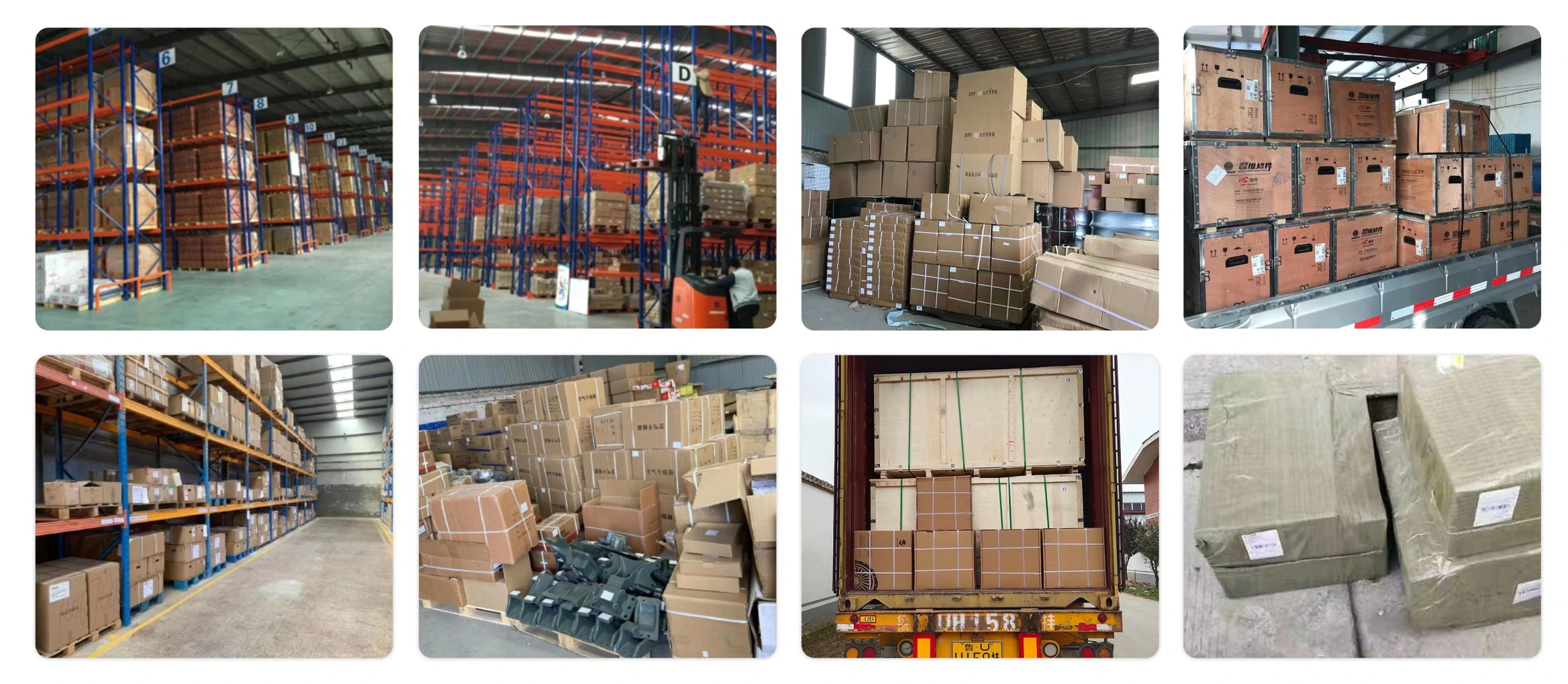
Embalagem e Logística
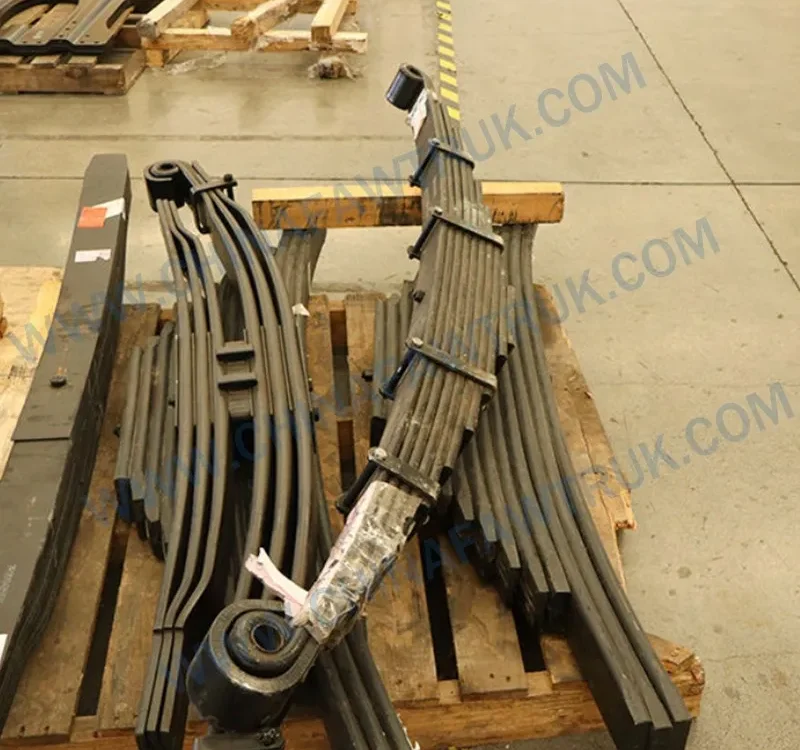
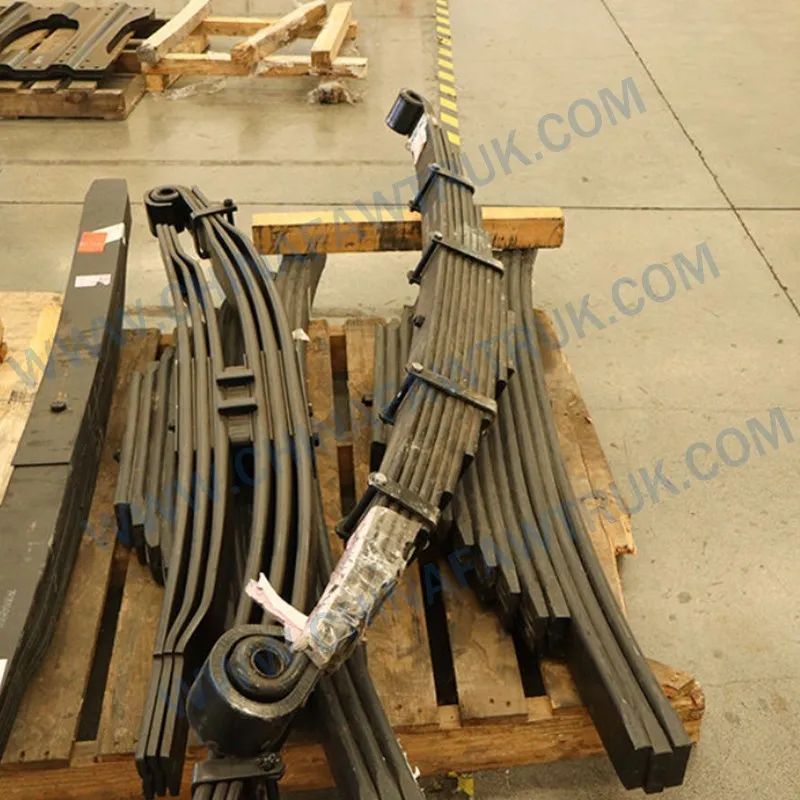
Peças FAW, incluindo o conjunto do bloco de cilindros, são embalados com cuidado para garantir uma entrega segura. Cada componente é protegido por materiais de proteção para evitar danos durante o transporte. A rede logística garante envios pontuais em todo o mundo, apoiando operações de manutenção eficientes. Abaixo está uma imagem ilustrando a embalagem padrão para peças de caminhão FAW, mostrando a atenção aos detalhes no manuseio e armazenamento.
Esta abordagem de embalagem minimiza o risco de corrosão ou danos por impacto, garantindo que peças como o conjunto do bloco de cilindros FAW cheguem em perfeitas condições. Os clientes podem confiar na logística da FAW para obter qualidade e confiabilidade consistentes.