FAW Russian Torsional Tie Rod: Deconstructing 8 Critical Components for Unbreakable Steering Precision in Arctic Dump Trucks
The FAW Russian Torsional Tie Rod assembly is the cornerstone of directional control for the CA3250P66K24L1TE5Z 6×6 dump truck engineered for Siberian operations. This technical breakdown dissects the robust Steering Longitudinal Rod Assembly into its fundamental repair units, revealing how eight precision components maintain steering integrity under extreme torsional stress and sub-zero temperatures. Our analysis focuses on the material science and kinematic design that prevents fatigue failure in the harsh Russian mining environment.

FAW Russian Torsional Tie Rod
Structural Core: The Steering Longitudinal Rod Assembly
At the heart of the system lies the Steering Longitudinal Rod Assembly (Part No. 3003010-990), a forged component that translates rotational input from the steering gear into linear motion. This FAW Russian Torsional Tie Rod is subjected to immense compressive and tensile forces during operation. The rod’s tubular design is engineered for optimal stiffness-to-weight ratio, resisting bending moments that could cause steering lag. The -990 suffix denotes its Arctic-grade specification, featuring a specialized heat treatment that increases the steel’s ductility at low temperatures, preventing brittle fracture in the -40°C environment.
The primary linkage is the Steering Longitudinal Rod (Part No. 3003016-990), the central spine of the assembly. Its length is precisely calibrated to maintain correct steering geometry, ensuring the wheels turn in unison. The rod’s ends are machined with high-precision threads to accept the Right End Assembly – Steering Tie Rod (Part No. 3003060CA38). These thread profiles are rolled rather than cut, creating continuous grain flow in the metal that enhances fatigue life by over 50% compared to conventional methods, a critical feature for the FAW Russian Torsional Tie Rod in high-cycle applications.
Protecting these vital threads are the Hexagon Castle Flat Nuts (Part No. C038724). Two of these lock nuts are used to secure the end assemblies, providing a prevailing torque that prevents loosening from high-frequency vibrations. The non-metallic insert within the nut deforms elastically against the threads, creating constant friction that counters rotational forces. This design is paramount for the FAW Russian Torsional Tie Rod, as a loose connection would introduce steering play, compromising vehicle stability and safety on icy roads.
Articulation Nodes: End Assemblies and Retention
The Right End Assembly – Steering Tie Rod serves as the pivotal connection between the longitudinal rod and the steering knuckle. Each assembly contains a ball joint encapsulated in a hardened steel housing, allowing for multi-axis movement while transmitting steering force. The ball stud is forged from chrome-molybdenum steel and undergoes a carburizing process to create a wear-resistant surface. For the FAW Russian Torsional Tie Rod, the grease within this joint is a synthetic, low-temperature formulation that maintains consistent viscosity, ensuring smooth articulation even during cold starts.
Securing the rubber boot on each end assembly is the Clamp – Steering Tie Rod (Part No. 3003056-8E). These stainless steel clamps provide a 360-degree seal around the boot, preventing contamination from road salt and abrasive particles. The clamping mechanism uses a rolled-edge band and a positive-locking screw that resists back-off. In the context of the FAW Russian Torsional Tie Rod, this seemingly simple component is vital for excluding moisture that could freeze and damage the ball joint, or allow corrosive agents to degrade the lubricant.
The Steering Arm (Part No. 3003041-990) is the final output lever in this mechanical chain. This drop-forged component converts the linear push-pull motion of the tie rod into the rotational motion needed to turn the wheel assembly. Its design incorporates strategic ribbing to increase moment of inertia at stress concentration points. For the FAW Russian Torsional Tie Rod system, the arm’s splined interface with the steering knuckle is machined to a tolerance of ±0.01mm, ensuring zero backlash and immediate steering response, a safety imperative for heavily laden trucks on unstable terrain.
Arctic Engineering: Materials and Cold-Weather Performance
The entire FAW Russian Torsional Tie Rod assembly utilizes materials selected for cryogenic performance. Standard carbon steel becomes prone to brittle fracture below -20°C, but the components here are manufactured from low-alloy, high-strength steels with nickel and manganese additives. These alloying elements lower the ductile-to-brittle transition temperature, allowing the Steering Longitudinal Rod and Steering Arm to absorb impact loads from potholes without cracking. The metallurgical specification is a key differentiator for Russian-spec trucks operating in the Siberian tundra.
Corrosion protection is another critical layer. Each part, from the main Steering Longitudinal Rod Assembly to the smallest Hexagon Castle Flat Nut, receives a multi-stage phosphate coating followed by an electrophoretic epoxy paint deposition. This coating system provides superior adhesion and uniform coverage, even in recessed areas and threads. For the FAW Russian Torsional Tie Rod, this is essential to combat the highly corrosive combination of road salt and constant freeze-thaw cycles, which would otherwise lead to rapid section loss and component failure.
The sealing elements within the Right End Assembly – Steering Tie Rod also receive special attention. The rubber boot is compounded from hydrogenated nitrile butadiene rubber (HNBR), which retains elasticity at temperatures as low as -50°C. This prevents the boot from tearing during full steering lock maneuvers in extreme cold. A compromised boot would allow the special low-temperature grease to escape and contaminants to enter, quickly destroying the precision ball joint. Thus, every element of the FAW Russian Torsional Tie Rod is harmonized for Arctic endurance.
Maintenance Logic: Service Intervals and Wear Indicators
Proactive maintenance of the FAW Russian Torsional Tie Rod centers on periodic inspection of the Clamp – Steering Tie Rod integrity and the condition of the rubber boots. Any sign of grease leakage or boot perforation necessitates immediate replacement of the Right End Assembly – Steering Tie Rod. The Hexagon Castle Flat Nuts are designed as single-use items; they must be replaced anytime they are disassembled, as their locking ability diminishes after the initial torque cycle.
Steering alignment is directly tied to the condition of the tie rod assembly. Wear in the ball joints of the end assemblies causes toe-in deviation, leading to accelerated tire wear and unstable straight-line tracking. Technicians check for play by applying lateral force to the Steering Longitudinal Rod while the truck is on a lift. Any detectable movement indicates the need for replacement. The robust design of the FAW Russian Torsional Tie Rod typically allows for service intervals of 150,000 km under normal conditions, but harsh off-road use in Russian mines may halve this interval.
Torque specifications are non-negotiable. The Hexagon Castle Flat Nuts securing the end assemblies must be tightened to a precise value, usually between 180-220 Nm, as specified in the service manual. Over-torquing can strip the threads on the Steering Longitudinal Rod, while under-torquing allows loosening. A calibrated torque wrench is mandatory. Furthermore, after any adjustment to the rod length for alignment, it is critical to ensure the Steering Arm and rod ends are correctly indexed to prevent binding during full suspension travel.
Component Breakdown: Steering Longitudinal Rod Assembly
| No. |
Part Number |
Part Name |
Qty |
| 1 | 3003010-990 | Steering longitudinal rod assembly | 1 |
| 2 | 3003041-990 | Steering arm | 1 |
| 3 | C038724 | Hexagon castle flat nut | 2 |
| 1-1 | 3003016-990 | Steering longitudinal rod | 1 |
| 1-2 | 3003060CA38 | Right end assembly – steering tie rod | 2 |
| 1-3 | 3003056-8E | Clamp – steering tie rod | 2 |
Conclusion: The Directional Integrity System
The FAW Russian Torsional Tie Rod assembly is a masterclass in heavy-duty steering component design. From the forged strength of the Steering Longitudinal Rod to the sealed articulation of the Right End Assembly – Steering Tie Rod, each of the eight detailed components is engineered for synergistic performance. This system provides the precise, feedback-rich steering required to maneuver a 70-ton gross vehicle weight through confined mining spaces and over uneven, frozen ground.
Understanding the breakdown of the Steering Longitudinal Rod Assembly empowers maintenance teams to perform targeted inspections and preemptive replacements. Adherence to the specified part numbers, such as the Arctic-grade 3003010-990 assembly and the critical Hexagon Castle Flat Nuts (C038724), ensures the FAW Russian Torsional Tie Rod maintains its designed safety margin. For operators in extreme environments, this assembly is not merely a link in the steering chain; it is the definitive component that translates driver intention into controlled vehicle motion, trip after demanding trip.
Packaging and Logistics
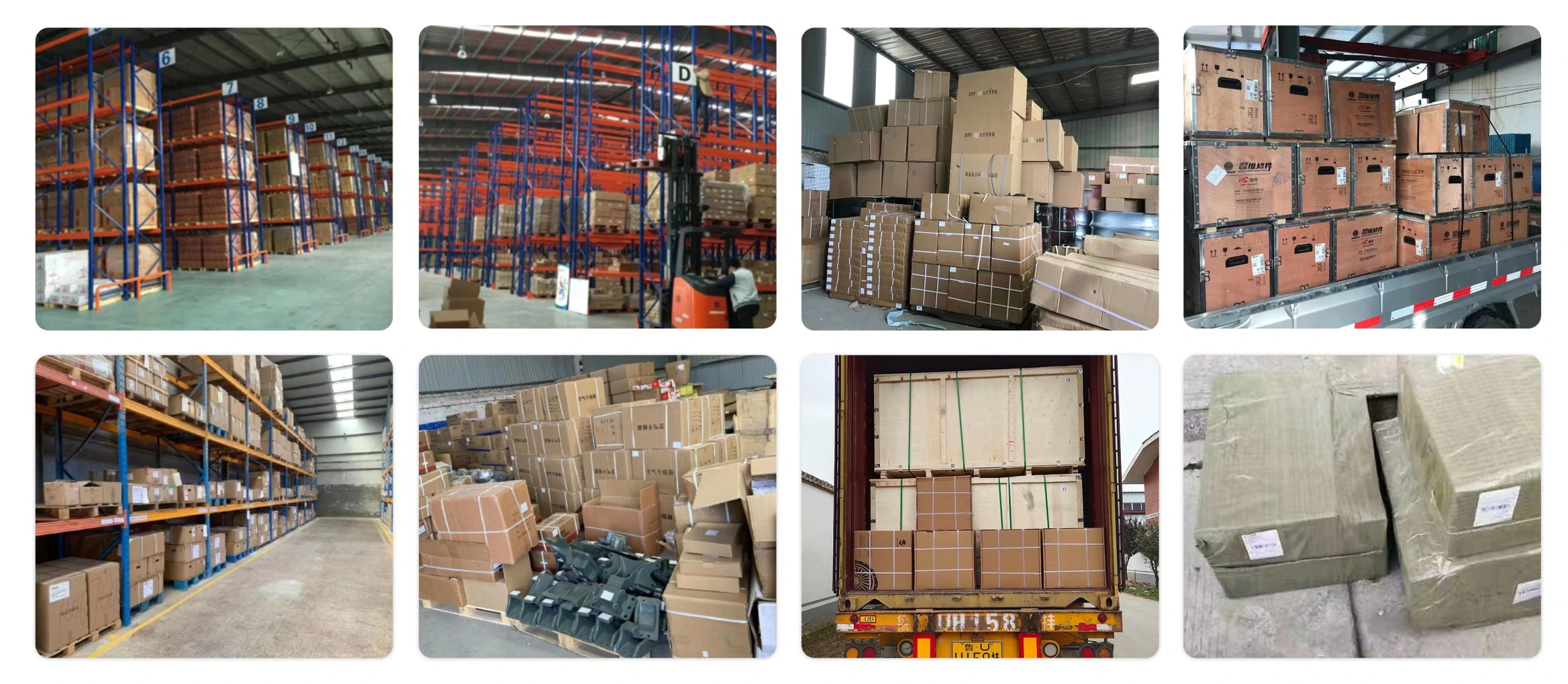
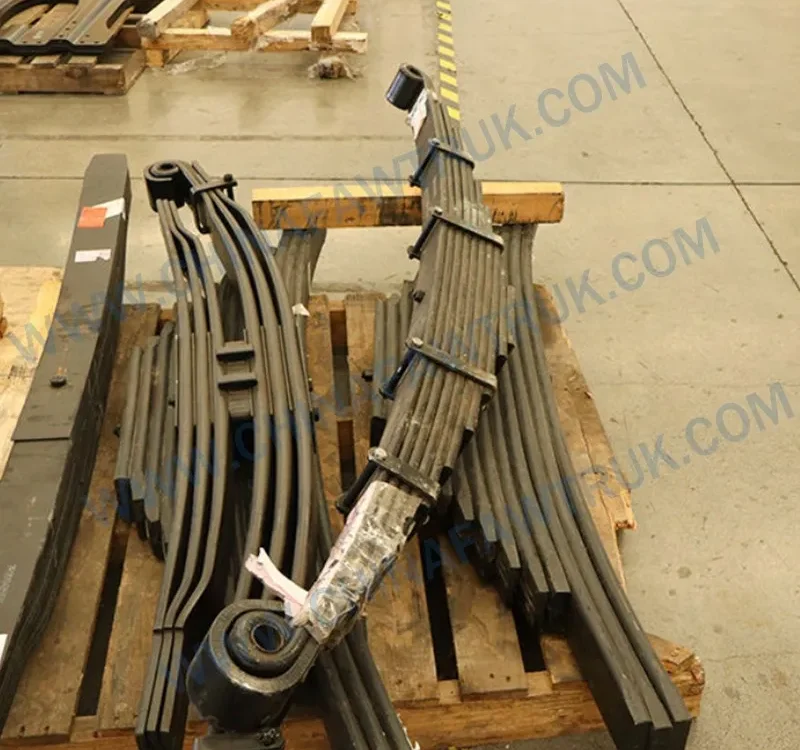
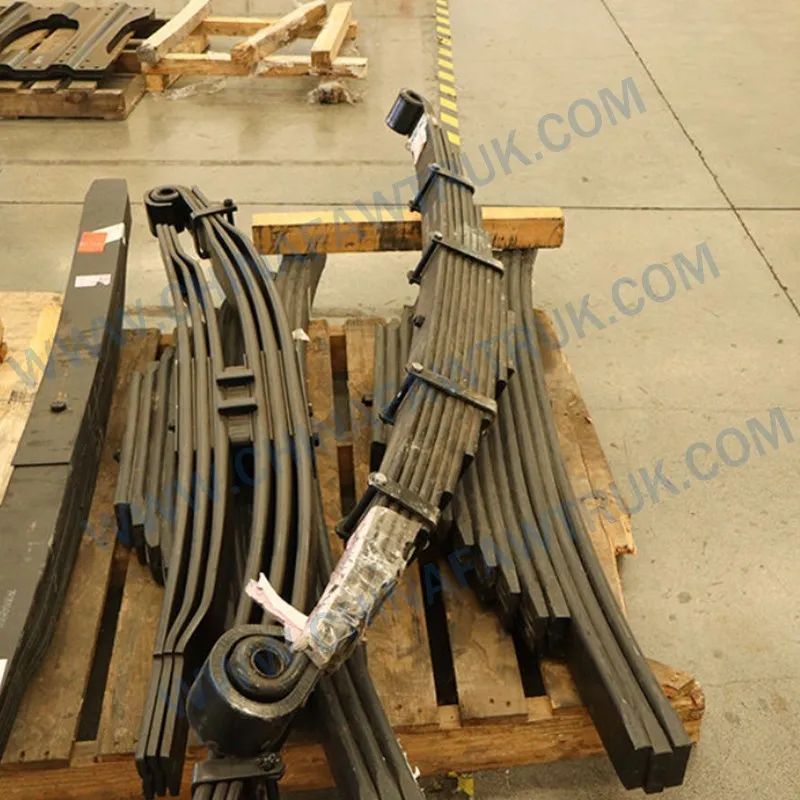
FAW parts, including the Cylinder Block Assembly, are packaged with care to ensure safe delivery. Each component is secured in protective materials to prevent damage during transit. The logistics network guarantees timely shipments worldwide, supporting efficient maintenance operations. Below is an image illustrating the standard packaging for FAW truck parts, showcasing the attention to detail in handling and storage.
This packaging approach minimizes the risk of corrosion or impact damage, ensuring that parts like the FAW Cylinder Block Assembly arrive in perfect condition. Customers can rely on FAW’s logistics for consistent quality and reliability.