FAW Russian Urea Tank: 32 Precision Components for Compliant Arctic Emissions Control
The FAW Russian Urea Tank module is the environmental cornerstone of the CA3250P66K24L1TE5Z heavy-duty dump truck. Operating in the freezing expanses of the Russian Federation requires more than just a reservoir; it demands a sophisticated thermal management system to prevent Diesel Exhaust Fluid (DEF) from crystallizing at -11°C. This comprehensive guide dissects the electrically heated piping, the precision dosing pump, and the rugged mounting architecture that ensures this SCR (Selective Catalytic Reduction) system functions flawlessly in sub-zero conditions.

FAW Russian Urea Tank
The Reservoir: Storage and Active Heating
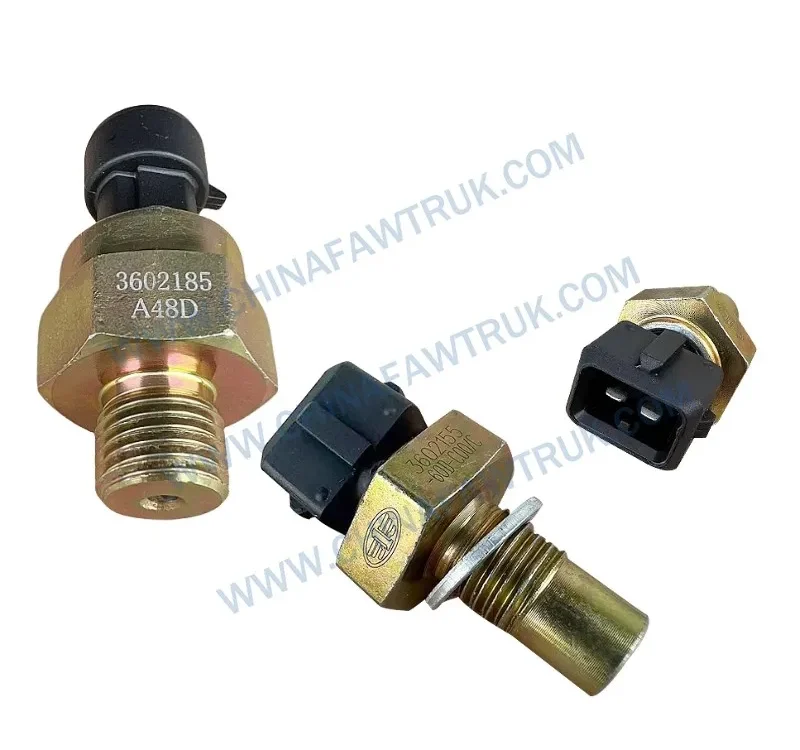
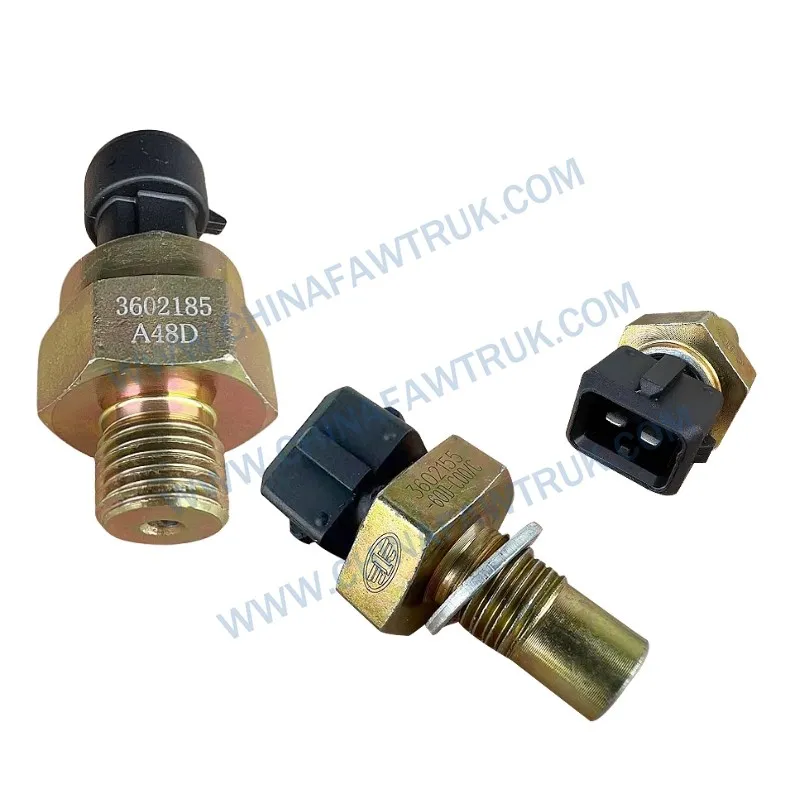
The core of the system is the Urea Tank Assembly (Part No. 1160010-76W). This component is far more complex than a standard fuel tank. In the FAW Russian Urea Tank design, the reservoir must act as a heating vessel. Urea solution (AdBlue) freezes at -11°C, a temperature frequently exceeded in Russian winters. To combat this, the tank is equipped with internal heating elements or coolant loops managed by the Urea Level and Temperature Sensor Assembly (Part No. 3602525-76W-C00). This sensor provides critical feedback to the ECU, triggering the thawing cycle before the engine is allowed to produce high torque.
The fluid transport out of the tank is managed by a series of specialized lines, such as the Electrically Heated Urea Supply Pipe – Tank to Pump (Part No. 1160120-66W). Unlike standard fuel lines, these pipes feature integrated resistive heating wires wrapped around the core. This active heating prevents the urea from freezing in the narrow lines during operation, a common failure point in non-arctic spec trucks. The FAW Russian Urea Tank system ensures that the fluid remains liquid from the reservoir all the way to the dosing unit.
Furthermore, the system includes the Urea Heating Inlet Water Pipe – Engine to Solenoid (Part No. 1160128-55R) and the Urea Heating Return Water Pipe (Part No. 1160127-28V). These components utilize the engine’s waste heat to maintain the tank temperature during long hauls. This dual-heating strategy—electrical for startup and coolant for running—is a hallmark of the FAW Russian Urea Tank engineering, maximizing energy efficiency while guaranteeing emissions compliance.
The structural material of the tank is a high-density polyethylene (HDPE) or similar robust polymer, chosen for its chemical resistance to the corrosive nature of urea. However, plastics can become brittle in extreme cold. The specific formulation used in the FAW Russian Urea Tank is impact-modified to withstand the shocks and vibrations of off-road dump truck operations at -40°C without cracking.
Precision Injection: Pump and Nozzle Dynamics
Pressurizing the fluid is the responsibility of the Urea Pump Assembly (Part No. 1161010-76W). This precision diaphragm pump must deliver exact quantities of urea to the exhaust stream based on real-time NOx sensor data. In the FAW Russian Urea Tank system, the pump is also capable of reversing flow. When the engine is turned off, the pump purges the lines, sucking the urea back into the tank to prevent it from freezing and expanding in the delicate nozzle or lines.
The atomization of the fluid occurs at the Urea Nozzle Assembly (Part No. 1161210-76W). This injector sits directly in the hot exhaust stream. To prevent the nozzle itself from overheating or clogging with crystallized urea, it is cooled by the Urea Nozzle Cooling Inlet Water Pipe Assembly (Part No. 1160315-61S) and the Urea Nozzle Cooling Return Water Pipe Assembly (Part No. 1160310-61S). This active liquid cooling is vital for the longevity of the nozzle in the FAW Russian Urea Tank ecosystem.
Connecting the pump to the nozzle is the Electrically Heated Urea Supply Pipe – Pump to Nozzle (Part No. 1160130-66W). Like the suction side, this pressure line is electrically heated. The connectors on these lines are specialized quick-connect fittings that must be handled with care. A damaged connector in the FAW Russian Urea Tank circuit usually requires replacing the entire heated line assembly, which is a costly repair.
Securement of these components is critical. The Urea Nozzle Piping Bracket (Part No. 1160126-73W) and the Urea Pump Piping Bracket (Part No. 1160126-61S) ensure that the lines do not vibrate against the chassis. Vibration can wear through the heating element insulation, causing short circuits. The rigid mounting provided by these brackets ensures the FAW Russian Urea Tank system remains intact over thousands of kilometers of rough terrain.
Mounting Logic: Straps, Liners, and Brackets
The physical security of the tank is maintained by the Urea Tank Strap Assembly (Part No. 1160140-66W). These stainless steel straps wrap around the tank, holding it against the chassis brackets. In the FAW Russian Urea Tank installation, metal-to-plastic contact is avoided by using the Strap Liner (Part No. 1160134-87V). This rubber interface prevents the straps from cutting into the polymer tank and provides vibration damping.
Supporting the tank from below is the Urea Tank Bottom Liner (Part No. 1160117-66W) and the Urea Tank Bracket Welding Assembly (Part No. 1160105-66W). This heavy-duty framework is bolted to the truck frame. Given the harsh corrosive environment of Russian roads, where salts are used liberally, these brackets are typically coated with advanced anti-corrosion treatments to prevent structural failure.
The fasteners used, such as the Hexagon Flange Bolt (Part No. Q1841445T) and the Combination Bolt (Part No. CQ1461025), are high-tensile units. The flange head design distributes the clamping load, ensuring the brackets do not shift. Checking the torque on these bolts is a standard maintenance procedure for the FAW Russian Urea Tank, as a loose tank can damage the delicate electrical and fluid connections.
Cable management is handled by the Plastic Cable Tie (Part No. T67417246). There are 24 of these specified, highlighting the complexity of the wiring and plumbing harness. In the FAW Russian Urea Tank system, proper routing and securing of the heated lines are essential to prevent chafing and electrical shorts, which could disable the heating system and freeze the unit.
Component Breakdown List
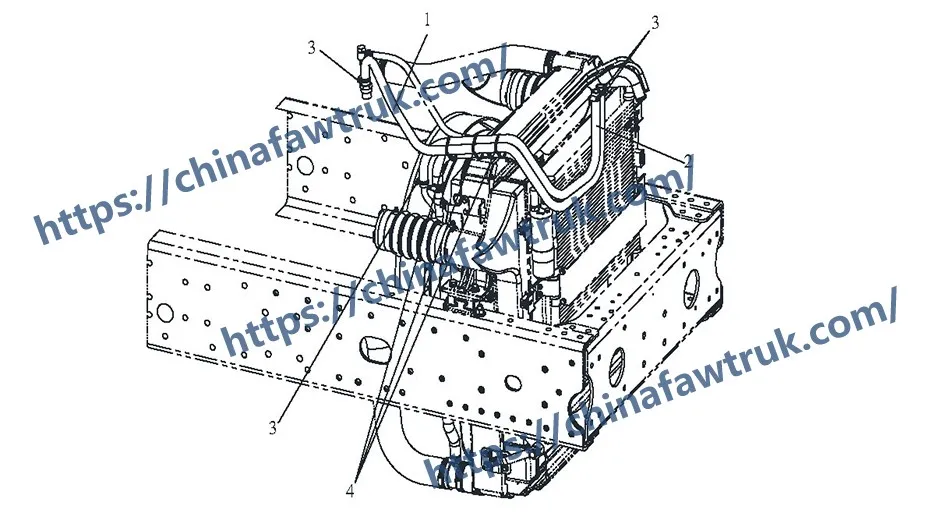
The following table provides the complete, exhaustive breakdown of the FAW Russian Urea Tank module. It includes all 32 components identified in the assembly diagrams, ensuring that every bracket, sensor, and bolt is accounted for during maintenance or repair.
| No. |
Part Number |
Part Name |
Qty |
| 1 |
T67417246 |
Plastic Cable Tie |
24 |
| 2 |
1160120-66W |
Electrically Heated Urea Supply Pipe – Tank to Pump |
1 |
| 3 |
1160250-66W |
Electrically Heated Urea Supply Pipe – Pump to Tank |
1 |
| 4 |
CQ67625 |
Small Worm Drive Hose Clamp |
6 |
| 5 |
1160129-66W |
Urea Heating Inlet Water Pipe – Solenoid to Tank |
1 |
| 6 |
1160130-66W |
Electrically Heated Urea Supply Pipe – Pump to Nozzle |
1 |
| 7 |
1160127-28V |
Urea Heating Return Water Pipe |
1 |
| 8 |
1160128-55R |
Urea Heating Inlet Water Pipe – Engine to Solenoid |
1 |
| 9 |
1160315-61S |
Urea Nozzle Cooling Inlet Water Pipe Assembly |
1 |
| 10 |
1160310-61S |
Urea Nozzle Cooling Return Water Pipe Assembly |
1 |
| 11 |
CQ2180625 |
Hexagon Socket Head Cap Screw |
3 |
| 12 |
1161210-76W |
Urea Nozzle Assembly |
1 |
| 13 |
1160126-73W |
Urea Nozzle Piping Bracket |
1 |
| 14 |
CQ1460816 |
Combination Bolt |
2 |
| 15 |
1160126-61S |
Urea Pump Piping Bracket |
1 |
| 16 |
CQ1461025 |
Combination Bolt |
1 |
| 17 |
1160126A76R |
Urea Piping Bracket |
1 |
| 18 |
CQ34008 |
Hex Nut |
8 |
| 19 |
1160140-66W |
Urea Tank Strap Assembly |
2 |
| 20 |
1160134-87V |
Strap Liner |
2 |
| 21 |
1160010-76W |
Urea Tank Assembly |
1 |
| 21-1 |
1160015-76W-C00 |
Urea Tank Sub-assembly |
1 |
| 21-2 |
3602525-76W-C00 |
Urea Level and Temperature Sensor Assembly |
1 |
| 22 |
1160117-66W |
Urea Tank Bottom Liner |
2 |
| 23 |
CQ1500860 |
Hexagon Head Bolt |
3 |
| 24 |
Q40308 |
Spring Washer |
3 |
| 25 |
Q40108 |
Washer |
3 |
| 26 |
1161010-76W |
Urea Pump Assembly |
1 |
| 27 |
Q1841445T |
Hex Flange Bolt (Standard) |
2 |
| 28 |
Q1841455T |
Hex Head Convex Bolt |
2 |
| 29 |
1160126-93B |
Urea Nozzle Piping Bracket |
1 |
| 30 |
1160105-66W |
Urea Tank Bracket Welding Assembly |
1 |
Diagnostic Protocols for SCR Health
Inspecting the FAW Russian Urea Tank requires checking for white crystalline deposits. These crystals, formed by dried urea, are the enemy of the system. If found around the Urea Pump Assembly or hose connections, they indicate a leak. In cold weather, even a small leak can freeze and expand, cracking the expensive pump housing. Cleaning these deposits with warm water is the first step in diagnosis.
Test the heating circuits regularly. With the ignition on and the engine cold, check the resistance of the Electrically Heated Urea Supply Pipe connectors. An open circuit means the heater wire is broken, and the pipe must be replaced. A frozen pipe will trigger a “Reductant Pressure Too Low” fault code and derate the engine.
Finally, verify the integrity of the Urea Tank Strap Assembly. Road salt accumulation under the straps can cause them to rot. If a strap snaps, the tank can shift, stressing the rigid coolant lines and causing a coolant leak. Ensure the Strap Liner is intact to prevent metal-on-plastic abrasion that could puncture the tank.
Conclusion: Compliance in the Cold
The FAW Russian Urea Tank is a sophisticated chemical storage and delivery system designed to operate where other systems fail. Its integrated heating logic and robust material selection ensure that emissions compliance is maintained even in the depths of the Russian winter.
For fleet owners, the cost of neglecting this system is high. A frozen urea tank leads to engine power loss and potential fines. By using genuine FAW replacement parts, including the specific heated lines and cold-weather sensors, you protect your investment and ensure your vehicles remain productive and compliant, no matter the temperature.
Packaging and Logistics
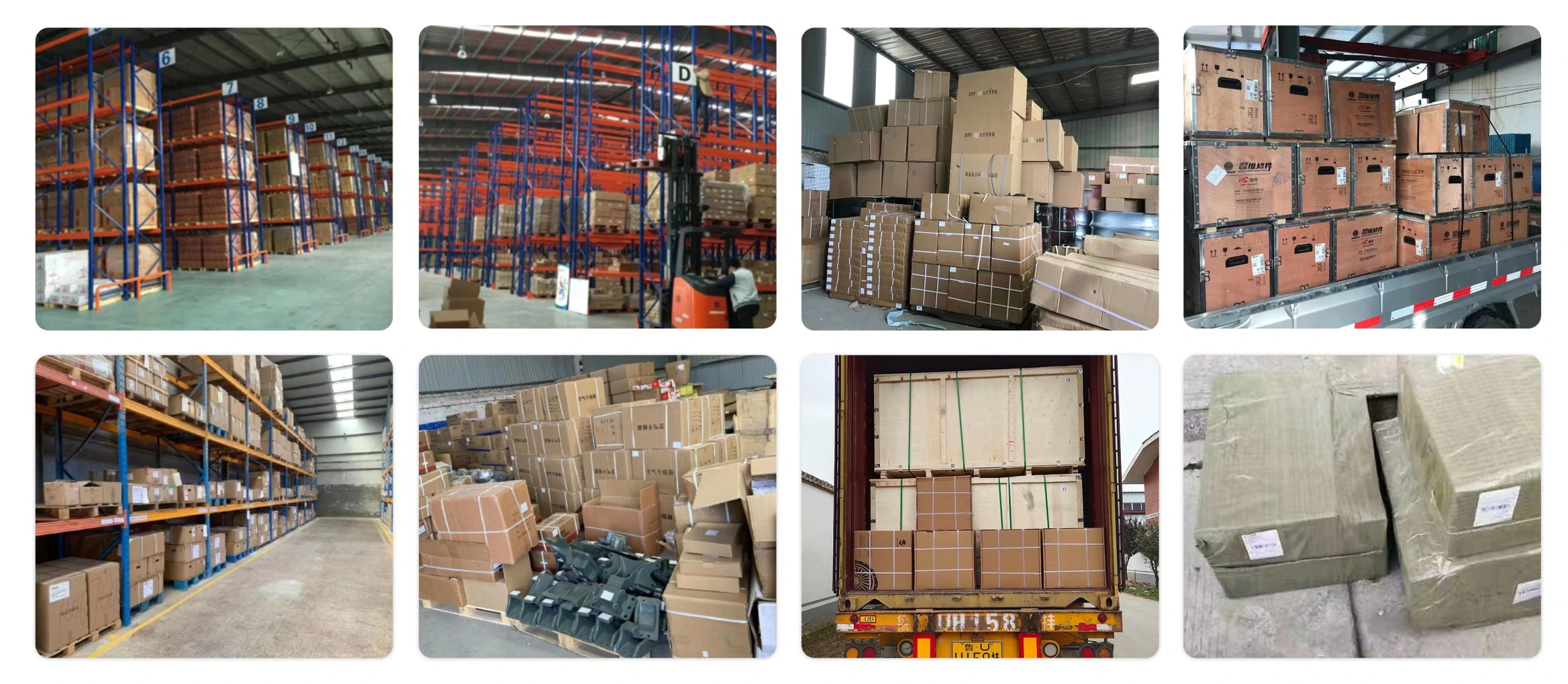
FAW parts, including the Cylinder Block Assembly, are packaged with care to ensure safe delivery. Each component is secured in protective materials to prevent damage during transit. The logistics network guarantees timely shipments worldwide, supporting efficient maintenance operations. Below is an image illustrating the standard packaging for FAW truck parts, showcasing the attention to detail in handling and storage.
This packaging approach minimizes the risk of corrosion or impact damage, ensuring that parts like the FAW Cylinder Block Assembly arrive in perfect condition. Customers can rely on FAW’s logistics for consistent quality and reliability.