FAW Russian Nozzle: 30 Precision Components for SCR Emissions Control in Arctic Conditions
The FAW Russian Nozzle, specifically the Urea Injection Nozzle, is the critical interface between the exhaust aftertreatment system and the CA3250P66K24L1TE5Z engine. Positioned directly in the high-temperature exhaust stream, this dosing unit must atomize Diesel Exhaust Fluid (DEF) with micron-level precision while surviving ambient temperatures of -40°C. This guide provides a comprehensive technical analysis of the nozzle assembly, its active cooling architecture, and the electrically heated supply logic required for Euro-compliant operations in the Russian Federation.

FAW Russian Nozzle
Atomization Physics: The Urea Nozzle Assembly
The focal point of the SCR system is the Urea Nozzle Assembly (Part No. 1161210-76W). This component is not merely a passive outlet; it is a sophisticated electromechanical injector controlled by the ECU using Pulse Width Modulation (PWM). The FAW Russian Nozzle must inject precise quantities of urea solution (AdBlue) into the exhaust pipe to chemically reduce Nitrogen Oxides (NOx) into harmless nitrogen and water.
In the Russian operational context, the FAW Russian Nozzle faces a dual thermal challenge. Internally, it must handle the corrosive urea fluid which freezes at -11°C. Externally, the nozzle tip is exposed to exhaust gas temperatures exceeding 600°C during heavy engine loads. The engineering solution involves a high-grade stainless steel body construction that resists chemical attack from the ammonia formed during urea decomposition, combined with a specialized ceramic thermal barrier at the tip.
The spray pattern generated by the FAW Russian Nozzle is critical. It must create a fine mist that evaporates instantly within the mixing chamber. If the droplets are too large due to nozzle clogging or low pump pressure, they impinge on the exhaust walls, forming solid urea crystals. These crystals build up rapidly, blocking the exhaust flow and leading to excessive backpressure, which can damage the turbocharger and derate the engine.
Furthermore, the FAW Russian Nozzle includes an integrated check valve mechanism. This prevents exhaust gases from back-flowing into the urea supply line when the dosing pump is off. In the harsh vibration environment of a dump truck, the internal spring and pintle of this valve must be fatigue-resistant to ensure a perfect seal over millions of injection cycles.
Cooling and Heating: The Survival Architecture
To survive the intense heat of the exhaust stream, the FAW Russian Nozzle is actively liquid-cooled. The system utilizes the Urea Nozzle Cooling Inlet Water Pipe Assembly (Part No. 1160315-61S) and the Urea Nozzle Cooling Return Water Pipe Assembly (Part No. 1160310-61S). These pipes circulate engine coolant around the injector body, maintaining its temperature within a safe operating range (typically below 120°C).
Without this cooling circuit, the urea inside the FAW Russian Nozzle would boil and decompose prematurely, clogging the injector and failing the solenoid coil. The cooling pipes are engineered with specific bends to route around the chassis and exhaust components without touching them, preventing conductive heat transfer that could overwhelm the cooling capacity.
Conversely, the supply side requires heating. The Electrically Heated Urea Supply Pipe – Pump to Nozzle (Part No. 1160130-66W) connects the pump to the FAW Russian Nozzle. This pipe features an integrated resistive heating element running its entire length. In the Russian winter, this heater is activated before engine start-up to thaw any frozen urea remaining in the line.
The electrical connectors on these heated lines are critical weak points if not properly maintained. They must be sealed against road salt and moisture. A failure in the heating circuit of the FAW Russian Nozzle supply line will trigger a “Reductant Line Heater Control Circuit” fault code, immediately disabling the emissions system and limiting vehicle speed.
Mounting Logic: Brackets and Vibration Isolation
The FAW Russian Nozzle and its associated piping are secured by the Urea Nozzle Piping Bracket (Part No. 1160126-73W) and the Urea Pump Piping Bracket (Part No. 1160126-61S). These brackets are essential for vibration isolation. The exhaust pipe vibrates at a different frequency than the chassis; the nozzle piping must bridge this gap without fatiguing.
The bracketry is designed to hold the fluid lines rigidly while allowing for thermal expansion. The Plastic Cable Tie (Part No. T67417246), of which there are 24 units in the system, plays a vital role in cable management. These are specific cold-weather ties that do not snap at -40°C. They secure the electrical harnesses for the FAW Russian Nozzle heater and control signals, preventing them from chafing against the hot exhaust shield.
Fastening the nozzle to the exhaust boss requires the Hexagon Socket Head Cap Screw (Part No. CQ2180625). The choice of a socket head screw allows for high torque application in the tight space surrounding the exhaust pipe. These screws must be coated with high-temperature anti-seize compound during installation; otherwise, the heat cycling of the exhaust will weld them to the flange, making future replacement of the FAW Russian Nozzle impossible without drilling.
The Combination Bolt (Part No. CQ1460816 and CQ1461025) is used for mounting the peripheral brackets. These bolts feature integrated washers to distribute the clamping load and prevent loosening under the high-amplitude, low-frequency vibrations typical of off-road dump trucks. The structural integrity of the FAW Russian Nozzle mounting system is the first defense against leaks and line ruptures.
Component Breakdown List
The following table provides the exhaustive Bill of Materials for the FAW Russian Nozzle and the complete Urea Supply System. It includes all 30 component types listed in the assembly diagram, covering the tank, pump, nozzle, and all associated plumbing hardware necessary for a complete system overhaul.
| No. |
Part Number |
Part Name |
Qty |
| 1 |
T67417246 |
Plastic Cable Tie |
24 |
| 2 |
1160120-66W |
Electrically Heated Urea Supply Pipe – Tank to Pump |
1 |
| 3 |
1160250-66W |
Electrically Heated Urea Supply Pipe – Pump to Tank |
1 |
| 4 |
CQ67625 |
Small Worm Drive Hose Clamp |
6 |
| 5 |
1160129-66W |
Urea Heating Inlet Water Pipe – Solenoid to Tank |
1 |
| 6 |
1160130-66W |
Electrically Heated Urea Supply Pipe – Pump to Nozzle |
1 |
| 7 |
1160127-28V |
Urea Heating Return Water Pipe |
1 |
| 8 |
1160128-55R |
Urea Heating Inlet Water Pipe – Engine to Solenoid |
1 |
| 9 |
1160315-61S |
Urea Nozzle Cooling Inlet Water Pipe Assembly |
1 |
| 10 |
1160310-61S |
Urea Nozzle Cooling Return Water Pipe Assembly |
1 |
| 11 |
CQ2180625 |
Hexagon Socket Head Cap Screw |
3 |
| 12 |
1161210-76W |
Urea Nozzle Assembly |
1 |
| 13 |
1160126-73W |
Urea Nozzle Piping Bracket |
1 |
| 14 |
CQ1460816 |
Combination Bolt |
2 |
| 15 |
1160126-61S |
Urea Pump Piping Bracket |
1 |
| 16 |
CQ1461025 |
Combination Bolt |
1 |
| 17 |
1160126A76R |
Urea Piping Bracket |
1 |
| 18 |
CQ34008 |
Hex Nut |
8 |
| 19 |
1160140-66W |
Urea Tank Strap Assembly |
2 |
| 20 |
1160134-87V |
Strap Liner |
2 |
| 21 |
1160010-76W |
Urea Tank Assembly |
1 |
| 22 |
1160117-66W |
Urea Tank Bottom Liner |
2 |
| 23 |
CQ1500860 |
Hexagon Head Bolt |
3 |
| 24 |
Q40308 |
Spring Washer |
3 |
| 25 |
Q40108 |
Washer |
3 |
| 26 |
1161010-76W |
Urea Pump Assembly |
1 |
| 27 |
Q1841445T |
Hex Flange Bolt (Standard) |
2 |
| 28 |
Q1841455T |
Hex Head Convex Bolt |
2 |
| 29 |
1160126-93B |
Urea Nozzle Piping Bracket |
1 |
| 30 |
1160105-66W |
Urea Tank Bracket Welding Assembly |
1 |
Diagnostic Protocols for Nozzle Health
Maintaining the FAW Russian Nozzle requires vigilance against crystallization. If the nozzle tip becomes encrusted with white urea crystals, it disrupts the spray pattern. This can be caused by a failure in the Urea Nozzle Cooling Inlet Water Pipe Assembly, allowing the nozzle to run too hot and boil the fluid before injection. Regular visual inspection of the nozzle tip during service intervals is recommended.
Check the condition of the Electrically Heated Urea Supply Pipe connections. A loose or damaged connector will cause a heater circuit fault. Use a multimeter to verify the resistance of the heating element within the pipe. If the resistance is infinite (open circuit), the pipe must be replaced to prevent freezing in winter.
Inspect the Urea Nozzle Piping Bracket for cracks. Engine vibration can fatigue this metal bracket over time. A broken bracket allows the nozzle assembly to vibrate excessively, which can lead to fatigue failure of the stainless steel cooling lines or the nozzle body itself. Ensure all Hexagon Socket Head Cap Screws are torqued to specification to maintain a gas-tight seal on the exhaust flange.
Conclusion: The Tip of the Spear
The FAW Russian Nozzle is the final, critical step in the truck’s emission control strategy. Its ability to deliver a precise, atomized mist of urea into the exhaust stream is the difference between a compliant, efficient vehicle and one plaguing its owner with fault codes and power limits. The integrated cooling and heating technologies ensure that this delicate process continues uninterrupted, even in the depths of the Russian winter.
For fleet managers, the message is clear: the SCR system is not maintenance-free. By paying attention to the condition of the Urea Nozzle Assembly, its cooling pipes, and its mounting hardware, you can prevent costly downtime. Using genuine FAW replacement parts guarantees that the thermal and chemical resistance of the components matches the severe demands of the application.
Packaging and Logistics
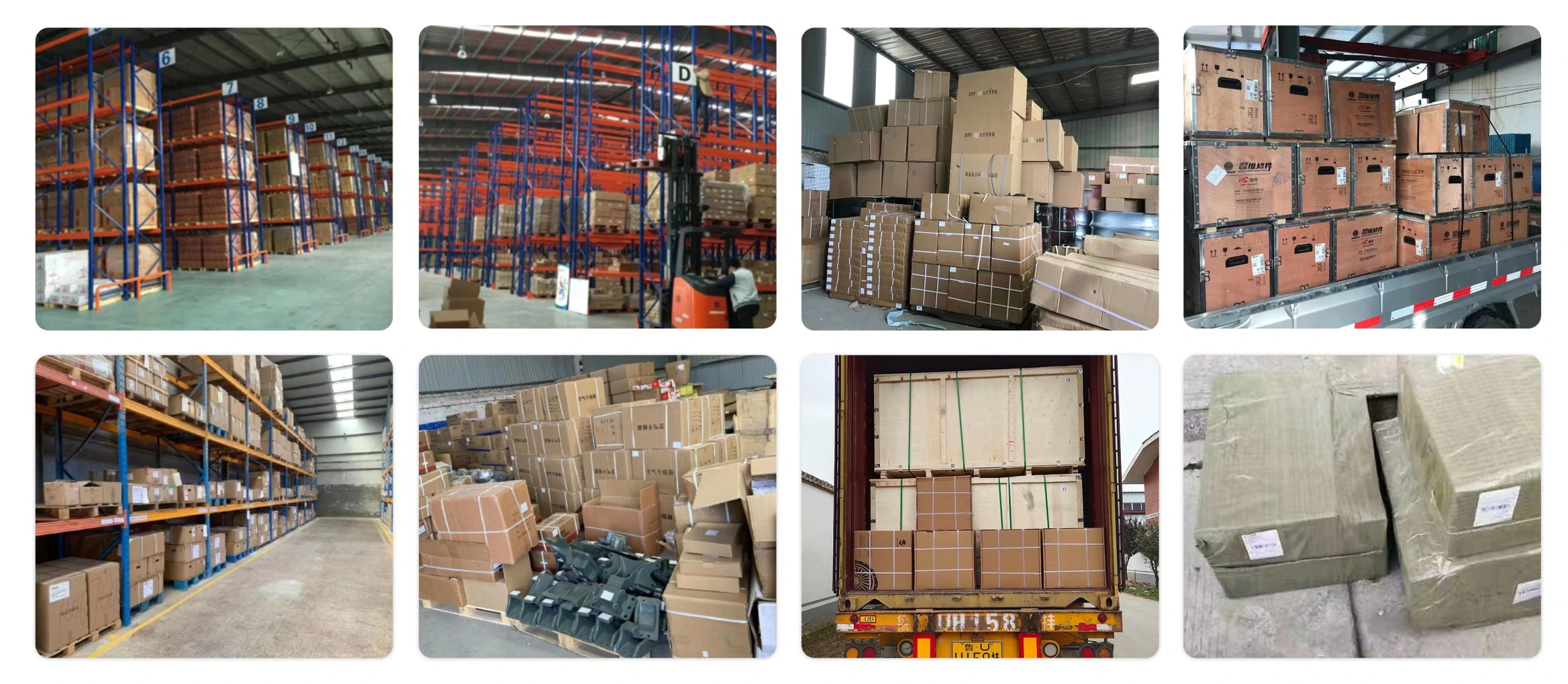
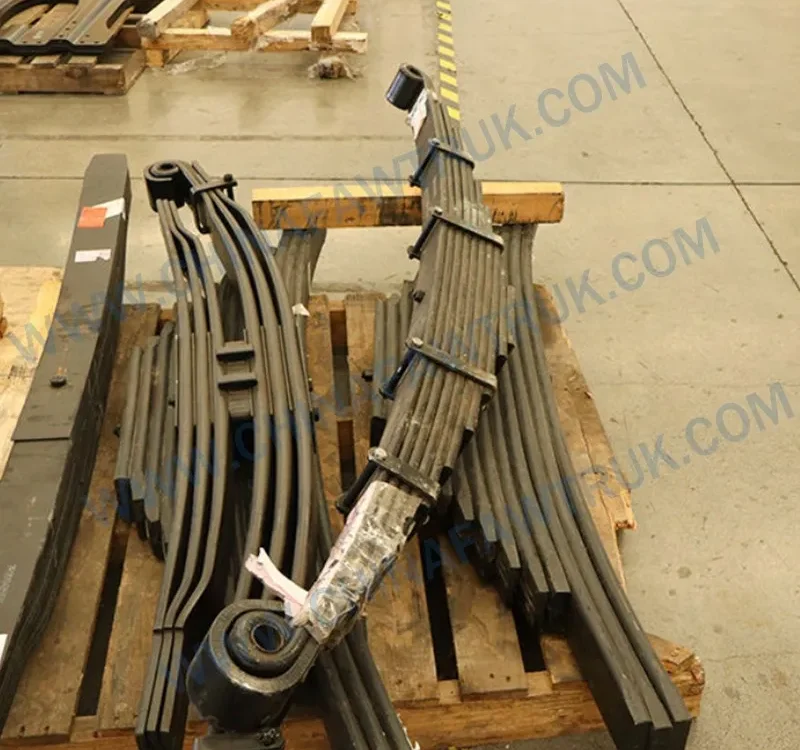
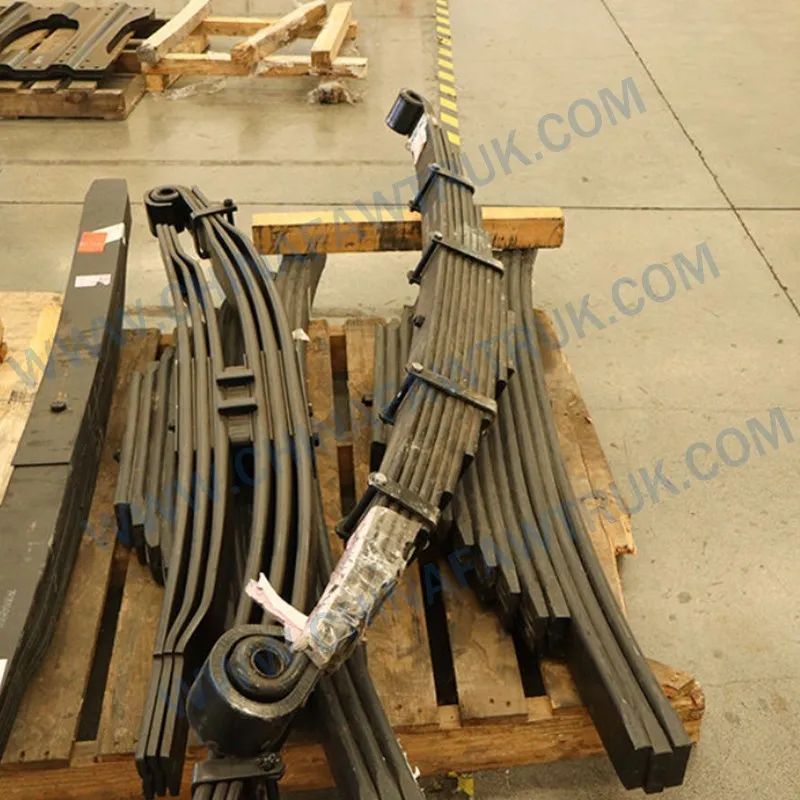
FAW parts, including the Cylinder Block Assembly, are packaged with care to ensure safe delivery. Each component is secured in protective materials to prevent damage during transit. The logistics network guarantees timely shipments worldwide, supporting efficient maintenance operations. Below is an image illustrating the standard packaging for FAW truck parts, showcasing the attention to detail in handling and storage.
This packaging approach minimizes the risk of corrosion or impact damage, ensuring that parts like the FAW Cylinder Block Assembly arrive in perfect condition. Customers can rely on FAW’s logistics for consistent quality and reliability.