FAW Russian Front Wheel Assembly: Deconstructing 6 Critical Parts for Extreme Cold Reliability
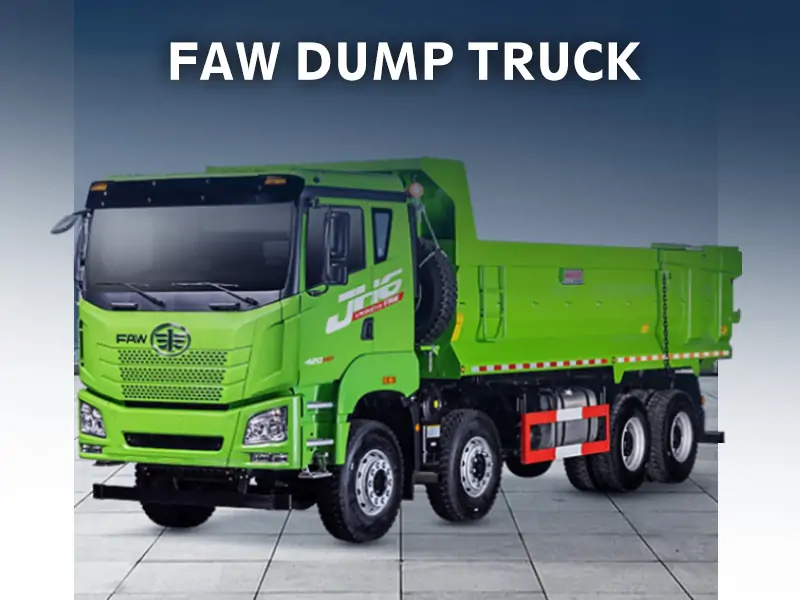
The FAW Russian Front Wheel Assembly is the kinetic heart of the CA3250P66K24L1TE5Z dump truck, engineered specifically to survive the Arctic climate. This FEAD system drives critical components like the alternator and water pump. This guide breaks down the assembly into maintainable units to ensure fleet uptime during the harshest Russian winters.

FAW Russian Front Wheel Assembly
The Strategic Importance of the FEAD System
In the heavy-duty logistics sector of the Russian Federation, the reliability of the FAW Russian Front Wheel Assembly (Front End Accessory Drive) is often the dividing line between a profitable delivery and a stranded vehicle. The CA3250P66K24L1TE5Z dump truck operates in environments where temperatures frequently plunge below -40°C. In such extremes, the physics of materials change: rubber becomes brittle, grease solidifies, and metal contracts. A standard wheel assembly designed for temperate climates would fail catastrophically within hours of operation.
The FAW Russian Front Wheel Assembly is not merely a collection of pulleys; it is a synchronized system responsible for maintaining the engine’s thermal and electrical equilibrium. It powers the water pump, which prevents the engine block from cracking due to thermal shock, and drives the alternator, which is essential for recharging the massive battery banks required for cold starts. Understanding the interaction between the belt, the tensioner, and the structural brackets allows maintenance teams to predict failures before they occur, shifting from a reactive repair model to a proactive maintenance strategy.
Poly V-Belt: The Primary Drive Medium
The most dynamic component within the FAW Russian Front Wheel Assembly is the Poly V-belt (Part No. 1023021-81D). This is not a generic off-the-shelf component. It is manufactured using a specialized EPDM (Ethylene Propylene Diene Monomer) synthetic rubber compound. EPDM is selected specifically for its resistance to ozone, heat, and, most importantly, extreme cold. Standard chloroprene belts would harden and crack instantly when the engine turns over in Siberian winter conditions. The belt used in this assembly retains its flexibility, ensuring it can wrap around the small diameter of the alternator pulley without delaminating.
The multi-ribbed design of the Poly V-belt is crucial for torque transmission. By increasing the surface area contact with the pulley grooves, the FAW Russian Front Wheel Assembly can transmit higher horsepower loads with lower tension requirements compared to single V-belts. This reduction in tension load prolongs the life of the accessory bearings. Furthermore, the belt features internal polyester tensile cords that are pre-stretched during manufacturing. This ensures that the belt maintains a precise length throughout its service life, keeping the tensioner within its optimal operating range and preventing the belt from jumping off the track during high-RPM gear shifts.
Another invisible enemy in Russian mining operations is abrasive dust. The Poly V-belt profile is engineered with specific groove angles that promote self-cleaning. As the belt rotates at high speed, centrifugal force ejects grit, ice, and slurry from the pulley grooves. If debris were allowed to accumulate, it would act like sandpaper, grinding down the aluminum pulleys and leading to belt misalignment. This self-cleaning feature is a subtle but vital aspect of the FAW Russian Front Wheel Assembly, ensuring longevity in environments where the air is thick with coal dust or road salt.
Precision Tension Control and Idler Dynamics
Consistent tension is the prerequisite for power transmission. The FAW Russian Front Wheel Assembly utilizes an automatic Tensioner Assembly (Part No. 1023010-36D) to manage the belt’s behavior. This unit contains a heavy-duty internal spring coupled with a hydraulic damping mechanism. Its role extends beyond simply pulling the belt tight; it must actively absorb the torsional vibrations generated by the diesel engine’s combustion strokes. Without this damping, the belt would whip violently between pulleys, causing noise and rapidly destroying the alternator bearings. The damping fluid inside the tensioner is formulated to resist viscosity changes, ensuring smooth operation even when the mercury drops.
Complementing the tensioner are two Idler Pulley Assembly units (Part No. 1023015-36D). These components guide the belt through the complex geometry of the engine front, ensuring maximum “wrap angle” on critical accessories. A higher wrap angle means more surface contact and less chance of slip under high electrical loads. The Idler Pulley Assembly is often the most stressed component in the FAW Russian Front Wheel Assembly due to its high rotational speed.
To survive these conditions, the idler pulleys are fitted with premium double-sealed bearings. These seals are designed to create a hermetic barrier against brine and moisture. Inside, the bearings are packed with a low-temperature synthetic grease that does not channel or freeze. If an inferior aftermarket idler is used in the FAW Russian Front Wheel Assembly, the grease may solidify, causing the bearing to seize. A seized idler will friction-burn through the belt in seconds, resulting in total engine accessory failure. Therefore, the integrity of these rotating parts is non-negotiable for winter reliability.
Structural Integrity: Brackets and Fasteners
The foundation of the entire system is the Front Wheel Train Bracket (Part No. 1023011-81D). This casting serves as the mounting interface between the engine block and the rotating components. The engineering behind the Front Wheel Train Bracket involves precise metallurgy. It is cast from high-grade iron that offers excellent vibrational damping properties. In the FAW Russian Front Wheel Assembly, this bracket must remain perfectly rigid. Any flex or thermal warping would misalign the pulleys, causing the belt to “chirp” or jump off its track. The mounting surfaces are machined to micron-level flatness to ensure perfect coplanarity with the crankshaft.
Securing this heavy bracket requires fasteners of exceptional quality. The assembly employs five Hexagon Flange Bolts (Part No. Q1841075). The “flange” design is critical; it acts as an integrated washer, distributing the clamping load over a wider surface area. This prevents the bolt head from digging into the bracket material under high torque. These bolts are designated as coarse-shank standard types, chosen for their resilience to stripping and their ability to hold torque during the thermal expansion cycles of the engine block. In the context of the FAW Russian Front Wheel Assembly, reusing old, stretched bolts is a common error that leads to bracket looseness.
Additionally, two specialized Combination Bolts (Part No. CQ1460835) are utilized in specific locations requiring distinct clearance or washer assemblies. These fasteners are treated with a corrosion-resistant coating to prevent them from seizing into the block after years of exposure to road salts. The integrity of the FAW Russian Front Wheel Assembly depends entirely on these seven bolts. If even one loosens, the resulting vibration can crack the bracket casting or shear the remaining bolts, leading to a complex and expensive extraction repair in the field.
Component Breakdown List
The table below provides the official parts list for the FAW Russian Front Wheel Assembly. When ordering replacements, referencing the exact part number is essential to ensure you receive the cold-weather specification components compatible with the CA3250P66K24L1TE5Z.
| No. |
Part Number |
Part Name |
Qty |
| 1 |
1023021-81D |
Poly V-belt |
1 |
| 2 |
CQ1460835 |
Combination Bolt |
2 |
| 3 |
1023010-36D |
Tensioner Assembly |
1 |
| 4 |
1023015-36D |
Idler Pulley Assembly |
2 |
| 5 |
Q1841075 |
Hexagon Flange Bolt (Coarse Shank/Standard) |
5 |
| 6 |
1023011-81D |
Front Wheel Train Bracket |
1 |
Diagnostic Protocols for Maintenance Teams
Proactive maintenance of the FAW Russian Front Wheel Assembly is the only way to guarantee winter readiness. The inspection protocol should begin with a visual check of the belt’s rib surface. Mechanics must look for “chunking”—where small pieces of the rubber ribs have broken away. This is often a sign of an aged belt or a misaligned pulley. In the Russian context, it is recommended to replace the belt annually before the first deep freeze, regardless of visual condition, as the cost of a belt is negligible compared to a tow truck bill from a remote ice road.
Diagnosing the Tensioner Assembly requires both visual and tactile inspection. Most tensioners feature cast-in limit marks on the housing. If the indicator arm is outside these marks, the belt is either stretched beyond service limits or the wrong belt length has been installed. Furthermore, with the belt removed, the tensioner arm should be cycled through its range of motion using a breaker bar. It should offer firm, smooth resistance. Any binding, clicking, or free-play indicates that the internal damping mechanism has failed, compromising the stability of the FAW Russian Front Wheel Assembly.
Finally, alignment must be verified using a laser alignment tool if possible, or a straight edge at minimum. Even a fraction of a degree of misalignment in the Front Wheel Train Bracket can generate excessive heat. When installing new fasteners like the Hexagon Flange Bolt, it is imperative to clean the threaded holes in the engine block. Old thread locker or rust can create false torque readings, leaving the bracket loose despite the torque wrench clicking. For the FAW Russian Front Wheel Assembly, using a medium-strength thread locker and adhering to factory torque specifications is critical for ensuring the assembly stays secure during thousands of miles of vibration.
Conclusion: The Value of Genuine Engineering
The FAW Russian Front Wheel Assembly is a testament to the engineering required to conquer one of the world’s most hostile driving environments. It is not a simple collection of spare parts; it is an integrated system where the metallurgy of the bracket, the chemistry of the belt rubber, and the hydraulics of the tensioner work in unison. Substituting any of these critical components with generic, non-validated parts introduces a weak link that will inevitably fail when the truck is most needed.
For fleet owners and operators of the CA3250P66K24L1TE5Z, investing in genuine FAW replacement parts is an investment in operational security. By understanding the specific roles of the Poly V-belt, the Tensioner Assembly, and the supporting hardware, maintenance teams can execute precise repairs that restore the vehicle to factory specifications. Keep your fleet moving, keep your drivers safe, and ensure your profitability by maintaining the integrity of the FAW Russian Front Wheel Assembly with the respect and quality parts it demands.
Packaging and Logistics
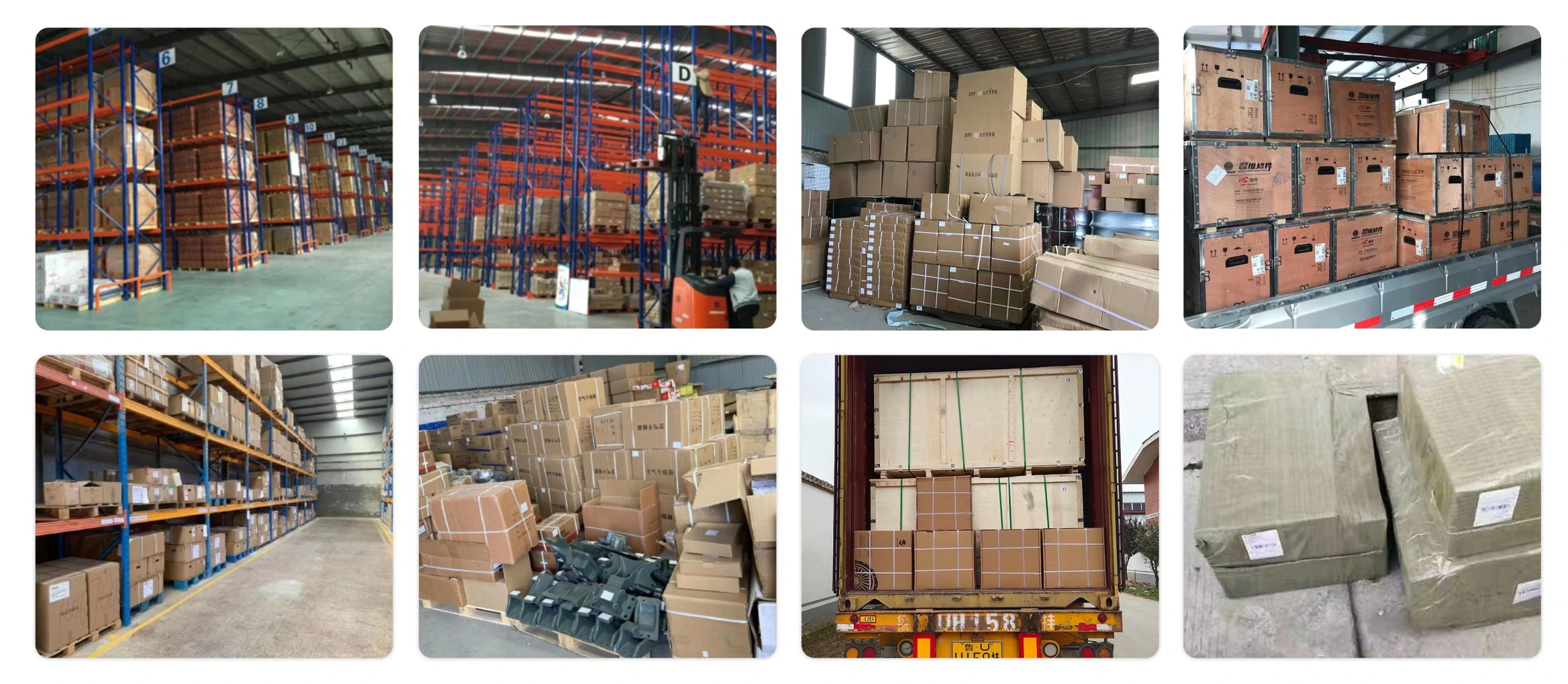
FAW parts, including the Cylinder Block Assembly, are packaged with care to ensure safe delivery. Each component is secured in protective materials to prevent damage during transit. The logistics network guarantees timely shipments worldwide, supporting efficient maintenance operations. Below is an image illustrating the standard packaging for FAW truck parts, showcasing the attention to detail in handling and storage.
This packaging approach minimizes the risk of corrosion or impact damage, ensuring that parts like the FAW Cylinder Block Assembly arrive in perfect condition. Customers can rely on FAW’s logistics for consistent quality and reliability.