Conjunto de rueda delantera rusa FAW: Deconstruyendo 6 Piezas críticas para la confiabilidad en frío extremo
El Conjunto de rueda delantera rusa FAW es el corazón cinético del camión volquete CA3250P66K24L1TE5Z, Diseñado específicamente para sobrevivir al clima ártico.. Este sistema FEAD impulsa componentes críticos como el alternador y la bomba de agua.. Esta guía divide el ensamblaje en unidades mantenibles para garantizar el tiempo de actividad de la flota durante los inviernos más duros de Rusia..

Conjunto de rueda delantera rusa FAW
La importancia estratégica del sistema FEAD
En el sector de la logística pesada de la Federación de Rusia, la confiabilidad del Conjunto de rueda delantera rusa FAW (Unidad de accesorios frontal) es a menudo la línea divisoria entre una entrega rentable y un vehículo varado. El camión volquete CA3250P66K24L1TE5Z opera en entornos donde las temperaturas frecuentemente caen por debajo de -40°C. En tales extremos, la física de los materiales cambia: el caucho se vuelve quebradizo, la grasa se solidifica, y contratos metálicos. Un conjunto de rueda estándar diseñado para climas templados fallaría catastróficamente a las pocas horas de funcionamiento..
El Conjunto de rueda delantera rusa FAW no es simplemente una colección de poleas; Es un sistema sincronizado responsable de mantener el equilibrio térmico y eléctrico del motor.. Alimenta la bomba de agua., que evita que el bloque del motor se agriete debido al choque térmico, y acciona el alternador, lo cual es esencial para recargar los enormes bancos de baterías necesarios para los arranques en frío.. Comprender la interacción entre el cinturón., el tensor, y los soportes estructurales permiten a los equipos de mantenimiento predecir fallas antes de que ocurran, Pasar de un modelo de reparación reactiva a una estrategia de mantenimiento proactivo..
Correa poli-V: El medio de accionamiento primario
El componente más dinámico dentro del Conjunto de rueda delantera rusa FAW es el Correa poli-V (Número de pieza. 1023021-81D). Este no es un componente genérico disponible en el mercado.. Está fabricado utilizando un EPDM especializado. (Monómero de etileno propileno dieno) compuesto de caucho sintético. El EPDM se selecciona específicamente por su resistencia al ozono., calor, y, lo más importante, frio extremo. Las correas estándar de cloropreno se endurecen y agrietan instantáneamente cuando el motor gira en las condiciones invernales de Siberia.. El cinturón utilizado en este conjunto conserva su flexibilidad., asegurando que pueda enrollarse alrededor del pequeño diámetro de la polea del alternador sin deslaminarse.
El diseño de múltiples nervaduras del Correa poli-V es crucial para la transmisión del par. Aumentando la superficie de contacto con las ranuras de la polea., el Conjunto de rueda delantera rusa FAW Puede transmitir cargas de mayor potencia con menores requisitos de tensión en comparación con las correas trapezoidales simples.. Esta reducción de la carga de tensión prolonga la vida útil de los rodamientos accesorios.. Además, El cinturón cuenta con cordones de tracción internos de poliéster que se preestiran durante la fabricación.. Esto asegura que la correa mantenga una longitud precisa durante toda su vida útil., mantener el tensor dentro de su rango de funcionamiento óptimo y evitar que la correa se salga de la pista durante los cambios de marcha a altas RPM.
Otro enemigo invisible en las operaciones mineras rusas es el polvo abrasivo. El Correa poli-V El perfil está diseñado con ángulos de ranura específicos que promueven la autolimpieza.. A medida que la correa gira a alta velocidad, la fuerza centrífuga expulsa arena, hielo, y lodo de las ranuras de la polea. Si se permitiera que se acumularan escombros, actuaría como papel de lija, Moler las poleas de aluminio y provocar una desalineación de la correa.. Esta característica de autolimpieza es un aspecto sutil pero vital del Conjunto de rueda delantera rusa FAW, Garantizar la longevidad en entornos donde el aire está lleno de polvo de carbón o sal de carretera..
Control de tensión de precisión y dinámica de rueda loca
Una tensión constante es el requisito previo para la transmisión de potencia. El Conjunto de rueda delantera rusa FAW utiliza un sistema automático Montaje del tensor (Número de pieza. 1023010-36D) para gestionar el comportamiento del cinturón. Esta unidad contiene un resorte interno de alta resistencia junto con un mecanismo de amortiguación hidráulica.. Su función va más allá de simplemente apretar el cinturón.; debe absorber activamente las vibraciones de torsión generadas por los tiempos de combustión del motor diésel.. Sin esta amortiguación, la correa azotaría violentamente entre las poleas, causando ruido y destruyendo rápidamente los cojinetes del alternador. El fluido amortiguador dentro del tensor está formulado para resistir cambios de viscosidad., asegurando un funcionamiento suave incluso cuando el mercurio baja.
Complementando el tensor hay dos Conjunto de polea loca unidades (Número de pieza. 1023015-36D). Estos componentes guían la correa a través de la compleja geometría de la parte delantera del motor., asegurando el máximo “ángulo de envoltura” en accesorios críticos. Un ángulo de envoltura más alto significa más contacto superficial y menos posibilidades de deslizamiento bajo cargas eléctricas elevadas.. El Conjunto de polea loca es a menudo el componente más estresado en el Conjunto de rueda delantera rusa FAW debido a su alta velocidad de rotación.
Para sobrevivir a estas condiciones, Las poleas locas están equipadas con rodamientos premium de doble sellado.. Estos sellos están diseñados para crear una barrera hermética contra la salmuera y la humedad.. Adentro, Los rodamientos están llenos de una grasa sintética de baja temperatura que no se canaliza ni se congela.. Si se utiliza una rueda guía de posventa inferior en el Conjunto de rueda delantera rusa FAW, la grasa puede solidificarse, causando que el rodamiento se atasque. Una rueda guía atascada quemará la correa por fricción en segundos, lo que resulta en una falla total de los accesorios del motor. Por lo tanto, La integridad de estas piezas giratorias no es negociable para la fiabilidad en invierno..
Integridad estructural: Soportes y sujetadores
La base de todo el sistema es la Soporte del tren de rueda delantera (Número de pieza. 1023011-81D). Esta fundición sirve como interfaz de montaje entre el bloque del motor y los componentes giratorios.. La ingeniería detrás del Soporte del tren de rueda delantera implica metalurgia precisa. Está fabricado con hierro de alta calidad que ofrece excelentes propiedades de amortiguación de vibraciones.. En el Conjunto de rueda delantera rusa FAW, este soporte debe permanecer perfectamente rígido. Cualquier flexión o deformación térmica desalinearía las poleas., causando que el cinturón “chirrido” o saltar fuera de su pista. Las superficies de montaje están mecanizadas a nivel de micras para garantizar una perfecta coplanaridad con el cigüeñal..
Asegurar este soporte pesado requiere sujetadores de calidad excepcional. La asamblea emplea a cinco Pernos de brida hexagonal (Número de pieza. Q1841075). El “brida” el diseño es crítico; actúa como una lavadora integrada, Distribuir la carga de sujeción sobre una superficie más amplia.. Esto evita que la cabeza del perno se clave en el material del soporte bajo un torque elevado.. Estos pernos están designados como tipos estándar de mango grueso., elegidos por su resistencia al desgaste y su capacidad para mantener el par durante los ciclos de expansión térmica del bloque del motor.. En el contexto de la Conjunto de rueda delantera rusa FAW, reutilizar viejo, Los pernos estirados son un error común que provoca que el soporte se afloje..
Además, dos especializados Pernos combinados (Número de pieza. CQ1460835) Se utilizan en ubicaciones específicas que requieren conjuntos de arandelas o espacios libres distintos.. Estos sujetadores están tratados con un recubrimiento resistente a la corrosión para evitar que se atasquen en el bloque después de años de exposición a las sales de la carretera.. La integridad de la Conjunto de rueda delantera rusa FAW Depende enteramente de estos siete tornillos.. Si incluso uno se suelta, La vibración resultante puede agrietar la fundición del soporte o cortar los pernos restantes., lo que lleva a una reparación de extracción compleja y costosa en el campo.
Lista de desglose de componentes
La siguiente tabla proporciona la lista oficial de piezas para el Conjunto de rueda delantera rusa FAW. Al pedir reemplazos, Hacer referencia al número de pieza exacto es esencial para garantizar que reciba los componentes con especificaciones para climas fríos compatibles con CA3250P66K24L1TE5Z..
| No. |
Número de pieza |
Nombre de la pieza |
Cantidad |
| 1 |
1023021-81D |
Correa poli-V |
1 |
| 2 |
CQ1460835 |
Perno combinado |
2 |
| 3 |
1023010-36D |
Montaje del tensor |
1 |
| 4 |
1023015-36D |
Conjunto de polea loca |
2 |
| 5 |
Q1841075 |
Perno de brida hexagonal (Vástago grueso/estándar) |
5 |
| 6 |
1023011-81D |
Soporte del tren de rueda delantera |
1 |
Protocolos de diagnóstico para equipos de mantenimiento
Mantenimiento proactivo de la Conjunto de rueda delantera rusa FAW es la única manera de garantizar la preparación para el invierno. El protocolo de inspección debe comenzar con una verificación visual de la superficie de las nervaduras de la correa.. Los mecánicos deben buscar. “fragmentar”—donde se han desprendido pequeños trozos de las nervaduras de goma. Esto suele ser un signo de una correa vieja o una polea desalineada.. En el contexto ruso, Se recomienda reemplazar la correa anualmente antes de la primera congelación., independientemente de la condición visual, ya que el coste de un cinturón es insignificante en comparación con la factura de una grúa en una remota carretera helada.
Diagnóstico del Montaje del tensor Requiere inspección tanto visual como táctil.. La mayoría de los tensores cuentan con marcas de límite fundidas en la carcasa.. Si el brazo indicador está fuera de estas marcas, la correa está estirada más allá de los límites de servicio o se ha instalado la longitud incorrecta de la correa. Además, con el cinturón quitado, El brazo tensor debe recorrer su rango de movimiento utilizando una barra rompedora.. Debe ofrecer firme, resistencia suave. Cualquier vinculación, haciendo clic, o juego libre indica que el mecanismo de amortiguación interno ha fallado, comprometiendo la estabilidad del Conjunto de rueda delantera rusa FAW.
Finalmente, La alineación debe verificarse utilizando una herramienta de alineación láser si es posible., o una regla como mínimo. Incluso una fracción de grado de desalineación en el Soporte del tren de rueda delantera puede generar calor excesivo. Al instalar sujetadores nuevos como el Perno de brida hexagonal, es imperativo limpiar los orificios roscados en el bloque del motor. El fijador de roscas viejo o el óxido pueden crear lecturas de torsión falsas, dejando el soporte suelto a pesar de que la llave dinamométrica haga clic. Para el Conjunto de rueda delantera rusa FAW, Usar un fijador de roscas de resistencia media y cumplir con las especificaciones de torsión de fábrica es fundamental para garantizar que el conjunto se mantenga seguro durante miles de kilómetros de vibración..
Conclusión: El valor de la ingeniería genuina
El Conjunto de rueda delantera rusa FAW es un testimonio de la ingeniería necesaria para conquistar uno de los entornos de conducción más hostiles del mundo.. No es una simple colección de repuestos; es un sistema integrado donde la metalurgia del bracket, la química del caucho del cinturón, y el sistema hidráulico del tensor trabajan al unísono. Sustituir cualquiera de estos componentes críticos por genéricos, Las piezas no validadas introducen un eslabón débil que inevitablemente fallará cuando el camión sea más necesario..
Para propietarios y operadores de flotas del CA3250P66K24L1TE5Z, Invertir en repuestos originales FAW es una inversión en seguridad operativa.. Al comprender las funciones específicas de los Correa poli-V, el Montaje del tensor, y el hardware de soporte, Los equipos de mantenimiento pueden ejecutar reparaciones precisas que restablecen el vehículo a las especificaciones de fábrica.. Mantenga su flota en movimiento, mantenga a sus conductores seguros, y asegurar su rentabilidad manteniendo la integridad de la Conjunto de rueda delantera rusa FAW con el respeto y calidad que exige.
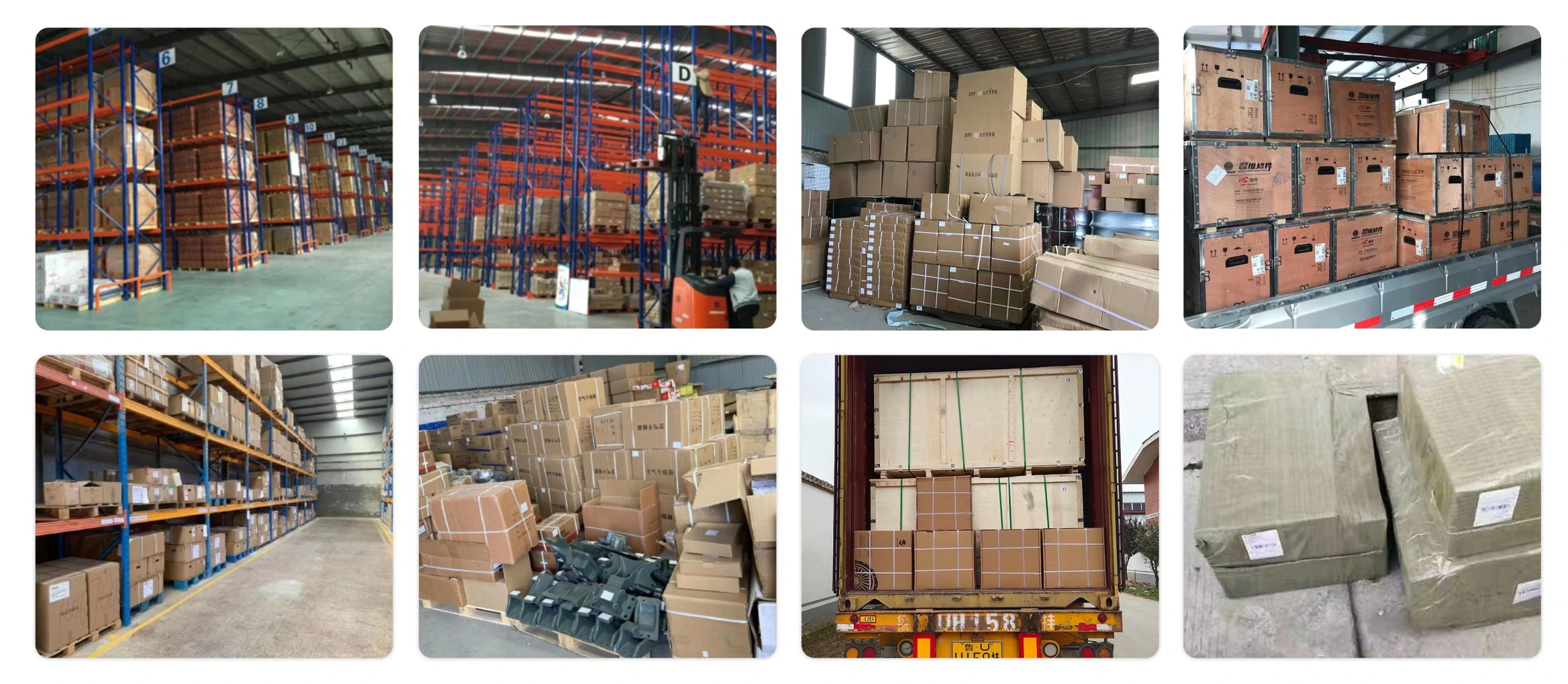
Embalaje y Logística
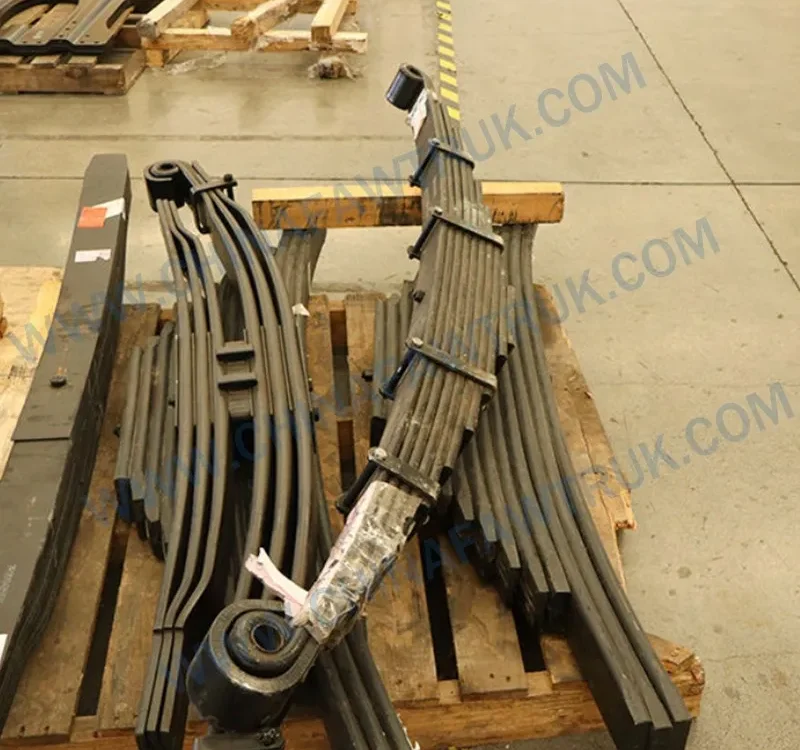
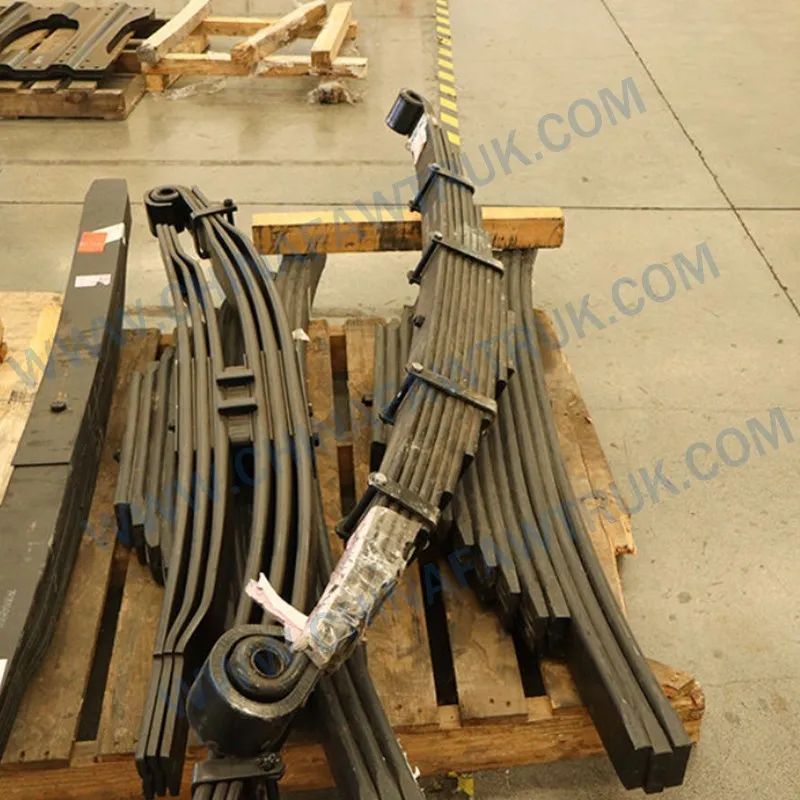
piezas FAW, incluido el conjunto del bloque de cilindros, Se empaquetan con cuidado para garantizar una entrega segura.. Cada componente está asegurado con materiales protectores para evitar daños durante el transporte.. La red logística garantiza envíos puntuales en todo el mundo., apoyando operaciones de mantenimiento eficientes. A continuación se muestra una imagen que ilustra el embalaje estándar de las piezas de camiones FAW., mostrando la atención al detalle en el manejo y almacenamiento.
Este enfoque de embalaje minimiza el riesgo de corrosión o daños por impacto., asegurando que piezas como el conjunto de bloque de cilindros FAW lleguen en perfectas condiciones. Los clientes pueden confiar en la logística de FAW para obtener calidad y confiabilidad constantes.