Conjunto de roda dianteira russa FAW: Desconstruindo 6 Peças críticas para confiabilidade extrema em frio
O Conjunto de roda dianteira russa FAW é o coração cinético do caminhão basculante CA3250P66K24L1TE5Z, projetado especificamente para sobreviver ao clima do Ártico. Este sistema FEAD aciona componentes críticos como o alternador e a bomba de água. Este guia divide a montagem em unidades de fácil manutenção para garantir a disponibilidade da frota durante os invernos mais rigorosos da Rússia..

Conjunto de roda dianteira russa FAW
A importância estratégica do sistema FEAD
No setor de logística pesada da Federação Russa, a confiabilidade do Conjunto de roda dianteira russa FAW (Unidade de acessório frontal) é muitas vezes a linha divisória entre uma entrega lucrativa e um veículo encalhado. O caminhão basculante CA3250P66K24L1TE5Z opera em ambientes onde as temperaturas frequentemente caem abaixo de -40°C. Em tais extremos, a física dos materiais muda: borracha fica quebradiça, graxa solidifica, e contratos de metal. Um conjunto de rodas padrão projetado para climas temperados falharia catastroficamente poucas horas após a operação.
O Conjunto de roda dianteira russa FAW não é apenas uma coleção de polias; é um sistema sincronizado responsável por manter o equilíbrio térmico e elétrico do motor. Ele alimenta a bomba d'água, que evita que o bloco do motor rache devido a choque térmico, e aciona o alternador, o que é essencial para recarregar os enormes bancos de baterias necessários para partidas a frio. Compreendendo a interação entre o cinto, o tensor, e os suportes estruturais permitem que as equipes de manutenção prevejam falhas antes que elas ocorram, mudando de um modelo de reparo reativo para uma estratégia de manutenção proativa.
Correia Poli V: O meio de unidade principal
O componente mais dinâmico dentro do Conjunto de roda dianteira russa FAW é o Correia poli V (Parte não. 1023021-81D). Este não é um componente genérico pronto para uso. É fabricado usando um EPDM especializado (Monômero de etileno propileno dieno) composto de borracha sintética. EPDM é selecionado especificamente por sua resistência ao ozônio, aquecer, e, o mais importante, frio extremo. As correias de cloropreno padrão endureceriam e quebrariam instantaneamente quando o motor ligasse nas condições de inverno da Sibéria. A correia usada nesta montagem mantém sua flexibilidade, garantindo que ele possa envolver o pequeno diâmetro da polia do alternador sem delaminação.
O design multi-nervurado do Correia poli V é crucial para a transmissão de torque. Aumentando a área de contato da superfície com as ranhuras da polia, o Conjunto de roda dianteira russa FAW pode transmitir cargas de potência mais altas com requisitos de tensão mais baixos em comparação com correias em V simples. Esta redução na carga de tensão prolonga a vida útil dos rolamentos acessórios. Além disso, a correia possui cordões elásticos internos de poliéster que são pré-esticados durante a fabricação. Isso garante que a correia mantenha um comprimento preciso durante toda a sua vida útil, mantendo o tensor dentro de sua faixa operacional ideal e evitando que a correia salte da pista durante mudanças de marcha em altas RPM.
Outro inimigo invisível nas operações de mineração russas é o pó abrasivo. O Correia poli V O perfil é projetado com ângulos de ranhura específicos que promovem a autolimpeza. À medida que a correia gira em alta velocidade, força centrífuga ejeta areia, gelo, e lama das ranhuras da polia. Se os detritos pudessem se acumular, funcionaria como uma lixa, retificando as polias de alumínio e levando ao desalinhamento da correia. Este recurso de autolimpeza é um aspecto sutil, mas vital do Conjunto de roda dianteira russa FAW, garantindo longevidade em ambientes onde o ar é denso com pó de carvão ou sal rodoviário.
Controle preciso de tensão e dinâmica de marcha lenta
Tensão consistente é o pré-requisito para transmissão de energia. O Conjunto de roda dianteira russa FAW utiliza um automático Conjunto tensor (Parte não. 1023010-36D) para gerenciar o comportamento do cinto. Esta unidade contém uma mola interna resistente acoplada a um mecanismo de amortecimento hidráulico. Seu papel vai além de simplesmente apertar o cinto; deve absorver ativamente as vibrações de torção geradas pelos cursos de combustão do motor diesel. Sem esse amortecimento, a correia chicotearia violentamente entre as polias, causando ruído e destruindo rapidamente os rolamentos do alternador. O fluido de amortecimento dentro do tensor é formulado para resistir a mudanças de viscosidade, garantindo uma operação suave mesmo quando o mercúrio cai.
Complementando o tensor estão dois Conjunto de polia intermediária unidades (Parte não. 1023015-36D). Esses componentes guiam a correia através da geometria complexa da frente do motor, garantindo o máximo “ângulo de enrolamento” em acessórios críticos. Um ângulo de envolvimento mais alto significa mais contato com a superfície e menos chance de deslizamento sob altas cargas elétricas. O Conjunto de polia intermediária é muitas vezes o componente mais estressado no Conjunto de roda dianteira russa FAW devido à sua alta velocidade de rotação.
Para sobreviver a essas condições, as polias intermediárias são equipadas com rolamentos premium com vedação dupla. Essas vedações são projetadas para criar uma barreira hermética contra salmoura e umidade. Dentro, os rolamentos são embalados com uma graxa sintética de baixa temperatura que não canaliza nem congela. Se uma polia de reposição inferior for usada no Conjunto de roda dianteira russa FAW, a graxa pode solidificar, fazendo com que o rolamento emperre. Uma polia emperrada queimará a correia por fricção em segundos, resultando em falha total dos acessórios do motor. Portanto, a integridade dessas peças rotativas não é negociável para confiabilidade no inverno.
Integridade Estrutural: Suportes e fixadores
A base de todo o sistema é a Suporte do trem da roda dianteira (Parte não. 1023011-81D). Esta peça fundida serve como interface de montagem entre o bloco do motor e os componentes rotativos. A engenharia por trás do Suporte do trem da roda dianteira envolve metalurgia precisa. É fundido em ferro de alta qualidade que oferece excelentes propriedades de amortecimento vibracional. No Conjunto de roda dianteira russa FAW, este suporte deve permanecer perfeitamente rígido. Qualquer flexão ou deformação térmica desalinharia as polias, fazendo com que a correia “chilro” ou pular fora do caminho. As superfícies de montagem são usinadas em nível de mícron para garantir coplanaridade perfeita com o virabrequim.
Proteger este suporte pesado requer fixadores de qualidade excepcional. A assembleia emprega cinco Parafusos de flange hexágono (Parte não. Q1841075). O “mesa” design é crítico; atua como uma lavadora integrada, distribuindo a carga de fixação sobre uma área de superfície mais ampla. Isso evita que a cabeça do parafuso penetre no material do suporte sob alto torque. Esses parafusos são designados como tipos padrão de haste grossa, escolhidos por sua resiliência ao desgaste e sua capacidade de manter o torque durante os ciclos de expansão térmica do bloco do motor. No contexto do Conjunto de roda dianteira russa FAW, reutilizando o antigo, parafusos esticados é um erro comum que leva à folga do suporte.
Adicionalmente, dois especializados Parafusos Combinados (Parte não. CQ1460835) são utilizados em locais específicos que exigem folgas distintas ou conjuntos de arruelas. Esses fixadores são tratados com um revestimento resistente à corrosão para evitar que grudem no bloco após anos de exposição aos sais da estrada.. A integridade do Conjunto de roda dianteira russa FAW depende inteiramente desses sete parafusos. Se pelo menos um se soltar, a vibração resultante pode rachar a peça fundida do suporte ou cortar os parafusos restantes, levando a um reparo de extração complexo e caro no campo.
Lista detalhada de componentes
A tabela abaixo fornece a lista oficial de peças para o Conjunto de roda dianteira russa FAW. Ao solicitar substituições, referenciar o número exato da peça é essencial para garantir que você receba os componentes de especificação para climas frios compatíveis com o CA3250P66K24L1TE5Z.
| Não. |
Número da peça |
Nome da peça |
Quantidade |
| 1 |
1023021-81D |
Correia poli V |
1 |
| 2 |
CQ1460835 |
Parafuso de combinação |
2 |
| 3 |
1023010-36D |
Conjunto tensor |
1 |
| 4 |
1023015-36D |
Conjunto de polia intermediária |
2 |
| 5 |
Q1841075 |
Parafuso de flange hexagonal (Haste Grossa/Padrão) |
5 |
| 6 |
1023011-81D |
Suporte do trem da roda dianteira |
1 |
Protocolos de diagnóstico para equipes de manutenção
Manutenção proativa do Conjunto de roda dianteira russa FAW é a única maneira de garantir a preparação para o inverno. O protocolo de inspeção deve começar com uma verificação visual da superfície das costelas da correia. Os mecânicos devem procurar “fragmentação”—onde pequenos pedaços das nervuras de borracha se quebraram. Isso geralmente é um sinal de uma correia envelhecida ou de uma polia desalinhada. No contexto russo, recomenda-se substituir a correia anualmente antes do primeiro congelamento profundo, independentemente da condição visual, já que o custo de um cinto é insignificante em comparação com a conta de um guincho de uma remota estrada de gelo.
Diagnosticando o Conjunto tensor requer inspeção visual e tátil. A maioria dos tensores apresenta marcas de limite fundidas na carcaça. Se o braço indicador estiver fora dessas marcas, a correia está esticada além dos limites de serviço ou o comprimento errado da correia foi instalado. Além disso, com o cinto removido, o braço tensor deve ser alternado em sua amplitude de movimento usando uma barra disjuntora. Deve oferecer empresa, resistência suave. Qualquer ligação, clicando, ou folga indica que o mecanismo de amortecimento interno falhou, comprometendo a estabilidade do Conjunto de roda dianteira russa FAW.
Finalmente, o alinhamento deve ser verificado usando uma ferramenta de alinhamento a laser, se possível, ou uma régua no mínimo. Mesmo uma fração de grau de desalinhamento no Suporte do trem da roda dianteira pode gerar calor excessivo. Ao instalar novos fixadores como o Parafuso de flange hexagonal, é imperativo limpar os orifícios roscados no bloco do motor. Bloqueio de rosca velho ou ferrugem podem criar leituras de torque falsas, deixando o suporte solto apesar do clique da chave de torque. Para o Conjunto de roda dianteira russa FAW, usar um trava-rosca de resistência média e aderir às especificações de torque de fábrica é fundamental para garantir que a montagem permaneça segura durante milhares de quilômetros de vibração.
Conclusão: O valor da engenharia genuína
O Conjunto de roda dianteira russa FAW é uma prova da engenharia necessária para conquistar um dos ambientes de condução mais hostis do mundo. Não é uma simples coleção de peças de reposição; é um sistema integrado onde a metalurgia do braquete, a química da borracha do cinto, e o sistema hidráulico do tensor funciona em uníssono. Substituindo qualquer um desses componentes críticos por genéricos, peças não validadas introduzem um elo fraco que inevitavelmente falhará quando o caminhão for mais necessário.
Para proprietários de frotas e operadores do CA3250P66K24L1TE5Z, investir em peças de reposição originais FAW é um investimento em segurança operacional. Ao compreender as funções específicas do Correia poli V, o Conjunto tensor, e o hardware de suporte, as equipes de manutenção podem executar reparos precisos que restauram o veículo às especificações de fábrica. Mantenha sua frota em movimento, mantenha seus motoristas seguros, e garanta sua lucratividade, mantendo a integridade do Conjunto de roda dianteira russa FAW com o respeito e peças de qualidade que exige.
Embalagem e Logística
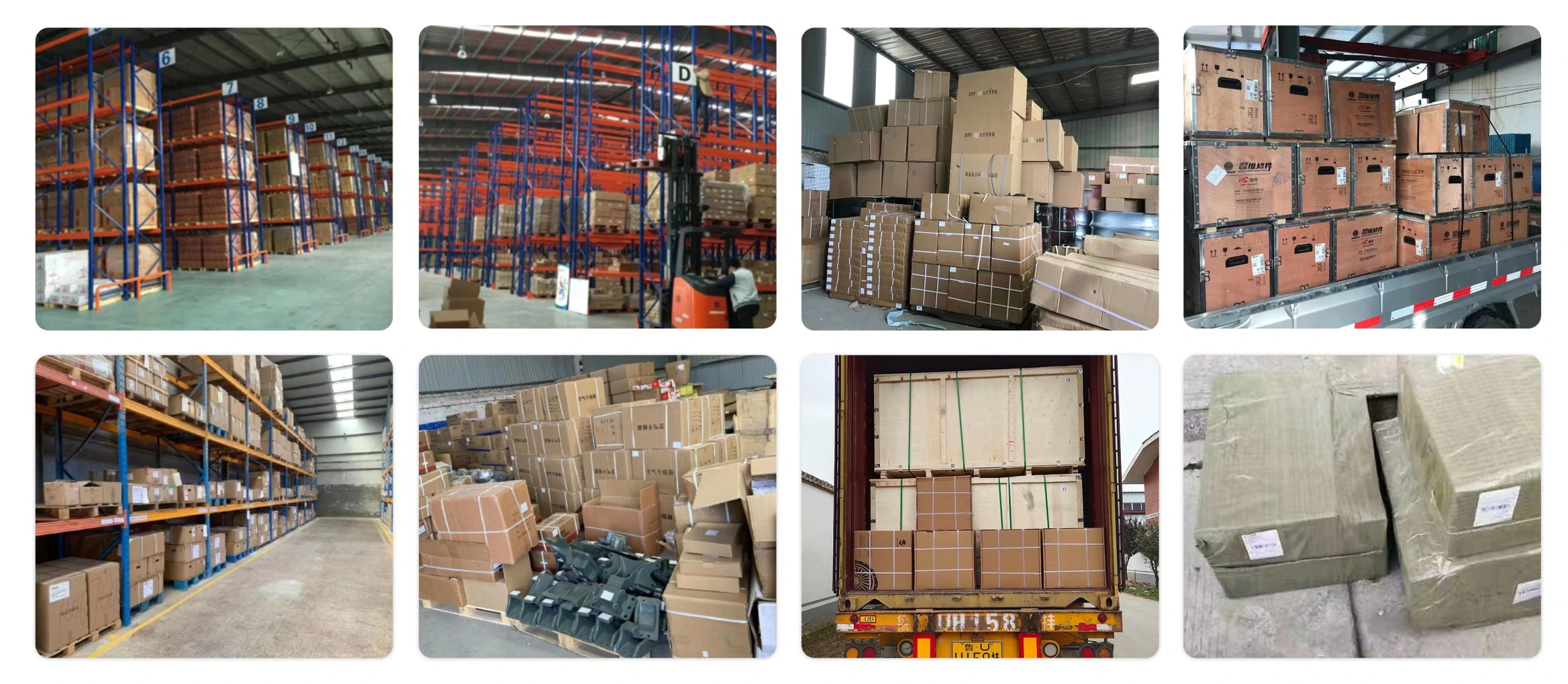
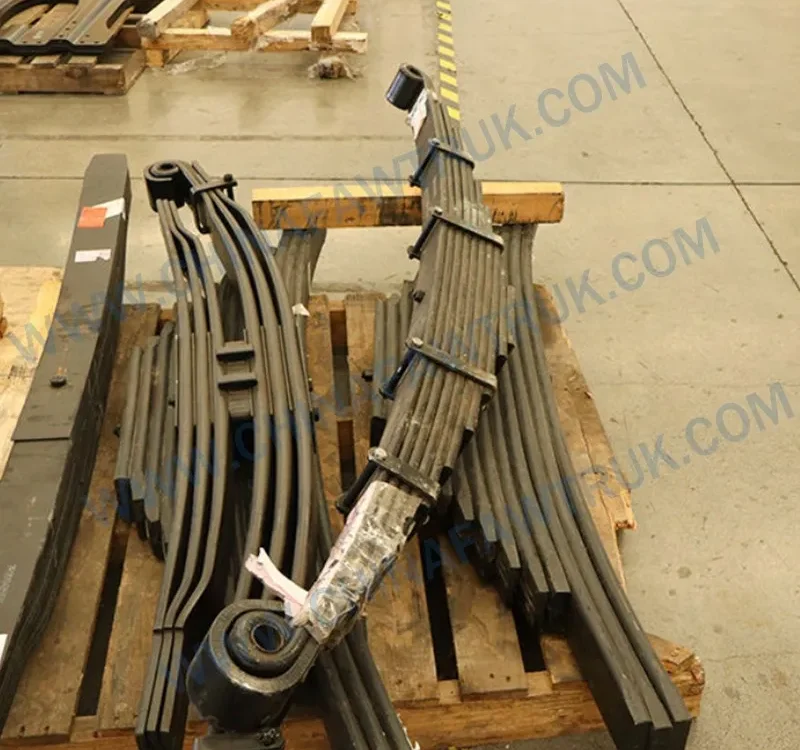
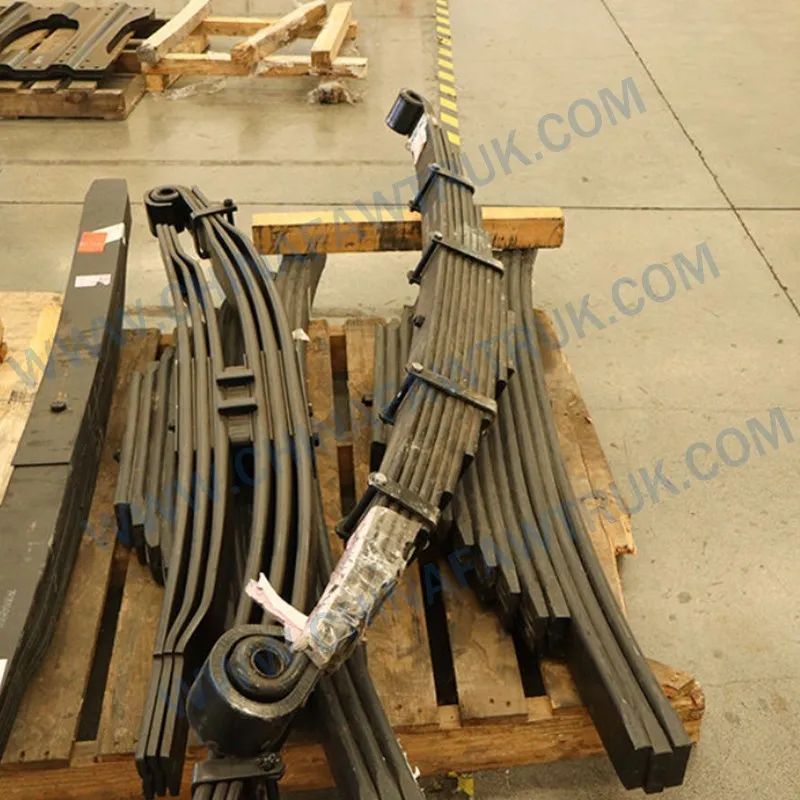
Peças FAW, incluindo o conjunto do bloco de cilindros, são embalados com cuidado para garantir uma entrega segura. Cada componente é protegido por materiais de proteção para evitar danos durante o transporte. A rede logística garante envios pontuais em todo o mundo, apoiando operações de manutenção eficientes. Abaixo está uma imagem ilustrando a embalagem padrão para peças de caminhão FAW, mostrando a atenção aos detalhes no manuseio e armazenamento.
Esta abordagem de embalagem minimiza o risco de corrosão ou danos por impacto, garantindo que peças como o conjunto do bloco de cilindros FAW cheguem em perfeitas condições. Os clientes podem confiar na logística da FAW para obter qualidade e confiabilidade consistentes.