FAW Russian Air Compressor: Deconstructing 16 Critical Parts for Braking Reliability
The FAW Russian Air Compressor serves as the pneumatic heart of the CA3250P66K24L1TE5Z dump truck, specifically engineered for Arctic safety. Operating in sub-zero Russian winters, this assembly ensures consistent brake pressure and suspension control. This guide dissects the unit into its maintainable components, from gears to seals, providing essential knowledge for fleet operators preventing freeze-ups in extreme cold.


FAW Russian Air Compressor
The Mechanical Core: Compressor Assembly and Drive Logic
The central component of the pneumatic system is the Air Compressor Assembly (Part No. 3509010-53D). In the context of the FAW Russian Air Compressor, this is not a standard off-the-shelf pump. It is a specialized reciprocating piston unit featuring a reinforced cast iron block. This heavy-duty construction is designed explicitly to withstand the rapid thermal expansion cycles characteristic of Russian operations.
When a truck starts in -40°C weather and immediately begins hauling heavy loads, the temperature differential between the freezing intake air and the combustion-heated engine block is immense. Standard castings would suffer from stress fractures or “thermal shock.” This assembly utilizes a high-nickel iron alloy to mitigate these risks, ensuring the cylinder bore remains perfectly round to maintain compression efficiency.
Power transmission to the compressor is achieved through the Air Compressor Driven Gear (Part No. 1006047-81D). This helical gear meshes directly with the engine’s timing gear train. The precision of this interface is critical for the FAW Russian Air Compressor. Any backlash or “slop” in the gear mesh would not only create excessive noise but would also transmit damaging torsional vibrations into the compressor crankshaft.
FAW utilizes a case-hardened steel for this gear, providing a wear-resistant surface that can endure thousands of hours of operation without pitting. This ensures that the compressor timing remains synchronized, providing optimal air delivery volume at all engine RPMs. Consistent air delivery is crucial for maintaining brake tank pressure during long, steep descents typical of mining roads.
To seal this rotating assembly against the engine block, the system employs a specialized O-ring Seal (Part No. Q734B15000265). While visually simple, this O-ring is chemically engineered for the FAW Russian Air Compressor environment. It is composed of a Viton-based elastomer that resists both high-temperature engine oil and extreme low ambient temperatures.
Thermodynamics: Lubrication and Cooling Circuits
The longevity of the FAW Russian Air Compressor is entirely dependent on its life-support systems: lubrication and cooling. Pressurized oil is delivered via the Oil Inlet Pipe Assembly (Part No. 3509050-53D). This steel tube is precision-bent to navigate the complex topography of the engine block without rubbing against other components. The pipe’s internal diameter is calibrated to restrict flow slightly, ensuring that while the compressor receives adequate lubrication, it does not rob the main engine bearings of critical oil pressure.
The connection points are secured using the Hinged Bolt (Part No. 3509053-29D), a specialized banjo bolt. This allows fluid transfer through its hollow core while providing a low-profile mounting solution. Sealing these high-pressure oil connections requires the use of the Copper Washer 10X16 (Part No. Q/WC3403-1994-3). In the FAW Russian Air Compressor assembly, copper is chosen over steel or aluminum for its ductility.
When the banjo bolt is torqued, the copper washer crushes slightly. It conforms to the microscopic surface irregularities of the bolt and the pipe fitting. This creates a metal-to-metal seal that is impervious to the vibration and pressure spikes of the oil system. Reusing these washers is a common maintenance error; once crushed, they work-harden and lose their sealing ability.
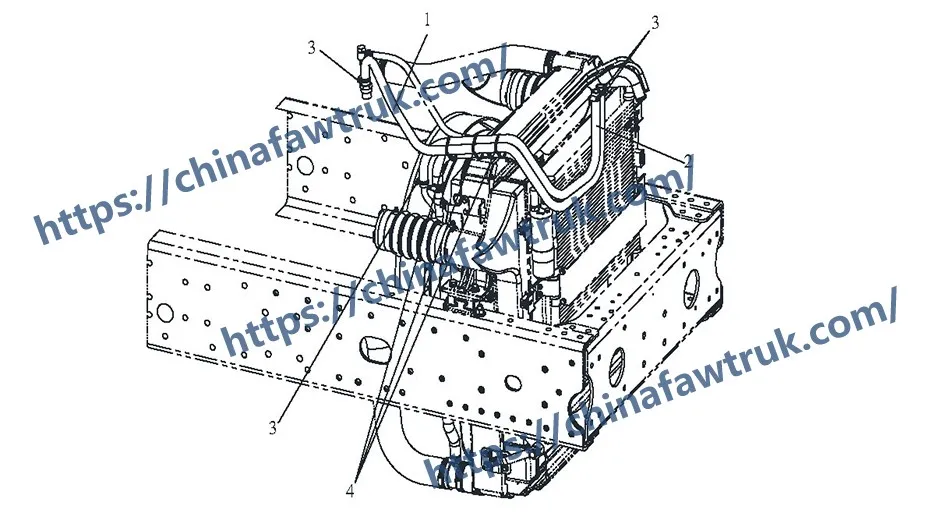
Parallel to the oil system is the critical cooling circuit, comprising the Air Compressor Inlet Water Pipe Assembly (Part No. 3509030-53D) and the Air Compressor Return Water Pipe Assembly (Part No. 3509020-53D). Compressing air is an exothermic process, generating temperatures that can exceed 200°C. In the FAW Russian Air Compressor, coolant is circulated through the head to dissipate this heat.
Crucially, in winter, this coolant also warms the compressor block, preventing moisture in the oil from freezing and ensuring smooth piston movement. These larger fluid lines are secured with heavy-duty Hinged Bolts (M14X1.5) (Part No. Q/XC3451.1-2002) and sealed with larger Washers (14X20) (Part No. Q/WC3403-94) to handle the higher flow rate of the cooling system.
Air Intake Architecture and Vibration Isolation
The purity of the air entering the system dictates the lifespan of the piston rings and valves. The Air Compressor Intake Pipe (Part No. 3509314-55R) is the dedicated conduit connecting the compressor to the truck’s main filtration unit. This pipe is made from a reinforced polymer composite designed to resist collapse under high vacuum.
In the dusty mining environments where the FAW Russian Air Compressor often operates, any breach in this intake line allows silica dust to enter the cylinder. This dust acts as a grinding paste, rapidly wearing down the cylinder walls and destroying compression. Securement is achieved via the Worm Drive Hose Clamp (Part No. Q67635B), which provides uniform radial pressure to ensure a leak-free seal.
To manage the immense vibration generated by both the engine and the reciprocating action of the compressor, the system utilizes robust structural supports. The Bracket (Part No. 3509032-29D) is used in multiple locations to clamp the long steel oil and water pipes to the engine block. Without these brackets, the cantilevered weight of the fluid-filled pipes would cause them to resonate and eventually fracture near the connection points.
Finally, the mounting of the compressor itself is handled by high-tensile Hexagon Flange Bolts (Part No. Q1841035 and Q1841025). The flange head design eliminates the need for separate flat washers, distributing the clamping load over a wider area of the compressor’s cast mounting ears. This prevents the bolt head from digging into the softer cast iron. In the FAW Russian Air Compressor, correct torque application on these bolts is vital to prevent catastrophic engine failure.
Component Breakdown List
The following table consolidates the complete parts breakdown for the FAW Russian Air Compressor system. Fleet maintenance managers should reference these specific part numbers to ensure compatibility with the CA3250P66K24L1TE5Z cold-weather specification.
| No. |
Part Number |
Part Name |
Qty |
| 1 |
3509010-53D |
Air Compressor Assembly |
1 |
| 2 |
Q734B15000265 |
O-ring Seal |
1 |
| 3 |
1006047-81D |
Air Compressor Driven Gear |
1 |
| 4 |
Q1841035 |
Hexagon Flange Bolt (Coarse/Standard) |
4 |
| 5 |
Q1841025 |
Hexagon Flange Bolt (Coarse/Standard) |
1 |
| 6 |
3509050-53D |
Oil Inlet Pipe Assembly |
1 |
| 7 |
3509053-29D |
Hinged Bolt |
2 |
| 8 |
Q/WC3403-1994-3 |
Copper Washer 10X16 |
4 |
| 9 |
3509020-53D |
Air Compressor Return Water Pipe Assembly |
1 |
| 10 |
Q/XC3451.1-2002 |
Hinged Bolt (M14X1.5) |
4 |
| 11 |
Q/WC3403-94 |
Washer (14X20) |
8 |
| 12 |
3509030-53D |
Air Compressor Inlet Water Pipe Assembly |
1 |
| 13 |
3509032-29D |
Bracket |
3 |
| 14 |
3509314-55R |
Air Compressor Intake Pipe |
1 |
| 15 |
Q67635B |
Worm Drive Hose Clamp |
2 |
| 16 |
Q1841035 |
Hexagon Flange Bolt |
3 |
Proactive Diagnostics for Severe Service
Maintaining the FAW Russian Air Compressor in peak condition is a non-negotiable aspect of vehicle safety, particularly when operating in the remote regions of the Russian Federation. The most common failure mode in winter is moisture accumulation leading to ice blockages. Mechanics must regularly inspect the Air Compressor Inlet Water Pipe Assembly to ensure coolant is flowing freely.
A blockage here prevents the compressor head from warming up, causing the moisture in the compressed air to freeze in the unloader valve. This results in the system failing to build pressure, leaving the truck with no brakes and no suspension control. Daily draining of the wet tank is mandatory, but ensuring the compressor’s thermal regulation system is functional is the root preventative measure.
Another critical inspection point is the integrity of the lubrication lines. The Oil Inlet Pipe Assembly is subjected to intense vibration. Mechanics should check the tightness of the Hinged Bolt at every oil change interval. If the Copper Washer 10X16 shows any signs of weeping oil, it must be replaced immediately.
A small leak here not only causes a mess but also attracts road grit which can work its way into the banjo fitting during servicing, causing catastrophic damage to the compressor bearings. Furthermore, the Air Compressor Intake Pipe must be checked for abrasion. If the pipe rubs against the chassis, a hole will form, allowing unfiltered air to bypass the cleaner.
Finally, torque verification of the mounting hardware is essential. The Hexagon Flange Bolt fasteners are the only things holding the heavy compressor to the vibrating engine. If these bolts loosen, the gear mesh between the Air Compressor Driven Gear and the timing gear will change, leading to tooth stripping. Proactive replacement of these bolts during any major engine service is a low-cost insurance policy against a breakdown.
Conclusion: The Imperative of Genuine Parts
The FAW Russian Air Compressor is a sophisticated piece of engineering designed to provide reliable pneumatic power in the harshest environments on earth. It is an integrated system where the metallurgy of the casing, the chemistry of the seals, and the precision of the gears work in concert. Substituting any of these components, from the main assembly to the smallest Copper Washer 10X16, with unverified aftermarket parts introduces a weak point that will inevitably fail under the stress of Arctic operation.
For fleet owners of the CA3250P66K24L1TE5Z, the path to profitability involves minimizing unscheduled downtime. This is achieved by adhering to the rigorous maintenance standards demanded by the FAW Russian Air Compressor and using only genuine replacement parts. By respecting the engineering tolerances of the oil system, the cooling circuit, and the drive train, operators can ensure that their vehicles remain safe, reliable, and ready to work, regardless of how low the thermometer drops.
Packaging and Logistics
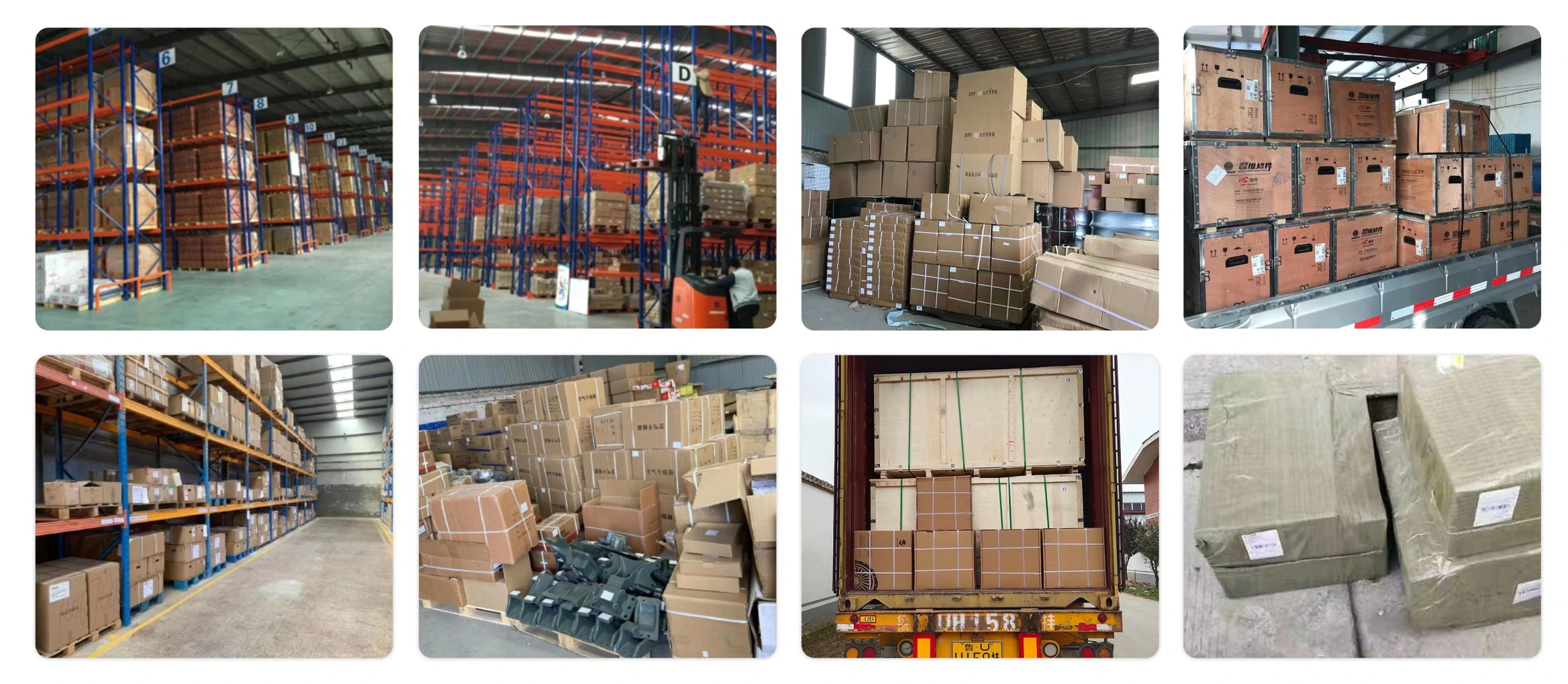
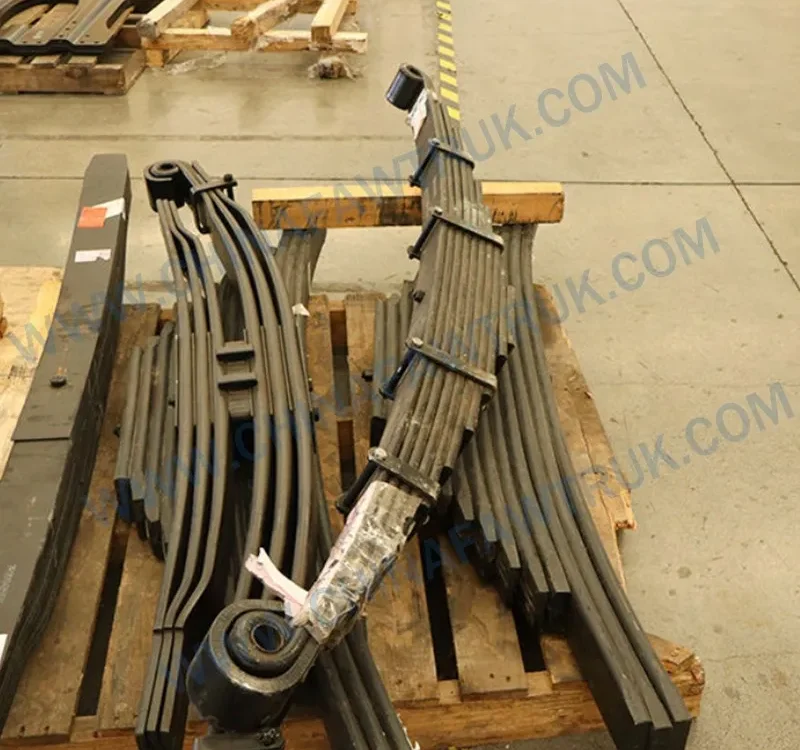
FAW parts, including the Cylinder Block Assembly, are packaged with care to ensure safe delivery. Each component is secured in protective materials to prevent damage during transit. The logistics network guarantees timely shipments worldwide, supporting efficient maintenance operations. Below is an image illustrating the standard packaging for FAW truck parts, showcasing the attention to detail in handling and storage.
This packaging approach minimizes the risk of corrosion or impact damage, ensuring that parts like the FAW Cylinder Block Assembly arrive in perfect condition. Customers can rely on FAW’s logistics for consistent quality and reliability.