Compresseur d'air russe FAW: Déconstruction 16 Pièces critiques pour la fiabilité du freinage
Le Compresseur d'air russe FAW sert de cœur pneumatique au camion-benne CA3250P66K24L1TE5Z, spécialement conçu pour la sécurité dans l'Arctique. Opérer pendant les hivers russes glacials, cet ensemble garantit une pression de freinage et un contrôle de suspension constants. Ce guide décortique l'unité en ses composants maintenables, des engrenages aux joints, fournir des connaissances essentielles aux exploitants de flotte pour prévenir le gel par temps extrêmement froid.


Compresseur d'air russe FAW
Le noyau mécanique: Ensemble compresseur et logique d'entraînement
L'élément central du système pneumatique est le Ensemble compresseur d'air (Partie no. 3509010-53D). Dans le contexte du Compresseur d'air russe FAW, ce n'est pas une pompe standard disponible dans le commerce. Il s'agit d'une unité à piston alternatif spécialisée dotée d'un bloc en fonte renforcée. Cette construction robuste est conçue explicitement pour résister aux cycles de dilatation thermique rapides caractéristiques des opérations russes..
Lorsqu'un camion démarre par -40°C et commence immédiatement à transporter de lourdes charges, la différence de température entre l'air d'admission gelé et le bloc moteur chauffé par combustion est immense. Les pièces moulées standard souffriraient de fractures de contrainte ou “choc thermique.” Cet assemblage utilise un alliage de fer à haute teneur en nickel pour atténuer ces risques, garantissant que l'alésage du cylindre reste parfaitement rond pour maintenir l'efficacité de la compression.
La transmission de puissance au compresseur est assurée par le Engrenage entraîné par compresseur d'air (Partie no. 1006047-81D). Cet engrenage hélicoïdal engrène directement avec le train de distribution du moteur.. La précision de cette interface est essentielle pour le Compresseur d'air russe FAW. Tout contrecoup ou “pente” dans l'engrenage créerait non seulement un bruit excessif, mais transmettrait également des vibrations de torsion dommageables au vilebrequin du compresseur..
FAW utilise un acier cémenté pour cet engrenage, fournissant une surface résistante à l'usure qui peut supporter des milliers d'heures de fonctionnement sans piqûres. Cela garantit que le timing du compresseur reste synchronisé, fournissant un volume d'air optimal à tous les régimes du moteur. Une distribution d'air constante est cruciale pour maintenir la pression du réservoir de frein pendant de longues périodes., descentes raides typiques des routes minières.
Pour assurer l'étanchéité de cet ensemble tournant contre le bloc moteur, le système emploie un spécialiste Joint torique (Partie no. Q734B15000265). Bien que visuellement simple, ce joint torique est chimiquement conçu pour le Compresseur d'air russe FAW environnement. Il est composé d'un élastomère à base de Viton qui résiste à la fois à l'huile moteur haute température et aux températures ambiantes extrêmement basses..
Thermodynamique: Circuits de lubrification et de refroidissement
La longévité du Compresseur d'air russe FAW est entièrement dépendant de ses systèmes de survie: lubrification et refroidissement. L'huile sous pression est délivrée via le Assemblage de tuyaux d'entrée d'huile (Partie no. 3509050-53D). Ce tube en acier est courbé avec précision pour naviguer dans la topographie complexe du bloc moteur sans frotter contre d'autres composants.. Le diamètre interne du tuyau est calibré pour restreindre légèrement le débit, s'assurer que même si le compresseur reçoit une lubrification adéquate, il ne prive pas les roulements du moteur principal de la pression d'huile critique.
Les points de connexion sont sécurisés à l'aide du Boulon articulé (Partie no. 3509053-29D), un boulon banjo spécialisé. Cela permet le transfert de fluide à travers son noyau creux tout en offrant une solution de montage à profil bas. L'étanchéité de ces raccords d'huile haute pression nécessite l'utilisation du Rondelle Cuivre 10X16 (Partie no. Q/WC3403-1994-3). Dans le Compresseur d'air russe FAW assemblée, le cuivre est choisi plutôt que l'acier ou l'aluminium pour sa ductilité.
Lorsque le boulon banjo est serré, la rondelle en cuivre écrase légèrement. Il s'adapte aux irrégularités microscopiques de la surface du boulon et du raccord de tuyauterie.. Cela crée un joint métal sur métal imperméable aux vibrations et aux pics de pression du système d'huile.. La réutilisation de ces rondelles est une erreur de maintenance courante; une fois écrasé, ils durcissent et perdent leur capacité d'étanchéité.
Parallèlement au système d'huile se trouve le circuit de refroidissement critique, comprenant le Ensemble de tuyau d'eau d'entrée de compresseur d'air (Partie no. 3509030-53D) et le Ensemble de tuyau d'eau de retour de compresseur d'air (Partie no. 3509020-53D). La compression de l'air est un processus exothermique, générant des températures pouvant dépasser 200°C. Dans le Compresseur d'air russe FAW, le liquide de refroidissement circule dans la tête pour dissiper cette chaleur.
Surtout, en hiver, ce liquide de refroidissement réchauffe également le bloc compresseur, empêchant l'humidité présente dans l'huile de geler et assurant un mouvement fluide du piston. Ces conduites de fluide plus grandes sont sécurisées avec des Boulons articulés (M14X1.5) (Partie no. Q/XC3451.1-2002) et scellé avec un plus grand Rondelles (14X20) (Partie no. Q / WC3403-94) pour gérer le débit plus élevé du système de refroidissement.
Architecture d'admission d'air et isolation des vibrations
La pureté de l'air entrant dans le système détermine la durée de vie des segments de piston et des soupapes.. Le Tuyau d'admission du compresseur d'air (Partie no. 3509314-55R.) est le conduit dédié reliant le compresseur à l’unité de filtration principale du camion. Ce tuyau est fabriqué à partir d'un composite polymère renforcé conçu pour résister à l'effondrement sous vide poussé..
Dans les environnements miniers poussiéreux où Compresseur d'air russe FAW fonctionne souvent, toute brèche dans cette conduite d'admission permet à la poussière de silice de pénétrer dans le cylindre. Cette poussière agit comme une pâte à broyer, use rapidement les parois du cylindre et détruit la compression. La sécurisation est obtenue via le Collier de serrage à vis sans fin (Partie no. Q67635B), qui fournit une pression radiale uniforme pour assurer une étanchéité sans fuite.
Gérer les immenses vibrations générées à la fois par le moteur et l’action alternative du compresseur, le système utilise des supports structurels robustes. Le Support (Partie no. 3509032-29D) est utilisé à plusieurs endroits pour fixer les longs tuyaux d'huile et d'eau en acier au bloc moteur. Sans ces supports, le poids en porte-à-faux des tuyaux remplis de fluide les ferait résonner et éventuellement se briser près des points de connexion.
Enfin, le montage du compresseur lui-même est assuré par des matériaux à haute résistance Boulons à bride hexagonale (Partie no. Q1841035 et Q1841025). La conception de la tête à bride élimine le besoin de rondelles plates séparées, répartissant la charge de serrage sur une zone plus large des oreilles de montage moulées du compresseur. Cela empêche la tête du boulon de s'enfoncer dans la fonte plus tendre.. Dans le Compresseur d'air russe FAW, L'application correcte du couple sur ces boulons est essentielle pour éviter une panne moteur catastrophique..
Liste de répartition des composants
Le tableau suivant consolide la répartition complète des pièces pour le Compresseur d'air russe FAW système. Les responsables de la maintenance de la flotte doivent référencer ces numéros de pièces spécifiques pour garantir la compatibilité avec la spécification pour temps froid CA3250P66K24L1TE5Z..
| Non. |
Numéro de pièce |
Nom de la pièce |
Quantité |
| 1 |
3509010-53D |
Ensemble compresseur d'air |
1 |
| 2 |
Q734B15000265 |
Joint torique |
1 |
| 3 |
1006047-81D |
Engrenage entraîné par compresseur d'air |
1 |
| 4 |
Q1841035 |
Boulon à bride hexagonale (Grossier/Standard) |
4 |
| 5 |
Q1841025 |
Boulon à bride hexagonale (Grossier/Standard) |
1 |
| 6 |
3509050-53D |
Assemblage de tuyaux d'entrée d'huile |
1 |
| 7 |
3509053-29D |
Boulon articulé |
2 |
| 8 |
Q/WC3403-1994-3 |
Rondelle Cuivre 10X16 |
4 |
| 9 |
3509020-53D |
Ensemble de tuyau d'eau de retour de compresseur d'air |
1 |
| 10 |
Q/XC3451.1-2002 |
Boulon articulé (M14X1.5) |
4 |
| 11 |
Q / WC3403-94 |
Machine à laver (14X20) |
8 |
| 12 |
3509030-53D |
Ensemble de tuyau d'eau d'entrée de compresseur d'air |
1 |
| 13 |
3509032-29D |
Support |
3 |
| 14 |
3509314-55R. |
Tuyau d'admission du compresseur d'air |
1 |
| 15 |
Q67635B |
Collier de serrage à vis sans fin |
2 |
| 16 |
Q1841035 |
Boulon à bride hexagonale |
3 |
Diagnostics proactifs pour les services sévères
Maintenir le Compresseur d'air russe FAW en parfait état est un aspect non négociable de la sécurité du véhicule, en particulier lors d'opérations dans les régions reculées de la Fédération de Russie. Le mode de défaillance le plus courant en hiver est l’accumulation d’humidité entraînant des blocages de glace.. Les mécaniciens doivent inspecter régulièrement le Ensemble de tuyau d'eau d'entrée de compresseur d'air pour garantir que le liquide de refroidissement circule librement.
Un blocage ici empêche la tête du compresseur de chauffer, provoquant le gel de l'humidité de l'air comprimé dans la vanne de décharge. Il en résulte que le système ne parvient pas à créer de la pression, laisser le camion sans freins ni contrôle de la suspension. La vidange quotidienne du réservoir humide est obligatoire, mais s’assurer que le système de régulation thermique du compresseur est fonctionnel est la mesure préventive fondamentale.
Un autre point d’inspection critique est l’intégrité des conduites de lubrification. Le Assemblage de tuyaux d'entrée d'huile est soumis à des vibrations intenses. Les mécaniciens doivent vérifier l'étanchéité du Boulon articulé à chaque intervalle de vidange d'huile. Si le Rondelle Cuivre 10X16 montre des signes d'huile qui suinte, il doit être remplacé immédiatement.
Une petite fuite ici provoque non seulement des dégâts, mais attire également des débris de route qui peuvent se frayer un chemin dans le raccord banjo pendant l'entretien., causant des dommages catastrophiques aux roulements du compresseur. En outre, le Tuyau d'admission du compresseur d'air doit être vérifié pour l’abrasion. Si le tuyau frotte contre le châssis, un trou va se former, permettant à l'air non filtré de contourner le nettoyeur.
Enfin, la vérification du couple du matériel de montage est essentielle. Le Boulon à bride hexagonale les fixations sont les seules choses qui maintiennent le lourd compresseur au moteur vibrant. Si ces boulons se desserrent, l'engrenage entre le Engrenage entraîné par compresseur d'air et le pignon de distribution changera, conduisant à un décapage des dents. Le remplacement proactif de ces boulons lors de tout entretien majeur du moteur constitue une police d'assurance à faible coût contre une panne..
Conclusion: L’impératif des pièces d’origine
Le Compresseur d'air russe FAW est une pièce d'ingénierie sophistiquée conçue pour fournir une puissance pneumatique fiable dans les environnements les plus difficiles au monde. C'est un système intégré où la métallurgie du carter, la chimie des joints, et la précision des engrenages fonctionnent de concert. Remplacement de l'un de ces composants, de l'assemblée principale à la plus petite Rondelle Cuivre 10X16, avec des pièces de rechange non vérifiées introduit un point faible qui échouera inévitablement sous le stress des opérations dans l'Arctique.
Pour les propriétaires de flotte du CA3250P66K24L1TE5Z, le chemin vers la rentabilité passe par la minimisation des temps d'arrêt imprévus. Ceci est réalisé en adhérant aux normes de maintenance rigoureuses exigées par le Compresseur d'air russe FAW et en utilisant uniquement des pièces de rechange d'origine. En respectant les tolérances d'ingénierie du système d'huile, le circuit de refroidissement, et la transmission, les opérateurs peuvent garantir que leurs véhicules restent en sécurité, fiable, et prêt à travailler, peu importe à quel point le thermomètre descend.
Emballage et logistique
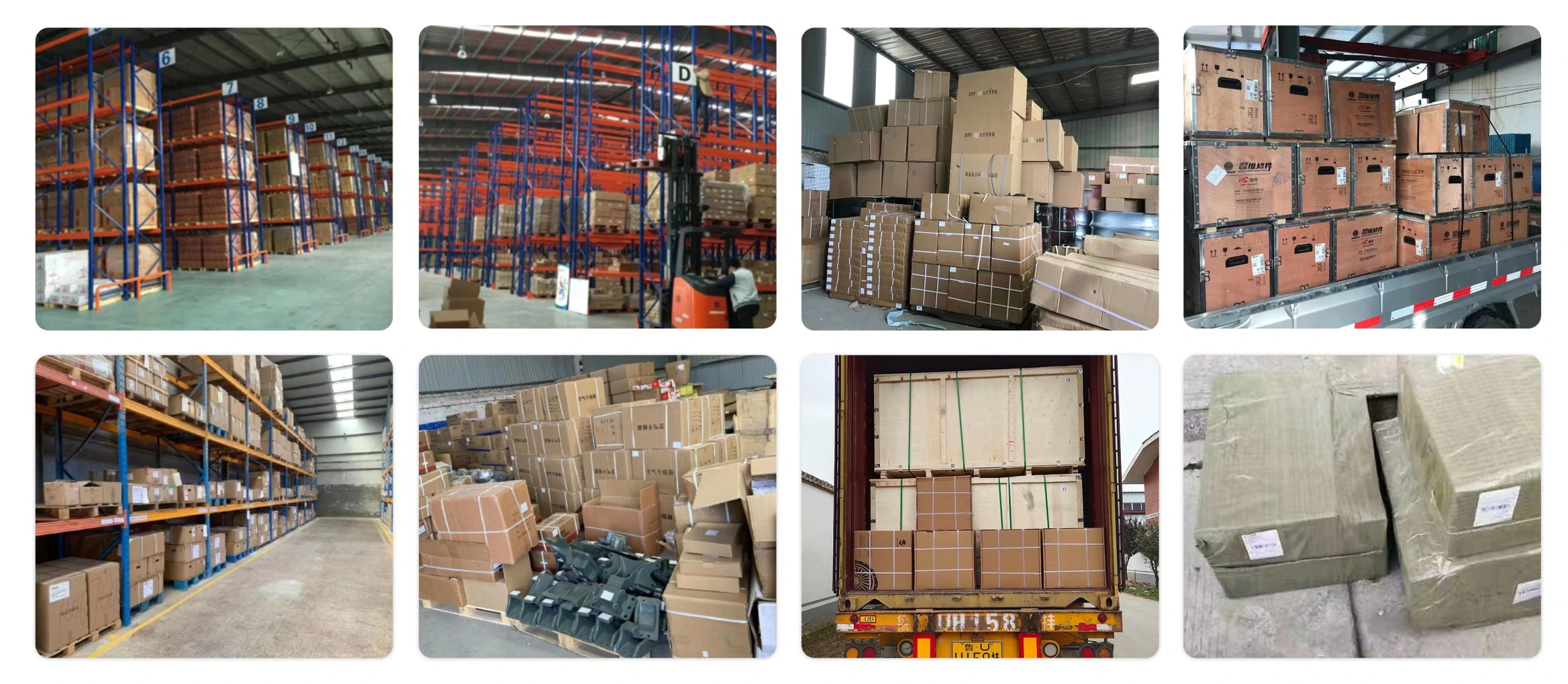
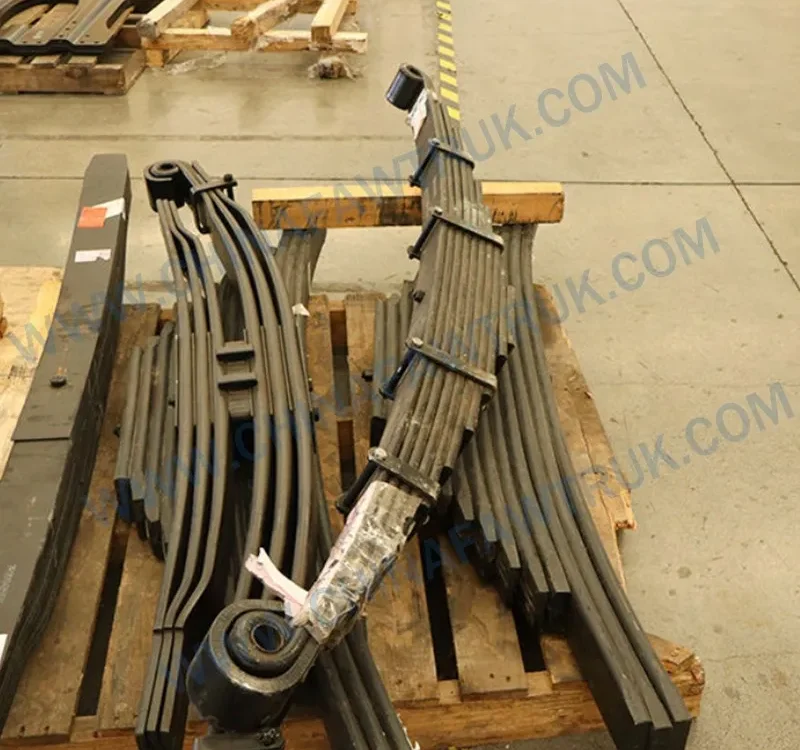
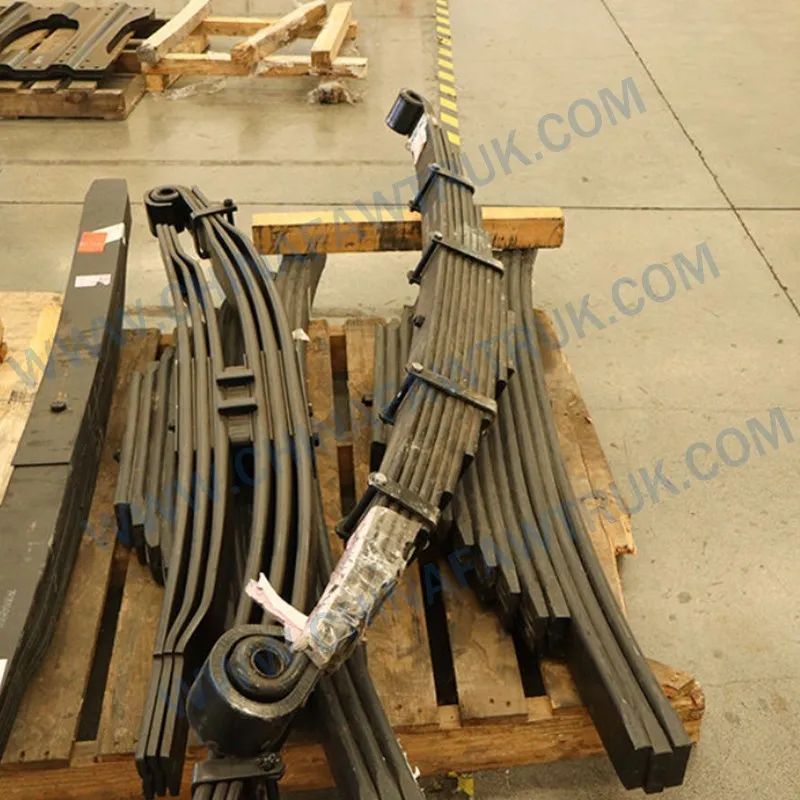
Pièces FAW, y compris l'ensemble bloc-cylindres, sont emballés avec soin pour garantir une livraison en toute sécurité. Chaque composant est sécurisé dans des matériaux de protection pour éviter tout dommage pendant le transport. Le réseau logistique garantit des expéditions ponctuelles dans le monde entier, soutenir des opérations de maintenance efficaces. Vous trouverez ci-dessous une image illustrant l'emballage standard des pièces de camion FAW., mettant en valeur l’attention portée aux détails dans la manipulation et le stockage.
Cette approche d'emballage minimise le risque de corrosion ou de dommages causés par les chocs., s'assurer que les pièces comme l'ensemble bloc-cylindres FAW arrivent en parfait état. Les clients peuvent compter sur la logistique de FAW pour une qualité et une fiabilité constantes.