Turbocompressor Russo FAW: 17 Componentes de precisão para potência ártica incomparável
O Turbocompressor Russo FAW é a potência de indução forçada do motor CA3250P66K24L1TE5Z, projetado para fornecer densidade, ar rico em oxigênio para combustão mesmo nas camadas mais finas, atmosferas mais frias. Este guia explora os circuitos críticos de lubrificação, arquitetura de montagem, e blindagem térmica necessária para manter a pressão de reforço e a confiabilidade na Federação Russa.
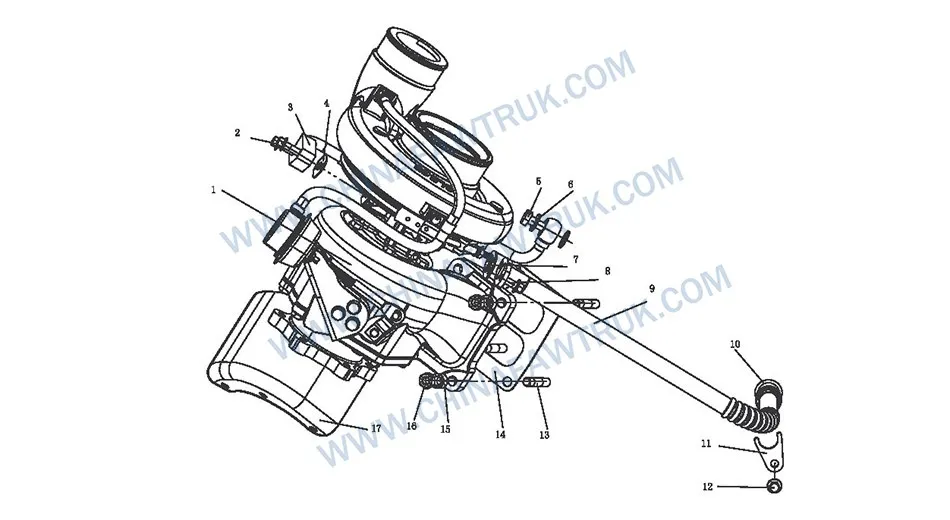
Turbocompressor Russo FAW
O Mecanismo Central: Engenharia de turbinas e gerenciamento de calor
A peça central do sistema de indução forçada é o Conjunto do turbocompressor (Parte não. 1118010-51W-C00). Dentro do Turbocompressor Russo FAW arquitetura, este componente deve preencher a lacuna entre dois extremos térmicos: o ar ambiente gelado que entra no compressor e os gases de exaustão de 700°C acionando a turbina. A carcaça é fundida em ligas com alto teor de níquel para resistir à fissuração térmica durante os rápidos ciclos de aquecimento característicos das partidas a frio na Rússia..
Manter a eficiência do Turbocompressor Russo FAW requer gerenciamento preciso do calor radiante. O Escudo térmico do turbocompressor (Parte não. 1118031-51C) não é uma capa cosmética; é uma barreira térmica crítica. Ao conter a radiação infravermelha emitida pela carcaça da turbina, protege mangueiras de borracha adjacentes e chicotes elétricos contra derretimento.
Além disso, esta blindagem ajuda a reter a energia térmica dentro da própria carcaça da turbina. No Turbocompressor Russo FAW sistema, calor é igual a energia; manter os gases de escape quentes garante que eles mantenham a velocidade máxima para acionar a roda da turbina. Isso resulta em tempos de spool-up mais rápidos e turbo lag reduzido, o que é essencial para manobrar caminhões basculantes pesados em neve profunda ou lama.
Alimentação de alta pressão: A força vital do rolamento
O eixo do Turbocompressor Russo FAW gira a velocidades superiores 100,000 RPM, flutuando em uma película microscópica de óleo. Este óleo é entregue através do Conjunto do tubo de entrada de óleo do turbocompressor (Parte não. 1118060-74A). Este tubo de aço é dobrado com precisão para contornar o coletor de escape quente sem tocá-lo, impedindo a coqueificação do petróleo dentro da linha.
A conexão com a carcaça central do turbo utiliza um Parafuso oco (Parte não. 1118071-53D), também conhecido como parafuso de banjo. Este parafuso apresenta furos transversais perfurados com precisão que medem o fluxo de óleo. No Turbocompressor Russo FAW projeto, esses furos atuam como um restritor para evitar pressurização excessiva das vedações do rolamento, o que poderia forçar o óleo para dentro do fluxo de admissão ou escape.
A vedação desta conexão de alta pressão depende de duas unidades do Arruela de vedação (Parte não. CQ72316). Essas arruelas de pressão, normalmente feito de cobre ou alumínio, deformar durante a aplicação de torque para criar uma vedação hermética. A reutilização dessas arruelas é a principal causa de incêndios em motores; um vazamento aqui pulveriza óleo pressurizado diretamente na carcaça quente da turbina do Turbocompressor Russo FAW.
Na interface do bloco, o Junta – Flange de entrada (Parte não. 1118063-D6) garante um fornecimento sem vazamentos. Esta junta deve suportar alta pressão de óleo e vibração simultaneamente. A integridade da linha de abastecimento não é negociável; qualquer interrupção no fluxo de óleo, mesmo por um segundo, causará o Turbocompressor Russo FAW rolamentos para se soldarem ao eixo instantaneamente.
Dreno Gravitacional: Garantindo um Retorno Fluente
Depois de lubrificar os rolamentos, o óleo deve sair do alojamento central rapidamente por gravidade. O Conjunto do tubo de retorno de óleo do turbocompressor (Parte não. 1118080-74A) gerencia esse fluxo crucial. No Turbocompressor Russo FAW sistema, este tubo tem um diâmetro grande para evitar o backup de óleo. Se o óleo não puder drenar rápido o suficiente, inunda a carcaça do mancal e vaza pelas vedações dinâmicas, fazendo com que o motor queime óleo e emita fumaça azul.
A conexão ao turbocompressor é garantida pelo Placa de imprensa – Tubo de retorno de óleo do turbocompressor (Parte não. 1118083-81D). Esta pesada placa de aço distribui a força de fixação do Parafusos de flange sextavados (Parte não. Q1840816) uniformemente em todo o flange. Sem esta placa, o flange fino do tubo de retorno deformaria, levando a vazamentos no Turbocompressor Russo FAW sistema de drenagem.
A vedação é fornecida pelo Junta – Tubo de retorno de óleo do turbocompressor (Parte não. 1118094-29D) no topo e no Vedação de borracha com anel de vedação pneumático hidráulico (Parte não. CQ7343236B) onde o tubo entra no bloco do motor. Este O-ring é formulado a partir de Viton de alta temperatura para resistir ao endurecimento. Um anel de vedação com defeito aqui permite que o óleo escorra pela lateral do bloco, um problema comum em idosos Turbocompressor Russo FAW instalações se a manutenção for negligenciada.
Estabilidade de montagem: Pregos, Mangas, e Expansão
A conexão entre o turboalimentador e o coletor de escapamento é uma das juntas mais tensionadas do motor. O Turbocompressor Russo FAW utiliza quatro Pregos de extremidade dupla (Parte não. CQ1201025) para este fim. Os pinos são preferidos aos parafusos porque permitem uma aplicação de torque mais precisa e são menos propensos a emperrar na fundição do coletor.
Uma característica única do Turbocompressor Russo FAW sistema de montagem é o uso do Manga – Turbocompressor (Parte não. 1118014-53D). Estas mangas espaçadoras são colocadas sobre os pinos. Eles atuam como amortecedores térmicos, permitindo que o conjunto do fixador se expanda e contraia a uma taxa diferente dos flanges de ferro fundido. Esta elasticidade evita que os pinos quebrem sob o imenso estresse térmico de um ciclo de regeneração ou de uma longa subida.
A vedação entre o coletor e o turbo é criada pelo Junta do Turbocompressor (Parte não. 1118013A81D). Este é um aço multicamadas (MLS) junta capaz de sobreviver a 800°C. Proteger toda a pilha é o Noz – Turbocompressor (Parte não. 1118073-29D) unidades. Geralmente são revestidos de cobre ou feitos de uma liga específica para evitar escoriações, garantindo o Turbocompressor Russo FAW pode ser reparado no futuro sem cortar as porcas.
Lista detalhada de componentes
A tabela a seguir lista os componentes específicos que compõem o Turbocompressor Russo FAW lógica. Os gerentes de frota devem usar esses números de peça exatos para garantir as taxas de fluxo, tolerâncias térmicas, e montagem correspondem à especificação CA3250P66K24L1TE5Z.
| Não. |
Número da peça |
Nome da peça |
Quantidade |
| 1 |
1118010-51W-C00 |
Conjunto do turbocompressor (Padrão) |
1 |
| 2 |
Q1840830 |
Parafuso de flange hexadecimal (Haste Grossa/Padrão) |
2 |
| 3 |
1118060-74A |
Conjunto do tubo de entrada de óleo do turbocompressor |
1 |
| 4 |
1118063-D6 |
Junta – Flange de entrada |
1 |
| 5 |
1118071-53D |
Parafuso oco (Parafuso de banjo) |
1 |
| 6 |
CQ72316 |
Arruela de vedação |
2 |
| 7 |
1118094-29D |
Junta – Tubo de retorno de óleo do turbocompressor |
1 |
| 8 |
Q1840816 |
Parafuso de flange hexadecimal (Haste Grossa/Padrão) |
2 |
| 9 |
1118080-74A |
Conjunto do tubo de retorno de óleo do turbocompressor |
1 |
| 10 |
CQ7343236B |
Vedação de borracha com anel de vedação pneumático hidráulico |
1 |
| 11 |
1118083-81D |
Placa de imprensa – Tubo de retorno de óleo do turbocompressor |
1 |
| 12 |
Q1840812 |
Parafuso de flange hexadecimal (Haste Grossa/Padrão) |
1 |
| 13 |
CQ1201025 |
Stud de extremidade dupla |
4 |
| 14 |
1118013A81D |
Junta do Turbocompressor |
1 |
| 15 |
1118014-53D |
Manga – Turbocompressor |
4 |
| 16 |
1118073-29D |
Noz – Turbocompressor |
4 |
| 17 |
1118031-51C |
Escudo térmico do turbocompressor |
1 |
Protocolos de diagnóstico para melhorar a saúde
Inspecionando o Turbocompressor Russo FAW começa com verificações visuais das linhas de lubrificação. Umidade de óleo ao redor do Parafuso oco ou o flange do tubo de retorno indica uma vedação comprometida. No inverno russo, esses vazamentos geralmente aparecem depois que o motor esfria e os componentes se contraem. Resolver esses vazamentos imediatamente é vital para evitar a falta de petróleo ou incêndios.
O diagnóstico auditivo pode revelar problemas internos. Um gemido agudo que varia com a carga do motor sugere desgaste do rolamento ou danos na lâmina do compressor. Isso geralmente resulta do fluxo restrito de óleo através do Conjunto do tubo de entrada de óleo do turbocompressor. Verificar regularmente a linha de alimentação de óleo quanto ao acúmulo de lama é uma medida proativa que pode salvar o turbo.
Finalmente, verifique a integridade do hardware de montagem. Solto Pregos de extremidade dupla ou porcas podem causar vazamentos de exaustão entre o coletor e o turbo. Isso reduz a pressão de reforço, levando a baixa potência e fumaça preta. Se o Junta do Turbocompressor explodiu, deve ser substituído junto com novas porcas de travamento para restaurar a eficiência do sistema.
Conclusão: Potência e Confiabilidade
O Turbocompressor Russo FAW é um instrumento de precisão essencial para o desempenho do caminhão basculante CA3250P66K24L1TE5Z. Fornece a densidade do ar necessária para uma combustão eficiente em ambientes agressivos. Cada componente, da térmica Manga para o controle de óleo Parafuso de banjo, foi projetado para suportar as tensões únicas da operação no Ártico.
Para proprietários de frotas, manter esta montagem com peças originais é a chave para maximizar o tempo de atividade. Turbos ou vedações genéricos muitas vezes não atendem às especificações de material exigidas para ciclos de temperaturas extremas. Ao investir no autêntico Turbocompressor Russo FAW ecossistema, você garante que sua frota mantenha sua potência, eficiência, e confiabilidade nas estradas mais difíceis do mundo.
Embalagem e Logística
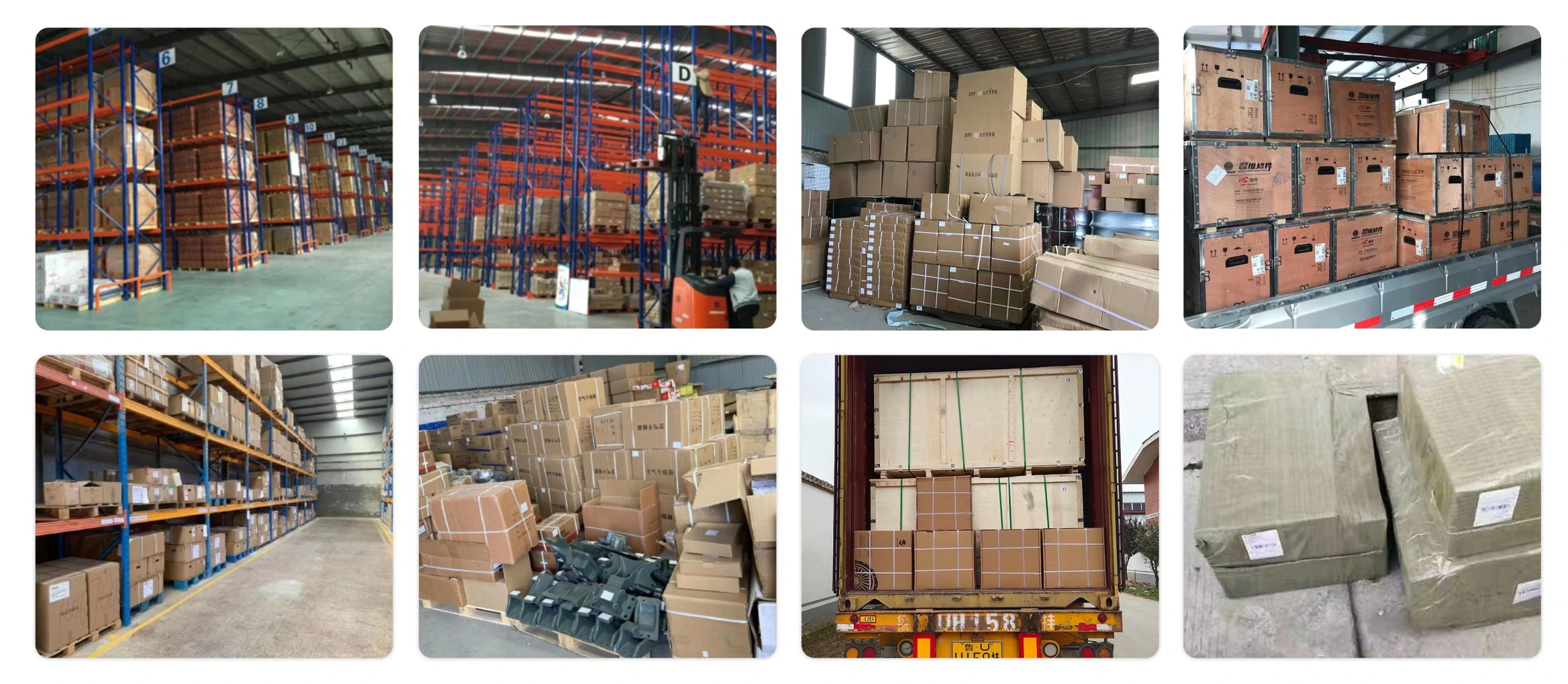
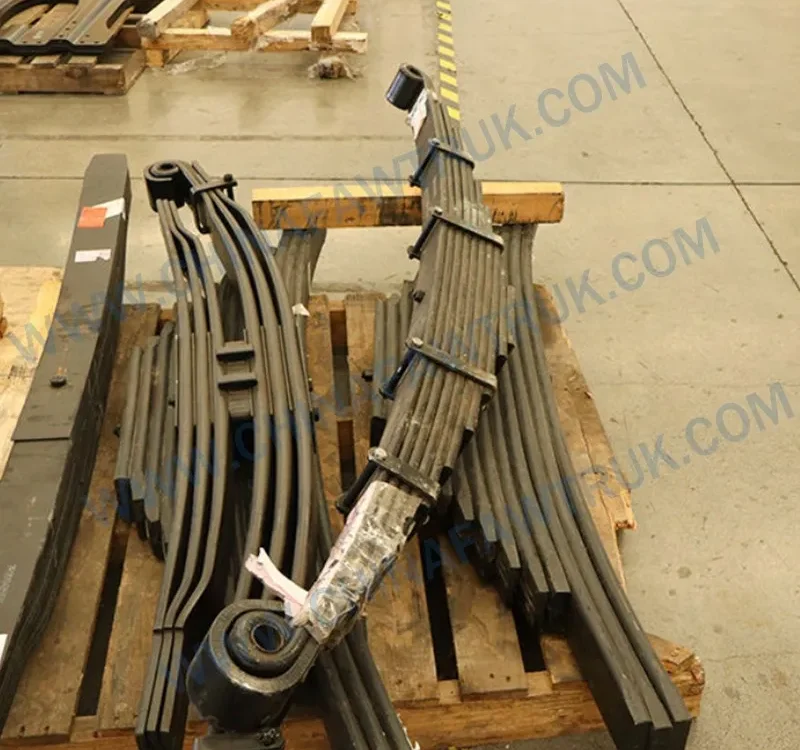
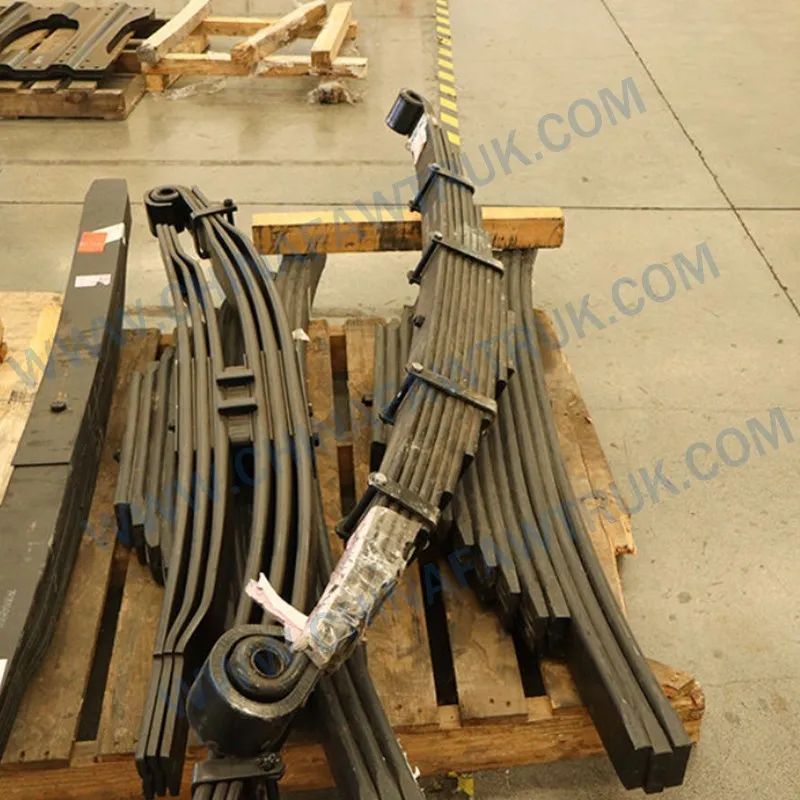
Peças FAW, incluindo o conjunto do bloco de cilindros, são embalados com cuidado para garantir uma entrega segura. Cada componente é protegido por materiais de proteção para evitar danos durante o transporte. A rede logística garante envios pontuais em todo o mundo, apoiando operações de manutenção eficientes. Abaixo está uma imagem ilustrando a embalagem padrão para peças de caminhão FAW, mostrando a atenção aos detalhes no manuseio e armazenamento.
Esta abordagem de embalagem minimiza o risco de corrosão ou danos por impacto, garantindo que peças como o conjunto do bloco de cilindros FAW cheguem em perfeitas condições. Os clientes podem confiar na logística da FAW para obter qualidade e confiabilidade consistentes.