Turbocompresor ruso FAW: 17 Componentes de precisión para una potencia ártica inigualable
El Turbocompresor ruso FAW is the forced induction powerhouse of the CA3250P66K24L1TE5Z engine, designed to deliver dense, oxygen-rich air for combustion even in the thinnest, coldest atmospheres. This guide explores the critical lubrication circuits, mounting architecture, and thermal shielding required to maintain boost pressure and reliability in the Russian Federation.
Turbocompresor ruso FAW
El mecanismo central: Turbine Engineering and Heat Management
The centerpiece of the forced induction system is the Ensamblaje del turbocompresor (Número de pieza. 1118010-51W-C00). dentro del Turbocompresor ruso FAW arquitectura, this component must bridge the gap between two thermal extremes: the freezing ambient air entering the compressor and the 700°C exhaust gases driving the turbine. The housing is cast from high-nickel alloys to resist thermal cracking during the rapid heating cycles characteristic of cold starts in Russia.
Mantener la eficiencia del Turbocompresor ruso FAW requires precise management of radiant heat. El Turbocharger Heat Shield (Número de pieza. 1118031-51W.) is not a cosmetic cover; it is a critical thermal barrier. By containing the infrared radiation emitted by the turbine housing, it protects adjacent rubber hoses and electrical harnesses from melting.
Además, this shield helps retain heat energy within the turbine housing itself. En el Turbocompresor ruso FAW sistema, heat equals energy; keeping the exhaust gases hot ensures they maintain maximum velocity to drive the turbine wheel. This results in faster spool-up times and reduced turbo lag, which is essential for maneuvering heavy dump trucks in deep snow or mud.
High-Pressure Feed: The Lifeblood of the Bearing
The shaft of the Turbocompresor ruso FAW spins at speeds exceeding 100,000 RPM, floating on a microscopic film of oil. This oil is delivered via the Turbocharger Oil Inlet Pipe Assembly (Número de pieza. 1118060-74A). This steel pipe is precision-bent to route around the hot exhaust manifold without touching it, preventing oil coking within the line.
The connection to the turbo center housing utilizes a Perno hueco (Número de pieza. 1118071-53D), also known as a banjo bolt. This bolt features precisely drilled cross-holes that meter the oil flow. En el Turbocompresor ruso FAW diseño, these holes act as a restrictor to prevent over-pressurizing the bearing seals, which could force oil into the intake or exhaust stream.
Sealing this high-pressure connection relies on two units of the Lavadora de sellado (Número de pieza. CQ72316). These crush washers, typically made of copper or aluminum, deform during torque application to create a hermetic seal. Reusing these washers is a primary cause of engine fires; a leak here sprays pressurized oil directly onto the hot turbine housing of the Turbocompresor ruso FAW.
At the block interface, el Empaquetadora – Inlet Flange (Número de pieza. 1118063-D6) ensures a leak-free supply. This gasket must withstand high oil pressure and vibration simultaneously. The integrity of the supply line is non-negotiable; any interruption in oil flow, even for a second, will cause the Turbocompresor ruso FAW bearings to weld themselves to the shaft instantly.
Drenaje por gravedad: Ensuring Free-Flowing Return
After lubricating the bearings, the oil must exit the center housing rapidly via gravity. El Turbocharger Oil Return Pipe Assembly (Número de pieza. 1118080-74A) manages this crucial flow. En el Turbocompresor ruso FAW sistema, this pipe has a large diameter to prevent oil backup. If the oil cannot drain fast enough, it floods the bearing housing and leaks past the dynamic seals, causing the engine to burn oil and emit blue smoke.
The connection to the turbocharger is secured by the Press Plate – Tubo de retorno de aceite del turbocompresor (Número de pieza. 1118083-81D). This heavy steel plate distributes the clamping force of the Pernos de brida hexagonal (Número de pieza. Q1840816) evenly across the flange. Without this plate, the thin flange of the return pipe would warp, leading to leaks in the Turbocompresor ruso FAW drain system.
Sealing is provided by the Empaquetadora – Tubo de retorno de aceite del turbocompresor (Número de pieza. 1118094-29D) at the top and the Sello de goma con junta tórica neumática hidráulica (Número de pieza. CQ7343236B) where the pipe enters the engine block. This O-ring is formulated from high-temperature Viton to resist hardening. A failed O-ring here allows oil to weep down the side of the block, a common issue in older Turbocompresor ruso FAW installations if maintenance is neglected.
Estabilidad de montaje: Studs, Mangas, and Expansion
The connection between the turbocharger and the exhaust manifold is one of the most stressed joints in the engine. El Turbocompresor ruso FAW utilizes four Double End Studs (Número de pieza. CQ1201025) para este propósito. Studs are preferred over bolts because they allow for more accurate torque application and are less likely to seize in the manifold casting.
Una característica única del Turbocompresor ruso FAW mounting system is the use of the Manga – turbocompresor (Número de pieza. 1118014-53D). These spacer sleeves are placed over the studs. They act as thermal buffers, allowing the fastener assembly to expand and contract at a different rate than the cast iron flanges. This elasticity prevents the studs from snapping under the immense thermal stress of a regeneration cycle or a long uphill climb.
The seal between the manifold and the turbo is created by the Turbocharger Gasket (Número de pieza. 1118013A81D). This is a multi-layer steel (MLS) gasket capable of surviving 800°C. Securing the entire stack are the Tuerca – turbocompresor (Número de pieza. 1118073-29D) unidades. These are typically copper-plated or made of a specific alloy to prevent galling, asegurando el Turbocompresor ruso FAW can be serviced in the future without cutting the nuts off.
Lista de desglose de componentes
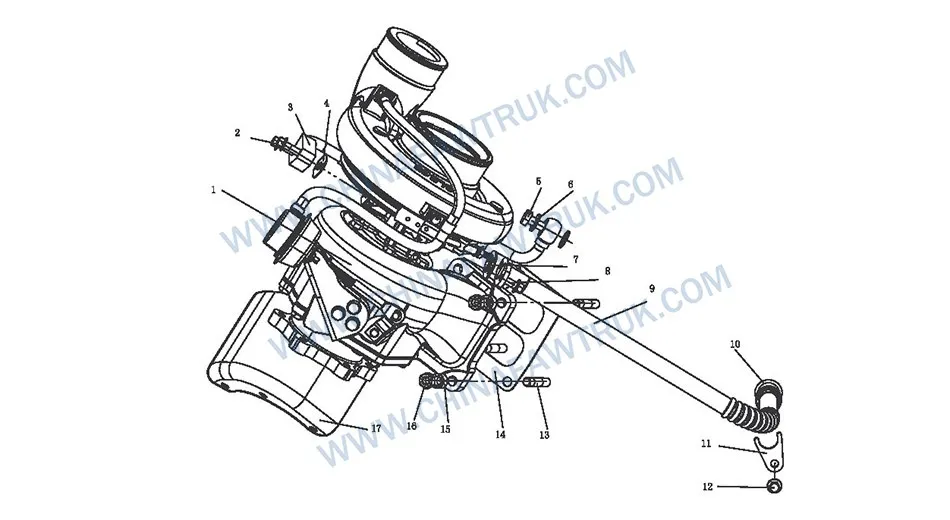
La siguiente tabla enumera los componentes específicos que componen el Turbocompresor ruso FAW lógica. Fleet managers must use these exact part numbers to ensure the flow rates, thermal tolerances, and fitment match the CA3250P66K24L1TE5Z specification.
| No. |
Número de pieza |
Nombre de la pieza |
Cantidad |
| 1 |
1118010-51W-C00 |
Ensamblaje del turbocompresor (Patrón) |
1 |
| 2 |
Q1840830 |
Perno de brida hexadecimal (Vástago grueso/estándar) |
2 |
| 3 |
1118060-74A |
Turbocharger Oil Inlet Pipe Assembly |
1 |
| 4 |
1118063-D6 |
Empaquetadora – Inlet Flange |
1 |
| 5 |
1118071-53D |
Perno hueco (Perno de banjo) |
1 |
| 6 |
CQ72316 |
Lavadora de sellado |
2 |
| 7 |
1118094-29D |
Empaquetadora – Tubo de retorno de aceite del turbocompresor |
1 |
| 8 |
Q1840816 |
Perno de brida hexadecimal (Vástago grueso/estándar) |
2 |
| 9 |
1118080-74A |
Turbocharger Oil Return Pipe Assembly |
1 |
| 10 |
CQ7343236B |
Sello de goma con junta tórica neumática hidráulica |
1 |
| 11 |
1118083-81D |
Press Plate – Tubo de retorno de aceite del turbocompresor |
1 |
| 12 |
Q1840812 |
Perno de brida hexadecimal (Vástago grueso/estándar) |
1 |
| 13 |
CQ1201025 |
Semental de doble extremo |
4 |
| 14 |
1118013A81D |
Turbocharger Gasket |
1 |
| 15 |
1118014-53D |
Manga – turbocompresor |
4 |
| 16 |
1118073-29D |
Tuerca – turbocompresor |
4 |
| 17 |
1118031-51W. |
Turbocharger Heat Shield |
1 |
Diagnostic Protocols for Boost Health
inspeccionando el Turbocompresor ruso FAW starts with visual checks of the lubrication lines. Oil wetness around the Perno hueco or the return pipe flange indicates a compromised seal. En el invierno ruso, these leaks often appear after the engine cools down and components contract. Addressing these leaks immediately is vital to prevent oil starvation or fire.
Auditory diagnostics can reveal internal issues. A high-pitched whine that varies with engine load suggests bearing wear or compressor blade damage. This often results from restricted oil flow through the Turbocharger Oil Inlet Pipe Assembly. Regularly checking the oil feed line for sludge buildup is a proactive measure that can save the turbo.
Finalmente, verify the integrity of the mounting hardware. Loose Double End Studs or nuts can cause exhaust leaks between the manifold and turbo. This reduces boost pressure, leading to low power and black smoke. si el Turbocharger Gasket has blown out, it must be replaced along with new locking nuts to restore the system’s efficiency.
Conclusión: Power and Reliability
El Turbocompresor ruso FAW is a precision instrument essential for the performance of the CA3250P66K24L1TE5Z dump truck. It provides the air density needed for efficient combustion in harsh environments. Cada componente, from the thermal Manga to the oil-control Perno de banjo, is engineered to withstand the unique stresses of Arctic operation.
Para propietarios de flotas, maintaining this assembly with genuine parts is the key to maximizing uptime. Generic turbos or seals often fail to meet the material specifications required for extreme temperature cycling. Invirtiendo en lo auténtico Turbocompresor ruso FAW ecosistema, you ensure that your fleet retains its power, eficiencia, and reliability on the toughest roads in the world.
Embalaje y Logística
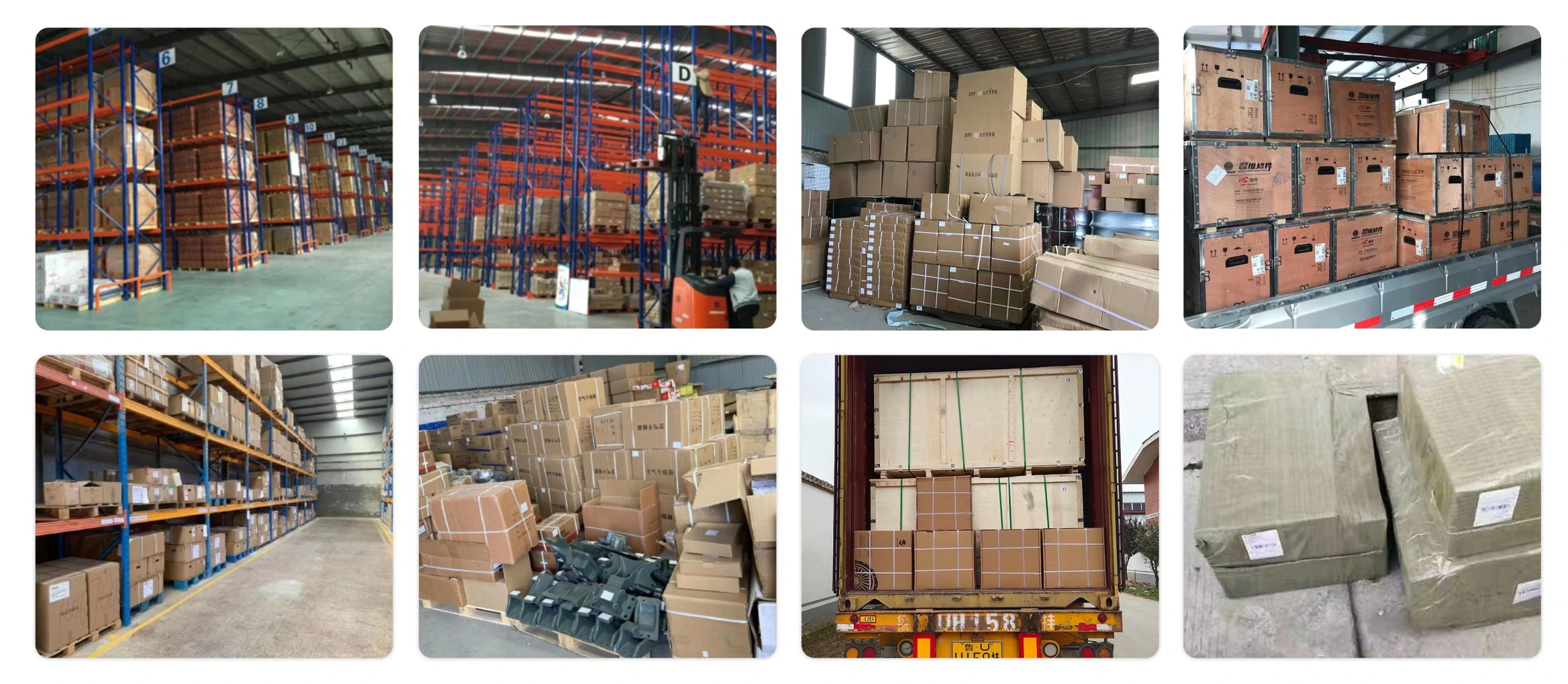
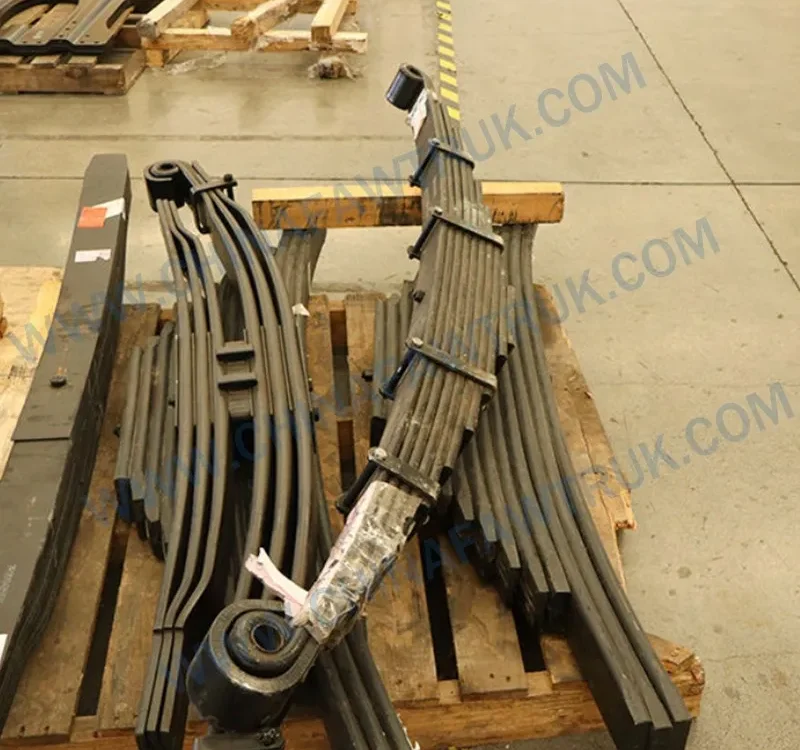
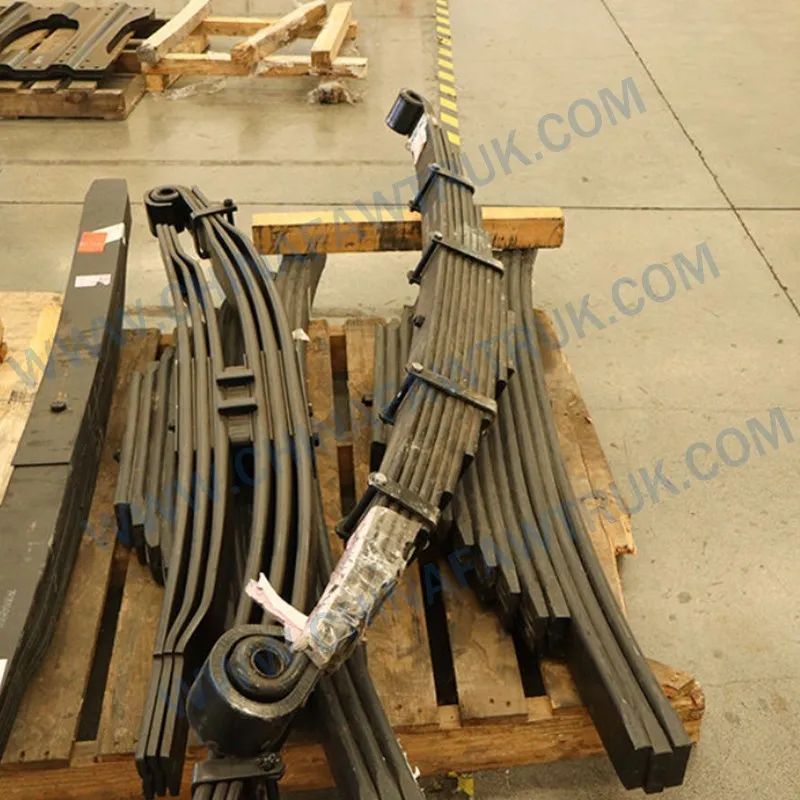
piezas FAW, incluido el conjunto del bloque de cilindros, Se empaquetan con cuidado para garantizar una entrega segura.. Cada componente está asegurado con materiales protectores para evitar daños durante el transporte.. La red logística garantiza envíos puntuales en todo el mundo., apoyando operaciones de mantenimiento eficientes. A continuación se muestra una imagen que ilustra el embalaje estándar de las piezas de camiones FAW., mostrando la atención al detalle en el manejo y almacenamiento.
Este enfoque de embalaje minimiza el riesgo de corrosión o daños por impacto., asegurando que piezas como el conjunto de bloque de cilindros FAW lleguen en perfectas condiciones. Los clientes pueden confiar en la logística de FAW para obtener calidad y confiabilidad constantes.