Assemblage de pare-brise russe FAW: 2 Composants critiques garantissant la clarté optique dans les conditions arctiques
Le FAW Pare-Brise Russe L'assemblage constitue l'interface visuelle principale et le bouclier structurel du camion-benne CA3250P66K24L1TE5Z.. Aux latitudes extrêmes de la Fédération de Russie, cette barrière en verre multifeuilleté doit résister aux chocs thermiques inférieurs à zéro, impacts de graviers à grande vitesse, et abrasion constante des essuie-glaces. Le FAW Pare-Brise Russe garantit que le conducteur conserve une vue sans distorsion du terrain minier dangereux, servant de composant essentiel pour la sécurité opérationnelle et l’isolation de la cabine.

FAW Pare-Brise Russe
| Non. |
Numéro de pièce |
Nom de la pièce |
Quantité |
| 1 | 5206010-A01 | Ensemble de vitre de pare-brise avant | 1 |
| 2 | 5206036-A01 | Manchon de limite – Verre de pare-brise avant | 2 |
Ingénierie optique et sécurité laminée
Le FAW Pare-Brise Russe est défini par ses propriétés optiques supérieures et sa construction de sécurité. Le Ensemble de vitre de pare-brise avant (Partie no. 5206010-A01) utilise une conception laminée de haute qualité, constitué de deux couches de verre trempé liées par un Polyvinyl Butyral (PVB) intercalaire. Dans le milieu russe, cette construction est critique. Lorsqu'une pierre lancée par un camion précédent heurte la vitre, le FAW Pare-Brise Russe peut craquer, mais il ne se brisera pas en éclats. La couche PVB maintient les fragments ensemble, s'assurer que le conducteur reste protégé des débris volants et que l'intégrité structurelle de l'ouverture de la cabine est maintenue jusqu'à ce qu'un remplacement puisse être installé.
La distorsion optique est un facteur de fatigue majeur pour les conducteurs long-courriers. Le FAW Pare-Brise Russe est fabriqué selon un procédé de verre flotté qui garantit une épaisseur uniforme et une courbure parfaite. Cette précision élimine le “lentille” effet souvent observé sur le verre de rechange de qualité inférieure, ce qui peut provoquer des maux de tête et une fatigue oculaire lors de longs quarts de travail. Le Ensemble de vitre de pare-brise avant offre une vue réaliste de la route, essentiel pour juger des distances sur des terrains étroits, pistes minières glacées.
En outre, l'intercalaire PVB dans le FAW Pare-Brise Russe fournit un amortissement acoustique important. Il absorbe le bruit du vent à haute fréquence et les bruits d'impact des pierres, contribuant à un environnement de cabine plus calme. Dans les vents hurlants de la steppe sibérienne, cette isolation acoustique aide le conducteur à rester concentré. Les propriétés colorantes et anti-UV du Ensemble de vitre de pare-brise avant protège également les matériaux du tableau de bord des dommages causés par le soleil et réduit le gain de chaleur solaire pendant les étés arctiques brefs mais intenses.
Installation de précision et rôle du manchon limiteur
Installation du FAW Pare-Brise Russe est une opération de précision qui repose sur des composants de positionnement spécifiques. Le Manchon de limite – Verre de pare-brise avant (Partie no. 5206036-A01) joue un rôle essentiel dans ce processus. Ces manchons font office d'entretoises ou de bouchons, s'assurer que le verre se trouve exactement à la bonne hauteur par rapport à la soudure par pincement. Sans la manche limite, le lourd Ensemble de vitre de pare-brise avant pourrait glisser vers le bas en raison de la gravité avant que l'adhésif ne durcisse, conduisant au bruit du vent, fuites d'eau, et des fissures de contrainte potentielles sur le bord inférieur.
Le FAW Pare-Brise Russe est généralement collé au cadre de la cabine à l'aide d'un adhésif polyuréthane à module élevé. Cette méthode de collage intègre le verre dans la rigidité structurelle de la cabine. En cas de retournement, le Ensemble de vitre de pare-brise avant fournit jusqu'à 30% de la résistance à l'écrasement du toit. Le Manchon de limite – Verre de pare-brise avant garantit que l'épaisseur de la ligne de liaison est uniforme sur tout le périmètre, ce qui est essentiel pour atteindre la note structurelle maximale.
Un bon alignement du FAW Pare-Brise Russe affecte également les performances du système d'essuie-glace. Si le verre est installé trop bas ou trop haut, les balais d'essuie-glace peuvent heurter les montants A ou le panneau d'auvent. Le Manchon de limite – Verre de pare-brise avant garantit que la zone balayée par les essuie-glaces s’aligne parfaitement avec le champ de vision du conducteur. En standardisant la position d'installation, FAW garantit que chaque remplacement FAW Pare-Brise Russe fonctionne exactement comme l'original d'usine.
Résilience thermique et dynamique de dégivrage
Le FAW Pare-Brise Russe doit survivre à des changements rapides de température qui briseraient le verre ordinaire. En hiver, la surface extérieure peut être à -40°C tandis que le dégivreur intérieur projette de l'air chaud à +40°C contre la base du verre. Le Ensemble de vitre de pare-brise avant est recuit pour résister à ce gradient thermique extrême sans fissuration sous contrainte. La composition du verre et l'élasticité de l'intercalaire PVB dans le FAW Pare-Brise Russe permettre une expansion et une contraction microscopiques, prévenir les défaillances dues aux chocs thermiques.
Un dégivrage efficace repose sur la conductivité thermique du FAW Pare-Brise Russe. Le verre est conçu pour transmettre rapidement la chaleur de la surface intérieure à la couche de glace extérieure, facilitant un dégivrage rapide. Cependant, il doit également fournir une isolation pour éviter que la chaleur de l'habitacle ne se dissipe trop rapidement. L'épaisseur du Ensemble de vitre de pare-brise avant est calculé pour équilibrer ces besoins opposés, garantir que le conducteur puisse dégager la vue rapidement le matin tout en maintenant une cabine chaude tout au long de son quart de travail.
Gestion de l'humidité autour du FAW Pare-Brise Russe est également critique. Le “A01” la spécification implique souvent une compatibilité avec des produits d'étanchéité pour temps froid et des moulures qui ne deviennent pas fragiles au froid. Un joint flexible garantit que lorsque le cadre métallique de la cabine se contracte par temps froid, ça n'écrase pas le Ensemble de vitre de pare-brise avant. Cette interaction harmonieuse entre le verre, métal, et les joints en polymère sont la clé du FAW Pare-Brise Russela longévité dans l’Arctique.
Protocoles de maintenance et de remplacement
Maintenir le FAW Pare-Brise Russe implique une inspection régulière pour les puces et les cibles. Dans l'hiver russe, un petit éclat peut se propager instantanément dans une fissure sur toute la largeur lorsque le dégivrage est activé. Les gestionnaires de flotte doivent réparer les dommages mineurs au Ensemble de vitre de pare-brise avant immédiatement par injection de résine. Garder le verre propre est également vital; la poussière abrasive incrustée dans les balais d'essuie-glace peut ronger la surface du FAW Pare-Brise Russe, créant une brume qui provoque un éblouissement aveuglant des phares venant en sens inverse.
Quand le remplacement est nécessaire, en utilisant le véritable Ensemble de vitre de pare-brise avant n'est pas négociable. La courbure du verre de rechange peut varier, conduisant à des points de stress et à une distorsion optique. Il est également essentiel d'utiliser de nouveaux Manchon de limite – Verre de pare-brise avant unités pendant l'installation. La réutilisation de manchons comprimés ou endommagés peut entraîner un mauvais alignement. Le système d'apprêt et d'adhésif approprié doit être utilisé pour coller le FAW Pare-Brise Russe, dans le strict respect des délais de durcissement avant la remise en service du véhicule.
Le FAW Pare-Brise Russe est un élément structurel, pas seulement une fenêtre. Une installation incorrecte compromet la sécurité de la cabine en cas de collision. Les techniciens doivent s'assurer que l'ancien adhésif est correctement coupé et que le nouveau Ensemble de vitre de pare-brise avant est correctement encastré. En suivant les procédures d'usine et en utilisant le bon Manchon de limite espaceurs, les opérateurs s'assurent que le verre de remplacement fonctionne de manière aussi sûre et fiable que l'équipement d'origine.
Conclusion: Une vision claire de la sécurité
Le FAW Pare-Brise Russe l'assemblage est le lien visuel définitif entre le conducteur et la route. Comprenant la haute technologie Ensemble de vitre de pare-brise avant Et l'essentiel Manchon de limite aides au positionnement, ce système est conçu pour la clarté optique, résilience thermique, et sécurité structurelle. Il constitue un bouclier transparent contre les éléments extrêmes du secteur russe du transport lourd..
Pour les exploitants de flotte, l'état du FAW Pare-Brise Russe est le reflet direct des normes de sécurité. Un clair, un pare-brise non fissuré réduit la fatigue du conducteur et prévient les accidents. En investissant dans du verre de remplacement authentique et une installation professionnelle, les opérateurs s’assurent que leurs véhicules restent en sécurité, conforme, et prêt à relever les défis de l'environnement arctique avec une vision claire de l'avenir.
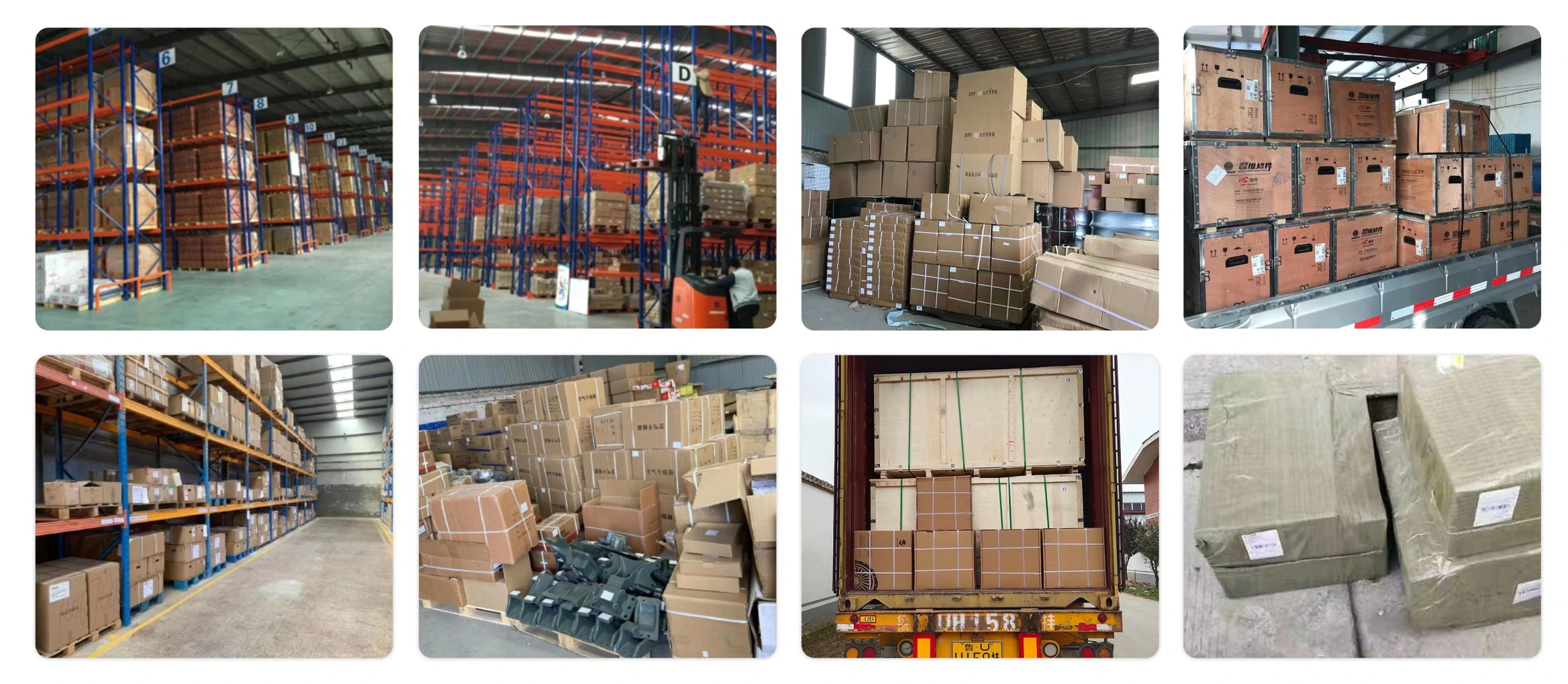
Emballage et logistique
Pièces FAW, y compris l'ensemble bloc-cylindres, sont emballés avec soin pour garantir une livraison en toute sécurité. Chaque composant est sécurisé dans des matériaux de protection pour éviter tout dommage pendant le transport. Le réseau logistique garantit des expéditions ponctuelles dans le monde entier, soutenir des opérations de maintenance efficaces. Vous trouverez ci-dessous une image illustrant l'emballage standard des pièces de camion FAW., mettant en valeur l’attention portée aux détails dans la manipulation et le stockage.
Cette approche d'emballage minimise le risque de corrosion ou de dommages causés par les chocs., s'assurer que les pièces comme l'ensemble bloc-cylindres FAW arrivent en parfait état. Les clients peuvent compter sur la logistique de FAW pour une qualité et une fiabilité constantes.