Arbre de transmission d'essieu arrière russe FAW: Décodage 8 Liens essentiels pour une articulation robuste
Le Arbre de transmission d'essieu arrière russe FAW L'ensemble est la centrale compacte du système d'entraînement tandem du camion-benne CA3250P66K24L1TE5Z.. Raccordement de l'arbre traversant du pont central au pignon d'entrée du train arrière, ce composant fonctionne sous la contrainte géométrique la plus extrême de toutes les pièces de transmission. Dans le gelé, terrain vallonné de la Fédération de Russie, où l'articulation du bogie arrière exerce une immense pression sur les joints universels, le Arbre de transmission d'essieu arrière russe FAW assure un transfert de couple ininterrompu. Ce guide déconstruit le 8 composants stratégiques, des arbres transversaux à grand angle aux manchons cannelés soudés avec précision, qui définissent sa capacité robuste.

Ensemble d'arbre de transmission de l'essieu arrière russe FAW
Architecture du système: Le défi du couplage court
L'unité complète est identifiée comme le Arbre de transmission de l'essieu arrière et ensemble de joint universel (Partie no. 2201010-2000). Le suffixe spécifique “2000” dans le Arbre de transmission d'essieu arrière russe FAW la nomenclature indique un couple nominal robuste, conçu pour gérer le couple de sortie multiplié par le différentiel inter-ponts de l’essieu central. Cet arbre est nettement plus court que les arbres de transmission principaux, qui introduit des défis d'ingénierie uniques. Dans un arbre court, même des mouvements verticaux mineurs de la suspension se traduisent par des changements drastiques de l'angle de fonctionnement.
Le Arbre de transmission d'essieu arrière russe FAW est conçu pour s'adapter aux “poutre de marche” action de la suspension arrière. Alors que le camion traverse le rocher, sol inégal d'une mine sibérienne, les essieux arrière oscillent indépendamment. L'arbre de transmission doit se télescoper (allonger et raccourcir) rapidement tout en transmettant la pleine puissance. Si la rigidité structurelle du tube d'arbre est insuffisante, ou si l'empiècement coulissant se coince, les forces de suspension sont transmises directement aux roulements du différentiel, conduisant à un échec catastrophique.
Pour atténuer cela, le Arbre de transmission d'essieu arrière russe FAW utilise des composants avec une géométrie optimisée. Les jougs sont conçus avec des gorges plus profondes pour permettre des degrés d'articulation plus élevés sans liaison (interférence de joug à joug). Cette capacité à grand angle est essentielle pour prévenir “liaison de transmission” lorsque le camion est entièrement articulé dans une situation d'essieux croisés. La construction robuste du 2201010-2000 l'assemblage garantit que le lien cinétique entre les essieux reste ininterrompu, même lorsque le châssis est tordu à ses limites.
Logique articulée: Arbres transversaux et roulements à aiguilles
La capacité de pivotement du Arbre de transmission d'essieu arrière russe FAW est assuré par deux unités du Ensemble d'arbre transversal et de roulement à aiguilles (Partie no. 2201030-1050). Ces kits de joints universels, souvent appelées araignées, sont les points focaux du stress. En raison des angles de travail abrupts inhérents à la conception du bogie arrière, ces arbres transversaux tournent sur un arc plus large que les joints de l'arbre de transmission principal. Cette vitesse angulaire accrue génère une chaleur importante dans les cuvettes du roulement à aiguilles..
Pour lutter contre ce stress thermique, le Arbre de transmission d'essieu arrière russe FAW les arbres transversaux sont forgés à partir d'acier allié de première qualité, cémenté pour fournir une surface résistante à l'usure pour les rouleaux à aiguilles tout en conservant un noyau solide pour résister aux charges de choc. Les cuvettes de roulement sont scellées avec des élastomères multi-lèvres avancés conçus pour garder la graisse spécifique haute température à l'intérieur et les contaminants à l'extérieur. Dans la boue abrasive d'un dégel printanier russe, l’intégrité du joint est le principal facteur déterminant la durée de vie du joint universel.
Le positionnement précis de l'arbre transversal est obtenu via Anneaux élastiques (Numéros de pièces. 2201041-80A à 2201048-80A). Ces anneaux sont fabriqués en épaisseurs graduées. Lors de l'assemblée du Arbre de transmission d'essieu arrière russe FAW, les techniciens sélectionnent l'épaisseur exacte de l'anneau requise pour centrer l'arbre transversal dans les oreilles du joug. Ce “assemblage sélectif” la technique élimine le jeu latéral, s'assurer que l'arbre de transmission tourne sur son véritable centre géométrique. Même un petit décalage ici créerait une vibration importante qui pourrait desserrer les boulons de bride..
Logique d'extension: Arbres et tubes cannelés
La fonction télescopique du Arbre de transmission d'essieu arrière russe FAW est géré par l'interaction entre le Ensemble de joug d'arbre cannelé (Partie no. 2201020-80UN) et le Tube d'arbre de transmission de l'essieu arrière, Ensemble de joug soudé et de manchon cannelé (Partie no. 2201015-80UN). Le suffixe “80UN” suggère un profil cannelé robuste standardisé utilisé sur la plate-forme FAW J6. Ce joint coulissant doit transmettre le couple tout en s'allongeant et en se raccourcissant au fur et à mesure que les essieux bougent..
Les cannelures internes du manchon sont recouvertes d'un matériau réduisant les frottements, généralement une couche de glisse en nylon ou en Rilsan. Ce revêtement est vital pour le Arbre de transmission d'essieu arrière russe FAW. Sans ça, la charge de couple élevée entraînerait le grippage des cannelures métalliques (verrouillage cannelé), empêchant l'arbre de changer de longueur. Si l'arbre ne peut pas se comprimer lorsque la suspension se comprime, il agit comme un solide bélier, entraîner le pignon différentiel à travers le boîtier. Le revêtement à faible friction assure une action de plongée douce même à pleine charge du moteur.
La protection de cette interface critique est assurée par un système spécialisé de protection anti-poussière et de joint intégré au Arbre de transmission d'essieu arrière russe FAW. Par un froid extrême de -40°C, les bottes en caoutchouc standard peuvent se raidir et se fissurer. Les matériaux utilisés dans l'assemblage selon les spécifications russes sont formulés pour rester flexibles, assurer une étanchéité parfaite contre la glace, eau, et le sel de route. Garder les cannelures propres et lubrifiées est le moyen le plus efficace de prévenir la transmission “claquement” et vibrations.
Logique de connexion: Brides et contrepoids
La connexion de l'arbre de transmission aux essieux est la Joug de bride (Partie no. 2201023-2000). Cette pièce forgée en acier lourd présente une face dentelée (Style d'accouplement Hirth) pour s'accoupler solidement avec les brides d'entrée de l'essieu. Le “2000” la bride de la série est conçue avec un diamètre de cercle de boulons plus grand pour s'adapter à des charges de couple plus élevées. La rigidité de cette bride est cruciale pour le Arbre de transmission d'essieu arrière russe FAW; toute flexion au point de connexion entraînerait une fatigue des boulons et une éventuelle séparation des joints.
Malgré sa construction robuste, le Arbre de transmission d'essieu arrière russe FAW est un instrument de précision. L’équilibre dynamique est essentiel. Parce que l'arbre tourne à des régimes élevés, tout déséquilibre de masse crée une force centrifuge qui fait vibrer l'ensemble du véhicule. Pour corriger cela, Bilans (Numéros de pièces. 2201071-1H à 2201079-1H) sont soudés par points au tube. Ces poids sont disponibles par incréments de minutes, permettant à l'usine d'affiner l'équilibre de l'assemblage au gramme près.
La courte longueur du Arbre de transmission d'essieu arrière russe FAW rend l’équilibrage particulièrement difficile mais essentiel. Un court, un arbre déséquilibré crée un bourdonnement à haute fréquence qui peut desserrer les boulons du châssis et endommager les composants électroniques sensibles. Le soudage sécurisé des masselottes garantit qu'elles restent fixées même lorsque l'arbre est bombardé par des pierres et de la glace sur des routes russes non pavées.. La vérification des poids manquants est un point d'inspection clé lors de l'entretien.
Répartition des composants: 127. Arbre d'entraînement de l'essieu arrière
| Non. |
Numéro de pièce |
Nom de la pièce |
Quantité |
| – | 2201010-2000 | Arbre de transmission de l'essieu arrière et ensemble de joint universel | 1 |
| 1 | 2201050-2000 | Joug d'arbre cannelé et ensemble de joint universel | 1 |
| 2 | 2201060-2000 | Sous-ensemble d’arbre de transmission d’essieu arrière et de joint universel | 1 |
| 3 | 2201023-2000 | Joug de bride | 1 |
| 4 | 2201030-1050 | Ensemble d'arbre transversal et de roulement à aiguilles | 2 |
| 5 | 2201041-80UN | Anneau élastique (Différentes épaisseurs) | 8 |
| 6 | 2201071-1H | Bilan (Divers poids) | Comme demande |
| 7 | 2201020-80UN | Ensemble de joug d'arbre cannelé | 1 |
| 8 | 2201015-80UN | Tube d'arbre de transmission de l'essieu arrière, Ensemble de joug soudé et de manchon cannelé | 1 |
Conclusion: Le lien critique
Le Arbre de transmission d'essieu arrière russe FAW est un composant d'une simplicité trompeuse qui accomplit l'une des tâches les plus exigeantes du groupe motopropulseur. Il comble l'écart dynamique entre les essieux tandem, s'adaptant à des angles extrêmes tout en transmettant un couple massif. Sa construction robuste, caractérisé par des joints pour temps froid et un équilibrage de précision, garantit que le CA3250P66K24L1TE5Z reste opérationnel dans les conditions sibériennes les plus difficiles.
Pour l'entretien de la flotte, l'accent doit être mis sur la lubrification et l'inspection. Garder les joints universels et les cannelures graissés avec le lubrifiant à basse température approprié est le moyen le plus efficace de prévenir l'usure.. Négliger ce montage conduit vite à des vibrations, rupture du joint, et des temps d'arrêt coûteux. En utilisant des pièces de rechange d'origine FAW, les opérateurs s'assurent que leurs camions conservent la capacité conçue en usine pour conquérir n'importe quel terrain.
Emballage et logistique
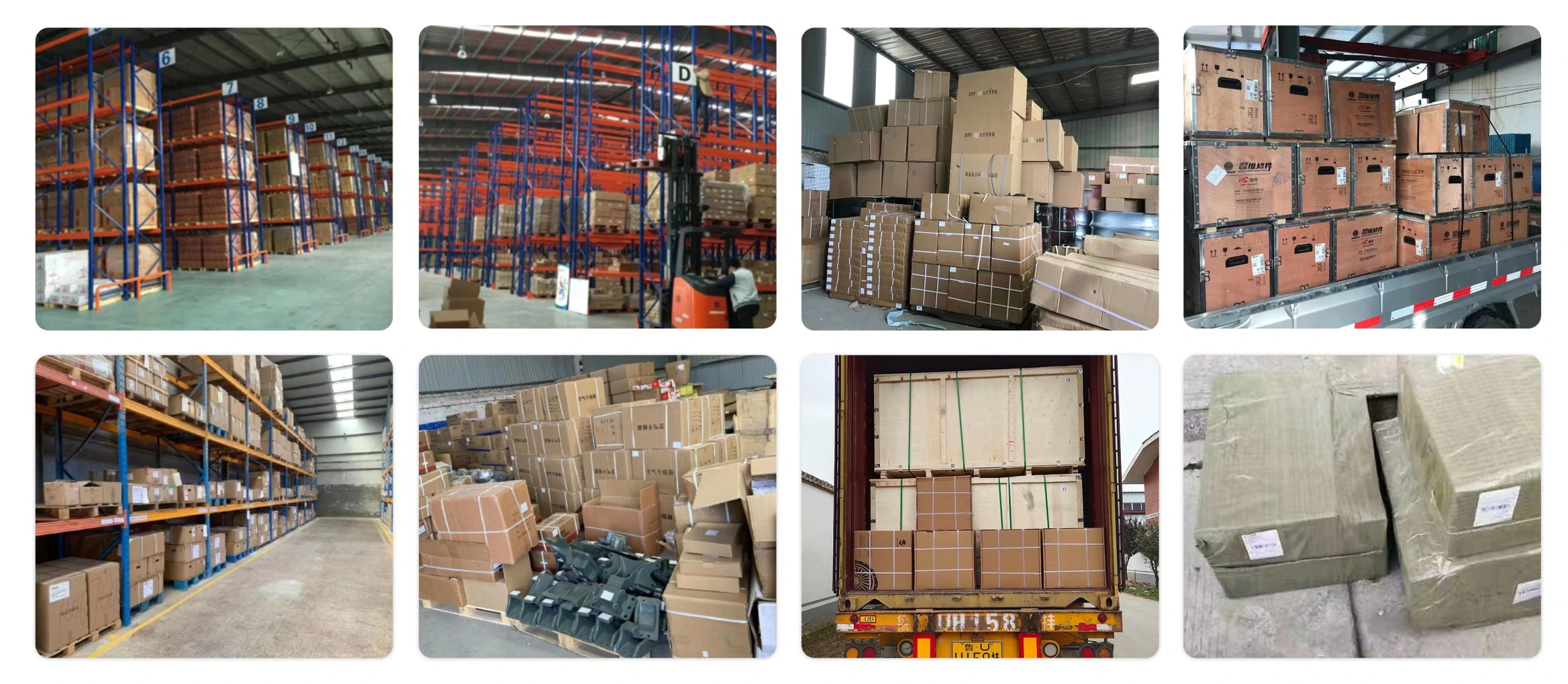
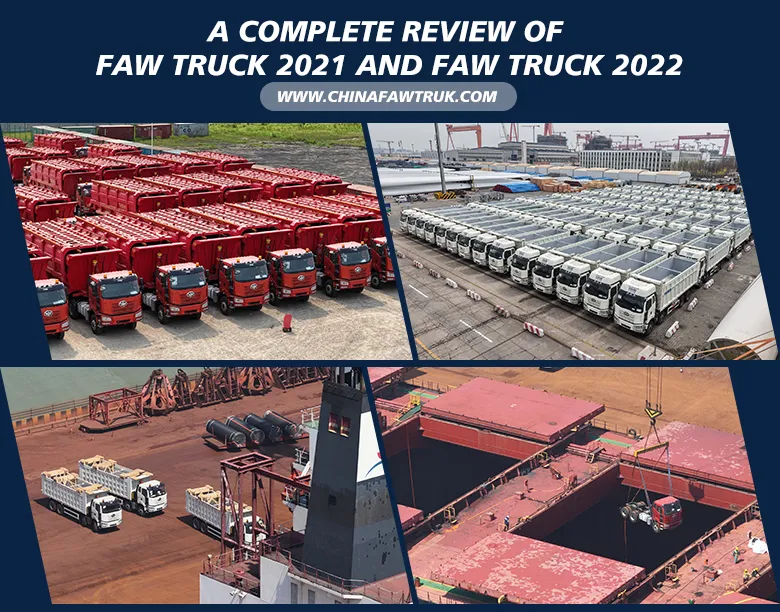
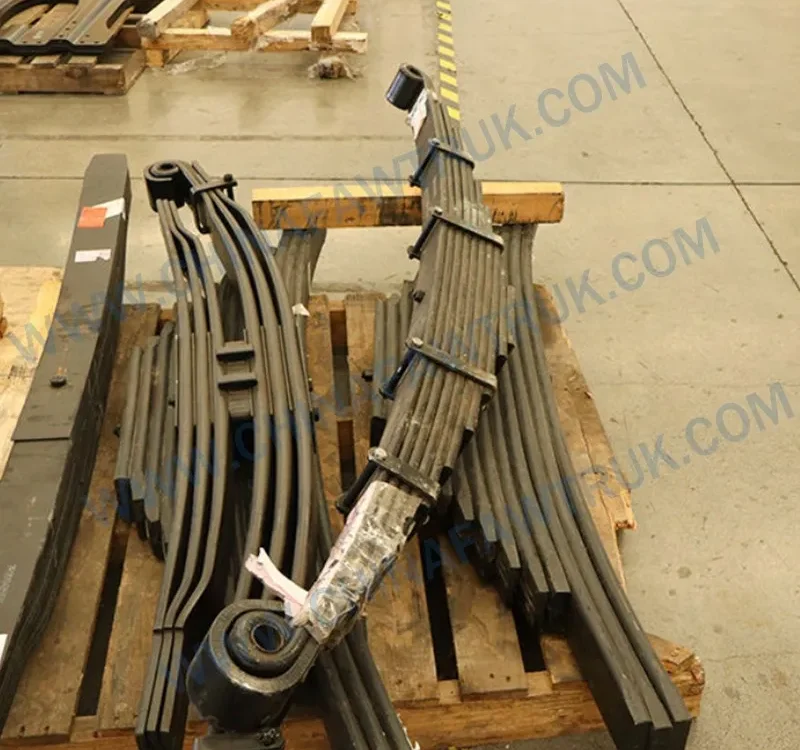
Pièces FAW, y compris l'ensemble bloc-cylindres, sont emballés avec soin pour garantir une livraison en toute sécurité. Chaque composant est sécurisé dans des matériaux de protection pour éviter tout dommage pendant le transport. Le réseau logistique garantit des expéditions ponctuelles dans le monde entier, soutenir des opérations de maintenance efficaces. Vous trouverez ci-dessous une image illustrant l'emballage standard des pièces de camion FAW., mettant en valeur l’attention portée aux détails dans la manipulation et le stockage.
Cette approche d'emballage minimise le risque de corrosion ou de dommages causés par les chocs., s'assurer que les pièces comme l'ensemble bloc-cylindres FAW arrivent en parfait état. Les clients peuvent compter sur la logistique de FAW pour une qualité et une fiabilité constantes.