L'architecture du support de moteur avant russe FAW: 3 Composants critiques pour la stabilité de l'Arctique
Le Support moteur avant russe FAW acts as the primary skeletal interface between the chassis and the powertrain of the CA3250P66K24L1TE5Z dump truck. Designed specifically for the rigorous demands of the Russian Federation, this assembly is not merely a static support; it is a dynamic structural component engineered to withstand high-frequency diesel vibration and extreme thermal shock. For fleet operators navigating the frozen logistical routes of Siberia, l'intégrité du Support moteur avant russe FAW is synonymous with vehicle safety. A failure here does not just mean downtime; it can lead to catastrophic engine misalignment and driveline failure. This guide explores the metallurgy and engineering behind this critical sub-assembly.

Support moteur avant russe FAW
Metallurgy and Geometry of the Front Suspension Bracket
Le cœur de cette assemblée est le Front Suspension Bracket (Partie no. 1001033-55R.). Dans le contexte de l'ingénierie du Support moteur avant russe FAW système, this component is tasked with supporting approximately half of the engine’s dry weight, while simultaneously resisting the rotational torque generated during acceleration. The bracket is manufactured using a specialized nodular cast iron alloy. This material selection is deliberate; unlike standard grey iron, nodular iron possesses superior ductility.
Dans l'Arctique russe, where ambient temperatures can drop below -45°C, standard metals become brittle. A sudden shock load—such as the truck hitting a frost heave—could cause a lesser bracket to shatter like glass. Le Support moteur avant russe FAW utilizes this specific alloy to maintain impact toughness even in deep freeze conditions. The geometry of the bracket features reinforced webbing and gussets, identified through Finite Element Analysis (FEA), to distribute stress concentrations away from the mounting holes.
En outre, the machining tolerance of the mounting faces on the Front Suspension Bracket est critique. It must mate perfectly flat against the engine block to ensure maximum contact area. Any deviation or warpage would introduce a bending moment into the bolts, leading to fatigue failure. La conception du Support moteur avant russe FAW ensures that the load path is purely vertical and shear-based, optimizing the lifespan of both the bracket and the engine block casting it protects.
Fixation de précision: The Role of Flange Bolts
L'intégrité structurelle du Support moteur avant russe FAW is entirely dependent on the clamping force provided by its fasteners. The system employs two distinct variants of high-strength bolts: le Boulon à bride hexagonale (Partie no. Q1841465T) and the shorter Boulon à bride hexagonale (Partie no. Q1841460T). Ce ne sont pas des boulons de quincaillerie standard; they are coarse-shank, standard-type fasteners engineered for heavy-duty automotive applications.
Le “bride” design of these bolts is a critical feature for the Support moteur avant russe FAW. By integrating a wide washer face directly into the bolt head, the fasteners distribute the immense clamping load over a larger surface area of the cast iron bracket. This prevents the bolt head from “embedding” or digging into the bracket material under high torque, which would result in a loss of preload and eventual loosening. The use of separate washers in such a critical high-vibration application is often discouraged as they introduce additional failure points and slip planes.
Le “T” designation in the part numbers (Par exemple, Q1841465T) often indicates a specific surface treatment or strength class tailored for the FAW J6 series. Dans le corrosif, salty environment of Russian winter roads, bolt corrosion is a major threat. These bolts in the Support moteur avant russe FAW assembly are treated to resist seizing in the block. If a bolt rusts and seizes, it cannot be properly torqued during maintenance, leading to false torque readings. This results in a bracket that feels tight but is actually loose, a dangerous condition that precipitates catastrophic failure.
System Integration and Load Dynamics
Le Support moteur avant russe FAW ne fonctionne pas de manière isolée. It serves as the mounting pedestal for the engine suspension cushions. The precise height and angle of the Front Suspension Bracket determine the alignment of the entire powertrain. If this bracket is cast incorrectly or mounted slightly off-center, the engine’s crankshaft centerline will not align with the transmission input shaft. This misalignment causes destructive vibration in the universal joints and premature wear on the clutch assembly.
During engine operation, le Support moteur avant russe FAW is subjected to complex cyclical loading. Alors que les pistons tirent, the engine block twists. The bracket must be rigid enough to maintain alignment but tough enough to absorb the peak shock loads without cracking. The use of multiple bolts (Q1841465T and Q1841460T) creates a redundancy. The spacing of these bolts is calculated to maximize the “moment arm,” providing the greatest possible resistance to the twisting leverage of the heavy diesel engine.
For the CA3250P66K24L1TE5Z model, le Support moteur avant russe FAW is positioned to allow for the thermal expansion of the engine block. As the engine heats up from -30°C to +90°C, the block physically expands. The bracket design accommodates this micro-movement without inducing stress into the chassis rails. Ce “flottant” capability is a subtle but vital aspect of the engineering that allows FAW trucks to operate reliably in climates with 100-degree temperature swings.
Liste de répartition des composants
Le tableau suivant détaille les composants spécifiques du Support moteur avant russe FAW assemblage logique. Fleet managers and technicians should reference these exact part numbers to ensure compatibility with the cold-zone specification of the CA3250P66K24L1TE5Z.
| Non. |
Numéro de pièce |
Nom de la pièce |
Quantité |
| 1 |
1001033-55R. |
Front Suspension Bracket |
2 |
| 2 |
Q1841465T |
Boulon à bride hexagonale (Queue grossière/standard) |
4 |
| 3 |
Q1841460T |
Boulon à bride hexagonale (Queue grossière/standard) |
4 |
Maintenance Protocols for Arctic Service
The maintenance of the Support moteur avant russe FAW is relatively simple but critically important. The primary inspection protocol involves checking the torque of the mounting bolts. In the first 5,000 kilomètres d'exploitation, specifically in cold climates, the new metal of the bracket and engine block can undergo “settling,” leading to a slight loss of clamping force. Technicians must verify the torque on the Boulons à bride hexagonale (Q1841465T and Q1841460T) using a calibrated torque wrench. Un “impact gun” tightening method is strictly prohibited for the Support moteur avant russe FAW, as it can over-stretch the bolts beyond their yield point.
Visual inspection for stress cracks is also mandatory during every oil change interval. Focus the inspection on the webbing of the Front Suspension Bracket near the bolt holes. In extremely cold conditions, even a microscopic casting flaw can propagate into a structural crack under heavy load. If any crack is visible, the entire bracket must be replaced immediately. Welding a cast iron bracket is not a recommended repair solution for the Support moteur avant russe FAW, as the heat of welding alters the metallurgy and often leads to a brittle failure in the Heat Affected Zone (HAZ).
Enfin, ensure that the mating surface on the engine block is clean and free of rust or paint before installing a new bracket. A layer of paint or debris can act as a “doux” layer that compresses over time, leading to bolt looseness. Pour le Support moteur avant russe FAW, metal-to-metal contact is the only acceptable standard. Using a thin layer of anti-seize compound on the bolt threads is permissible to prevent corrosion, but care must be taken to adjust the torque values accordingly to prevent over-tightening.
Conclusion: The Foundation of Arctic Mobility
Le Support moteur avant russe FAW is a testament to the detail-oriented engineering required to operate heavy machinery in the harshest environments on Earth. It is a small component with a massive responsibility. By understanding the material science of the Front Suspension Bracket and the clamping physics of the Boulons à bride hexagonale, fleet operators can appreciate why using genuine FAW parts is the only viable option.
Inferior aftermarket brackets may look identical, but they often lack the specific nodular iron formulation required to survive -50°C temperatures without shattering. Investir dans l'authentique Support moteur avant russe FAW assembly is an investment in the safety of the driver and the reliability of the delivery schedule. Keep your trucks moving, keep your engine secure, and trust in the engineering validation that stands behind every FAW part.
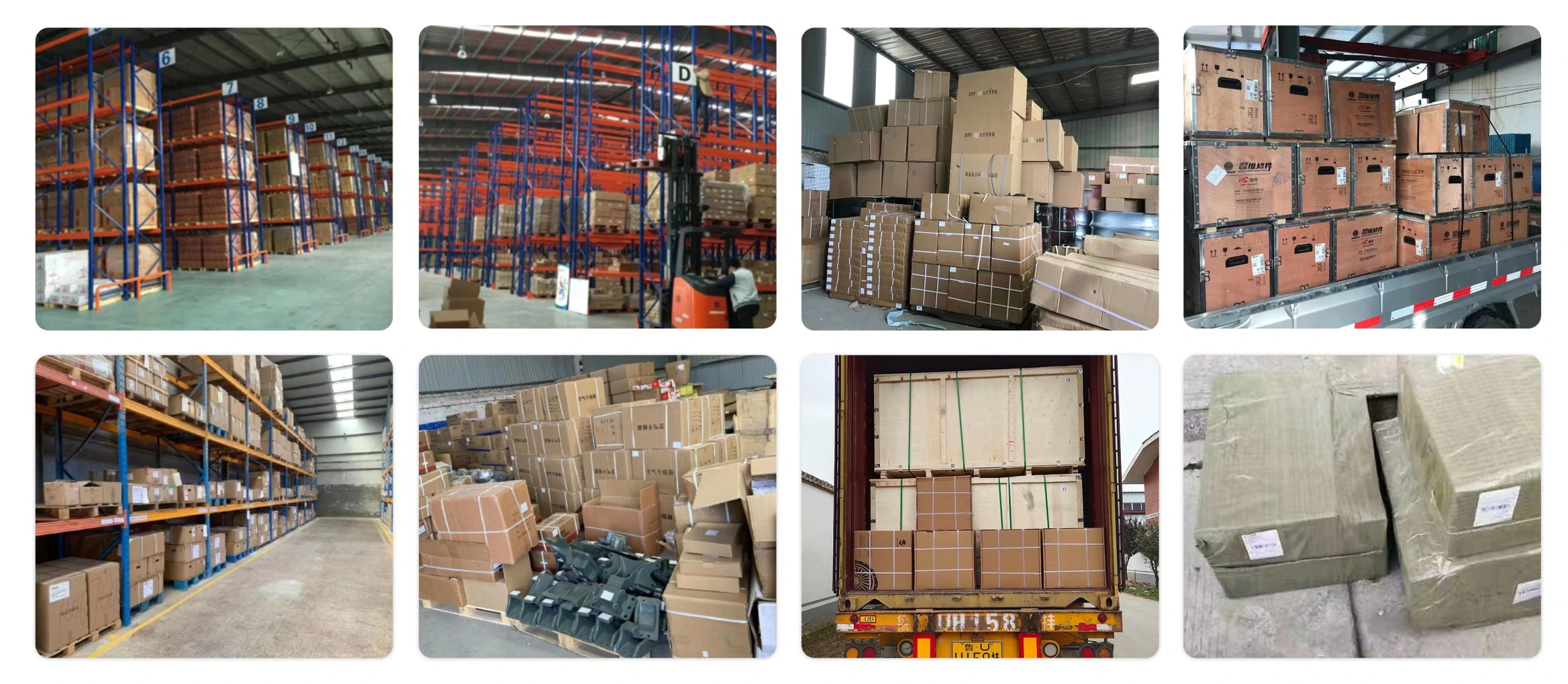
Emballage et logistique
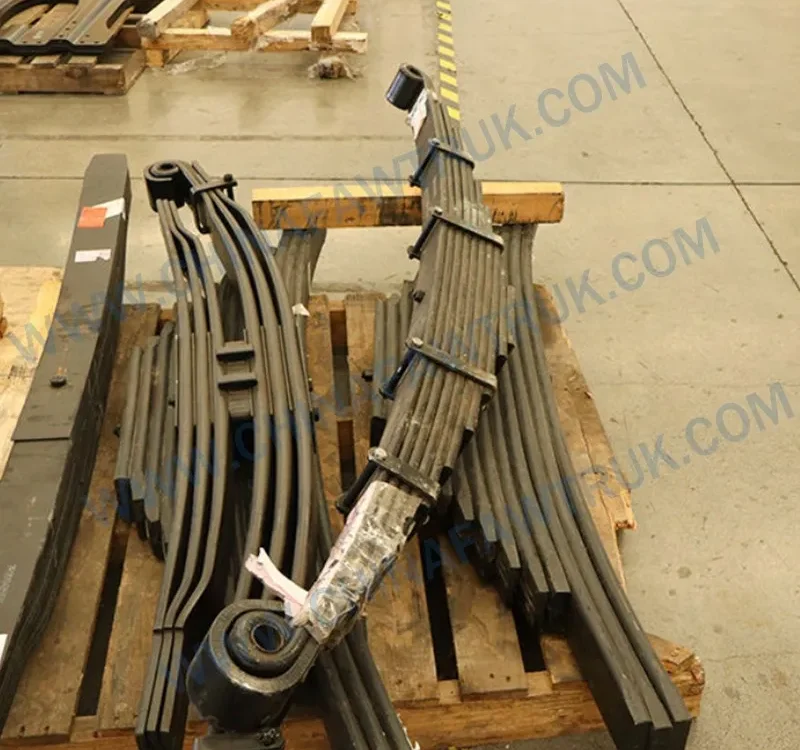
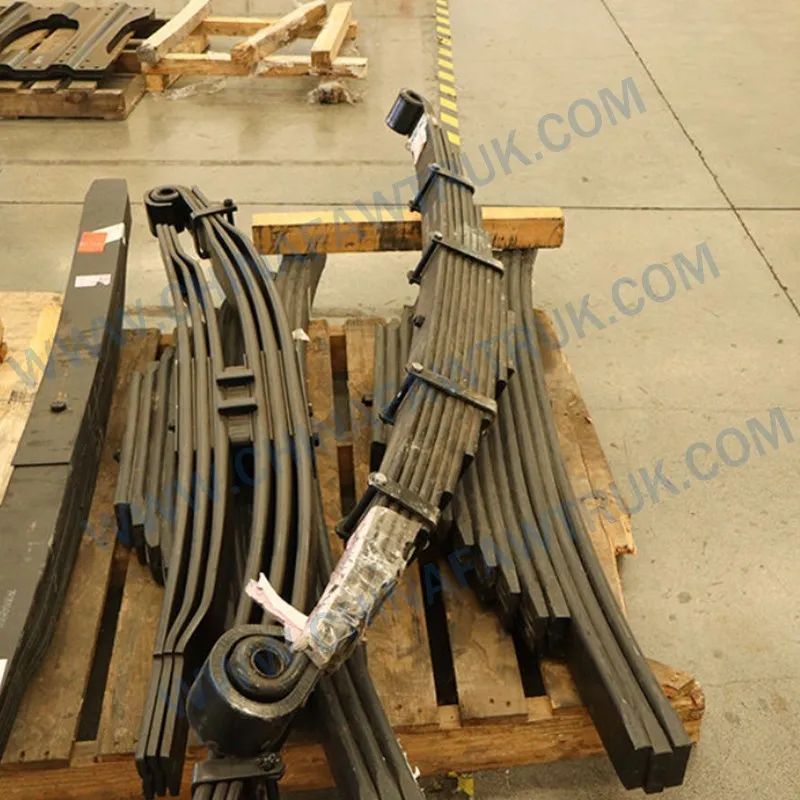
Pièces FAW, y compris l'ensemble bloc-cylindres, sont emballés avec soin pour garantir une livraison en toute sécurité. Chaque composant est sécurisé dans des matériaux de protection pour éviter tout dommage pendant le transport. Le réseau logistique garantit des expéditions ponctuelles dans le monde entier, soutenir des opérations de maintenance efficaces. Vous trouverez ci-dessous une image illustrant l'emballage standard des pièces de camion FAW., mettant en valeur l’attention portée aux détails dans la manipulation et le stockage.
Cette approche d'emballage minimise le risque de corrosion ou de dommages causés par les chocs., s'assurer que les pièces comme l'ensemble bloc-cylindres FAW arrivent en parfait état. Les clients peuvent compter sur la logistique de FAW pour une qualité et une fiabilité constantes.