Batteries russes FAW et logique de montage: Ingénierie 57 Nœuds vitaux pour une puissance de démarrage à froid sans faille
Le Batteries russes FAW et l'ensemble logique de montage forment le cœur électrochimique du camion-benne CA3250P66K24L1TE5Z. Dans l'Arctique sibérien, où les températures peuvent descendre jusqu'à -50°C, l'efficacité de la batterie chute précipitamment, exigeant un système de stockage et de protection robuste pour garantir un démarrage fiable du moteur. Cet ensemble intègre des unités plomb-acide de grande capacité avec une architecture de rétention robuste conçue pour résister aux violentes vibrations des routes minières.. Déconstruire le Batteries russes FAW le système révèle une concentration sur l’isolation thermique, rigidité structurelle, et l'intégrité électrique essentielles à la survie dans le Nord gelé.

Batteries russes FAW
| Non. |
Numéro de pièce |
Nom de la pièce |
Quantité |
| 1 | 3703010A1086 | Assemblage de la batterie | 2 |
| 2 | 3703160-92W | Ensemble de plaque de presse pour batterie | 1 |
| 3 | 3703161-92W | Plaque de presse supérieure de batterie | 2 |
| 4 | 3703162-92W | Déflecteur de batterie | 2 |
| 5 | Q1100820 | Boulon de goujon de soudure | 4 |
| 6 | 3703163-242 | Boulon de fixation de la batterie | 3 |
| 7 | 3703163-40UN | Boulon de fixation de la batterie | 3 |
| 8 | 3703163-92W | Déflecteur inférieur de batterie | 2 |
| 9 | 3703164-92W | Plaque d'espacement de batterie | 2 |
| 10 | CQ32606 | Contre-écrou à bride hexagonale | 10 |
| 11 | Q2140614 | Vis à tête cylindrique à empreinte cruciforme | 10 |
| 12 | Q40108 | Machine à laver | 6 |
| 13 | Q40308 | Rondelle à ressort | 6 |
Stockage d'énergie de grande capacité pour le démarrage dans l'Arctique
Au cœur du Batteries russes FAW Le système est composé de deux énormes 12 volts Assemblage de la batterie unités (Partie no. 3703010A1086). Connecté en série pour fournir une alimentation de 24 volts, ces batteries sont spécifiquement formulées avec des ampères de démarrage à froid élevés (DPA) cotes pour faire fonctionner le moteur diesel à haute compression dans des conditions inférieures à zéro. La composition chimique des plaques et de l'électrolyte dans le Batteries russes FAW est optimisé pour résister au gel et maintenir l'acceptation de la charge même lorsque la température ambiante descend en dessous de -40°C, s'assurer que le camion peut démarrer de manière fiable après une nuit de trempage.
Le Batteries russes FAW sont logés dans une enceinte de protection qui s’intègre au système de réservoir d’air. Cette stratégie de regroupement utilise la masse thermique des composants adjacents pour retenir la chaleur, ralentir la vitesse à laquelle les batteries refroidissent après l'arrêt du moteur. La préservation de la température interne de la batterie est essentielle au maintien de la réactivité chimique; une batterie chaude fournit beaucoup plus de courant qu'une batterie froide. La logique du Batteries russes FAW l'assemblage donne la priorité à cette gestion thermique pour prolonger la fenêtre opérationnelle du véhicule pendant l'hiver russe.
La connectivité électrique repose sur des bornes robustes qui doivent résister à la corrosion causée par les sels de déneigement et les vapeurs acides.. Le Batteries russes FAW sont conçus avec des parois de boîtier renforcées pour éviter le gonflement ou la fissuration sous la contrainte de l'expansion de l'électrolyte pendant les cycles de congélation. Contrôle régulier des niveaux d'électrolyte (si utilisable) et l'étanchéité des bornes est un protocole obligatoire pour le Batteries russes FAW, car même une petite chute de tension due à une connexion desserrée peut empêcher un démarrage à froid.
Isolation des vibrations et rétention structurelle
La sécurité physique des Batteries russes FAW est géré par un système de serrage complexe. Les piles reposent sur le Déflecteur inférieur de batterie (Partie no. 3703163-92W), qui agit comme une base absorbant les chocs. Ils sont maintenus en place par le Ensemble de plaque de presse pour batterie (Partie no. 3703160-92W) et Plaque de presse supérieure de batterie (Partie no. 3703161-92W). Ce “sandwich” la construction applique une pression verticale uniforme, empêchant les lourds blocs de plomb de rebondir à l'intérieur de la boîte. Dans le contexte du Batteries russes FAW, minimiser les vibrations est essentiel pour éviter la fracture de la plaque interne et la perte de matière active, qui sont les principales causes de panne prématurée des batteries sur les routes minières accidentées.
Le mouvement latéral est limité par le Déflecteur de batterie (Partie no. 3703162-92W) et Plaque d'espacement de batterie (Partie no. 3703164-92W). Ces entretoises créent un ajustement serré dans le boîtier de batterie, s'assurer que le Batteries russes FAW fonctionner comme une masse d'inertie unique avec le châssis. Sans ces entretoises, les batteries martèleraient contre les parois de la boîte, potentiellement fissuré le boîtier et fuite d'acide corrosif sur les réservoirs d'air et les faisceaux de câbles en dessous.
La force de serrage est générée par le Boulon de fixation de la batterie (Partie no. 3703163-242 et 3703163-40A). Ces longs boulons font office de tirants, en tirant les plaques de pression supérieures vers le bas contre le boîtier de la batterie. Le couple sur ces boulons doit être précis; un serrage excessif peut écraser le boîtier de la batterie, tandis qu'un sous-serrage permet des mouvements dangereux. Le Batteries russes FAW la logique s'appuie sur cette tension calculée pour survivre aux forces g du fonctionnement tout-terrain.
Ingénierie des fixations et défense contre la corrosion
L'environnement corrosif autour des batteries au plomb nécessite un matériel spécialisé. Le Batteries russes FAW l'assemblage utilise Contre-écrou à bride hexagonale (Partie no. CQ32606) et Vis à tête cylindrique à empreinte cruciforme (Partie no. Q2140614) qui sont traités avec des revêtements résistants aux acides. Le zingage standard se dissoudrait rapidement en présence de vapeurs acides, conduisant à des fixations grippées qui rendent le remplacement de la batterie impossible sur le terrain. Les écrous à bride offrent une action de verrouillage qui résiste au recul sous l'effet des vibrations., une fonctionnalité essentielle pour la sécurité à long terme du Batteries russes FAW.
L'ensemble comprend également Boulon de goujon de soudure (Partie no. Q1100820), qui sert de point d'ancrage permanent sur le châssis du boîtier de batterie. Cette conception élimine le besoin d'une clé arrière lors de l'installation, simplifier le processus de maintenance pour les mécaniciens travaillant avec des vêtements d'hiver volumineux. Le Batteries russes FAW le système de montage garantit que le matériel de maintien reste utilisable tout au long de la durée de vie du véhicule.
Une sécurité supplémentaire est assurée par le Rondelle à ressort (Partie no. Q40308) et plat Machine à laver (Partie no. Q40108). Ces rondelles maintiennent la tension sur les joints boulonnés même lorsque les composants en plastique du boîtier de batterie se dilatent et se contractent avec les changements de température.. Dans le Batteries russes FAW système, ces petits composants empêchent le “ramper” cela peut entraîner des piles desserrées et des incendies électriques causés par un court-circuit contre les fixations métalliques.
Sécurité opérationnelle et diagnostic
Le Batteries russes FAW l'assemblage ne consiste pas seulement à démarrer le moteur; il alimente toute l'architecture électrique, y compris l'ECU, Modulateur ABS, et systèmes de chauffage. Une défaillance du système de rétention de la batterie peut entraîner des pannes électriques catastrophiques. Si le Ensemble de plaque de presse pour batterie se desserre, les batteries peuvent déplacer et court-circuiter les bornes positives contre le châssis, provoquant un risque d'incendie immédiat. La conception rigoureuse du Batteries russes FAW les luminaires atténuent ce danger grâce à une rétention et une isolation positives.
Diagnostic pour le Batteries russes FAW impliquent des tests de charge pour vérifier la capacité du CCA et vérifier la gravité spécifique de l'électrolyte. Cependant, l'inspection mécanique est tout aussi importante. Les techniciens doivent vérifier que le Déflecteur de batterie est correctement positionné et que le Boulon de fixation de la batterie est serré selon les spécifications. Tout signe de fuite d'acide ou de corrosion sur les supports de maintien indique un boîtier de batterie compromis ou une surcharge., nécessitant une attention immédiate pour préserver l’intégrité du Batteries russes FAW système.
Enfin, l'intégration du boîtier de batterie avec les supports du réservoir d'air crée un module énergétique unifié. Cette conception optimise l'espace du châssis mais nécessite un entretien minutieux pour garantir que les vapeurs d'acide ne corrodent pas les réservoirs d'air adjacents.. Le Batteries russes FAW l'assemblage comprend des dispositions de ventilation pour éloigner les gaz des composants pneumatiques sensibles. En respectant la liste des pièces et les procédures d'entretien du Batteries russes FAW, les opérateurs garantissent une alimentation électrique sûre et fiable pour les systèmes critiques de leur véhicule.
Conclusion: La source d'énergie pour la survie dans l'Arctique
Le Batteries russes FAW et leur logique de montage associée représentent un système de survie critique pour le camion-benne J6P. Comprenant 57 composants, des cellules au plomb massives aux cellules spécialisées Ensemble de plaque de presse pour batterie, cette unité garantit que le camion démarre et fonctionne dans les environnements les plus hostiles de la planète. L'accent mis sur l'isolation et la fixation des vibrations protège les batteries des dommages internes, garantissant une longue durée de vie.
Pour les gestionnaires de flotte, le Batteries russes FAW l'assemblage nécessite une maintenance sans compromis. Utiliser des batteries génériques avec une résistance aux vibrations plus faible ou des dispositifs de maintien de fortune est une recette pour l'échec. En utilisant des pièces de rechange d'origine FAW et en garantissant que le système de fixation est intact, les opérateurs peuvent compter sur leurs camions pour se réveiller chaque matin, prêt à travailler dans la toundra gelée.
Emballage et logistique
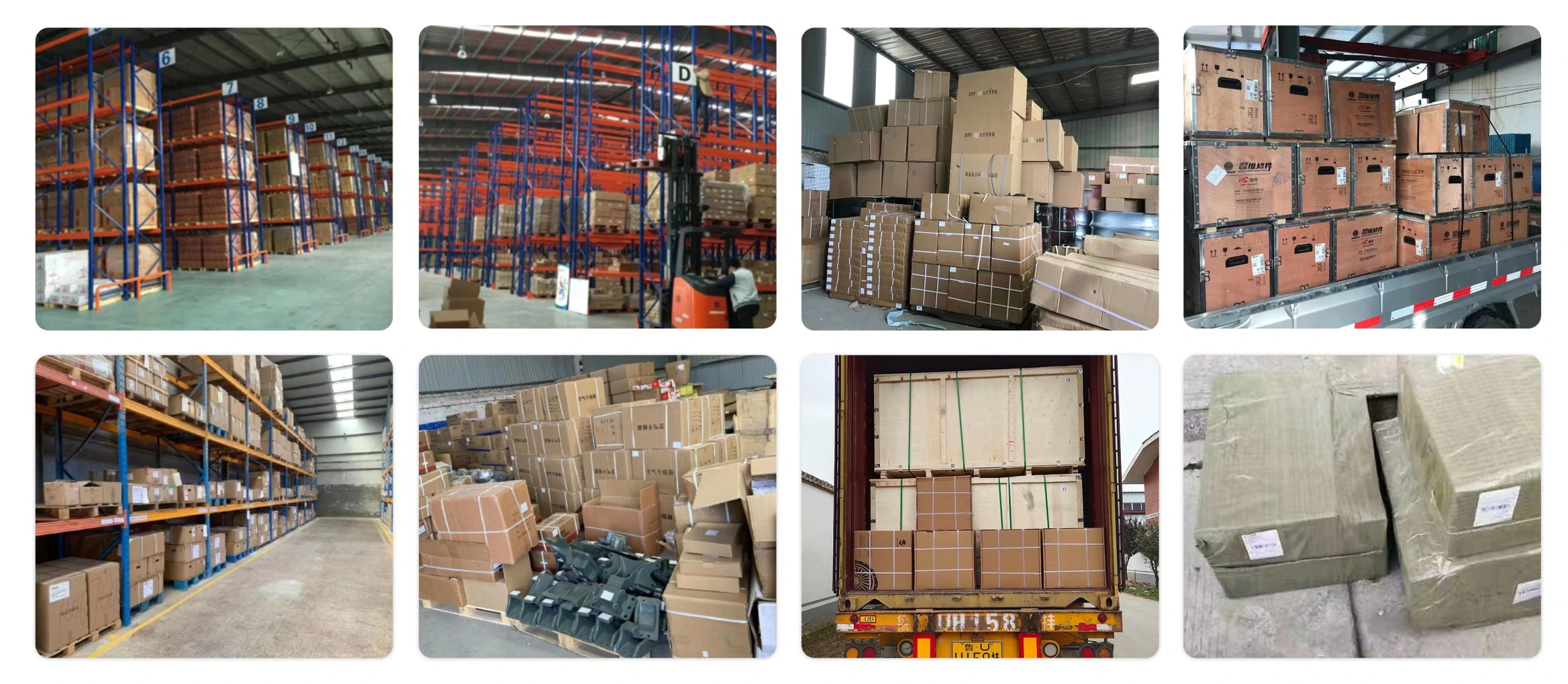
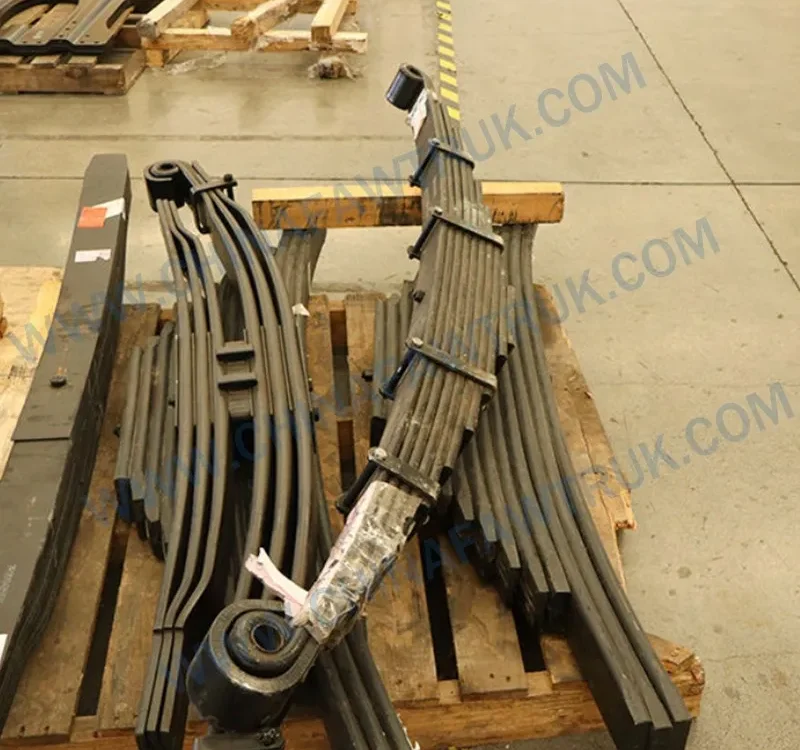
Pièces FAW, y compris l'ensemble bloc-cylindres, sont emballés avec soin pour garantir une livraison en toute sécurité. Chaque composant est sécurisé dans des matériaux de protection pour éviter tout dommage pendant le transport. Le réseau logistique garantit des expéditions ponctuelles dans le monde entier, soutenir des opérations de maintenance efficaces. Vous trouverez ci-dessous une image illustrant l'emballage standard des pièces de camion FAW., mettant en valeur l’attention portée aux détails dans la manipulation et le stockage.
Cette approche d'emballage minimise le risque de corrosion ou de dommages causés par les chocs., s'assurer que les pièces comme l'ensemble bloc-cylindres FAW arrivent en parfait état. Les clients peuvent compter sur la logistique de FAW pour une qualité et une fiabilité constantes.